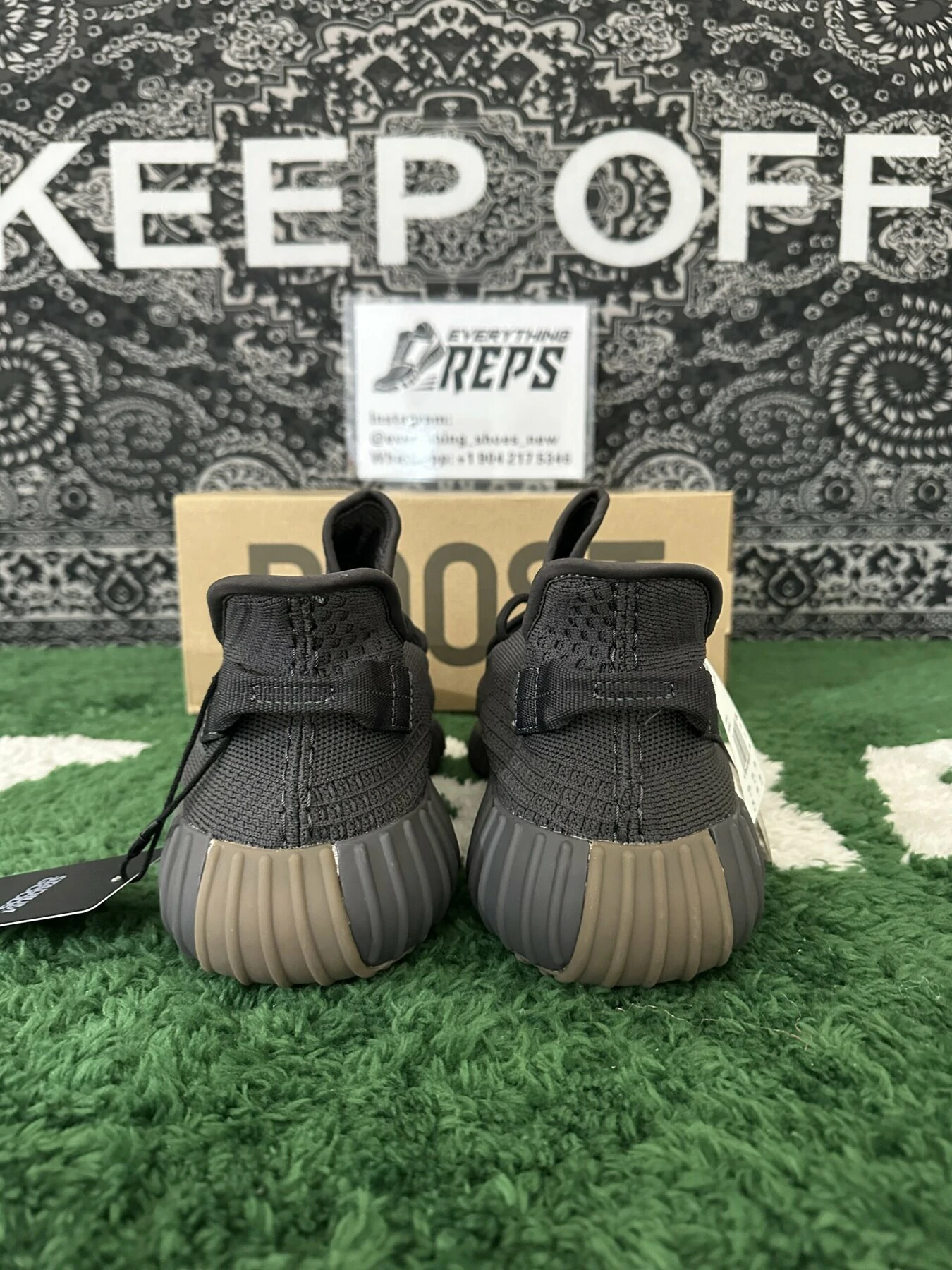
Most of the adidas ultraboost releases 2017 catalog is now old enough that condition matters as much as the model name. That year brought the 3.0, the 4.0, the Uncaged, the Laceless, and the ATR Mid, plus Parley and Kith pairs that Still carry weight with collectors. What follows is a buyer's read on which of those models still turn, how to size them, and what to check before you pay for a lot.
What Actually Landed That Year
The 3.0 ran through most of 2017. It kept the ribbed Primeknit and the translucent cage that debuted in late 2016, and it shipped in core black, core white, and a long tail of regional colorways that never reached wide US distribution.
Late in the year came the 4.0, with a reworked knit that has a tighter, more textured weave and a cleaner cage line. Because it arrived close to the holidays, its full-price window was short and fewer colorways reached broad release.
Between those two flagships sat the side models: Uncaged, Laceless, ATR Mid, and the women's-specific UB X. Parley Ocean Plastic versions of the 3.0 and Uncaged gave the year an environmental angle, and the Kith Mid Aspen closed it out as the collector's piece.
Which Models Still Move
Core black and core white pairs still sell, and they sell fastest in men's US 9 to 11 and women's US 7 to 9. Those sizes turn a size run into cash. Everything outside that range sits longer than most buyers expect.
The Laceless is the model store owners regret most. It fits tight across the midfoot, it never built a following, and it comes back as a return more often than anything else from that year.
Collabs follow different rules. A Kith Mid is a display piece and a social post, not a volume item. Buy one or two if you have the customer base for them, and skip them if you do not.
The table below compares the main adidas ultraboost releases 2017 models on build, fit, and the risk each one carries into your inventory.
| Model | Build Cue | Fit Note | Buyer Risk |
|---|---|---|---|
| Ultra Boost 3.0 | Ribbed Primeknit, translucent cage | Snug, half size up for most | Highest counterfeit volume |
| Ultra Boost 4.0 | Textured weave, cleaner cage | Slightly more locked-in forefoot | Short run, thin size availability |
| Uncaged | Sock collar, no cage, Parley options | Narrow through the midfoot | Collar stretch on used pairs |
| Laceless | Slip-on knit upper, no laces | Poor fit for wide feet | Slow turns, high return rate |
| ATR Mid | Mid-cut, cold-weather build | Locked-in, runs warm | Seasonal, hard to move in summer |
Fit, Sizing, and Return Rates
Ultra Boost runs snug by design. The knit wraps the midfoot and the cage does not give much, so a customer who wears a true US 10 in another running shoe often ends up in a 10.5 here. Say that on the product page and you cut a noticeable share of your return volume.
The women's UB X is narrower through the arch than the standard last. Stock it if you have the audience, but plan for exchanges toward the larger size and build that cost into your margin.
Fit is where the adidas ultraboost releases 2017 lineup causes the most headaches for online sellers. A size chart photo plus one line about the half-size recommendation does more for conversion than a small discount.
Condition and Authentication Before You Pay
Age is the real risk with this era. Boost foam compresses and yellows, and a deadstock pair that sat in a hot warehouse for years is not the same product it was on release day.
On used pairs, check heel and lateral outsole wear first, then press the midsole. Foam that feels firm or crumbles at the edges has lost most of its cushioning, no matter how clean the upper looks.
Counterfeits of the adidas ultraboost releases 2017 models are common, especially on Parley and Kith pairs. Run anything expensive through a professional legit-check service before it reaches the shelf.
Use this list as a pre-purchase check:
- Match the production date on the tongue tag to the model year. A 3.0 tagged well after its run ended is a warning sign.
- Look closely at the Boost pellets. Genuine midsoles show uneven, slightly glossy pellets with visible seams, not a smooth uniform surface.
- Check the heel counter for an even three-stripe cutout and consistent stitching.
- Flex the cage. A 3.0 cage should bend without clouding or cracking at the edges.
- Compare the insole print and the size tag font against a known authentic pair.
- Ask for a clear photo of the box label and match the style code to the colorway.
- On used pairs, weigh outsole wear against the asking price. Heel drag is the most common dealbreaker.
Building an Assortment That Turns
Depth beats breadth on older stock. Two full size runs of a core 3.0 will outperform a dozen single pairs in odd colorways, because a customer who needs a US 10.5 cannot substitute a US 8.
Ask for per-size counts before you agree to a lot price. Mixed lots priced by the pair hide the fact that half the sizes will never leave the shelf.
Treat 2017 stock as a value tier rather than a halo product. It should sit below current-season Ultra Boost on your wall, so your profit comes from buying right, not from marking up. Typical wholesale spreads vary widely by lot and condition, so treat any quoted range as a starting point and confirm it with your supplier.
FAQ
Are 2017 Ultra Boost pairs still wearable?
Usually yes, with caveats. The knit upper holds up well, but Boost foam loses rebound over time, especially if the pair sat in heat. Check the midsole for yellowing, hardening, or separation at the seams. Deadstock pairs stored cool and dry are the safest bet. Confirm condition with photos before you commit to a lot.
Do the 3.0 and 4.0 fit the same?
Close, but not identical. The 4.0 knit has a slightly more structured weave, so it feels a touch more locked-in across the forefoot. Both run snug compared with a standard running shoe. A half size up is the safe recommendation for most customers, and the same advice covers both models.
How do I tell a 3.0 from a 4.0 at a glance?
The cage is the fastest tell. The 3.0 uses a translucent cage with visible ribbing, while the 4.0 cage reads cleaner and less see-through. The 4.0 knit also has a tighter, more textured weave. Confirm with the tongue tag production date and match the style code to the colorway.
Are 2017 Ultra Boost collabs worth holding?
Only with the right customer. Kith and Parley pairs carry collector interest, so they work as display pieces and content rather than core inventory. They also carry the highest counterfeit risk, which means authentication costs and slower turns. Buy small, buy authenticated, and do not build a season around them.
What sizes should I stock?
Men's US 9 to 11 and women's US 7 to 9 cover most of the demand. Add a few US 8 and US 12 pairs if your local market skews that way. Sizes outside that range move slowly on older models, so keep depth in the middle and treat the edges as special orders.
If you are putting together a run of adidas ultraboost releases 2017 stock for the coming season, start with a supplier who sends per-size counts and condition photos before you commit. Ask for style codes, production dates, and a short video of the midsole flex. A supplier who answers those three requests quickly is usually the one worth a second order.