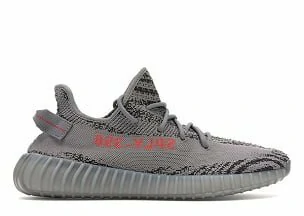
The adidas ultraboost 5x men's Black / zero metalic / spark is a specific three-color spec on a running-derived lifestyle shoe, and most buyers searching it want the same three answers: does it fit true, does the black knit stay presentable, and can a shop reorder it in depth. Short version: sizing runs close to standard Ultraboost, the dark upper hides creasing better than light colorways, and reorder depth depends on the size run you commit to.
This breakdown covers the build, the sizing curve a small shop should carry, arrival checks, and the questions worth asking a supplier before you wire money.
What This Colorway Actually Is
Three color names, one shoe. Core Black covers the knit and most of the midfoot cage. Zero Metallic is the metallic silver-grey finish that shows up on the branding and hardware. Spark is the warm pink-orange accent, and its placement moves between production runs, so confirm it against current official images before you write a product description.
Underfoot, the adidas ultraboost 5x men's black / zero metalic / spark uses the same Boost-family tooling as the rest of the line, with a full-length foam midsole and a rubber outsole. Recent Ultraboost builds have moved to Light BOOST, which is lighter than the original compound and slightly firmer under the heel. Treat the shoe as a lifestyle-first pair that can handle a light run, not a daily trainer.
For a shop, the value of this spec is narrow and clear. It sells to two groups: customers replacing a worn black Ultraboost, and buyers who want a black shoe with one warm accent so it does not read as plain. Both groups convert on availability, not on storytelling.
Sizing: What to Stock and What to Skip
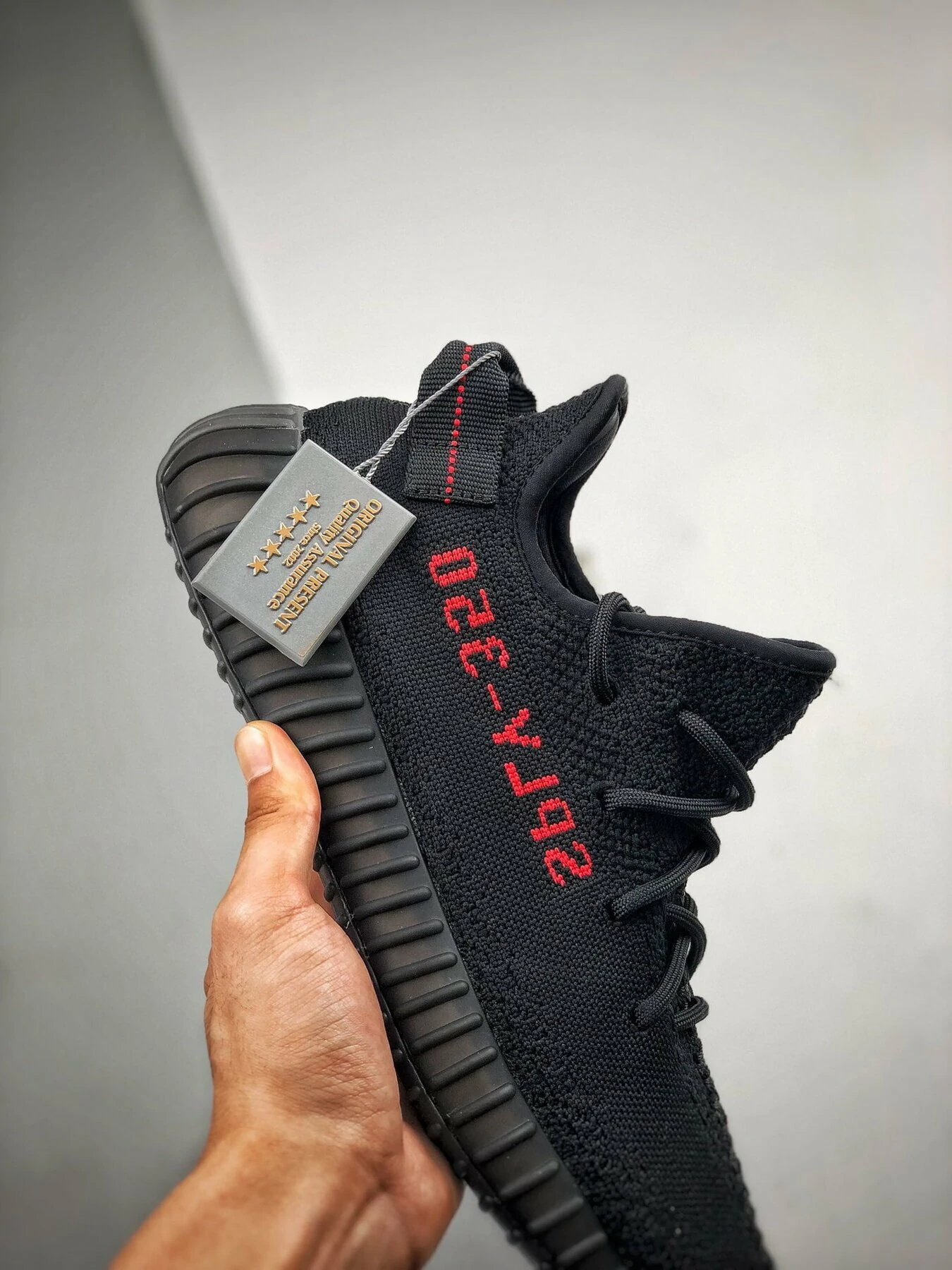
Ultraboost lasts run close to standard US sizing. Most customers take their normal size, and wide-footed buyers often go up a half. The knit has some give; the midfoot cage does not, so tightness usually shows up across the arch rather than at the toe.
Half sizes matter more than they do on canvas shoes. If a supplier can only fill whole sizes, expect to lose the customers who sit between them, and price that gap into your margin.
| US size band | Typical buyer | First-order depth | Notes |
|---|---|---|---|
| 8 to 9.5 | Smaller-footed men, women buying men's sizing | 1 to 2 pairs per size | Thins out first, reorder early |
| 10 to 11 | Core volume | 2 to 3 pairs per size | Depth here carries your margin |
| 11.5 to 12.5 | Big-foot runners and collectors | 1 to 2 pairs per size | Sits, then sells through late |
| 13 to 14 | Narrow but loyal demand | 1 pair, or skip 14 | Only stock if you have local buyers |
Those ranges are starting points, not rules. Check them against your own sell-through after six weeks and adjust the next order.
Depth is where most first orders go wrong. A full run looks tidy on paper and ties up cash in sizes 13 and 14 that may sit for months. Buy depth in the middle of the curve and single pairs at the edges, then reorder once you see real movement.
Arrival Checks Before Anything Hits the Shelf
Boost tooling shows small cosmetic variance, and that is normal. What is not normal: glue smear on the knit, a misaligned cage, or an outsole that peels at the toe. Run these checks on the first carton, then spot-check later cartons.
- Match the inner size tag to the box label, including the article number, and confirm both match the spec you ordered.
- Compare left and right shoe side by side. Uneven stripe alignment or one shoe sitting taller usually means a mismatched pair.
- Press the midsole with your thumb. It should spring back and feel consistent along the full length, with no hard spots near the heel.
- Flex the toe. A clean crease line is fine; a whitened, cracking seam is not.
- Check the accent color in daylight, not under store lighting, and compare it to the official image.
Photograph anything questionable before it goes on the floor. A timestamped photo set is the difference between a clean return and a supplier who says the damage happened in your stockroom.
Supplier Questions Before You Wire Money
Ask for in-hand photos with a dated card in frame. Catalog renders and reused images tell you nothing about the batch you will actually receive, and they are the most common reason a first order disappoints.
Then ask for a live size count. If a supplier claims the adidas ultraboost 5x men's black / zero metalic / spark is available in every size, request a count with a timestamp and a photo of the shelf. Broad availability on a moving colorway is a yellow flag, not a selling point.
Get the commercial terms in writing: unit cost, minimum order per size, pack configuration, and who pays freight. Many suppliers quote minimums somewhere between a few pairs per size and a full run, and terms shift with volume. Treat every figure as a starting range and confirm it with your supplier before you commit.
Last, ask how the stock was sourced and whether the pairs are US-spec with the standard box. Grey market and mixed-spec stock exists in every Boost colorway, and it is cheaper for a reason. If the paperwork is vague, walk.
Pricing, Margin, and Reorder Timing
Black-based Boost colorways tend to hold closer to full retail than seasonal ones. That is good for margin and bad for discount shoppers, so do not price this pair like a clearance item just to move units faster.
Before you set a shelf price on the adidas ultraboost 5x men's black / zero metalic / spark, work backward from your landed cost. Add freight, duty, and a realistic shrink allowance, then check what the shoe is selling for online in your sizes. Duty rates depend on classification and country of origin, so confirm them with a customs broker. If the spread is thin, order narrow and reorder more often.
A simple reorder trigger works better than a calendar. When a size drops below two pairs and the shoe is still moving at full price, reorder that size. Waiting for the whole run to thin out usually means missing the window.
Common Buyer Questions
Does the Ultraboost 5X run true to size?
Most buyers take their normal US size. Wide-footed customers often go up a half size because the midfoot cage does not stretch much. If you sell online, put that note in the product description and you will cut return requests noticeably. When in doubt, tell customers to measure and check the official adidas size chart.
Is the black knit hard to keep clean?
Easier than white, harder than leather. Dust and light scuffs brush off with a soft brush and mild soap. The bigger issue is creasing at the toe box, which no cleaning fixes. Store the pair with a light shoe tree and swap the display pair regularly so one unit does not take all the wear.
How many pairs per size should a small shop order?
For a first order, one to two pairs per size across US 8 to 12, with single pairs at 12.5 and above, is a common starting point. Adjust to your own sell-through after the first six weeks. Confirm pack sizes and minimums with your supplier before you build the order.
How do I verify the colorway before ordering?
Ask for the article number on the box label and match it to the official listing for this spec. Then compare in-hand photos against official images, checking the accent color and where it sits. On larger orders, a third-party authentication service is cheap insurance.
Next Step
If you are building a first order of the adidas ultraboost 5x men's black / zero metalic / spark for a US storefront or online shop, ask for a size-by-size availability list, in-hand photos, and written terms before you commit. Send your target size run and landed cost, and we will come back with what is actually on hand.