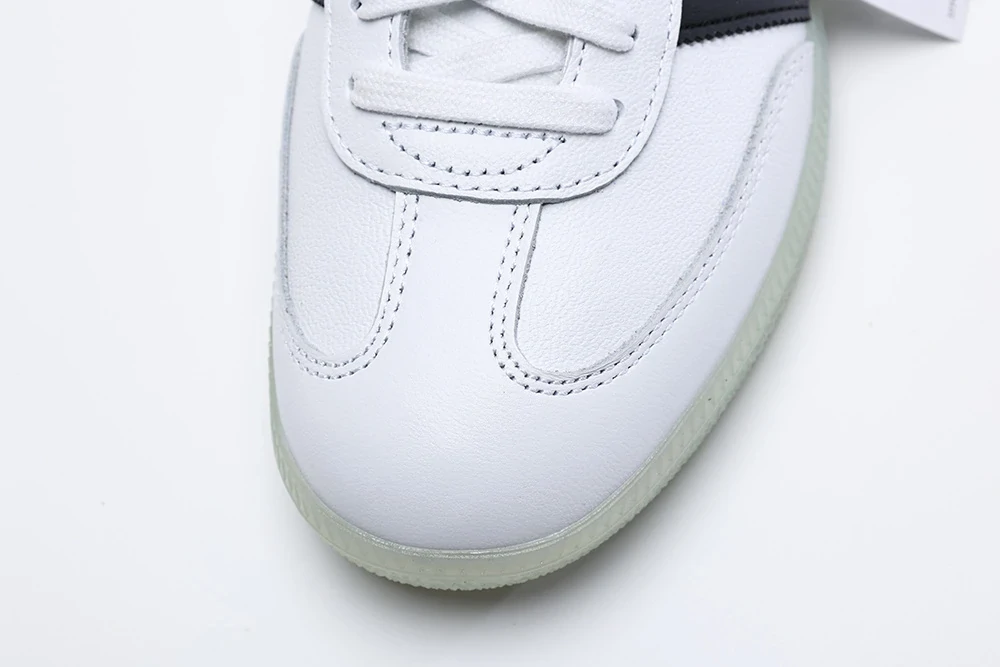
cheap ultra Boost inventory does not come from a coupon. It comes from where in the supply chain you buy, how much volume you commit to, and how long you are willing to wait for a colorway to go out of season. Most people searching for adidas ultra boost for cheap land in one of two bad outcomes: they overpay a middleman who bought at a real wholesale tier, or they take delivery of a carton of convincing fakes.
This article covers the channels that produce legitimately low unit costs, the discount ranges each one usually carries, and the checks that keep a cheap deal from turning into a write-off. It is written for shop owners and online sellers Buying by the size run, not for someone buying a single pair.
Why the Same Shoe Has Five Different Prices
Adidas runs a controlled distribution model. Authorized accounts get allocation based on prior sell-through, storefront standards, and seasonal commitments, so your unit cost depends heavily on whether your Source sits inside that system or cleans up after it.
Outside the authorized channel, price is driven by time and risk. A distributor sitting on last season's Core Black is paying for warehouse space and wants it gone. A liquidation lot is cheap because nobody has opened the cartons. The discount is always compensation for something: broken size runs, past-season colorways, or plain uncertainty about what is in the box.
That is why quotes for adidas ultra boost for cheap can differ by 30% or more for what sounds like identical product. The number means nothing until you know which channel produced it. Same shoe, different seller, different risk profile.
Channel-by-Channel Cost Ranges
The table below shows the discount tiers buyers commonly report, expressed as a percentage of retail so the math stays useful as MSRPs move. Treat these as ballpark planning figures only, and confirm the actual number with each supplier before you commit to anything.
| Channel | Typical unit cost vs. retail | Usual order size | Main risk |
|---|---|---|---|
| Authorized adidas wholesale account | Roughly 40–50% off retail | Full size runs, seasonal commitment | Application approval, MAP pricing rules |
| Off-price and closeout distributor | Roughly 50–65% off retail | Mixed lots, brand minimums | Broken runs, past-season colorways |
| Liquidation pallets and truckloads | Roughly 60–75% off retail | By the pallet | Condition unknown until you inspect |
| Overseas trading companies | Quotes often 30–50% below retail | Low, sometimes 10–20 pairs | Authenticity and chargeback exposure |
Retail on current Ultraboost models sits around $190, with older and discounted colorways lower. Percentages are easier to sanity-check than dollar quotes. If a source offers 70% off on a current-season colorway in a full size run, the channel story does not add up and you should ask harder questions.
Vetting a Supplier Before You Wire a Deposit
A supplier who answers the boring questions well is usually a supplier worth sampling. Work through the paperwork and the physical stock first, then talk about money.
- Request a live video walkthrough of the actual stock, not a folder of photos.
- Ask for close-ups of the inner size tag, box label, and heel lettering.
- Buy one sample pair at the quoted price before placing a bulk order.
- Get the size breakdown by colorway in writing, not verbally.
- Confirm the season code and whether the goods are first-quality or B-grade.
- Ask for the return and chargeback policy in writing, including who pays return freight.
- Pay by a method that allows a dispute if the goods do not match the sample.
Ask the supplier to walk you through a sample pair on a live call. Zoom in on the Boost midsole, the heel lettering, and the tag printing. Counterfeits fail on texture and label detail far more often than on overall shape, and a five-minute call catches most of it.
Every supplier offering adidas ultra boost for cheap should be able to name the season code of the stock and the size breakdown per colorway. Vague answers on either point usually mean the goods were consolidated from several sources nobody has tracked, which is exactly how mixed lots end up in a carton.
Red Flags That Show Up on Ultraboost Specifically
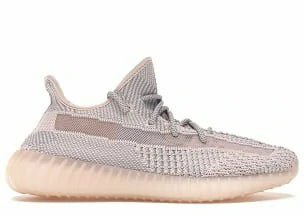
Boost is the hardest part of the shoe to copy well. Genuine Boost pellets look slightly uneven, feel springy under a thumb, and carry a faint sheen. Counterfeits often use compressed EVA that feels dense and dead, or pellets that are too uniform and too glossy under light.
Check the Continental outsole branding, the midfoot cage stitching, and the insole print. On legitimate pairs these are crisp and consistent. On copies the outsole lettering is often shallow or misaligned, and the cage stitching wanders around the eyelets where it should run straight.
When a listing for adidas ultra boost for cheap lands well under the going rate for its channel, slow down. Counterfeiters price to win the click. Ask for purchase history and run one pair through a third-party authentication service before you commit to a lot, especially on anything above a few dozen pairs.
Colorway, Size Curve, and the Real Margin
Two buyers can pay the same unit cost and end up with very different margins. Core black and grey colorways move quickly; loud seasonal colorways sit and tie up cash. If a lot is cheap because it is heavy on volt and pink, price that cleanup work into your offer rather than hoping the market shifts.
Size curve matters as much as color. US men's 9 to 11 turns fastest in most stores, with 8 to 12 covering the bulk of demand. Small and large sizes can sit for months. A missed size curve costs more than the spread between two quotes on adidas ultra boost for cheap, so build the curve into the negotiation.
Plan your exit before the goods land. If you sell online, check brand gating and listing restrictions on the platforms you use, and confirm the stock will clear an authenticity review. Returns and chargebacks on footwear are expensive, and a margin that looks healthy on paper disappears fast after two disputes.
FAQ
Do Ultraboost prices drop at the end of the season?
Often, yes. Retailers and distributors cut last-season colorways to clear shelf space, and discounts get steep once a new generation launches. The trade-off is size selection. The deepest cuts usually sit in broken runs, so plan to sell what is actually available instead of a clean size curve.
How large should a first order be?
Big enough to hit the supplier's minimum, small enough to survive a mistake. Many shops start with one or two colorways in a core size run, then reorder what sells. Ask about restock timelines before committing, because popular sizes may not come back at the same price.
Can I resell closeout Ultraboost on marketplaces?
Sometimes, but read the rules first. Several marketplaces require brand approval for footwear and run authenticity inspections. Keep invoices and supplier records, photograph every tag, and understand the return policy before listing. Selling without approval can get a listing pulled and funds held.
How do I verify a pair before listing it?
Compare the size tag, box label, and stitching against a pair you bought from a known retailer. A professional authentication service is worth the fee on any large lot. If your cost was far below the channel average, authenticate more than one pair from the shipment.
If you are building a footwear assortment and want a current price list with available size runs, colorways, and sample terms, send over your target quantity and let's talk. We quote by the size run and we will tell you plainly what we can and cannot source.