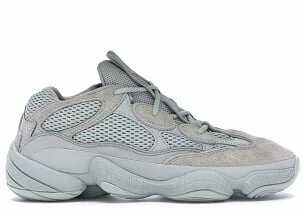
The adidas ultra Boost golf shoe is a spikeless hybrid built on a Boost foam midsole, aimed at players who walk their rounds and want sneaker comfort on the course. It is not a tour-style performance shoe, and it is not a pure lifestyle sneaker either. That middle position is why it sells, and it is also why it is easy to over-order.
What follows covers the model itself, how it fits, where it actually performs, and how an independent shop or online seller should plan a size run. Figures below are typical ranges only. Confirm current specs, pricing, and terms with your supplier before you commit to a purchase order.
Where this shoe sits on the golf wall
Most golf footwear splits into three buckets: spiked performance shoes, leather spikeless shoes, and sneaker crossovers. The adidas ultra boost golf lives in the third bucket. A knit upper and a soft foam midsole make it read as a sneaker first and a golf shoe second.
That changes how you merchandise it. A customer who already owns a black leather spikeless shoe is not replacing it with this model. He is adding a second pair for casual rounds, range sessions, and travel. Sell it as the comfortable option, never as the serious one.
Typical buyers skew roughly 30 to 55, walk nine holes after work, and play municipal or resort courses with relaxed dress codes. Plenty of them wear the shoe to the airport or the grocery store. That dual use is a selling point, and it is why colorways matter more here than on a traditional golf shoe.
Fit and sizing guidance for your floor
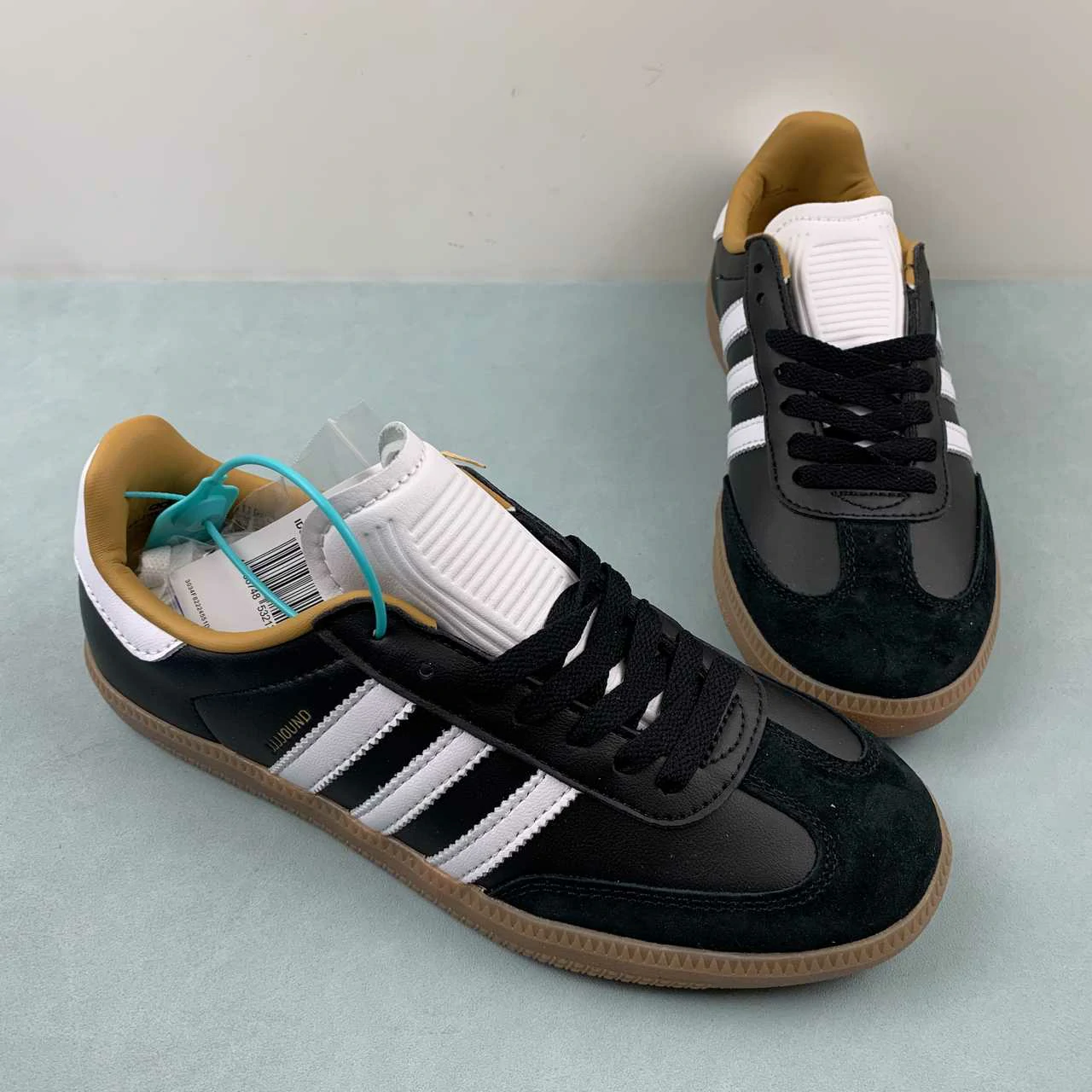
Start most customers true to size. The knit upper has some give, and the collar sits close to the ankle without biting. Wide-footed players and anyone with a high instep often go up a half size, and that is the single most common exchange reason on this model.
Two habits cut returns. Have customers try the shoe with the socks they actually golf in, since thin dress socks and cushioned athletic socks shift the fit by about half a size. Then point them to the official adidas size chart instead of converting from another brand.
Break-in is short. The knit softens within a round or two, and the foam midsole does not need time to settle. If someone reports heel slip straight out of the box, check the lacing first. The cage and eyelets on the adidas ultra boost golf respond well to a runner's loop, which locks the heel without cinching the midfoot.
Keep half sizes in stock from 8.5 through 11.5 if your budget allows. Customers who normally buy a 10 in a running shoe will ask for the same number here, so having the half sizes on hand converts the sale on the first visit.
Traction, weather, and where it actually works
The outsole is spikeless rubber with a pattern tuned for dry, firm conditions. Summer fairways and hardpan tee boxes are fine. Wet mornings, soft turf after rain, and courses with steep side slopes are where it gives up grip earlier than a spiked shoe.
Water resistance is the second limit. The upper carries a water-repellent finish rather than a full membrane, so it handles dew and a light drizzle and then stops. Do not let a customer walk out believing this is a rain shoe. Anyone who tees off before 8 a.m. in a wet climate is better served by a waterproof leather model.
In dry markets, that trade-off rarely comes up. Shops in Arizona, Southern California, and west Texas can sell this shoe on comfort alone and keep a waterproof model as the backup option for the two or three wet weeks a year.
Three questions decide the sale every time: how soft, how grippy, how dry. Use the table below as a quick reference when a customer is comparing two pairs on the bench.
| Shoe type | Cushioning | Traction | Wet weather | Typical buyer |
|---|---|---|---|---|
| Sneaker crossover (this model) | High, soft foam | Spikeless rubber, dry conditions | Dew and light rain only | Walkers, comfort-first customers |
| Leather spikeless | Moderate, firmer | Spikeless, more aggressive pattern | Waterproof versions common | Core golfers, early tee times |
| Spiked performance | Firm and stable | Replaceable spikes | Best on soft turf | Low handicaps, tournament play |
The conclusion for your staff is simple. A customer who walks and plays in dry weather gets an easy recommendation. A customer who plays in dew, rain, or on soft turf should be walked over to a waterproof leather or spiked model, even if it costs you this sale today.
Planning a size run without dead stock
Build the run around US 8 to 12, with half sizes from 8.5 to 11.5. The 9.5 to 10.5 range turns fastest in most US shops, while size 13 and above is special-order territory at this price point. Buy deep in the middle and shallow at the edges.
Colorways follow the same logic. White and navy-based makeups carry a season; bright or limited palettes need a smaller commitment and a markdown plan from day one. When you buy adidas ultra boost golf in bulk, negotiate the size curve and the color split in the same conversation, not after the PO is signed.
Ask your supplier three things before the order ships: the current suggested retail and MAP policy, the exchange or return terms on unsold unworn pairs, and whether the goods come through authorized distribution with intact tags and boxes. Grey-market pairs without a paper trail are harder to resell and harder to support at the counter.
Margin on crossover golf shoes usually lands in a moderate band, below apparel accessories and above deep-discount closeouts. Treat that as a range to test against your own landed cost, including freight, duties, and payment fees. Confirm duty treatment with a customs broker rather than assuming a rate from a previous season.
Pre-order checklist
- Confirm the current model year, upper material, and outsole spec in writing.
- Lock the size curve: half sizes 8.5 through 11.5, weighted to 9.5 through 10.5.
- Split colorways roughly 70/30 between core white or navy and one accent palette.
- Verify MAP policy and current suggested retail before you set your floor price.
- Get the return or exchange policy for unsold, unworn pairs in writing.
- Inspect box condition and tag integrity on any closeout or liquidation lot.
- Build a landed-cost sheet that includes freight, duties, and card processing fees.
- Check the official size chart and note any season-to-season changes in fit.
Questions shops ask most
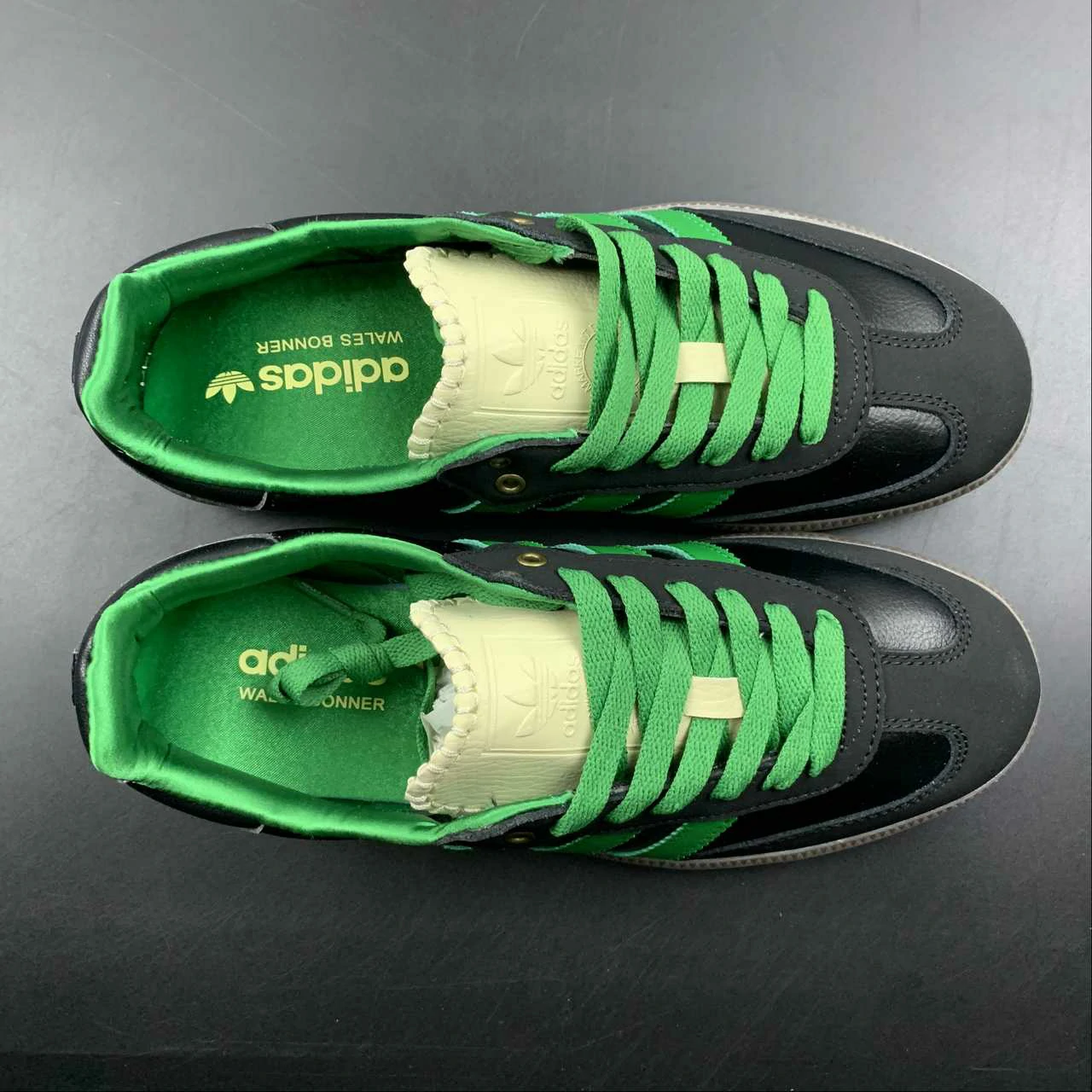
Does this model run true to size?
For most players, yes. The knit upper stretches a little and the length is close to standard. Wide feet and high insteps usually need a half size up. Have customers try the shoe with their golf socks and check the official adidas size chart, since fit can shift slightly between model years.
Can customers wear it off the course?
They do, and that is part of the appeal. The silhouette reads as a running shoe, so it works for travel, errands, and casual wear. Mention it at the counter, but keep the pitch on comfort and walking, not on style alone. Style claims invite returns when the colorway looks different in daylight.
Is it waterproof enough for morning dew?
The upper has a water-repellent finish, not a sealed membrane. It handles dew, damp grass, and a brief shower, then it wets through. If a customer regularly plays at sunrise or in a rainy region, pair the recommendation with a waterproof leather shoe instead of overselling this one.
Are spikeless shoes allowed at most US courses?
Most public, municipal, and resort courses accept spikeless soles, and many private clubs do as well. Policies vary by club, so advise customers to check the dress code before an away round. Keep a note of the local clubs that still require traditional spikes.
How should a small shop start with this shoe?
Begin with one or two core colorways and a tight size run, then reorder on sell-through rather than guessing. Two doors can usually test this model with a modest opening order. Ask for a reorder window and a ship date you can rely on before you commit.
Next step for your order
If you are building a spring or fall golf assortment, request a current price list, available size curve, and colorway breakdown from your supplier before you finalize quantities. Send your target numbers, your customer profile, and your floor space, and ask for a landed-cost estimate so the margin math is clear before the first pair ships.