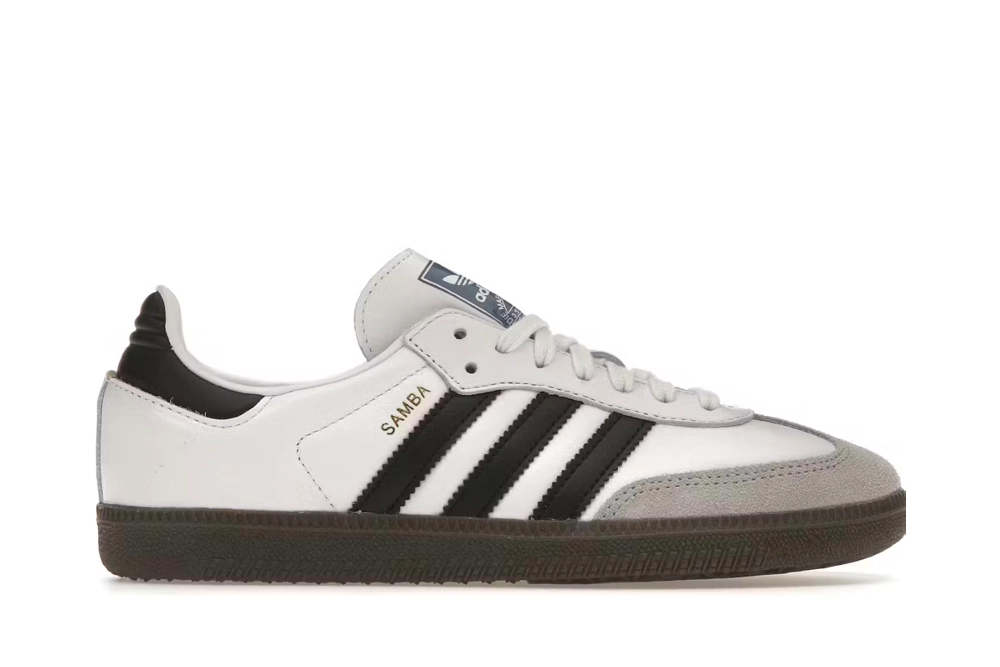
If you are pricing or stocking the addidas ultra Boost for a US shop, treat it as two products at once: a lifestyle shoe with real brand pull, and a performance runner that buyers age out of fast. It still moves, but the version, the box condition, and the size run decide whether a pair earns its shelf space. What follows is how a buying desk looks at the model before committing to a case pack.
Why the Model Still Earns Shelf Space
Boost foam is the reason. That pellet-based midsole is soft in a way most EVA foams are not, and customers remember how it feels underfoot after a long shift.
The buyer pool splits three ways: commuters who want a comfortable sneaker, workers who stand all day, and sneakerheads chasing 1.0 retro colorways. Each group shops differently, and each group returns for different reasons.
MSRP on core models has sat in the roughly $180 to $190 band in recent seasons, so discount expectations are baked in. Check current Adidas pricing before you build a margin model, because your spread depends on what you pay, not what you list.
Retired colorways give the shoe a long tail. Buyers who missed a drop will pay for a clean pair in their size, which is why version and condition research pays off more than chasing the newest release.
Version Differences That Change the Sale
Not every pair labeled Ultra Boost is the same shoe. Mixing generations inside one purchase order is how stores end up with stock that photographs well and sits for a year.
The addidas ultra boost line splits by generation and by build. A 1.0 retro is a lifestyle play. A 5 or a Light is a running play, with a different outsole and a lighter midsole underfoot.
| Version | Upper and Midsole | Who Buys It | Stocking Note |
|---|---|---|---|
| Ultra Boost 1.0 retro | Knit upper, full Boost midsole, Continental rubber outsole | Lifestyle buyers, sneakerheads, gift shoppers | Strongest brand recognition; check older stock for yellowing |
| Ultra Boost 5 / 5X | Woven textile upper, Light BOOST midsole | Runners and all-day walkers | Closer to true to size; confirm men's and women's runs |
| Ultra Boost Light | Lightweight knit, Light BOOST, thinner outsole | Warm-weather buyers, weight-conscious runners | Moves in white and grey; loud colors stall |
| Cold.RDY / Guard builds | Water-repellent upper, heavier construction | Winter commuters in northern states | Seasonal; do not carry past March |
Ask for the exact model number and a clear photo of the size tag on every lot. Suppliers who cannot produce that are guessing, and guessing gets expensive at case-pack quantities.
Sizing, Fit, and Where Returns Come From
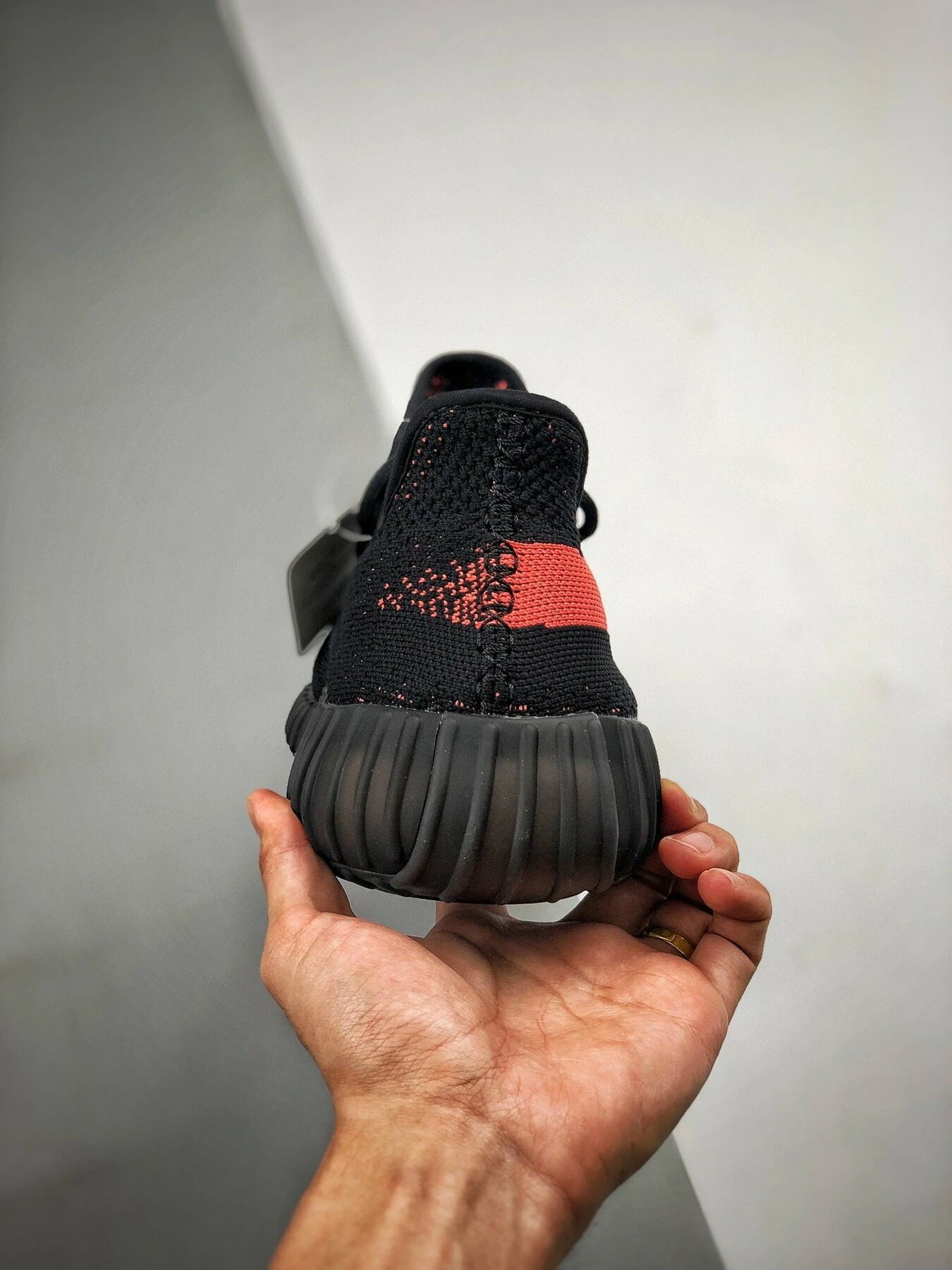
Most buyers take their normal US size, and that is the safest line to publish on a product page. Say it plainly instead of hedging, because vague sizing copy pushes shoppers to order two pairs and send one back.
Fit is where the addidas ultra boost costs retailers money. The knit upper has little structure through the midfoot, so wide-footed customers often need a half size up or a different model entirely.
Returns cluster at two points: wide feet and half sizes. If you carry a full run, protect the ends of the curve, roughly US men's 7 to 8 and 12 to 13, and keep the middle lean.
For women's conversions, use the official Adidas size chart rather than subtracting a fixed number. Women's-specific runs sit on a different last, and a rule of thumb that works on one model will fail on another.
Mention that break-in is minimal. The shoe feels soft on day one, so a customer who sizes up for extra room usually ends up with heel slip and a return label.
Authenticity and Condition Checks
Counterfeit Boost is common, and the copies have improved. The midsole is still the fastest tell: genuine Boost has a slightly irregular pellet texture and springs back under thumb pressure, while cheap versions feel dense or chalky.
Condition matters as much as authenticity on secondary-market lots. Yellowed midsoles and compressed foam do not recover, and one bad pair drags down the perceived value of the whole case.
- Check the size tag for font, spacing, and a model code that matches Adidas records.
- Press the midsole; genuine Boost rebounds, copies stay flat.
- Look for Continental branding and clean tread lines on the outsole.
- Compare stitch density at the heel counter, since fakes run loose.
- Weigh a pair against a known authentic pair in the same size.
- Match the box label to the shoe, and inspect the inner wrapping.
- Check for sole separation and glue smear along the midsole seam.
- Request daylight photos, not studio shots with heavy filtering.
- Pay a professional authenticator on high-value lots.
If a lot fails two or more of these checks, walk away. Another supplier is always available, and chargebacks cost more than the spread you were chasing.
What to Ask a Supplier Before You Commit
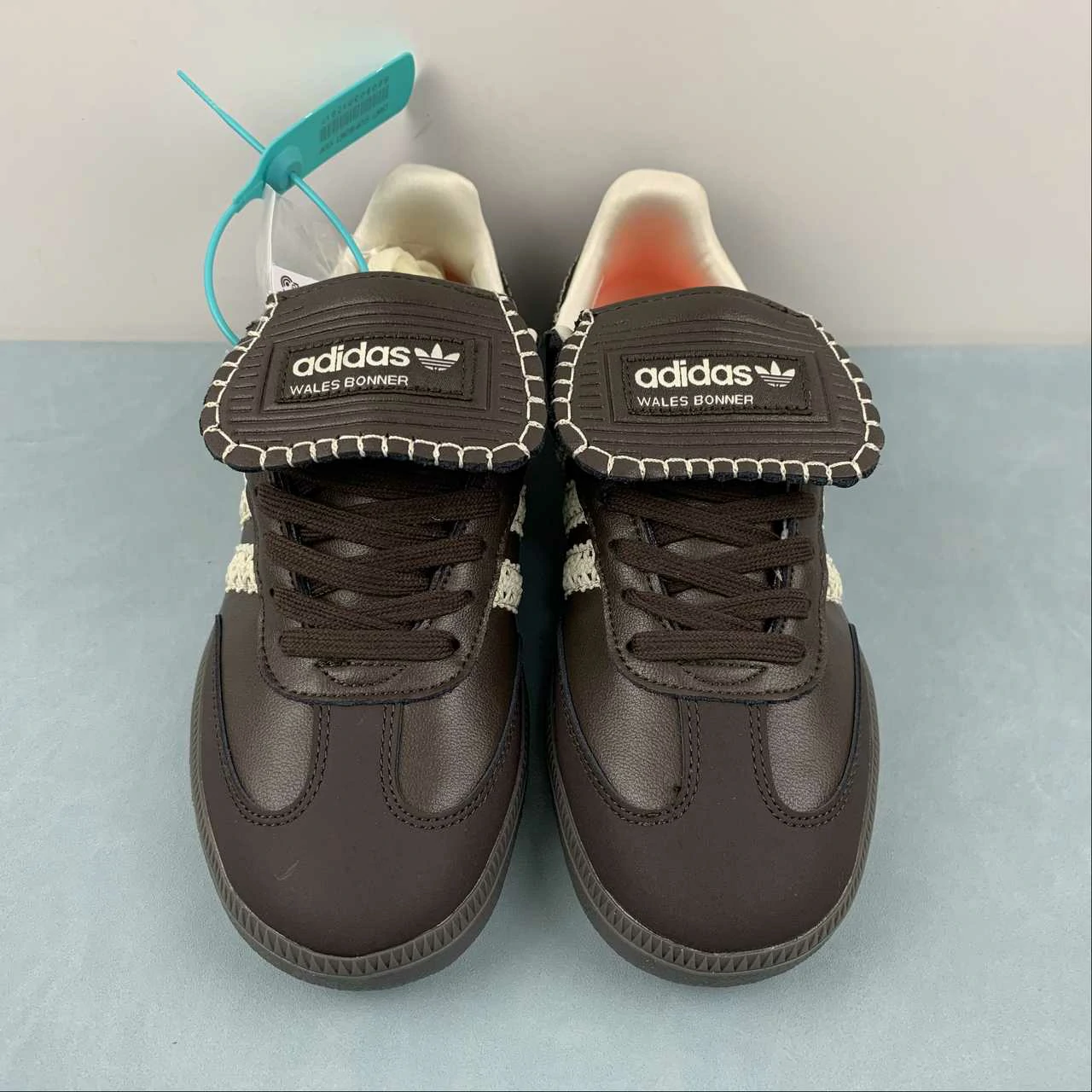
Start with the version and the size breakdown, not the price. A cheap lot with a broken size curve is a storage problem with a payment attached to it.
When you request pricing on the addidas ultra boost, ask for tier breaks by quantity, the men's and women's split, and whether the boxes are original. Original boxes matter for resale listings and for gift-driven buyers.
Minimums on branded sneakers commonly range from a few dozen pairs per style up to full pallets, depending on the channel. Treat any number you hear as a starting point and get it confirmed in writing, along with the per-size requirements.
Payment terms deserve the same scrutiny. Practice varies from deposit plus balance to net terms for established accounts, and asking for two US retailer references is normal, not rude.
Duties, sales tax, and state-level rules are not questions a supplier should answer for you. Run landed cost with a licensed customs broker before the first shipment, and budget for the possibility that the classification is not what you assumed.
One listing detail worth fixing early: plenty of shoppers type the misspelled form of the brand name into search bars. Adidas spells it with one d, so put the correct spelling in your product title and keep the common misspelling in your internal search tags.
Common Buyer Questions
Is the addidas ultra boost true to size?
For most people, yes. The knit upper is forgiving across the top of the foot but narrow through the midfoot, so wide-footed buyers usually go a half size up or pick a different model. Check the official Adidas size chart and measure both feet, because most returns come from customers guessing.
Do Ultra Boost hold resale value?
Core colorways do not. They are produced in volume and discounting is routine. Value sits in older 1.0 retros, limited collaborations, and clean pairs in uncommon sizes. Treat the model as a steady seller rather than a speculation play, and price it to turn.
Which version should a small store stock first?
Start with a core Ultra Boost 5 or Light in black, white, and grey across a full men's run. Add one lifestyle 1.0 if customers ask for it. Loud colorways and seasonal builds such as Cold.RDY are add-ons, never anchors.
Can I mix sizes and colors in one wholesale order?
Often yes, but terms vary by supplier and by whether you are buying closeouts or current-season stock. Some require a minimum per size or per colorway. Get the breakdown in writing before you pay a deposit, and confirm what happens if a size sells out mid-order.
If you are assembling a purchase order and want a second opinion on the version mix and size curve, send your target quantities and budget range. We will come back with availability, tier pricing, and a suggested split by size so you can compare offers side by side before anything ships.