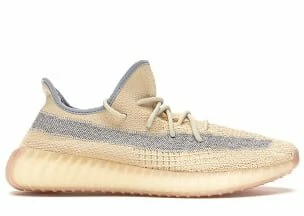
Short answer: running adidas ultraboost still sells, but it does not sell the way it did five years ago. The name now covers several distinct shoes with different midsoles, different fits, and different buyers, and treating them as one SKU is how shops end up with dead stock in odd sizes. Below is how the current models differ, where fit goes wrong, and how to decide depth by size instead of by colorway.
What the Line Actually Contains
The line used to be simple. One Ultraboost, refreshed each year, with a generation number attached. adidas has since split it into a retro strand and a performance strand, and the two behave very differently once they are on a shelf. A retro 1.0 sells on nostalgia and colorway. A current performance Model sells on comfort and fit.
Performance models now run on Light BOOST, the lighter foam that came in with the Ultraboost Light and carried over to the Ultraboost 5. The 5X sits beside it with a taller, softer stack for buyers who want cushioning more than pace. Older generations such as the Ultraboost 22 and the DNA variants still turn up in closeout channels, which is workable for price-led displays but awkward for staff who have to explain why two similar-looking shoes fit differently.
| Model | Midsole | Upper | Typical buyer | Stock note |
|---|---|---|---|---|
| Ultraboost 1.0 retro | Standard BOOST | Primeknit with midfoot cage | Lifestyle and repeat buyers | Shallow depth, wider colorway range |
| Ultraboost Light | Light BOOST | Primeknit | Comfort walkers, easy-day runners | Core colors, full size run |
| Ultraboost 5 | Light BOOST | Knit, slightly roomier forefoot | Daily trainers, first-time buyers | Anchor model, hold depth in US 8-11 |
| Ultraboost 5X | Light BOOST, taller stack | Knit with more volume | Lifestyle and wide-foot casual | Fit-test before committing to depth |
Read that table as an assortment map, not a ranking. One anchor model, one value model, one retro story, and one volume-cushion option is usually enough for a shop under 2,000 square feet. Anything beyond that splits the same customer four ways.
Positioning matters as much as the spec sheet. A shop that sets the retro 1.0 directly beside the 5 invites a comparison the newer shoe wins on comfort and loses on story, and the customer walks out confused rather than decided.
Who Buys It, and Who Does Not
Two customers pick up running adidas Ultraboost. The first is a comfort buyer, often replacing a walking shoe or a worn-out cross-trainer, who cares about step-in softness and brand recognition and will pay full price for a color they like. The second is a runner cross-shopping a daily trainer against lighter, cheaper options.
The comfort buyer is the one who keeps the model alive in a general footwear store. They buy repeat pairs, they rarely chase technical specs, and they respond well to a proper try-on with the socks they actually wear. The runner is harder: they compare stack height, weight, and price against everything else on the wall, and many of them leave with a different shoe.
That split should drive your depth. Buy for the comfort buyer first, then keep a small performance-facing presence so the wall still looks credible to runners who walk in.
Discounting tells you which customer you actually stocked for. If most of the run moves on markdown, you probably bought too much depth for the runner and too little for the casual buyer who wanted a black pair in her size.
Sizing and Fit: Where Returns Come From
Most customers take their normal US size in the current performance models, but the fit is snug through the midfoot and the knit upper does not open up much in the first week. Wide-footed buyers often need a half size up, and some are better served by the roomier 5X or by a different model entirely.
Do not guess on width. Have staff measure on a Brannock device, compare the result against the official adidas size chart, and say plainly when a shoe is the wrong shape for a foot. A short honest conversation costs one sale and prevents three returns.
A practical habit for any shop selling running adidas Ultraboost is to keep one broken-in demo pair per generation behind the counter. Customers who feel the difference between a fresh pair and a worn-in pair stop asking whether the shoe will stretch.
Return policy matters here too. If you sell online, publish a fit note for each model and a clear exchange window, because fit complaints are the most common reason these shoes come back.
Materials and Wear Over a Season
BOOST midsoles hold their shape well. The failure mode is cosmetic: white Boost yellows under UV, and a pair that sat in a sunny window for two months looks older than it is. Rotate display pairs and keep spares boxed in the back.
The Continental rubber outsole is one of the more durable parts of the shoe, so worn-out soles are rarely the reason a customer replaces a pair. The knit upper is where you see age first, with pilling around the collar and creasing across the toe box.
Care advice sells shoes. Suggest a soft brush, cold water, and air drying away from direct heat, and skip the washing machine, which distorts the knit and speeds up yellowing on white foam.
When you take trade-ins or buy closeout lots, check the collar and the toe box before anything else. Foam that has been compressed in storage for years is harder to spot than a scuffed upper.
A Pre-Season Stocking Checklist
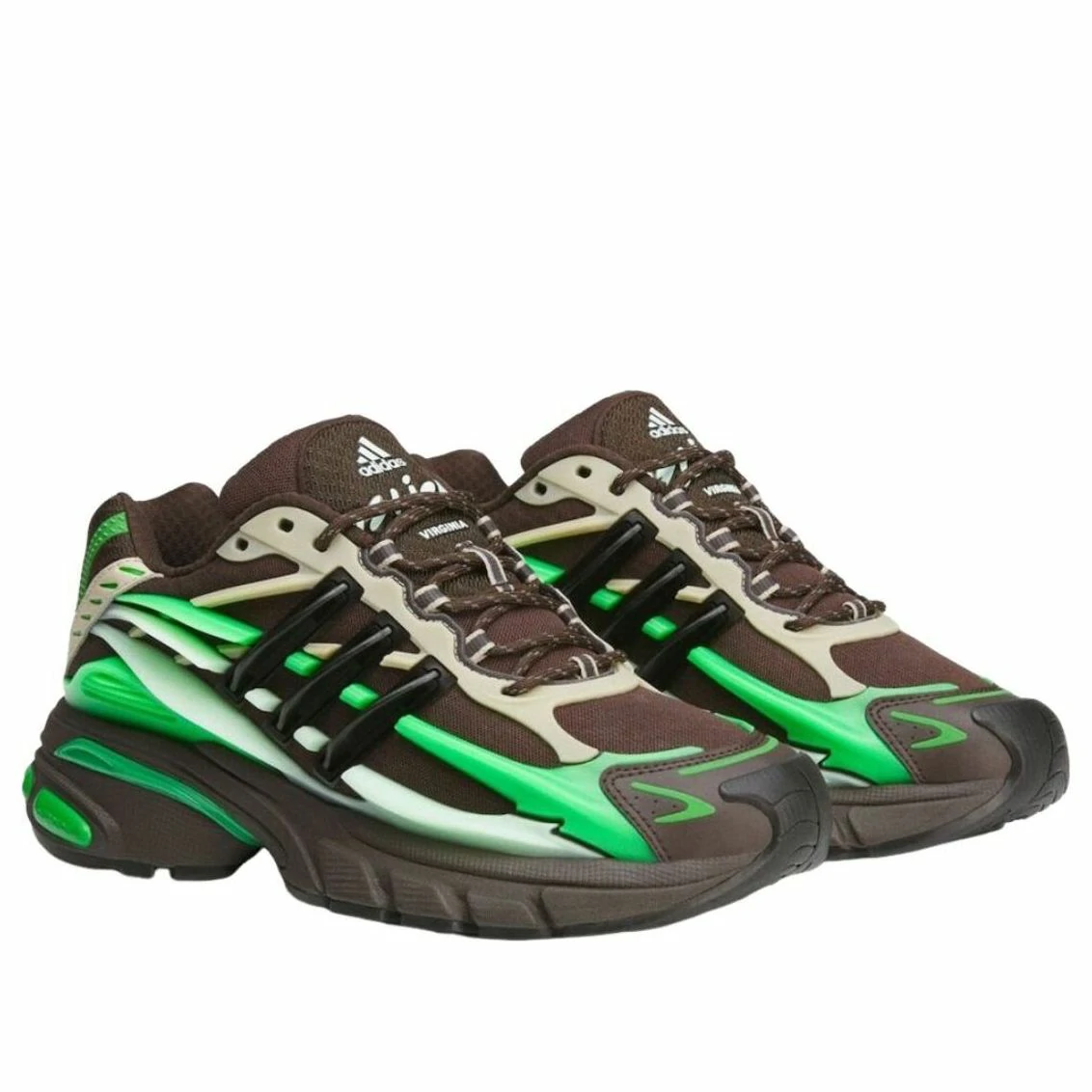
Order decisions get easier when you separate what to buy from how much to buy. Before you commit a large order of running adidas Ultraboost to a single colorway, work through this list.
- Assign each model a job: anchor, value, retro story, or volume cushion.
- Confirm the exact generation and colorway code, since older stock still circulates.
- Build the size run around your own sell-through, not a supplier's suggested pack.
- Hold full depth in a core black or grey and shallow depth in seasonal colors.
- Request a fit sample in the widest size you stock before placing depth.
- Get the supplier's returns policy on fit-related returns in writing.
- Check that your cost leaves room for a full-price margin and a later markdown.
That last point deserves a number on paper. Footwear keystone math, roughly doubling cost to reach retail, is a common starting point, but confirm it against your own invoices and your supplier's terms rather than a rule of thumb. Margins vary by channel, and grey-market pricing can look attractive until returns and authenticity questions land on your counter.
Questions Buyers Ask Before Ordering
Is the Ultraboost 5 or the Ultraboost Light the better anchor model?
Both sit on Light BOOST and fit is close between them, so the choice usually comes down to marketing support and reliable replenishment in your size run. The 5 carries the current naming and tends to get more visibility, while the Light often works as the value option beside it. An anchor you cannot restock is not an anchor.
How deep should a small shop go on size runs?
Go full depth in one core colorway and keep seasonal colors to two or three sizes per style. Mid-run sizes, roughly US men's 8 to 11, carry most of the volume, with the extremes bought shallow. Review sell-through after six weeks and move slow sizes to your online listing before they age.
Why do customers say the shoe feels tight at first?
The knit upper is built to hold the midfoot, so the first wear feels closer than a mesh trainer. It loosens slightly, not dramatically. Tell customers to try the shoe with the socks they actually walk or run in, and to size up rather than expect a big break-in.
Is closeout stock of older generations worth buying?
Sometimes, if the price leaves room for a markdown and the uppers are clean. Check production dates, inspect the collar and toe box, and assume no warranty support. Older pairs sell well in price-led displays but confuse customers who expect every Ultraboost to fit the same.
How do I handle fit returns without eating the margin?
Track which models and sizes come back, then adjust the next order instead of the price. A published fit note, an accurate size chart, and a firm exchange window cut most of the problem. Repeat returns on one size usually mean your size run is skewed, not that the shoe is faulty.
If running adidas Ultraboost is going into your next buy, send us your size run and target retail and we will come back with available models, colorways, and current terms. Confirm pricing, lead times, and availability with your supplier before you commit, since stock on this line moves quickly.