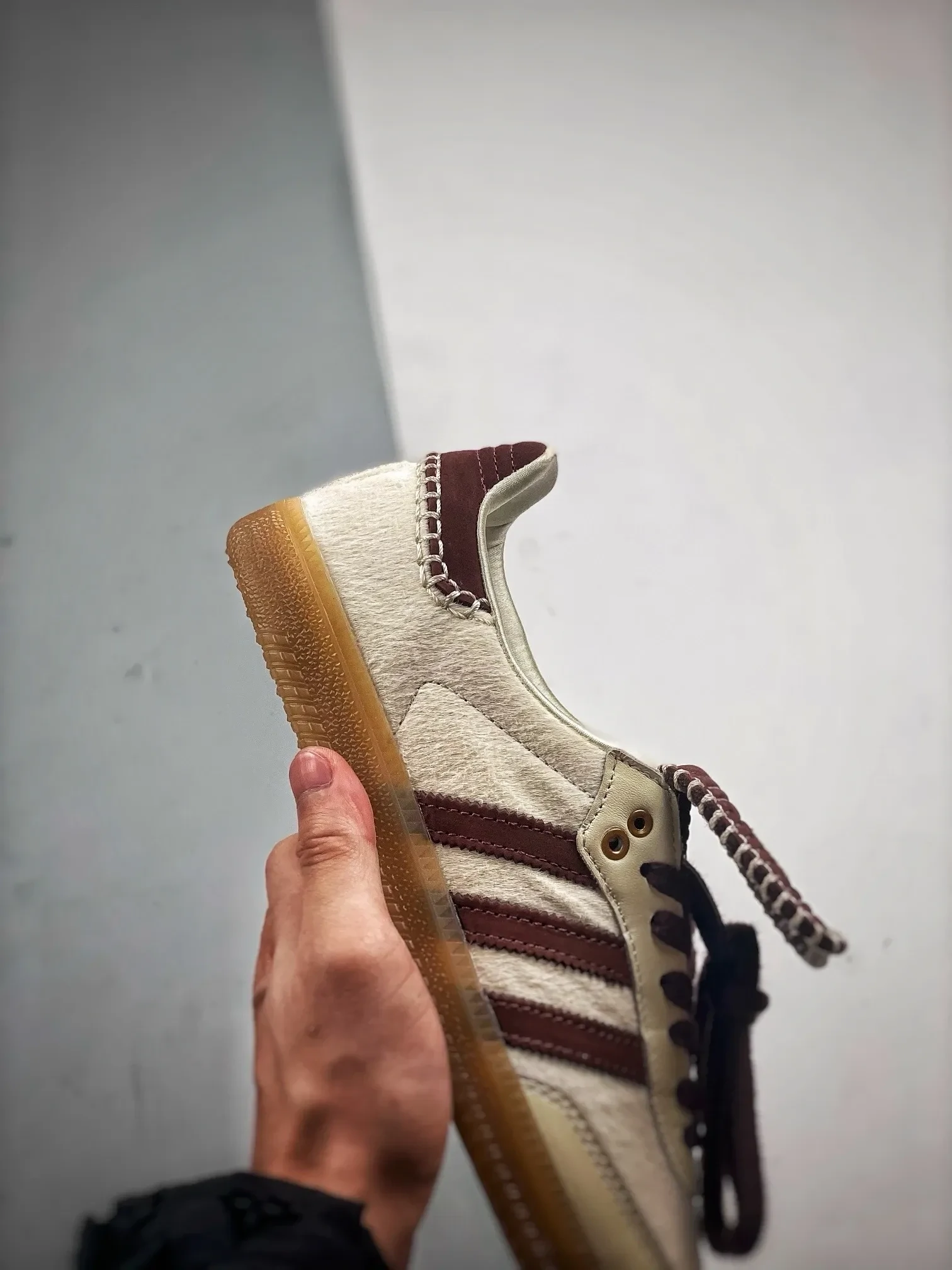
The ultraboost 1.0 is still the easiest Boost shoe to sell, and it earns that spot on comfort and recognition rather than on specs. This adidas men's ultraboost 1.0 Shoes review is written for shop owners and online sellers who need the fit facts, the return risks, and a buying plan they can act on.
The Shoe Behind the Hype
A low-top runner that turned into a lifestyle shoe, the UltraBoost 1.0 pairs a sock-like Primeknit upper with a full-length Boost midsole, a plastic Torsion shank under the arch, and a Stretchweb outsole with Continental rubber. The midfoot cage and three stripes are the parts a customer spots from across the Store.
Adidas has reissued the 1.0 shape more than once, so it often sits next to 4.0 and 5.0 retros on the same wall. Buyers who missed the 2015 original make up most of the demand. They are not comparing spec sheets. They are buying a silhouette they remember.
Who Actually Buys It
The first group is comfort-driven professionals who are on their feet all day and already own a pair. They replace what wore out, usually in the same colorway, and they need very little selling.
Next are sneaker buyers in their late 20s to 40s who want a clean low-top that works with denim. Core black, white, and grey move steadily. Bright seasonal colorways sit longer unless you mark them down.
Third are runners buying it as a casual shoe. Few people race in a 1.0 today, and you should not pitch it for that. Sell the all-day cushioning, not the performance claims.
Specs vs. What Customers Feel
You can find an adidas men's ultraboost 1.0 shoes review on almost every sneaker site, and most of them repeat the same three talking points. The table below translates those specs into what shows up at the counter and in return requests.
| Component | What it is | How customers react | What it means for your shelf |
|---|---|---|---|
| Primeknit upper | Sock-like knit with few overlays | Snug at first, loosens after a week or two | Expect "runs small" comments from first-time buyers |
| Boost midsole | Full-length TPU pellet foam | Soft under the heel, flattens with daily wear | Set lifespan expectations before the sale |
| Midfoot cage | Plastic three-stripe overlay | Can press on a high instep | Flag it for customers with tall arches |
| Continental outsole | Stretchweb tread with rubber segments | Grippy on dry pavement, heel edges wear first | Check the wear pattern on any return |
The knit is the biggest variable. Primeknit feels tight out of the box and relaxes after a week or two of wear, so a pair that feels snug in the store is usually right. Shoppers who panic at the first try-on often come back for a half size up they did not need.
Boost is why people pay the premium, and it is also the source of some complaints. The foam feels soft and deep under the heel, then flattens over months of daily wear. Say that out loud before the sale and you avoid the "they went flat" review later.
Sizing and Fit: The Return Math

Sizing drives most returns on this model. The 1.0 knit gives less than the 4.0, and the cage sits closer to the foot, so many shoppers who wear a 10 in newer UltraBoosts are happier in a 10.5 here. Wide feet often need a full half size up. Narrow feet usually stay true to size.
Stock the middle of the run first. Men's US 8 through 11 in half sizes carries most of the volume, and 9.5 and 10.5 turn fastest. Extremes are where dead stock hides.
- What size do you wear in the UltraBoost 4.0 or 5.0?
- Do you have wide feet or a high instep?
- Will these be worn all day or for short errands?
- Are you replacing a pair that went flat, and how long did it take?
Your own return data is worth more than any adidas men's ultraboost 1.0 shoes review you read online, so log fit complaints by size and reorder accordingly. Two sentences in your product description can cut a lot of them: state that the 1.0 fits snugger than the 4.0, and offer exchanges instead of refunds.
Spotting Replicas Before They Reach the Shelf
Replica UltraBoosts are common, and the 1.0 is one of the most copied shapes in the line. Start with the foam. Genuine Boost pellets look like small fused popcorn pieces, feel slightly tacky, and compress under a fingernail before springing back. Fake foam usually looks smoother, closer to molded EVA, and recovers slowly.
Then check structure. The heel counter should be firm and symmetrical, the Torsion plate should flex without creaking, and the Continental logo on the outsole should be crisp and correctly placed. Cage stitching should be even, and the size tag inside the heel should match the box label.
If a price is far below everyone else's, ask why before you ask for a discount.
No single check proves a pair is genuine. Keep a reference pair you trust, compare tags and stitch density side by side, and send anything questionable to a professional authentication service before it goes on the shelf.
Sourcing, MOQ, and Margin
Authorized adidas accounts come with warranty support and predictable allocations, but opening terms and minimums are real obstacles for a small shop. Distributors and closeout sellers are easier to start with, though colorway choice is narrow and paperwork quality varies. Liquidation pallets are the cheapest per pair and the riskiest, because condition and authenticity are hard to verify before the pallet ships.
Ask every supplier for a written price list, the MOQ per colorway, and their policy on defective pairs. Numbers move with channel, season, and volume, so treat any figure you hear as a starting point and confirm it in writing. Shops that get burned usually skipped that step.
- Request the size breakdown, not just the total unit count.
- Ask which colorways are core stock and which are closeout.
- Get the return window and defect policy in writing.
- Order a small sample before committing to a full run.
Margin math follows the same structure in every channel: landed cost, outbound shipping, payment fees, and returns. A 1.0 at full retail leaves room to absorb a return or two. A marked-down seasonal pair often does not once shipping both ways is counted. Order core colorways deeper and test seasonal pairs in small runs. Duties and import paperwork vary by entry type, so confirm details with your customs broker rather than relying on a forum post.
Questions Buyers Ask Most
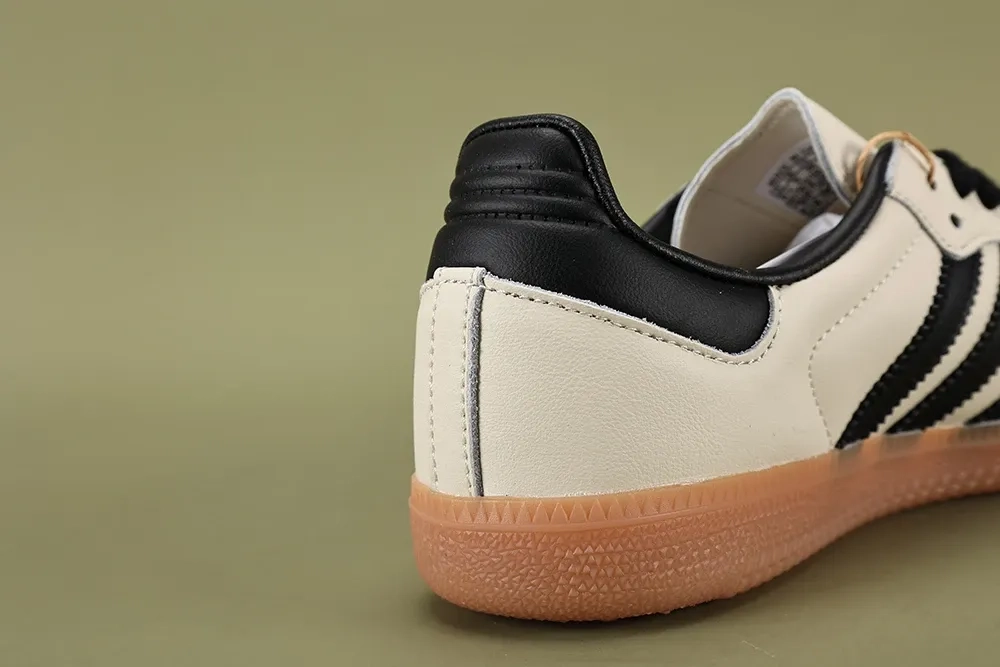
Do the UltraBoost 1.0 run true to size?
Most men go true to size, but the 1.0 fits snugger than the 4.0 and 5.0. If a customer wears a 10 in newer UltraBoosts, suggest trying a 10.5 first. Wide feet and high insteps usually need the half size up. Check the current Adidas size chart, since sizing can shift between reissues.
How long does the Boost midsole last?
A rough range most shops hear is 8 to 14 months of daily wear before rebound drops noticeably, depending on weight and rotation. The foam compresses rather than cracks. Tell buyers who want the cushioning to stay lively to rotate pairs instead of wearing one daily.
Are the retro releases the same as the 2015 original?
A fair adidas men's ultraboost 1.0 shoes review should always note the release year, because materials, outsole rubber, and small shape details change between reissues, and box labeling differs too. Compare the pair in hand against a known-authentic pair rather than a stock photo from a retail site.
Are they a good choice for wide feet?
They can work, but the 1.0 is not the roomiest option in the line. Most wide-footed buyers go a half size up, and some prefer the 4.0 or 5.0 for a wider forefoot. If a customer has a very wide foot or a high instep, be honest and show an alternative instead of forcing the sale.
Do they hold up for actual running?
They are fine for light jogging and gym days, not for high mileage. The knit upper and soft foam favor comfort over stability, and the shoe is heavier than current daily trainers. Position it as a lifestyle shoe that can handle a treadmill session, not as a training staple.
Planning an order? Send your size run, colorway targets, and delivery window, and our sourcing team will come back with availability, MOQ, and a current price list. Use the adidas men's ultraboost 1.0 shoes review above as your checklist so every question gets answered before you commit to a deposit.