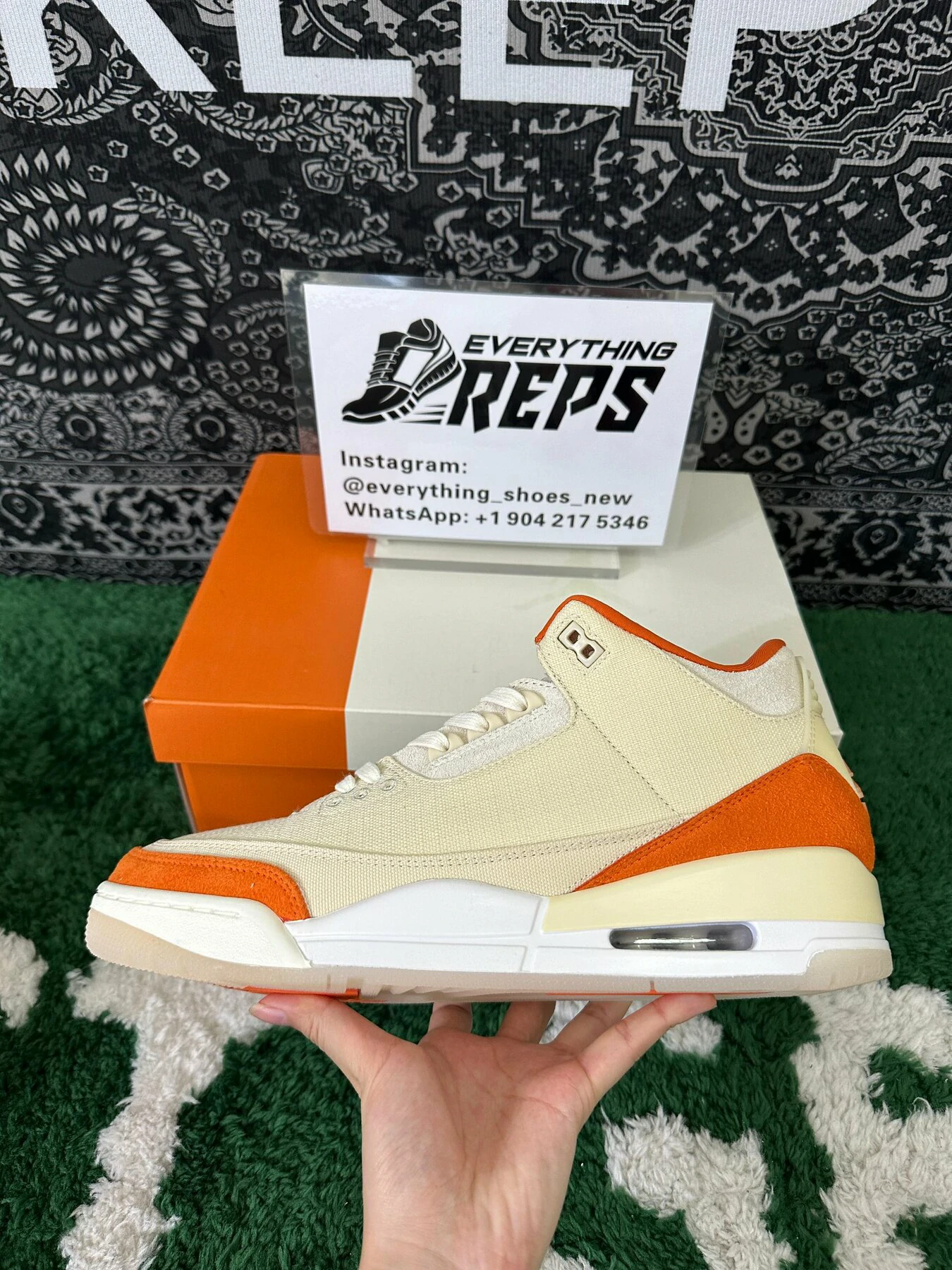
Retailers keep asking which blue and white air jordans are worth shelf space, and the short answer is that only a handful of them carry the category. University Blue, Military Blue, True Blue, and Legend Blue do most of the work in US stores, online and off. The rest are either too niche for a small buy or too easy to sit in the back room for a season.
What follows is a buyer's view of that color story: which silhouettes move, how they fit, what to check before you wire money to a supplier, and where the margin usually sits. It is written for Shops that buy in cases and size runs, not for someone hunting a single pair.
Which Models Deserve the Shelf Space
When customers ask for blue and white air jordans, they almost always mean one of five silhouettes. Each one sells to a different buyer, and that difference matters more than the shade of blue on the box.
The Air Jordan 1 High in University Blue is the anchor of the group. It reads as a Carolina shoe without being an official team release, which is why it pulls both college-age buyers and older collectors. The low version does the same job at a lower ticket and turns faster in warm months.
Air Jordan 3 True Blue is the sleeper for stores with an older customer base. White leather, elephant print, and a restrained amount of blue make it look clean on a display wall. Air Jordan 4 Military Blue and the University Blue AJ4 cover the modern side of the same demand, though the suede pair needs more handling care on the floor.
| Model | Blue tone | Best buyer | Stocking note |
|---|---|---|---|
| Air Jordan 1 High, University Blue | Soft Carolina blue | College-age and collector | Deep size run first, restock the middle sizes |
| Air Jordan 1 Low, University Blue | Same tone, lighter build | Warm-weather walk-in traffic | Fast turns, reorder often, thin the extremes |
| Air Jordan 3, True Blue | Deeper royal accents | 30+ buyer, gift purchases | Holds full price longer than the AJ1 |
| Air Jordan 4, Military Blue | Muted, navy-leaning blue | Streetwear customer | Snug toe box, expect half-size-up requests |
| Air Jordan 11 Low, Legend Blue | Icy pale blue | Event and formal wear | Seasonal spike, buy close to the date |
One more name to know: Air Jordan 11 Low in Legend Blue. It is the dressiest option of the group and the one most likely to sell at full ticket around prom and graduation season. Keep that run narrow and deep rather than broad.
Fit, Materials, and Return Risk
Sizing on the Air Jordan 1 runs true to size, with a slightly roomy toe box that helps customers with wide feet. The Air Jordan 3 is roomy as well. The Air Jordan 4 is the one that generates returns, because the toe box is snug and the support wings can pinch, so many buyers go up a half size.
Patent leather on the Air Jordan 11 Low fits true to size but takes a few wears to soften across the vamp. Hand every customer the brand's official size chart rather than guessing, and post a men's-to-women's conversion note if you sell both on the same wall.
Materials That Age Badly
White leather cleans up. White suede does not. University Blue AJ4 pairs use suede panels that show water marks and denim transfer, which means more complaints at the counter and more markdowns at the end of the season. If your staff cannot demo a care product on the spot, buy the leather pairs first.
Yellowing is the other risk with a white-based shoe. Foam midsoles and clear outsoles will shift color under sunlight, so rotate display pairs weekly and keep backstock boxed in a dark, dry room. Care advice for blue and white air jordans is mostly about water, heat, and sun, and a two-minute talk at checkout prevents most complaints.
Authentication Checks Before You Pay
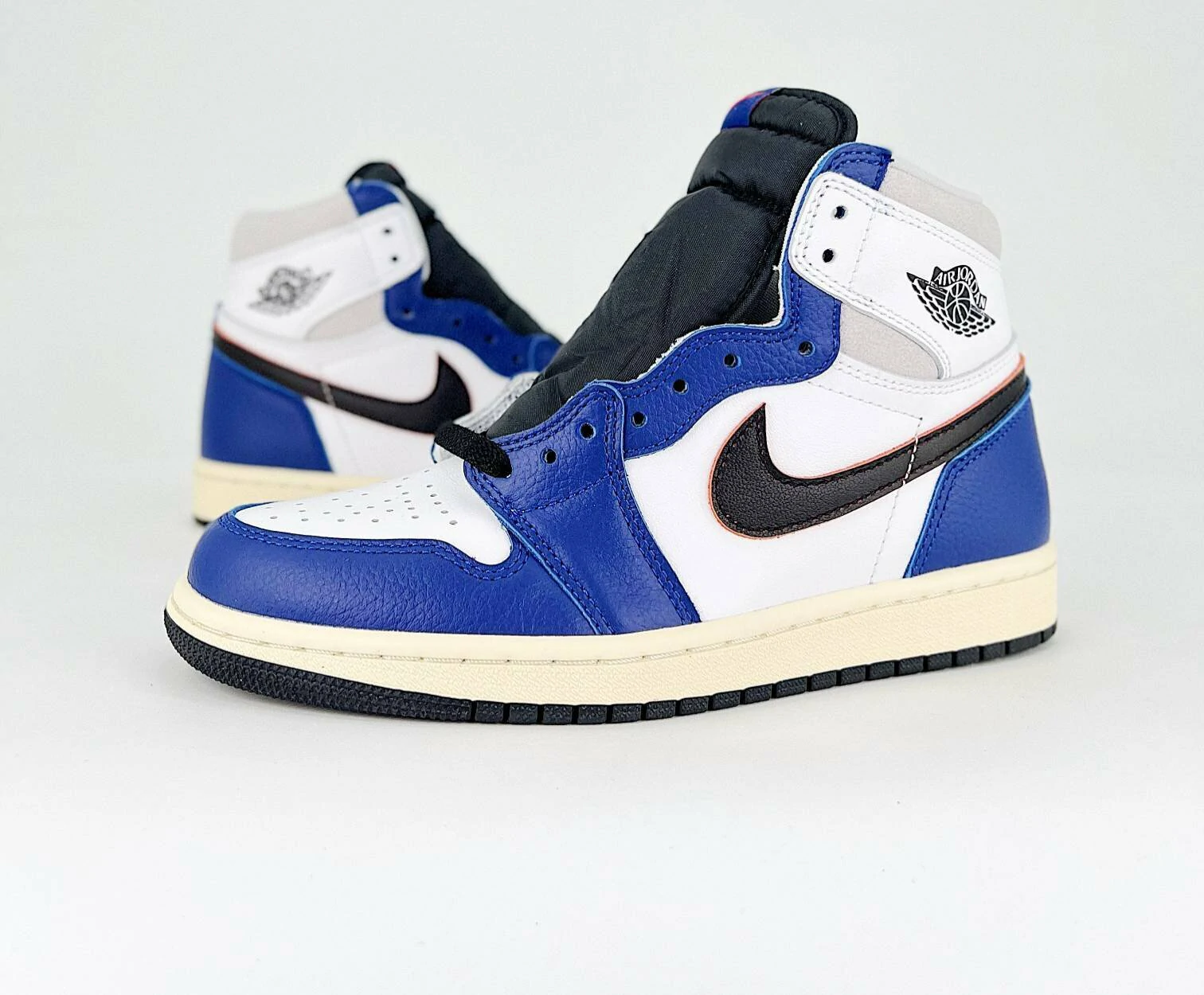
Blue and white is one of the most copied color stories on the market, so the checks matter more than the price you were quoted. Run the same routine on every pair and on every new supplier you test.
- Compare the tongue tag font, spacing, and stitching against a pair you already own.
- Check midsole paint for overspray, wavy edges, and uneven coverage near the toe.
- Read the box label: font weight, size numbering, and factory code should match the pair inside.
- Run a UV light over the box and hangtag for glue burns and paper that glows.
- Ask for tagged photos with the current date, plus a short video of the size tag and heel stitching.
- Price the deal against the market. A quote far under everyone else is the oldest warning sign there is.
If a supplier refuses tagged photos, dodges questions about the size run, or pushes for a wire transfer before inspection, walk away. A paid authentication service is cheap insurance on any order you cannot inspect in person.
Pricing, MOQ, and Margin Logic
Price talk gets fuzzy fast, so treat any figure you hear as a starting point. Wholesale tiers for retro Jordan colorways commonly sit below retail by a spread that depends on the colorway, the size run, and whether the pairs arrive deadstock with original boxes. Confirm every number in writing with your supplier before you commit.
Minimum order quantities follow a similar pattern. Distributors often ask for a few dozen pairs per style, while larger importers may want a few hundred across a mixed order. Those ranges are for reference only, so check them against your own cash flow and ask about broken-size restocks instead of chasing the lowest unit price.
Sell-through speed decides whether blue and white air jordans earn their shelf space. A pair that clears in six weeks at a 30 percent margin beats a pair that sits for a full season at 50 percent. Track each size separately and reorder the sizes that actually leave the shelf.
Cash tied up in slow sizes is the most common mistake small shops make on this color story. Buy the middle of the run deeper, test the extremes with a couple of pairs, and let the sell-through data write your next order.
Common Questions from Buyers
Do these pairs run true to size?
Most Air Jordan 1, 3, and 11 retros fit true to size for the average foot. The Air Jordan 4 runs snug through the toe and is the usual candidate for a half size up, especially for wide feet. Always point customers to the official brand size chart before they order online.
Are University Blue pairs still selling?
Yes, though the pace has cooled from the first wave. The color reads clean in photos, matches a wide range of outfits, and works for both men's and women's size runs, which keeps steady demand. Expect full price early in a season and modest discounting once the run gets deep.
How many pairs should a small store buy?
Start with a narrow, deep run: the middle sizes in quantity, the extremes in ones and twos. Restock what sells within two weeks. This keeps cash free and tells you quickly whether the colorway has legs in your specific market.
What is the difference between Military Blue and University Blue?
Military Blue is a muted, navy-leaning shade usually paired with off-white or neutral accents, which gives it a workwear feel. University Blue is brighter and closer to a Carolina tone. Stock both if your customer base splits between streetwear and campus traffic.
Can I mix sizes in one wholesale order?
Most suppliers allow mixed size runs above a minimum quantity per style, but the terms vary widely. Ask for a written size breakdown, confirm whether broken runs carry a surcharge, and get the restock window in writing before you pay a deposit.
Building a blue and white buy for the coming season? Send your target size run, retail price points, and delivery window, and we will come back with availability, tiered pricing, and a mixed-order breakdown you can take to your bank or your business partner.