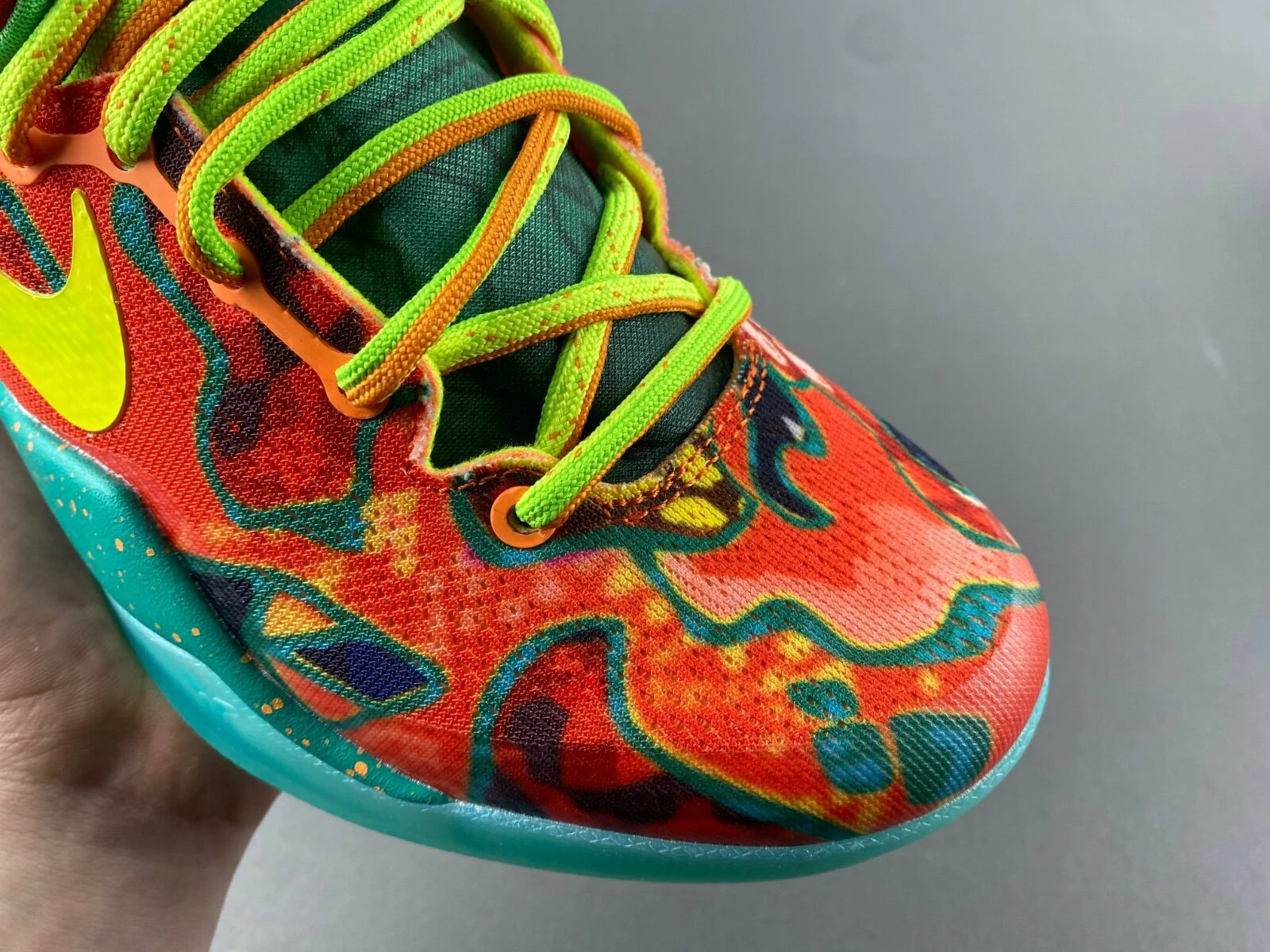
The Nike Dunk Low white neutral Grey is a general-release Dunk built on a white leather base with neutral grey overlays, and it is one of the easier Dunk colorways to sell to a broad customer base. It is not a hype pair. What it is, is a quiet, wearable shoe that moves at full price and holds up in photos, which is exactly what most Independent Shops need. This Guide covers what the shoe actually is, who walks in asking for it, how the size run behaves, and what to check before you commit to a bulk order.
What This Colorway Actually Is
Strip it down and you have a low-top Dunk with a white leather base, grey overlays, a white midsole, and a low-contrast look that photographs well on a wall shelf and in a product listing. Most pairs of the Nike Dunk Low White Neutral Grey follow that formula, though the material mix has shifted between leather, suede, and nubuck across releases, so check the specific style code rather than assuming.
Where it sits in the lineup matters more than the color description. This is a general release, not a collaboration, which means allocation is easier to secure and resale premiums stay thin. That is good news for a shop chasing steady turnover and bad news for anyone planning to flip pairs at double retail.
Outsole color is the one detail that changes between drops. Some versions ship with a grey outsole, others with white. Pull the actual SKU photos before you build a product page or write a description you have to walk back later.
Who Actually Walks In Asking for It
Three groups drive most of the demand. Parents buying a first decent sneaker for a teenager, adults in their late twenties and thirties who want one clean white shoe that works with everything, and women shopping the men's run or the grade-school run for a lower price point. None of them are chasing hype. They want something that looks tidy and does not scuff visibly on day one.
Neutral grey does real work here. A pure white Dunk shows every mark from the try-on, and a grey overlay absorbs the light scuffing that happens in a stockroom or a crowded fitting area. That lowers your return rate, which matters more at this price point than the extra few points of markup you might earn on a louder colorway.
Repeat business is the other signal worth watching. A neutral pair sells to the same customer twice, once for themselves and once as a gift, and that is the pattern that justifies keeping it in the main display instead of the clearance rack.
Sizing, Fit, and What Drives Returns
Dunk Lows generally run true to size in length, and most customers take their usual Nike size without trouble. Width is where the complaints come from. Anyone with a wide forefoot often wants a half size up, and customers used to a roomier running shoe will find the Dunk snug across the midfoot until the leather softens.
Because the Nike Dunk Low White Neutral Grey appeals to such a wide age range, the size curve is broader than a hype pair's. Skipping grade-school sizes to keep an order simple usually costs more in lost sales than it saves in inventory risk.
| Size segment | Typical demand | Stocking note |
|---|---|---|
| Men's 7 to 9 | Steady and broad | Carry full and half sizes; these clear first |
| Men's 9.5 to 11 | Highest volume | Do not under-buy half sizes in this band |
| Men's 11.5 to 13 | Thinner but reliable | Two to three pairs per size is usually enough |
| Grade school 3.5Y to 7Y | Strong for teens and gifts | Often the fastest sell-through in neutral colors |
| Women's 5 to 8.5 | Growing share | Cross-list the same pairs against both size charts |
Use that table as planning guidance only and confirm half-size availability, plus the conversion you quote to customers, against the official size chart for the exact SKU you buy.
Creasing is the other return trigger. The toe box creases quickly on leather Dunks, and first-time buyers sometimes read that as a defect. A short line at checkout, or a note on the product page, prevents most of those conversations before they start.
Before You Commit to a Bulk Order
Wholesale offers on Dunks vary enormously in the quality of the paperwork and the quality of the product. The unit price is the least interesting number on the sheet. What you want is a supplier who answers specific questions in writing before any money moves.
- Ask for the size-run breakdown, not just the total pair count. A 24-pair lot weighted to size 13 is a different product from one weighted to sizes 9 through 11.
- Confirm the style code and compare photos against the official listing, including the heel tab, tongue label, and stitching around the swoosh.
- Ask whether pairs are retail-ready: original box, tissue, no crushed corners, no shop-worn display units mixed in.
- Get the defect and B-grade policy in writing. Ask directly what happens if three pairs arrive with glue stains.
- Check production dates and storage conditions. White midsoles yellow in humid warehouses, and that yellowing does not come out.
- Request a sample pair before a large commitment, and pay for it. A supplier who will not sell you one pair is telling you something.
- Confirm the return window and who covers return freight, in writing, before the first payment.
When you request a quote for the Nike Dunk Low White Neutral Grey, send your size curve with it. Suppliers who can fill a specific curve are usually working from real inventory instead of brokering whatever sat in a container that week.
Minimum order quantities on general releases are often negotiable in mixed lots, but they vary widely by supplier. Treat any number you hear as a starting point to confirm per order, not a market standard.
Pricing, Margin, and the Supplier Conversation
General-release Dunk Lows have retailed in the roughly $110 to $135 range in recent years. Confirm current MSRP with your supplier or on Nike's own product page before you build a margin model, since that number moves between seasons.
Cost on a general release usually leaves a modest spread, and freight, duties, and returns eat into it. The margin in this shoe comes from sell-through speed and a low return rate, not from a big markup per pair. A shop that turns the pair three times a year at a thin spread beats one that holds it for eight months at a fat one.
If an offer lands far below the rest of the market, slow down. That usually means B-grades, factory seconds, or worse, and the real cost is your reputation with customers who will compare your pair against a friend's.
On import paperwork, duty rates and classification depend on material and country of origin, and the rules change. Describe what you are buying accurately and let a licensed customs broker confirm the numbers instead of relying on a supplier's summary.
FAQ
Does the Nike Dunk Low run true to size?
For most people, yes. Length follows standard Nike sizing, and buyers who know their Nike size usually keep it. Wide feet are the exception and often need a half size up. Measure anyone sitting between sizes and point them to the official size chart rather than guessing at the counter.
Is white and grey easier to keep clean than an all-white Dunk?
Somewhat. Grey overlays hide light scuffs and denim transfer better than white-on-white, but the white leather base still shows dirt and the midsole still yellows with age. Recommend a soft brush, mild soap, and fresh laces, and steer customers away from harsh whitening products that dull the finish.
How deep should a small shop go on a first order?
Start with a curve weighted to men's 8 through 11, add grade-school sizes if your base includes teenagers, and keep the total small enough that a slow month does not hurt. Restocking a proven neutral is easy. Clearing a deep buy that missed is not.
How do I spot fakes in a wholesale lot?
Check stitching density around the swoosh, the heel embroidery, tongue label print quality, and whether the box label matches the shoe's style code. Ask for dated photos of the actual pairs, not catalog images. For anything uncertain, use a professional authentication service before the pairs reach your shelf.
Is this colorway worth restocking every season?
Treat it as a core basic rather than a seasonal drop. White and grey does not date, so leftover pairs still sell next quarter, which is rarely true of louder colorways. Review sell-through after eight weeks and reorder only if the size curve cleared evenly.
Before you place your next order, send your size curve and target landed cost to your supplier and ask for a written size-run breakdown in return. A supplier who answers those two questions clearly is worth a second order.