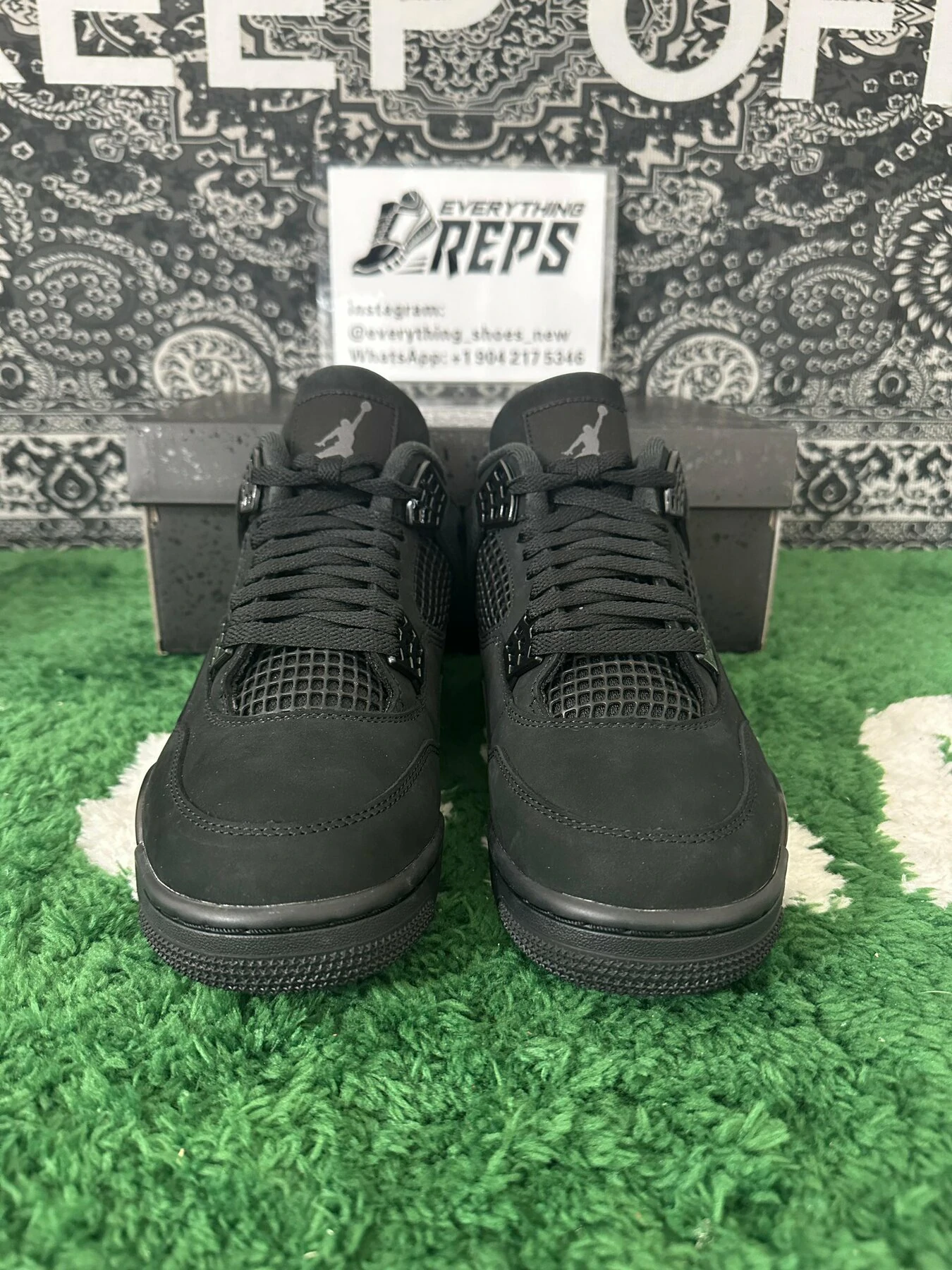
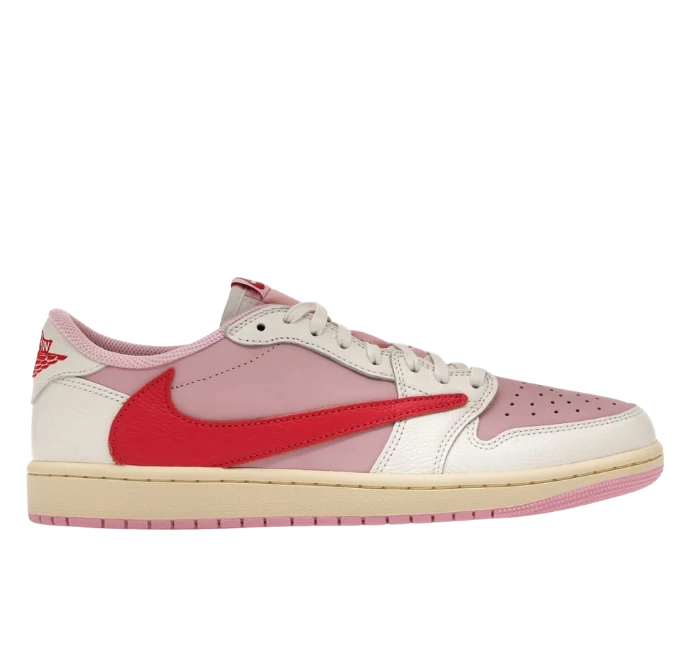
The SoleFly x Air Jordan 1 Low is a boutique collaboration, not a general release. Pairs left the Miami retailer's own drops, and today they move through consignment, resale platforms, and collectors, so the real question for a shop is whether you can source authentic pairs at a cost that still leaves margin. This Guide covers what the shoe is, how it fits, where fakes fail, and how to decide whether it earns shelf space in your store.
What You Are Actually Buying
SoleFly is a Miami sneaker boutique, and its Air Jordan 1 Low projects are limited store releases rather than wide Nike allocations. There is no wholesale program to order from, no predictable restock, and no standard case pack. Inventory reaches you through consignment, authenticated resale platforms, collectors, or overseas sellers who claim to hold deadstock.
Treat the SoleFly x Air Jordan 1 Low as a family of releases, not a single SKU. More than one colorway exists, and each carries its own style code and color code on the box label. Two sellers quoting the same shoe name can be quoting two very different pairs, so ask for the label photo before you discuss price.
That distinction matters for your listing, too. A product page that mixes colorways will confuse buyers, invite returns, and make your authentication notes useless.
Fit and Sizing Notes for the Sales Floor
Fit on the SoleFly x Air Jordan 1 Low tracks the standard model closely, which means true to size for most customers. Someone who wears a 10 in other Nike basketball shoes will usually take a 10 here. Narrow feet sit fine, while wide feet often want a half size up because of the padded collar.
Break-in is short. Leather and suede panels soften after a few wears, and the midsole feels stiff out of the box the way most AJ1 Lows do. If a pair feels snug across the forefoot at try-on, tell the customer it will not stretch much and suggest sizing up instead of hoping.
Publish sizes exactly as printed on the label, and note that these are listed in men's sizing with a women's conversion. Pull the official size chart for the specific release before you write any size guide, since guessing here creates refunds you cannot win.
Materials and Details Buyers Ask About
Expect premium leather, suede, or nubuck panels instead of the standard synthetic-heavy build, plus Miami-flavored color blocking, Sail or aged midsoles, and small branding touches. Extras vary by drop: alternate laces, printed insoles, special packaging. Those extras carry real value, and a missing set of laces changes what a pair is worth.
Photograph everything the moment a box arrives. A pair with no spare laces or a plain replacement box is still sellable, but describe it as incomplete and price it accordingly. Collectors check, and a vague listing turns into a dispute.
Where Fake Pairs Usually Fail
Replica factories target limited Jordans specifically, so treat any unusually cheap offer as suspect until it survives inspection. Failures tend to sit in small details rather than the overall silhouette, which is why photos at arm's length prove nothing.
- Box label style code and color code do not match the pair inside.
- Swoosh too thick, too curved, or finished with a sloppy tail.
- Stitch density uneven along the toe cap and heel counter.
- Midsole paint lines wavy, or the Sail tone too yellow or too bright.
- Tongue tag letter spacing off; insole print shallow or glossy.
- Panels feel plasticky where the release used real suede or tumbled leather.
No single tell settles it. Send anything above your comfort threshold to a professional authentication service and keep the paperwork. On a four-figure pair, that fee is cheap protection against a chargeback and a damaged reputation.
Sourcing Channels Compared
Most independent shops get these pairs the same way collectors do, one or a few at a time. Where you buy changes your risk more than the price does.
| Channel | Typical lot size | Authentication risk | Best for |
|---|---|---|---|
| Local consignment and collector trades | One to a few pairs | Low, if you inspect in person | Filling a specific size request |
| Authenticated resale platforms | Single pairs | Low to moderate, depends on their process | Building stock slowly without tying up cash |
| Overseas sellers offering bulk deadstock | Small lots, often six pairs or more | High | Only after samples and references clear |
| Sneaker conventions and trade shows | One to a few pairs | Moderate, since you can handle the shoe | Hand-picking clean pairs quickly |
Lot sizes above are rough guides only, so confirm quantities, terms, and lead times in writing with each supplier. If you import, duties, brokerage, and state tax rules all affect landed cost, and those rules shift. Ask a licensed customs broker rather than relying on a seller's summary.
Before You Wire Money: A Short Checklist
- Get the style code and a clear photo of the box label, then match it to the release.
- Request dated photos of both shoes, the size tag, the insoles, and the extra laces.
- Ask for a short video showing the pair being handled, not just still images.
- Check the seller's history and ask two past buyers for a reference.
- Confirm the return policy in writing if authentication fails.
- Pay with a method that offers buyer protection, and keep the full conversation.
- Plan your own authentication step before the pair reaches a customer.
Margin Math and a Sensible Allocation
Deep stock in a limited collab rarely pays off for a small store. One or two sizes that actually move in your market, plus special orders for everything else, keeps cash free and shelves clean. When you price the SoleFly x Air Jordan 1 Low, work from recent sold listings rather than asking prices, then subtract shipping, platform fees, authentication costs, and your own time.
Set a floor before you negotiate. If landed cost plus fees leaves less than your target margin, walk away, because these pairs sit longer than general-release Jordans and slow inventory has a cost of its own.
Watch which sizes your customers actually ask for. In most US shops, men's 9 to 11 moves first, and the extremes linger, so a "full run" of a limited collab is often a trap rather than a strategy.
FAQ
Does the SoleFly x Air Jordan 1 Low run true to size?
For most wearers, yes. The collaboration uses the same last as the standard Air Jordan 1 Low, so customers should take their normal Nike size. Wide-footed buyers often prefer a half size up because of the padded collar and the stiffer leather panels. Always cross-check the official size chart for the specific release.
How many pairs should an independent shop stock?
Start with one or two pairs in your fastest-selling sizes and take special orders for the rest. Limited collabs turn slowly compared with general releases, and cash tied up in a size 13 is cash you cannot spend on core inventory. Add depth only after you see repeat demand.
Is this shoe only for collectors?
Not entirely. The colorways are wearable and the materials hold up, so casual buyers do ask for them. That said, the price premium means most walk-in customers will compare it to a standard AJ1 Low. Keep one pair visible as a halo item and let it pull attention to your core stock.
How do I verify a supplier before paying?
Ask for the style code, box label photos, tagged images, and a handling video, then compare against a trusted authentication reference. Request two buyer references and pay through a protected method. If a seller resists any of those steps, treat that as your answer and move on.
Ready to Source a Pair?
Send us the sizes and colorways you are hunting, along with your target landed cost, and we will come back with current availability, condition notes, and label photos before any payment is discussed. Bulk and single-pair requests are both welcome.