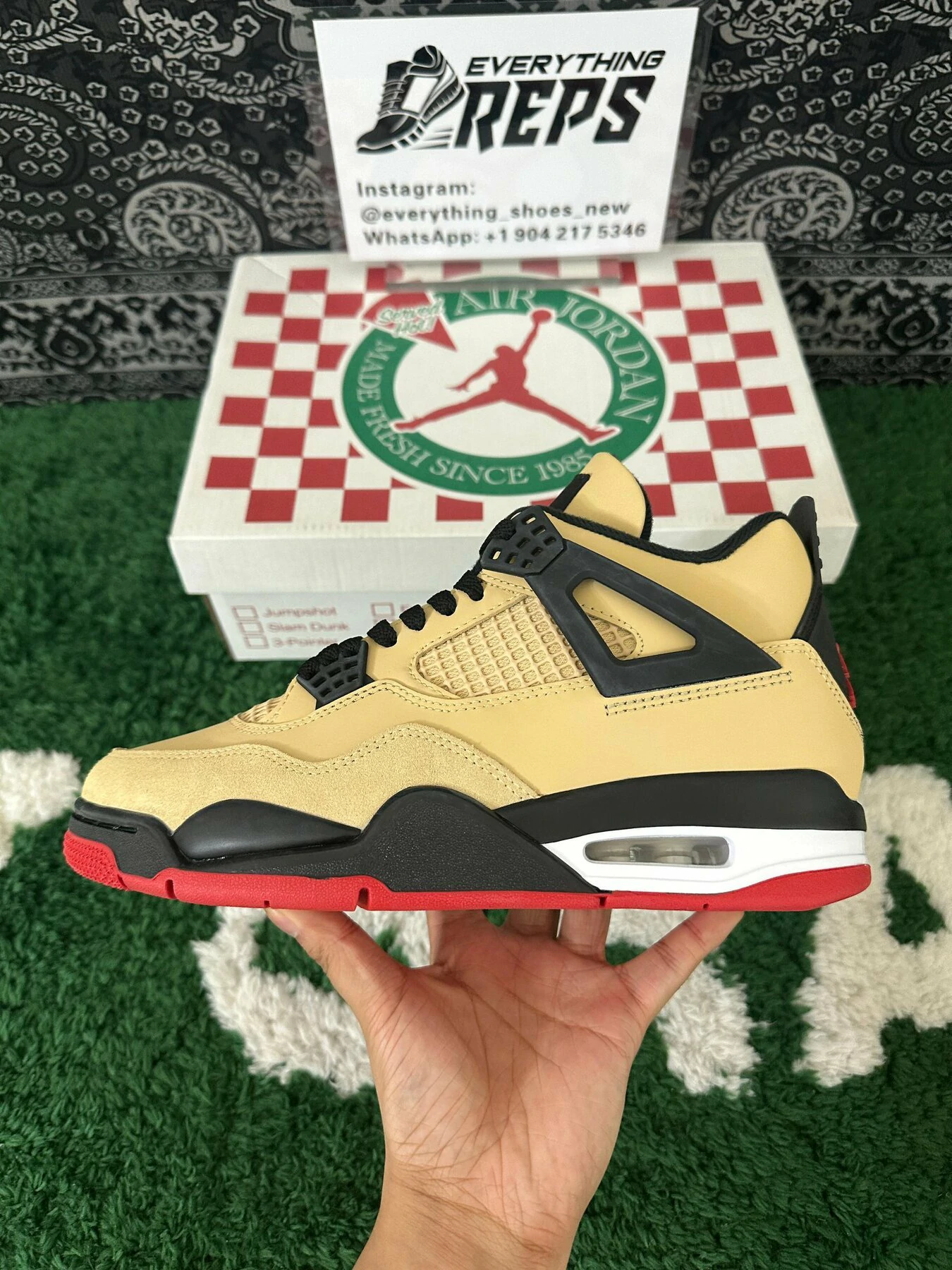
The Jordan 1 low summit whjite is a general-release white low-top, and that single fact should drive how you buy it. Demand comes from fit, price, and a clean look, not from hype, so size depth matters more than pair count. What follows covers Materials, sizing behavior, the customers who actually buy it, and the checks worth running before a pair goes on your wall.
Treat the name carefully in your listings. Shoppers type this colorway in several different ways, including misspellings, so load common variants as internal search synonyms and mention the short form in your product copy. That keeps paid traffic from landing on an empty results page.
What This Low-Top Actually Is
Jordan 1 Low colorways built on a white base are the backbone of the silhouette's general-release lineup. Most pairs use smooth leather or a leather-and-synthetic mix on the upper, a padded collar, a stitched Swoosh, and a rubber cupsole with the tread pattern the model has carried for years.
Accents shift between production runs. Black, grey, or sail detailing on the collar, heel, and outsole is common. Confirm the exact combination on the box label and the tongue tag before you commit to a bulk order, because two pairs that photograph alike can carry different style codes.
White uppers are unforgiving. Creasing at the toe box, scuffs on the heel counter, and glue stains near the midsole all show up in photos and in person. For a shop, that means display lighting and handling discipline matter as much as the shoe itself.
Fit, Sizing, and the Questions You'll Hear at the Counter
Most customers take their usual Nike size in this model. People with wide feet often go up a half size, and anyone planning to wear thick socks in winter tends to do the same. Leather pairs can feel stiff for the first week, which is normal, but it does generate "these feel tight" conversations.
Quote official numbers, not memory. Nike publishes a size chart with centimeter equivalents, and that is the version to hand a customer who asks for a conversion. Half sizes through the middle of the run turn fastest; the extremes sit longer and end up discounted.
| Spec area | What to expect | What it means for your shelf |
|---|---|---|
| Upper material | Smooth leather or a leather/synthetic blend on most runs | Creases early, so inspect toe boxes at intake |
| Sizing | True to size for most; wide feet often go up a half | Stock deeper in mid-run half sizes |
| Cushioning | Encapsulated Air unit, firm underfoot | Expect "not very soft" feedback from runners |
| Care | Wipes clean, but white midsoles yellow in sunlight | Rotate display pairs and keep them out of direct sun |
| Box and extras | Standard retail box on most GR pairs | Double-box for shipping and protect the label |
Width is the other recurring issue. If a customer already owns a Jordan 1 Low in another colorway, that pair's fit is the best reference you can offer. Materials vary slightly between runs, so a leather pair and a nubuck pair can feel different even in the same size.
Who Buys It, and Who Walks Past It
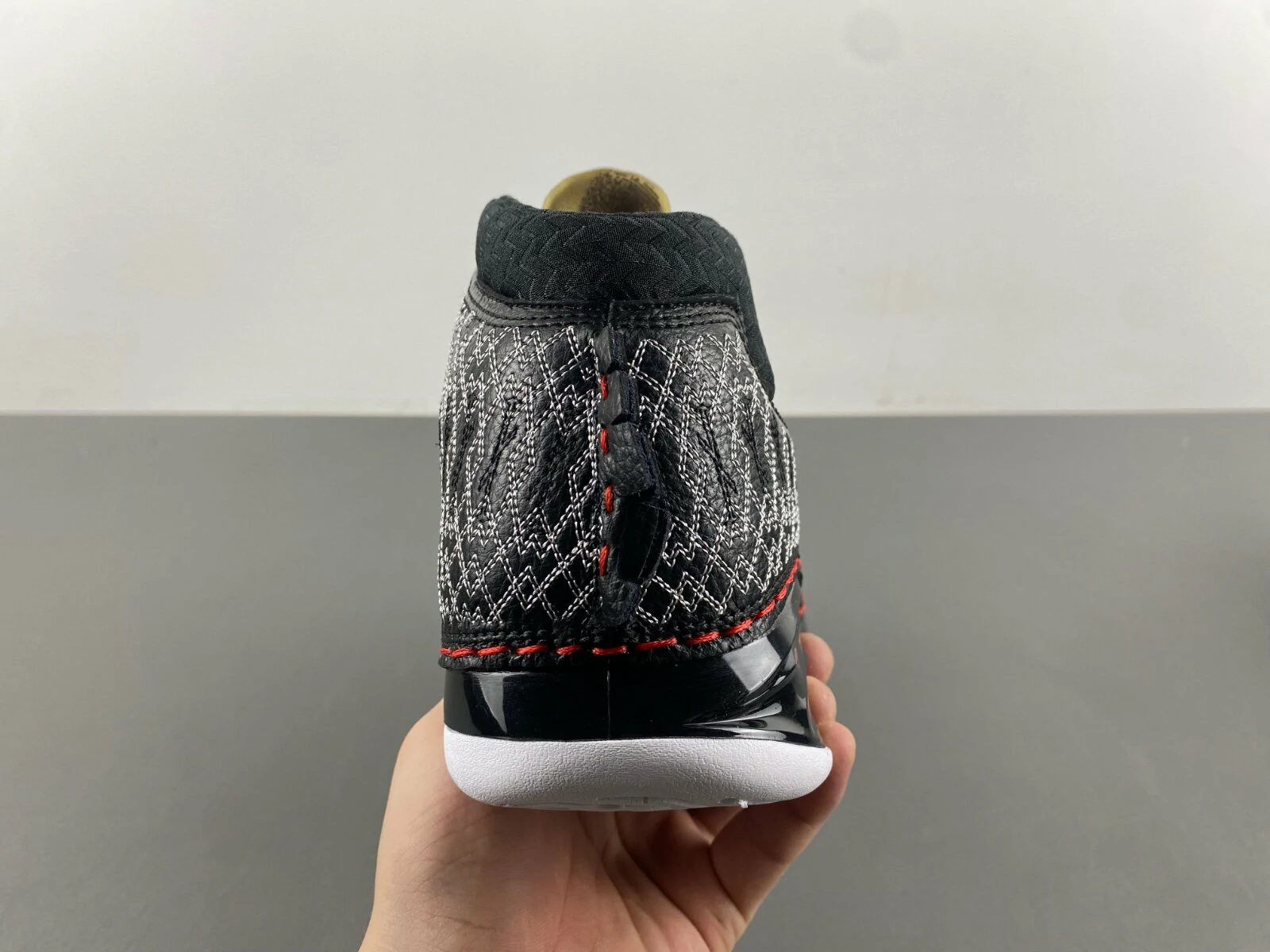
Three groups keep this colorway moving. Parents buying a first "nice" pair for a teenager, adults who want one white sneaker that works with everything, and school-age buyers in districts with flexible dress codes. The jordan 1 low summit whjite fits all three because it reads neutral in photos and on foot.
Collectors usually walk past. There is no story here, no collaboration, no limited run to chase, so the buyer hunting resale value is not your customer for this pair. Knowing that keeps you from over-ordering in the hope of a spike.
Seasonality is real. Late spring through back-to-school is the strong window, and January is soft. If you buy deep, plan to hold some inventory into the next warm season rather than dumping it in a slow month.
A Stocking Checklist for Independent Shops
Run this list every time a shipment lands, and again before you place a reorder. It costs twenty minutes and saves arguments later.
- Match the style code on the box label to the tongue tag and the insole print.
- Compare left and right pairs for symmetry in the toe box, heel height, and Swoosh placement.
- Check for creasing, glue smears, scuffs, and midsole yellowing before the pair is priced.
- Photograph each pair against a plain background so you have a record for returns.
- Ask your supplier in writing about the return window on factory seconds or shelf pulls.
- Confirm the colorway name on your product page matches what customers actually search for.
None of this requires special equipment. A phone camera, a bright lamp, and a printed style-code list do the job. Shops that skip the intake inspection usually find problems at the register, which is the worst possible moment.
Spotting Weak Pairs and Fakes Before They Reach the Shelf
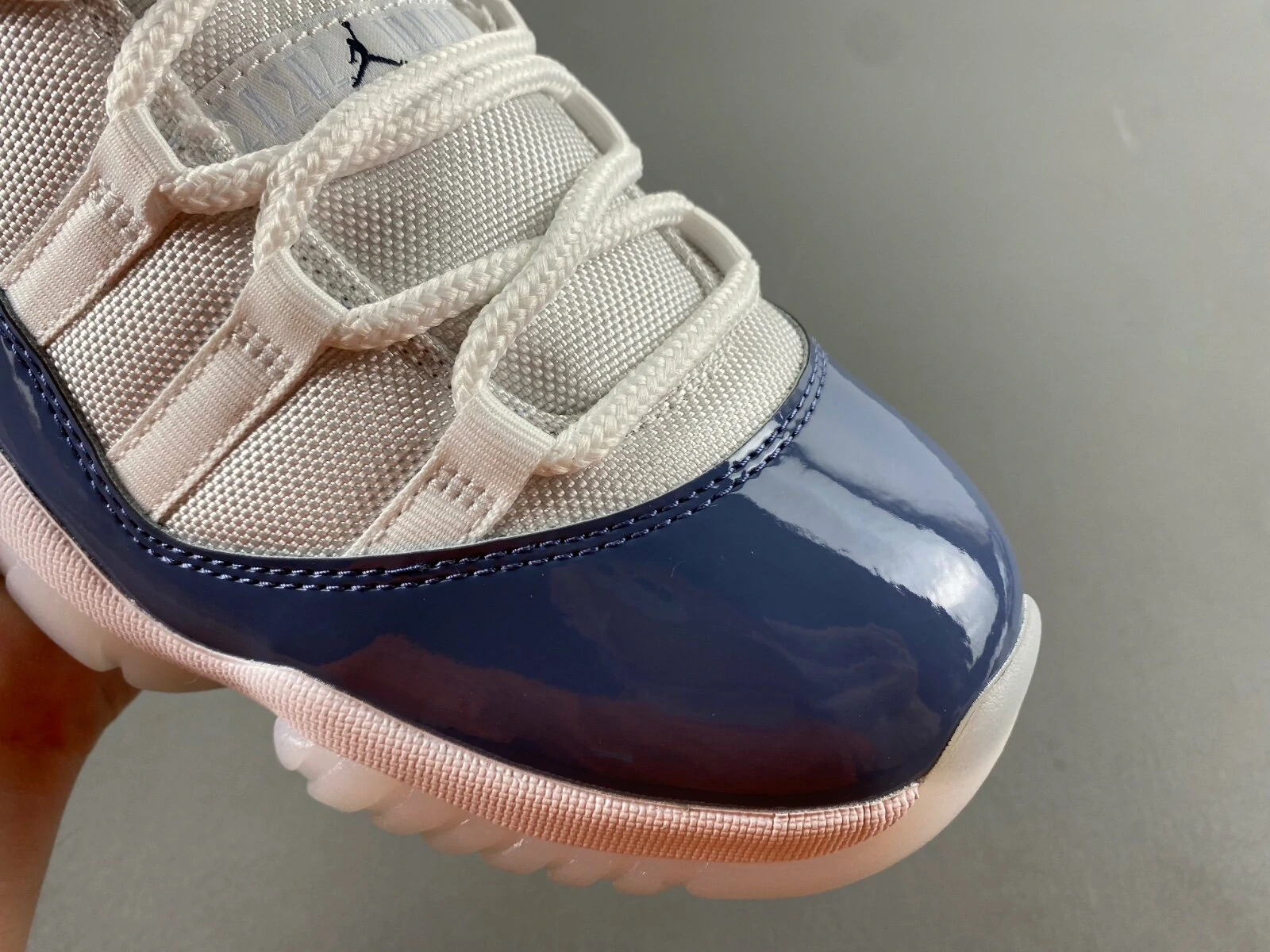
White colorways attract counterfeiters because the materials are easy to source and the details are easy to fake at a glance. Start with the box label: font weight, alignment, and the style code should match the shoe exactly. Off-center labels and mismatched codes are the fastest red flags.
Then look at construction. Stitching on an authentic pair is even in spacing and tension, the tongue tag sits flat, and the heel counter holds a slight curve instead of collapsing. Midsole paint should be clean at the edges, and the outsole tread should be sharp, not rounded off.
For anything expensive or uncertain, pay a professional authentication service. Photos alone are a weak substitute. Keep your sourcing boring, too: authorized distributors and established wholesalers with written terms beat a social media group offering pairs of the jordan 1 low summit whjite at prices that look too good to be true.
Price is a signal, not proof. If a quote comes in well under the usual wholesale band for general-release Jordan 1 Lows, ask why. Ranges vary by size run, quantity, and season, so treat any number you hear as a starting point and confirm it with the supplier.
Frequently Asked Questions
Does the jordan 1 low summit whjite run true to size?
For most people, yes. Nike builds this model on a standard last, and repeat buyers usually order their normal size. Wide-footed customers, and anyone wearing thick socks, should consider a half size up. Hand customers the official Nike size chart rather than quoting a conversion from memory.
Is this a limited release?
No. It is a general-release colorway, which means restocks are common and there is no resale premium worth chasing. Plan inventory around steady sell-through rather than a launch spike, and keep the size run balanced.
What margin should I expect?
Margins on general-release low-tops are thin at full price and improve when you buy quantity from a distributor with clear terms. Compare landed cost, including freight and any duties, against local retail before you set a price. Confirm every figure with your supplier and a customs broker.
How do I keep display pairs looking new?
Rotate them, keep them out of direct sunlight, and wipe the midsoles weekly with a mild cleaner. Sun exposure yellows white rubber faster than almost anything else. Hold one pair back in the box as a floor backup.
Can I buy these below retail from a wholesaler?
Sometimes, especially on closeouts and overstock in broken size runs. Verify the seller's terms, ask for the style code up front, and request photos of actual stock. Deep discounts on current general-release pairs usually signal either a bulk commitment or a problem.
If you are building a size run for the spring window, request a current availability sheet and price list from your supplier, ask which sizes are short, and confirm the return terms in writing before the order ships.