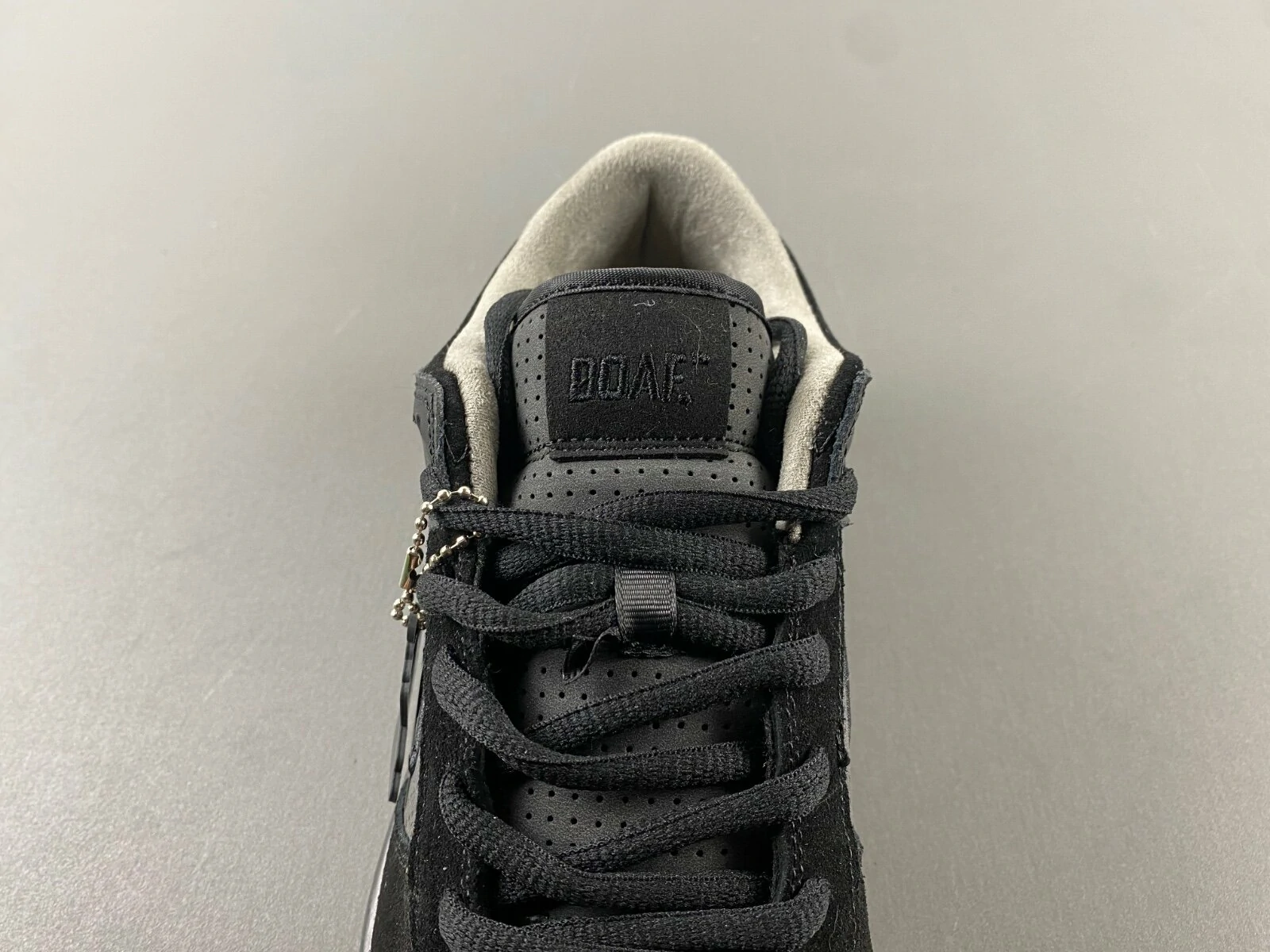
The short answer is that Nike boots are worn like a heavy sneaker, not like a dress boot. Keep the hem clean at the ankle, match the bulk of the boot to the bulk of the outfit, and pick the sock before you pick the pants. Get those three right and most styling questions answer themselves.
For a shop, the question of how to wear Nike boots comes up twice: once when staff styles a pair on the Floor, and again when a customer brings back a pair that felt wrong at home. This guide covers the boot families worth stocking, the styling rules that sell them, and the fit Notes worth printing for your team.
Know Which Boot You Are Selling
Nike's boot range splits into four practical families, and each one sets a different styling expectation. Winterized sneakerboots like the Air Force 1 Boot and the Lunar Force 1 Duckboot read as cold-weather street wear. Trail and tactical models such as the SFB Field and most of the ACG line read outdoor.
A leather high-top with boot detailing sits closer to fashion, while dedicated winter boots like the Manoa are built for slush and wool socks. The families are not interchangeable on the sales floor. Sell an SFB as a fashion boot and it comes back as a return.
Merchandising should follow the same logic. Group winterized pairs near the outerwear, keep trail models with technical apparel, and style fashion-leaning boots with denim rather than hiking pants. Shoppers copy what they see on the shelf far more often than what a staff member tells them.
The Hem Does Most of the Work
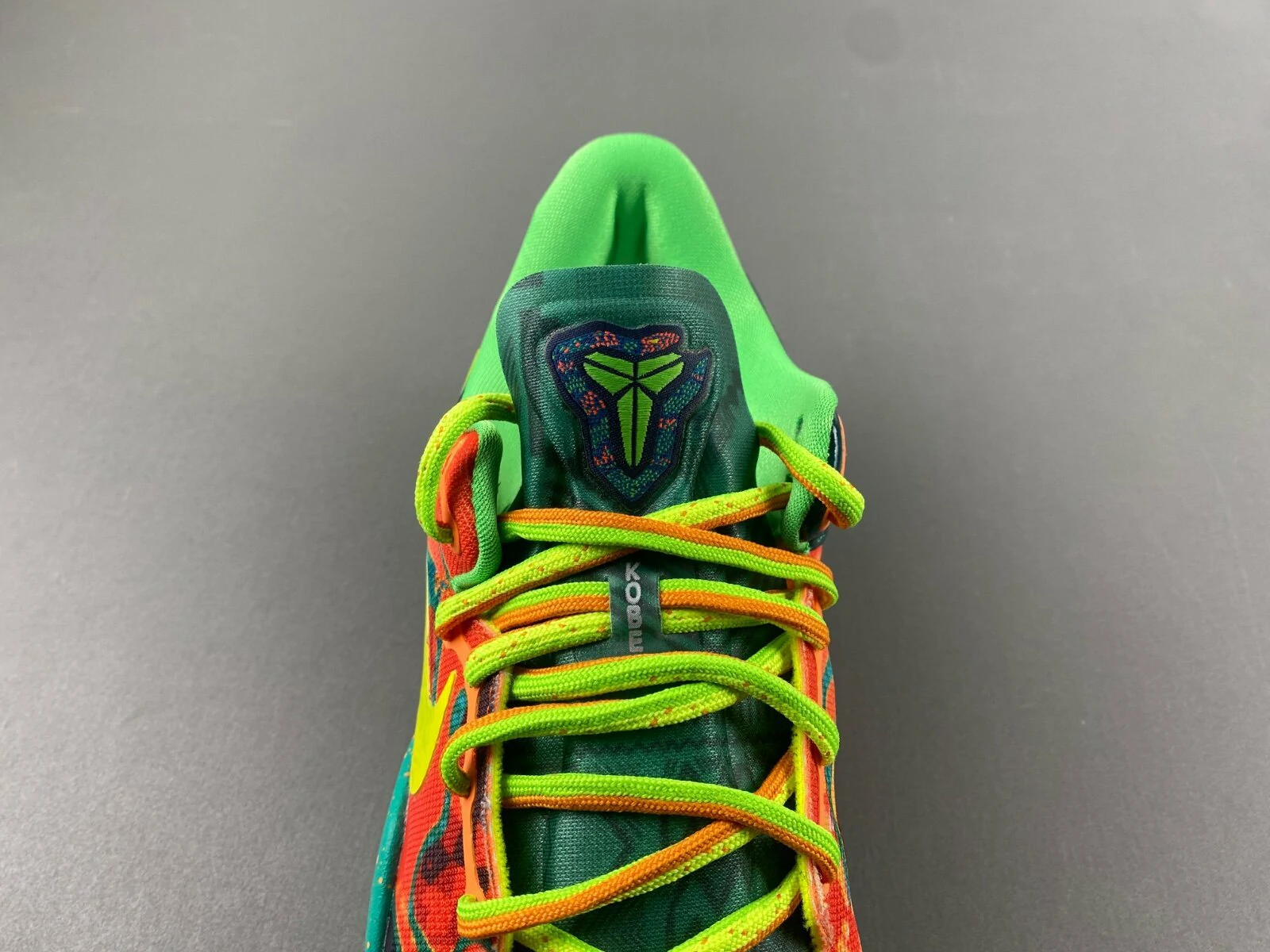
Nearly every styling complaint about a chunky boot traces back to the pant leg. A hem that stops exactly at the boot collar chops the leg line and makes the boot look larger than it is. Either let the fabric fall with a slight break over the top, or cuff it once and show the collar on purpose.
Tapered and straight-leg denim handle both options well. Wide-leg and flared pants swallow the boot completely, which is a valid look but rarely the one a customer is asking for. That is the practical core of how to wear Nike boots: control the volume at the ankle, and the rest of the outfit follows.
Cuffs, stacks, and wide feet
One cuff beats a double roll on a high collar, because two rolls bunch fabric on the tongue and push the laces out of shape. Leave the top eyelet unlaced for customers with a high instep or a wide forefoot. It buys real room without changing size.
Laces are a small detail that shows up close. Flat laces keep a duckboot looking like workwear, while rope laces push it toward streetwear. If you stock both, lace one display pair each way and let the customer feel the difference.
Color is the other easy lever. A black or earth-tone boot disappears into dark denim and reads understated, while a white or bright pair needs contrast around it or the outfit looks top-heavy. Socks are part of that contrast, so keep a few visible options near the mirror.
Sizing, Socks, and the First Week
Fit is where boot sales are won or lost. A padded collar and a gusseted tongue make a boot feel snug on day one, and customers often misread that as too small. Fit them with the sock they plan to wear, late in the day, and check heel slip before anything else.
Sizing is also the part of how to wear Nike boots that buyers get wrong most often, usually because they treat a boot like a running shoe. The two fit differently even from the same brand.
| Boot family | Pairs well with | Fit note | Typical buyer |
|---|---|---|---|
| Winterized sneakerboot | Straight-leg denim, chore coat | Close to true to size; go up half with thick socks | Wet-weather commuters |
| Trail and tactical | Cargo pants, tapered joggers | Narrow through the midfoot; try before you buy | Outdoor and work customers |
| Leather lifestyle high-top | Slim denim, single cuff | True to size; stiff collar for the first week | Streetwear buyers |
| Cold-weather boot | Boot-cut denim, wool socks | Roomy; some customers go half a size down | Winter commuters |
Those fit notes are general guidance only, not a replacement for the official size chart on each product page. Lasts change between seasons, so check the model in front of you.
Expect roughly a week of break-in on leather models, less on textile uppers. Tell customers to wear them indoors for an hour or two first and to lace looser at the top until the collar softens. That single instruction prevents a lot of "they hurt" returns.
Weather, Care, and Wrong Expectations
Water-resistant and waterproof are not the same claim, and customers mix them up constantly. A duckboot with a rubber shell handles slush and shallow puddles. A leather sneakerboot with a gusseted tongue handles rain on a commute, not two hours of wet grass.
Suede and nubuck need a protective spray before the first wear, not after the first stain. Salt rings lift best with a diluted vinegar wipe and a soft brush, applied early. Say this at the register and the leak complaint three weeks later usually never happens.
Care advice belongs in any conversation about how to wear Nike boots in winter, because half of the returns come from expectations rather than defects. A short printed care card in the bag does more for your review scores than a discount.
A Floor Checklist Your Staff Can Use
Train the team on this sequence once and the boot wall stops being a guessing game. It takes about two minutes per customer.
- Ask what the customer wears now and what the boot is for: commute, trail, or style.
- Match the boot family to the use, not to the colorway they liked online.
- Fit with the intended sock, then check heel slip, toe room, and the top eyelet.
- Style the pair on the spot with a pant they own or one you sell.
- Hand over care instructions and point to the official size chart before the sale closes.
- Log the fit feedback so patterns show up before the next buy.
Those last two steps matter for buyers as much as for staff. Fit complaints are the cheapest market research you get, and they should feed straight into the next seasonal buy. Most independents order a spread across core sizes rather than depth in one size, then reorder what moves. Confirm the exact split with your supplier or distributor.
When the size chart for a model is unclear, pull the official product page and compare measurements instead of guessing. Boots move slower than running shoes, so a wrong depth decision sits on the shelf for months.
FAQ
Do Nike boots run true to size?
Most lifestyle and sneakerboot models run close to true to size. Trail and tactical boots tend to run narrower through the midfoot, and customers with wide feet may need the top eyelet left open. Fit with the intended sock and check the official size chart for the specific model before you commit to a size run.
Are Nike boots waterproof?
Not all of them. Rubber-shell duckboots handle wet weather well, while leather and textile sneakerboots are typically water-resistant at best. Read the product description for the exact claim, and treat any leather or suede pair with a protective spray before the first wear. Customers should not expect a trail runner's waterproofing from a lifestyle boot.
Can you wear Nike boots with shorts?
Yes, with the right proportion. A low-profile sneakerboot with crew socks and shorts reads as a summer streetwear look, while a heavy duckboot tends to look out of balance. The same rule that governs how to wear Nike boots with denim applies here: keep the volume consistent from the knee down. Sock height matters more than most people expect.
How deep should a small shop buy a boot?
Start with a spread across your proven core sizes rather than depth in one size, then reorder what sells. Boots turn slower than running shoes, so a single-size bet is risky. Ask your distributor about size-run options and confirm the split before the order ships, since terms vary widely by supplier.
Planning a fall or winter boot program? Send over your size run, colorway targets, and landed cost, and we will come back with current availability, a shipping window, and a one-page styling sheet your staff can keep behind the counter.