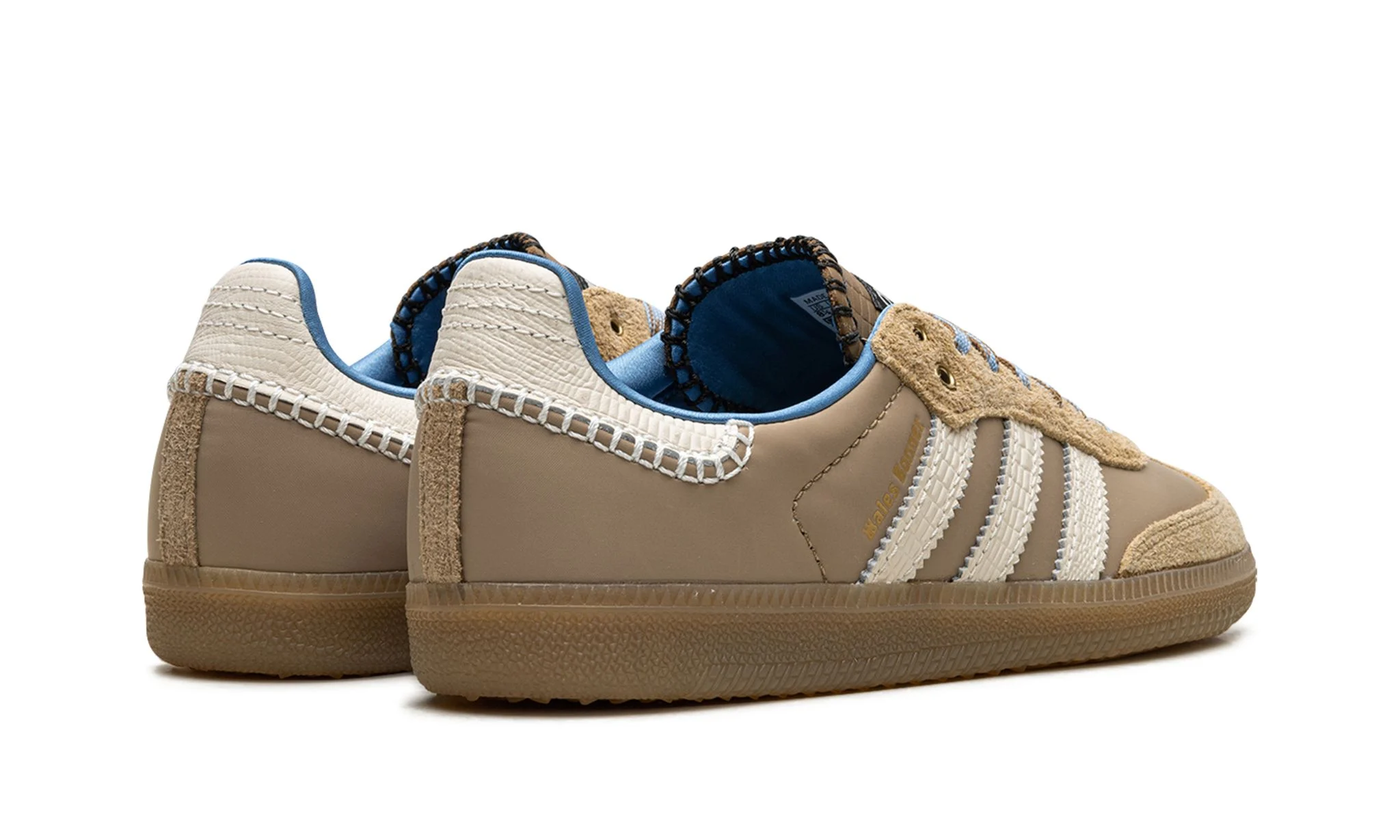
The adidas samba mule summer Release is a backless version of a shoe most of your customers already recognize, and that recognition is the main reason it deserves shelf space. It is also the reason to be careful, since the model sells on sight while the selling window stays short and the fit questions are specific. What follows covers the build, the sizing, the Depth to buy, and the supply checks worth running before you send a deposit.
The silhouette keeps the T-toe panel and the low, flat profile, then removes the heel entirely. What remains is a slip-on that reads as a Samba from across the room and behaves like a sandal alternative up close. That is the whole pitch, and it is a strong one for anyone who already owns a pair of Sambas and wants something easier to slide into.
Ask for the spec sheet before you finalize a colorway. Upper material, lining, and whether the heel is structured or fully collapsible all change how the shoe wears in July heat. Those details move your return rate more than the color does.
Materials That Hold Up in a Hot Season
Summer footwear gets judged on two things: how it feels without a sock and how it looks after six weeks of daily wear. A leather upper with a soft lining keeps its shape and wipes clean, which suits the customer who wears the shoe straight from work to dinner. Textile versions breathe better but crease at the toe sooner.
Suede is the complicated one. It anchors the premium colorways and photographs beautifully, yet it is a hard sell in humid markets and comes back as a complaint after one rainstorm. A store in a dry climate can carry it with confidence. A store near the coast should probably keep it to a single colorway.
Whichever material you choose, write it into the purchase order for the adidas samba mule summer release instead of trusting a lookbook photo. Upper swaps between production runs can happen, and they rarely arrive with a matching price change. One line on the PO prevents an argument later.
Fit and Sizing: Where Returns Come From
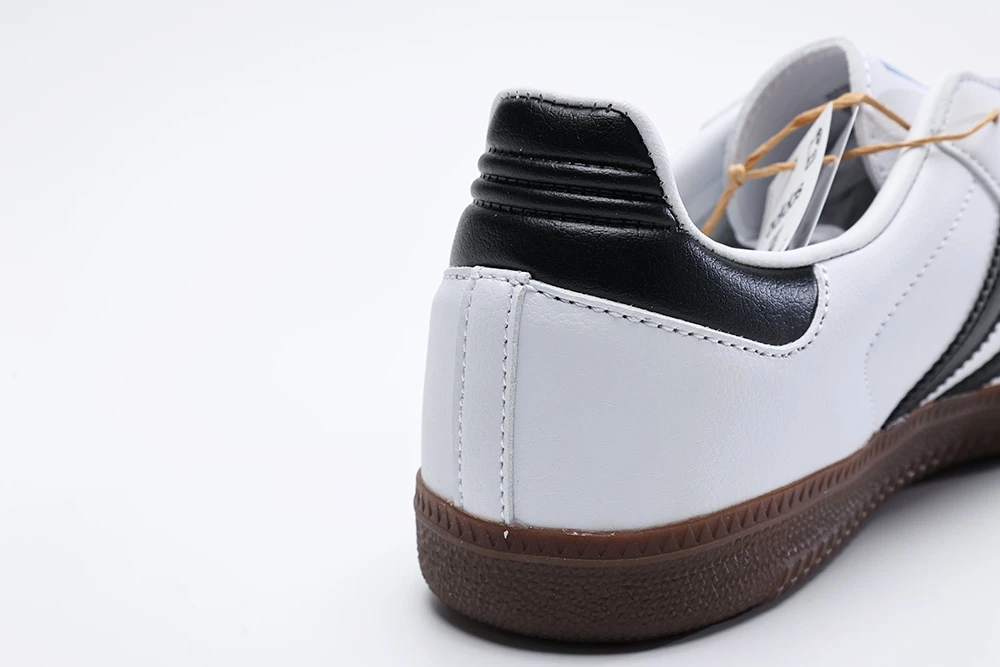
A backless construction removes the heel lock that keeps a low-profile sneaker steady. Fit then depends more on instep height than on toe length, which is why two customers who both wear a US 10 in the Samba OG can walk away with different sizes here.
Customers who size down in the Samba OG often want their usual size in a mule. Customers with a high instep may find the opening snug across the top of the foot even when the length is right. Neither group is wrong, and neither will read a size chart carefully enough to sort it out alone.
Put a short fit note on the product page and train staff to repeat it out loud. One line, such as fits like the Samba OG with no heel to hold the foot, size up if you are between sizes, prevents more exchanges than an extra photo set. Pull the underlying numbers from the official adidas size guide and label them as US men's or US women's. Converting from EU on your own is how mismatched listings begin.
How Deep to Buy for a Summer Window
A seasonal slip-on is not a core staple, so it should not get core depth. Treat the first order as a test buy with enough presence in the middle sizes to look stocked, thin coverage at the extremes, and a reorder decision scheduled for four weeks after delivery.
Buyers planning around the adidas samba mule summer release usually settle on two or three colorways and a shallow size run, then expand only what sells through. The planning ranges below are a starting point for that conversation, not a supplier quote, and each account gets different terms.
| Decision | Typical Planning Range | What to Verify | Retail Impact |
|---|---|---|---|
| Colorway count | 2 to 3 for a first order | Whether each color is a core neutral or a seasonal accent | Two neutrals plus one accent covers most summer traffic |
| Size run | US 5 to 13 where offered, half sizes through the middle | Exact run confirmed on the order sheet | Gaps at US 9 and US 10 lose the most common walk-in sale |
| Depth per size | Shallow at the extremes, deeper in the middle | Pack ratio and case pack | Keeps you from sitting on US 5 and US 13 in September |
| Reorder trigger | Sell-through review at four weeks | Distributor restock lead time | Keeps the winning sizes in stock through August |
Confirm every figure with your supplier before you commit, since pack ratios and size runs differ by account. A run that skips US 9 or US 10 will cost you the most common sale in the building, no matter how good the colorway looks in the catalog.
Checking Supply and Authenticity Before You Pay
Summer drops attract gray-market stock, and mules are easy to copy because they carry fewer panels to inspect. Work with distributors who can produce a paper trail: an invoice with a style code, a size run that matches the manifest, and a return policy in writing rather than over the phone.
For the adidas samba mule summer release in particular, ask three questions before any deposit moves. Which style code are you shipping, what is the exact size run, and can you send photos of the actual boxes instead of stock images. Vague answers are your signal to walk.
- Match the style code on the box label to the invoice and the product page.
- Compare stitch density along the toe panel, since uneven rows show up on copies first.
- Inspect the heel edge and lining for glue marks and loose trimming.
- Weigh one pair against a pair you already own in the same size.
- Get the size run in writing, then count boxes on arrival before you sign.
None of this replaces professional authentication on bulk or high-value orders. If a quote sits well below every other number you have received, the price is the red flag rather than the shoe. A careful look catches the obvious problems, and a trained eye catches the rest.
Frequently Asked Questions
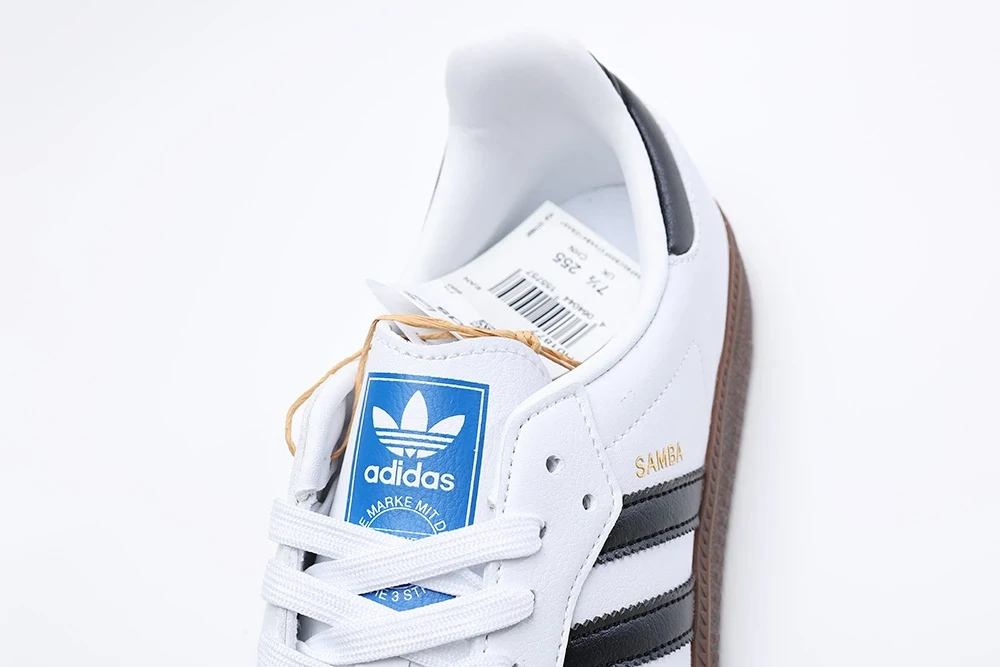
Is the mule built on the same last as the Samba OG?
Often it is close, but not identical, because removing the heel changes how the foot sits in the shoe. Do not promise customers an exact match. Ask your supplier for the official size chart tied to the style code, publish that chart, and add a plain note that there is no heel counter holding the foot in place.
Should a small store carry this or stick with the Samba OG?
Carry both if the budget allows, but give the mule the smaller buy. The classic Samba is a repeat purchase that customers rebuy in the same size year after year. A backless version behaves more like an add-on and a gifting item, so it rewards a narrow colorway range and a fast sell-through read rather than a deep commitment.
When should it hit the floor?
Move it out early rather than late. Slip-on styles sell hardest in the first warm weeks of the season, when customers are replacing closed shoes. Landing in late August means competing with end-of-season markdowns from larger chains, a fight an independent store rarely wins on price alone.
How do I handle returns on a shoe with no heel?
Set expectations before the sale, not after. A fit note on the product page, a staff script at the register, and a clear exchange policy cover most of it. Track which sizes come back. If one size keeps returning, cut it from the next order instead of discounting it on the shelf.
Can I reorder mid-season?
Sometimes, and it depends on your account and the colorway. Ask about restock lead time before the first order ships, then hold a sell-through review at four weeks. Core neutrals are usually easier to reorder than seasonal accents, which is one more reason to keep your accent colorway shallow and your neutrals protected.
Building a summer slip-on program takes a supplier who will confirm style codes, size runs, and pack ratios in writing. Send over your target colorways and size breakdown for the adidas samba mule summer release, and we will come back with availability, lead times, and a line-by-line quote you can compare against your other sources.