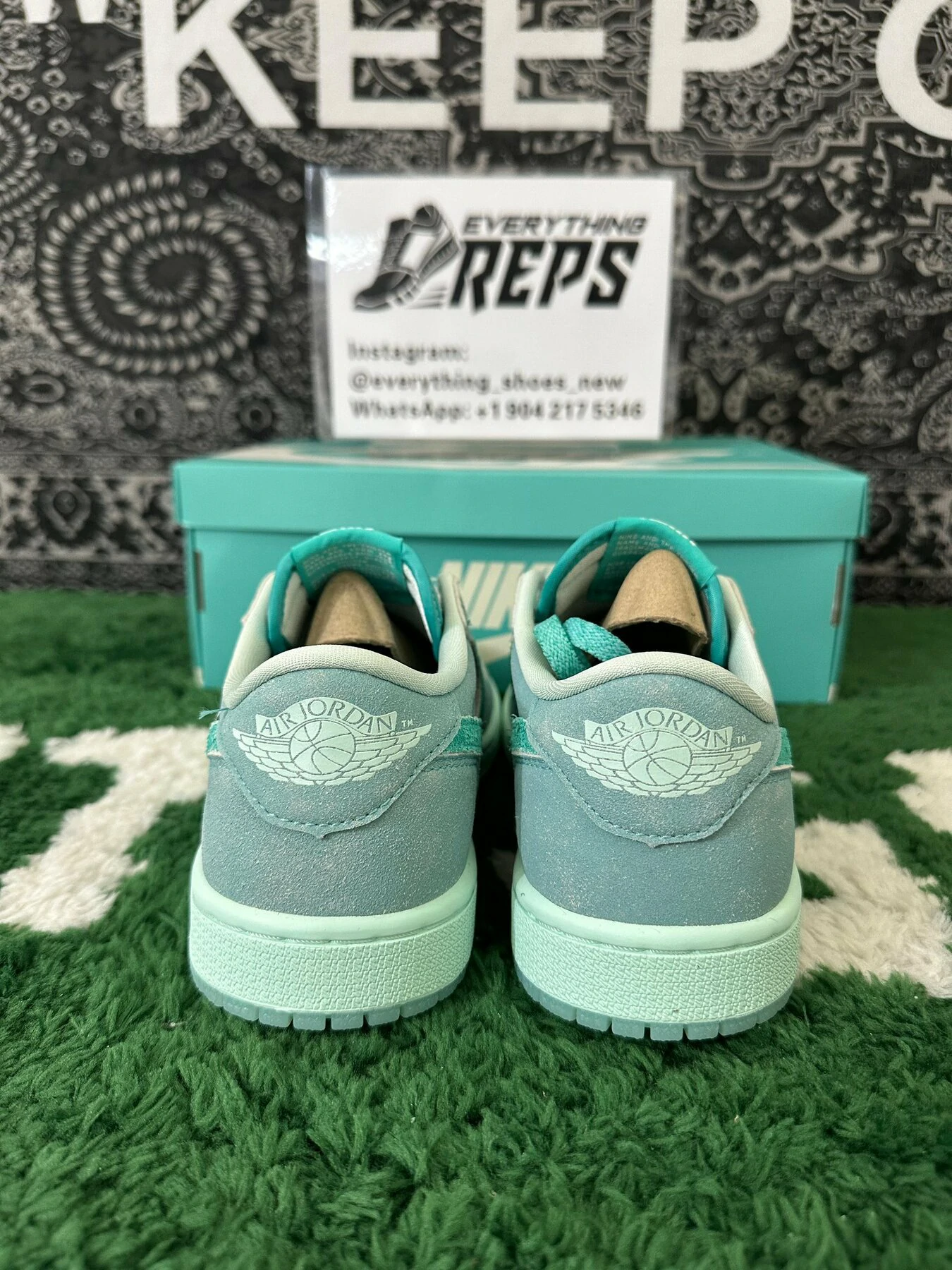
Jordan 1 Low cleats are baseball and football shoes built on a retro basketball upper, not a lifestyle sneaker with studs bolted on. That is exactly why they sell. Players get a silhouette they already wear off the field, with a plate made for dirt and grass. Most searches for nike jordan 1 lows cleats come from two kinds of buyers: parents replacing a worn pair and resellers checking what is moving at retail.
This breakdown covers what the model actually is, who buys it, the sizing mistakes that drive returns, stud options by playing surface, and what to verify before committing to a bulk order.
What the Model Actually Is
The upper follows the Jordan 1 Low pattern: leather and synthetic panels, a padded collar, the Wings logo, and the familiar toe shape. Underneath, Nike replaces the rubber cupsole with a cleat plate. Two families exist, one for baseball and softball and one for football, and they are separate SKUs with different plates and often different lasts.
Retail colorways are what a store can reasonably plan around. Player exclusives and team-issued pairs surface on resale sites, but supply is erratic and authentication risk is high. A cheap lot of a colorway that never hit retail shelves is usually cheap for a reason.
Positioning matters as much as product. These sit above entry-level team cleats on price, so they sell as an upgrade or a second pair, not as the shoe a whole roster gets issued. Stores that display them beside basic molded cleats and explain the difference move them faster than stores that bury them in a team-order catalog.
Competition comes from two directions. Nike's own metal and molded baseball plates cost less and do the job for players who do not care about the look. On the other side, retro-styled cleats from other brands chase the same buyer. Know which one you are losing the sale to before you reorder.
Who Buys Them, and Which Stores Should Carry Them
Demand splits into three groups. Parents replacing a worn-out pair before a middle school or high school season, adult league players who want the retro look, and collectors who buy a pair to wear casually. nike jordan 1 lows cleats move fastest at stores that serve at least two of those groups, since one group alone rarely justifies deep stock.
A sneaker boutique and a team dealer should not order the same way. The boutique sells a pair or two per size in a strong colorway and depends on display and story. The team dealer sells size runs to programs and needs youth sizes, half sizes, and a reorder path. Mixing the two models tends to leave somebody holding dead stock.
Seasonality decides timing. Baseball and softball demand builds through late winter and spring, football builds in late summer, and both flatten in the off-season. Placing the buy well before the local season opens is safer than ordering when the first parent walks through the door.
Size Depth beats colorway count for team accounts, and the reverse is true at retail. Decide which business you are in before the first purchase order goes out, then write the buy plan around that answer.
Sizing and Fit, Where Returns Come From
Most cleat returns start with one mistake: the customer orders their sneaker size. Cleats get worn with game socks, and plenty of players need a half size up from a casual Jordan 1 Low. Fit them in the sock they actually play in, ideally late in the day, and leave roughly a thumbnail of space at the toe.
Width is the second problem. The upper is not narrow, but a cleat plate does not flex like a cupsole, so wide-footed players often feel pressure across the forefoot for the first week. Train staff to ask about width before suggesting a size, and keep a printed conversion chart at the counter where customers can see it.
Youth sizing needs its own explanation. Youth and adult scales differ, and a parent shopping online will guess when the listing is vague. Put the conversion next to your nike jordan 1 lows cleats listings and link to the official Nike size chart instead of an in-house table that nobody updates.
Returns get cheaper when the listing does the work. State the fit guidance, the sock assumption, and the measuring method on the product page, and note that sizing can shift between model years. A customer who was told to measure is far less likely to send the pair back.
Stud Type and Surface: The Spec That Decides Sell-Through
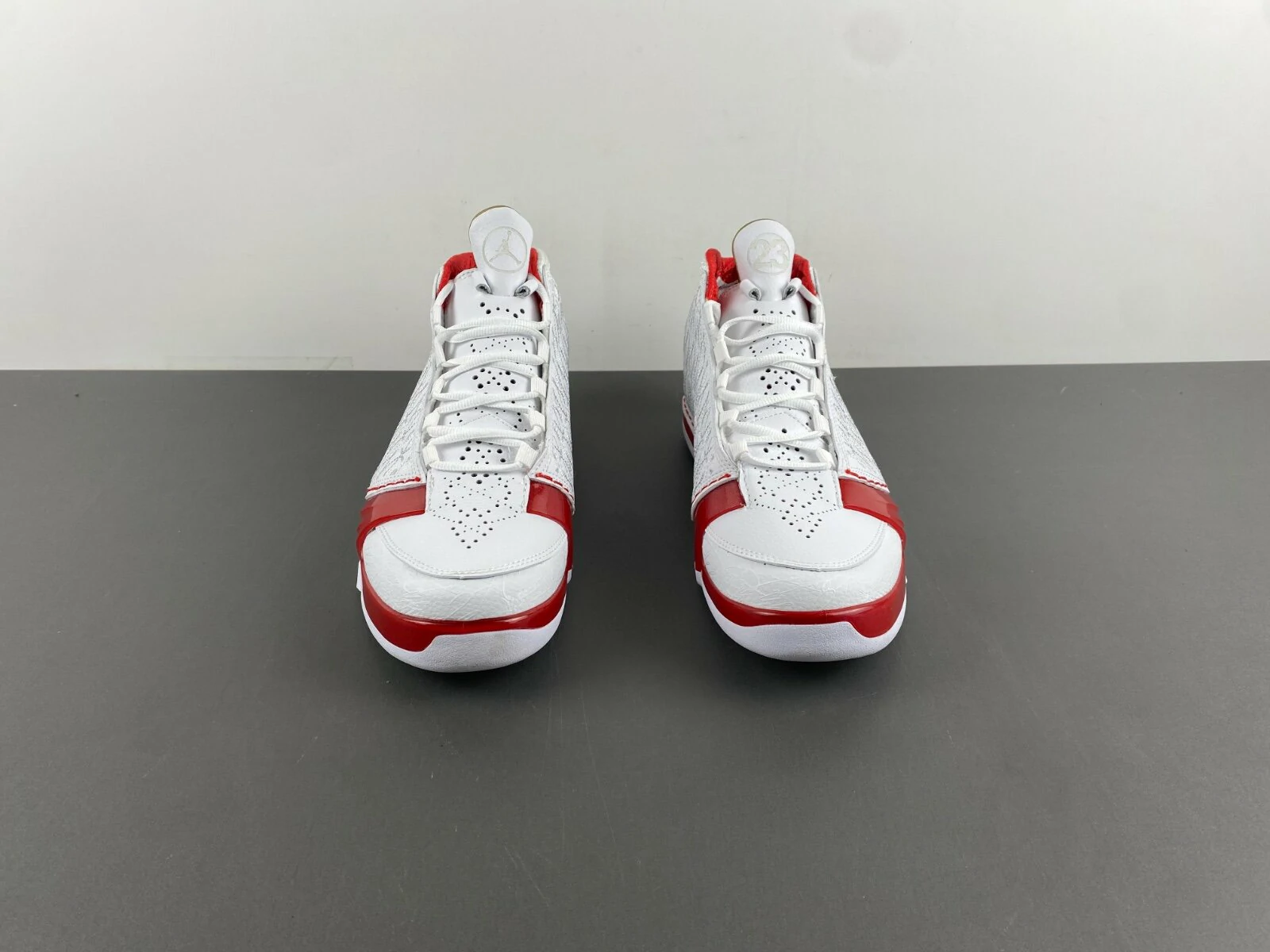
Metal, molded, and turf are not interchangeable, and stocking the wrong one is a reliable way to sit on inventory. Many youth leagues restrict metal studs, so a store near youth fields should be heavy on molded plates and light on metal. High school and college programs still buy metal, usually through team orders on a fixed deadline.
How the variants compare
| Variant | Plate and studs | Main buyer | Check before ordering |
|---|---|---|---|
| Baseball, metal | Fixed metal spikes | High school and college players | League rules, adult size run, reorder timing |
| Baseball, molded | Rubber or molded studs | Youth and rec leagues | Youth size depth, league approval |
| Football TD | Molded plate, different stud layout | Football programs, 7-on-7 players | Model number confirmation, sizing pattern |
| Turf or trainer | Rubber outsole, no studs | Coaches, indoor and turf facilities | Buyers understand it is not a cleat |
Football and baseball versions get confused constantly. Stud count, plate shape, and sometimes the last differ, and the two are not substitutes. If a supplier lists them under one line item, ask for the model number printed on the box before paying.
Surface matters as much as sport. Natural grass takes metal or longer molded studs, synthetic turf punishes long studs and rewards shorter patterns, and indoor facilities want the turf version. Ask each buyer what they play on. The answer usually changes the SKU.
Bulk Order Checklist
Work through the same list before every order. Most sourcing problems are dull ones: a size run missing half sizes, dented boxes, a colorway that looked better in a photo, or a model number that turns out to be the other sport. None of them are fixable once the pallet ships.
- Confirm the model number and whether it is the baseball or the football version.
- Get the full size run in writing, including half sizes and youth sizes.
- Request photos of real boxes and labels, not stock images.
- Check league or school rules on metal studs if youth programs are the target.
- Set a sell-through target per colorway and cut any colorway that cannot hit it.
- Agree in writing on credit or replacement for damaged boxes and mismatched pairs.
- Ask how inventory is stored, since heat and humidity degrade glues and uppers.
Pricing on nike jordan 1 lows cleats moves with model, size, and season, and any figure quoted over chat should be treated as a starting point. Ask whether the supplier quotes a unit price or a percentage off suggested retail, then layer in freight, duties, and your own handling cost. Confirm landed cost with a customs broker before assuming a margin.
Payment terms deserve the same scrutiny as price. A supplier who wants full payment up front on a first order and will not share references is a different risk than one who ships against a deposit with inspection. Start small, measure sell-through on the first run, and build the second order from real numbers.
FAQ
Do Jordan 1 Low cleats fit true to size?
Not for everyone. Many players go a half size up from their casual Jordan 1 Low because cleats are worn with thicker socks and the plate does not flex. Fit in game socks and check the official Nike size chart. Width matters too, so ask before recommending a size.
Are these baseball cleats or football cleats?
Both versions exist as separate models. The baseball and softball version uses a molded or metal plate built for dirt and grass. The football TD version has a different plate and stud layout. Check the model number on the box, because photos alone are easy to mix up.
Can a small store sell them without a Nike account?
Many independent shops buy through distributors, closeout sellers, and licensed team dealers rather than direct. That works, but margins are thinner and size runs are less predictable. Ask for the source of the goods in writing, and avoid any lot that cannot be traced to a legitimate channel.
How do I check whether a bulk lot is authentic?
Compare box labels, model numbers, and production dates across the lot for consistency. Look at stitch density, logo placement, and plate construction. Send one pair to a professional authentication service before committing to volume. No single check proves authenticity, so use several together.
What size run should a small shop stock first?
Start with the middle of the adult range and one or two pairs per size rather than a full run. Add youth sizes only if local programs ask for them. Track which sizes sell out first, then rebuild the second order around that data.
If you are planning a cleat buy for the coming season, send over your size run, surface mix, and target colorways. We will come back with availability, landed cost, and a realistic lead time on nike jordan 1 lows cleats, so you can weigh it against your current source before you commit.