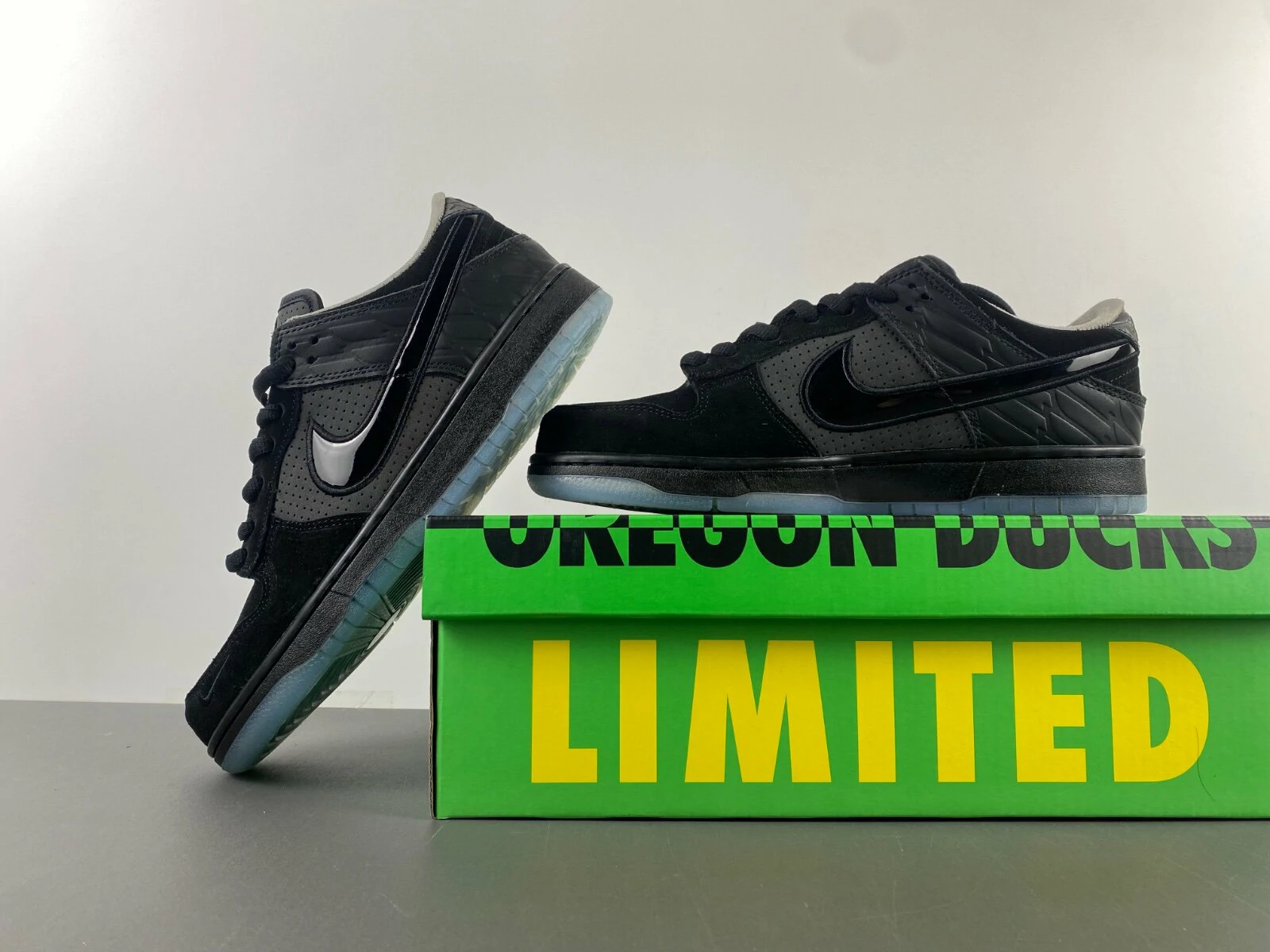
The nike low dunk curry is a warm-toned Dunk Low colorway that appeals to shoppers who want an earthy sneaker instead of another black-and-white pair. For a US shop, the real question is whether the Colorway, size run, and material mix hold up after the first reorder. This guide covers what to inspect before you buy, how to plan sizes, and where returns and authentication risks usually show up.
What the Curry Colorway Brings to a Shelf
The Curry Dunk Low sits in the popular low-cut Dunk shape, with curry-toned overlays over a lighter base. That warm palette gives it a different role from core white, black, and grey sneakers. It can anchor a fall display, support earth-tone outfits, and give repeat customers a reason to look beyond the usual staple colors.
For buyers, the colorway is only half the story. The finish, nap, and color match between left and right shoes matter more on a warm brown tone than on a flat white pair. Check sample photos under daylight, not only studio shots. Ask for box label details and the exact SKU before you commit.
Do not mix this shoe up with an SB Dunk or a different Curry release. The low Dunk name covers many builds, and buyers need the exact product name, SKU, and box label before comparing quotes. Ask for a photo of the size tag and the box label side by side. That step prevents a cheap quote from turning into the wrong shoe.
Sizing and Fit Checks for US Stores
Dunk Low sizing usually follows the wearer’s standard Nike size, but fit comments vary by foot shape. Narrow feet may feel a little roomy, while wide feet often notice the low toe box and stiff side panels. Keep a returns policy that lets customers compare against a shoe they already own.
Do not build a size run from the colorway alone. Pull your last 90 days of Dunk Low sales, then adjust for local demand. A campus store and a suburban family shop will not need the same curve. If you sell online, list US sizes clearly and remind buyers that fit can change with sock thickness.
Before listing, measure the insole and check the collar padding on your sample pair. Small differences between production batches can affect the break-in period. When in doubt, point customers to the official size chart and keep your own measurements in the product page notes.
If you sell men’s and women’s sizes, publish the conversion you use and keep it consistent across listings. Women who buy men’s Dunk Low styles often size down, but that is not a rule for every foot. Put the conversion in the product page and train staff to explain it the same way.
Materials, Build, and Authenticity Signals
A nike low dunk curry pair should be checked at the seams, the tongue label, the insole print, and the outsole tooling. Warm suede or nubuck overlays can show handling marks quickly, so inspect for scuffs before you photograph inventory. Leather panels should look consistent, not plasticky or overly glossy on one shoe only.
Authentication is not a single detail. Look at stitch density, box label fonts, SKU placement, and the shape of the toe box together. A clean pair with one odd label is still a risk. If your team cannot verify a pair, use a professional authentication service or skip the deal.
Use this checklist before you approve a shipment:
- Compare the SKU and color code on the box, label, and shoe.
- Check left and right pairs for color match under daylight.
- Inspect suede nap and leather finish for handling marks.
- Review stitch lines, tongue label, and insole print.
- Photograph flaws before the return window closes.
Keep those photos with the purchase order. If a customer later disputes condition, you have a record. That habit protects margin and makes supplier conversations faster.
Store pairs in a dry space away from direct sun. Warm brown overlays can fade or pick up dust, and a dusty display pair is harder to sell at full price. Rotate the display shoe every few days and keep the backup pair boxed.
Stock Planning and Reorder Signals
A nike low dunk curry buy should be sized around sell-through, not hype. The Curry tone is more seasonal than a core color, so a deep first order can tie up cash if the weather or local style shifts. Start with a test run, watch sell-through by size, and reorder only the sizes that move.
| Buyer Check | Why It Matters | Practical Action |
|---|---|---|
| Size curve | Slow sizes tie up cash | Compare against your last Dunk Low sales |
| Color match | Warm tones show batch differences | Inspect a sample in daylight before bulk approval |
| Material hand-feel | Suede and leather affect returns | Photograph nap and finish for your listing |
| Authentication record | Protects resale value and trust | Keep box, label, and invoice photos on file |
| Reorder timing | Seasonal color can lose momentum | Set a sell-through trigger before you buy again |
Set a simple trigger: reorder when a size sells through your target rate and the supplier still has a clean batch. Do not reorder just because a competitor is promoting the same shoe. Check your own sell-through, return rate, and display space first.
Cash flow is the other constraint. A seasonal color can look strong in a showroom and slow on a quiet week. Keep the first buy small enough that a markdown will not wipe out the profit from the rest of the run. Review the reorder after two full weekends of sales, not after one strong Saturday.
Retail Positioning and Margin Discipline
When a shopper asks for the nike low dunk curry, they often want a sneaker that feels less common than a white Dunk but still easy to wear. Use that in your display and product copy. Pair it with earth-tone apparel, show the side profile, and mention the warm overlay color in plain language.
Margin discipline matters more on a seasonal colorway. Landed cost, shipping, payment fees, and return allowance all need to be in your math. A low sticker price is not a good deal if the size run is broken or the boxes arrive damaged. Ask for a cost breakdown and confirm what the quote includes.
For online sellers, keep one clean pair for photos and store the rest away from sunlight. Warm brown tones can look different under ring lights, so include a daylight shot and a close-up of the overlay. Clear photos reduce fit and color complaints.
Build a markdown plan before the shoe arrives. Decide the date, discount depth, and whether you will bundle it with socks or apparel. A planned markdown protects cash and keeps the floor fresh. An unplanned one usually starts too late and cuts too deep.
FAQ
Is the Curry Dunk Low true to size?
Most wearers take their usual Nike size, but fit depends on foot width and sock choice. Narrow feet may have extra room, while wide feet may feel pressure at the sides. Check the official size chart and compare with a Dunk Low you already own before you order for stock.
Does the Curry colorway sell well for independent shops?
It can work as a seasonal accent, not always as a core staple. Shops with earth-tone apparel, campus traffic, or a sneaker-focused customer base tend to have clearer demand. Test a small run, track sell-through by size, and reorder only after you see real demand.
What should I check before buying wholesale?
Confirm the SKU, box label, size run, material finish, and return terms. Ask for daylight photos of the actual batch and keep the invoice. For the nike low dunk curry, inspect suede nap and color match closely, since warm tones can show batch differences more than flat white pairs.
How do I avoid authentication problems?
Buy from suppliers with clear sourcing records, and verify the box label, stitching, insole, and toe box shape together. If a price looks too low or the paperwork is vague, pause. Use a professional authentication service when your team is unsure, and keep all photos with the purchase order.
Is the Curry Dunk Low a good resale shoe?
It can hold interest when supply is tight and the colorway fits current demand, but it is not a guaranteed flip. Resale depends on size, condition, box, and timing. Buy for sell-through in your own channel, not for a spike you cannot control.
Ready to plan a Curry Dunk buy? Send your target size run, sell-through history, and landed-cost target to your supplier or request a quote from a vetted distributor. Confirm SKU, material finish, and return terms in writing before you place the order.