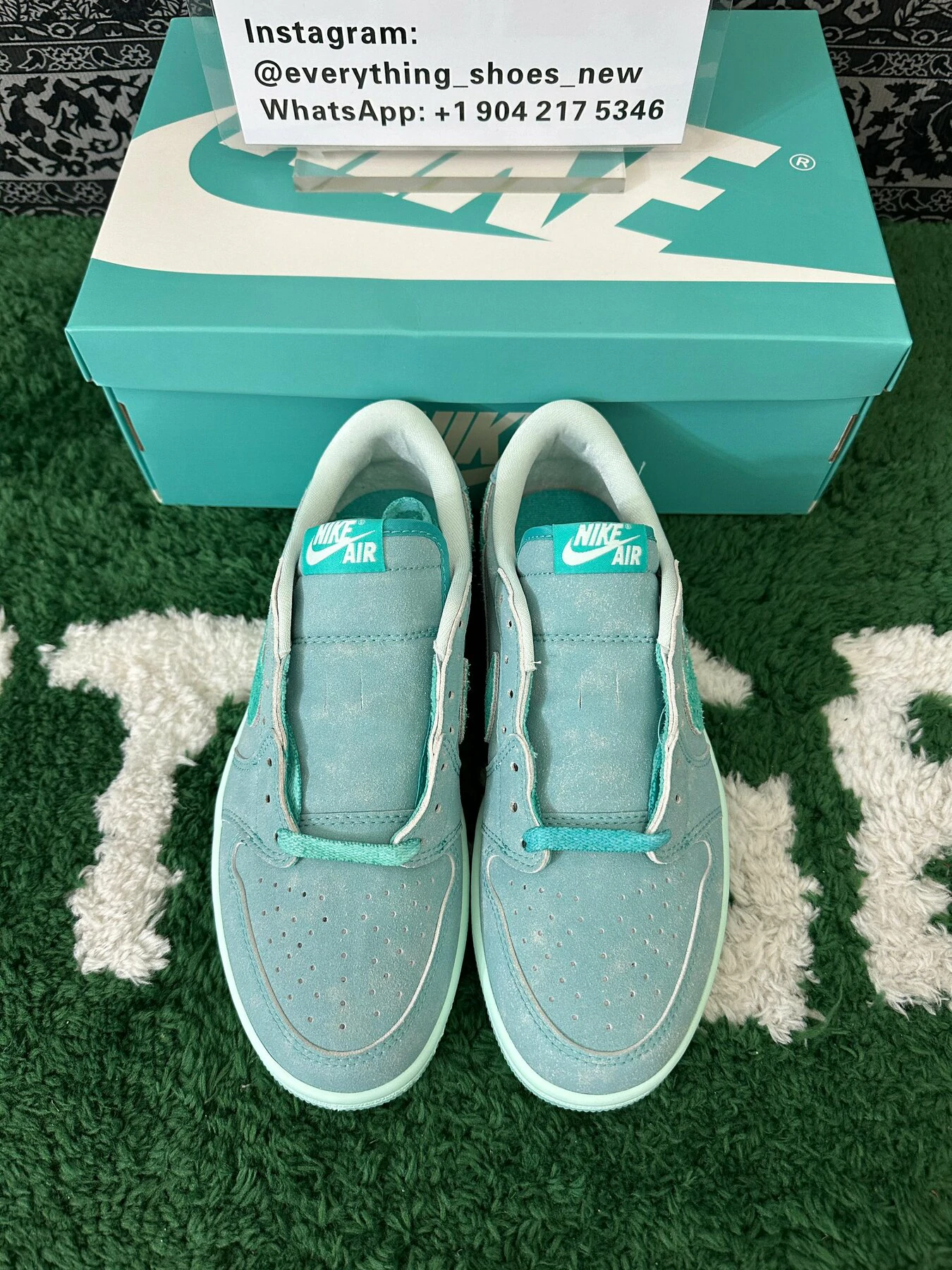
The Jordan 4 retro OG PS is the Preschool build of a silhouette your customers already recognize, sized for kids who are usually between three and five years old. For an independent US shop it is not a hype drop, it is a family-purchase shoe that sells next to adult and grade school pairs. This piece covers what the PS and OG labels actually mean, how the Sizing behaves, what to inspect before you commit to a run, and where the margin usually sits.
Treat it as a stock decision rather than a launch decision. Stores that plan kids' retro inventory the same way they plan adult releases tend to end up with broken size runs and dead stock in odd sizes.
What the PS and OG Labels Change
PS means preschool. In Nike and Jordan numbering that is roughly US 10.5C to 3Y, the band between toddler and grade school. Parents land here when they want a real-looking sneaker instead of a soft-soled baby shoe, and the price step up from TD is usually modest.
OG is the detail that moves money. It marks an original-style build, most visibly Nike Air on the heel tab instead of the Jumpman. OG colorways pull stronger resale interest, and they also pull more counterfeits, so authentication deserves real attention even on kids' pairs.
| Size band | Typical US range | Build notes | Who buys |
|---|---|---|---|
| TD (toddler) | 2C to 10C | Softer upper, flexible sole, simple lacing | Parents of 1 to 3 year olds |
| PS (preschool) | 10.5C to 3Y | Closer to adult styling, lighter materials | Parents of 3 to 5 year olds |
| GS (grade school) | 3.5Y to 7Y | Near-adult construction, scaled down | Older kids, some small-foot adults |
| Adult | 7 to 18 | Full material and cushioning spec | Adults and collectors |
Notice the overlap at the edges. A parent with a kid in 3Y is stuck between PS and GS, and that seam is exactly where your size-run planning has to be sharp.
Fit, Sizing, and Return Rates
Preschool retros generally run true to size in length, but the 4's toe box is not generous. Kids with wider feet often need to go up half a size, and parents will ask that question at the counter. Keep the official size chart printed and visible, and train staff to measure instead of guessing.
Half sizes exist through most of the PS run, which helps, but availability per colorway is uneven. If you are buying the Jordan 4 Retro OG PS for a physical store, order the full run and accept a few slower sizes. Skipping 11.5C and 12.5C saves cash up front and costs you the sale when a parent walks in needing exactly that pair.
Returns on kids' shoes spike when parents size up "to grow into." A pair that is a full size too long creases badly and comes back. A short, honest fit note on the product page, plus insole length in inches, cuts that down noticeably.
Build Differences vs Adult Pairs
Do not describe preschool pairs to customers as identical to adult pairs. Colorway and panel blocking usually match, but the upper materials are lighter, the cushioning is softer, and some stitching gets simplified for weight and cost.
What should still match is the branding detail that defines the OG look. If a preschool pair of the Jordan 4 Retro OG PS shows Jumpman branding where the spec calls for Nike Air, stop and look harder at everything else on the shoe.
Authenticity Checks on Kids' Sizes
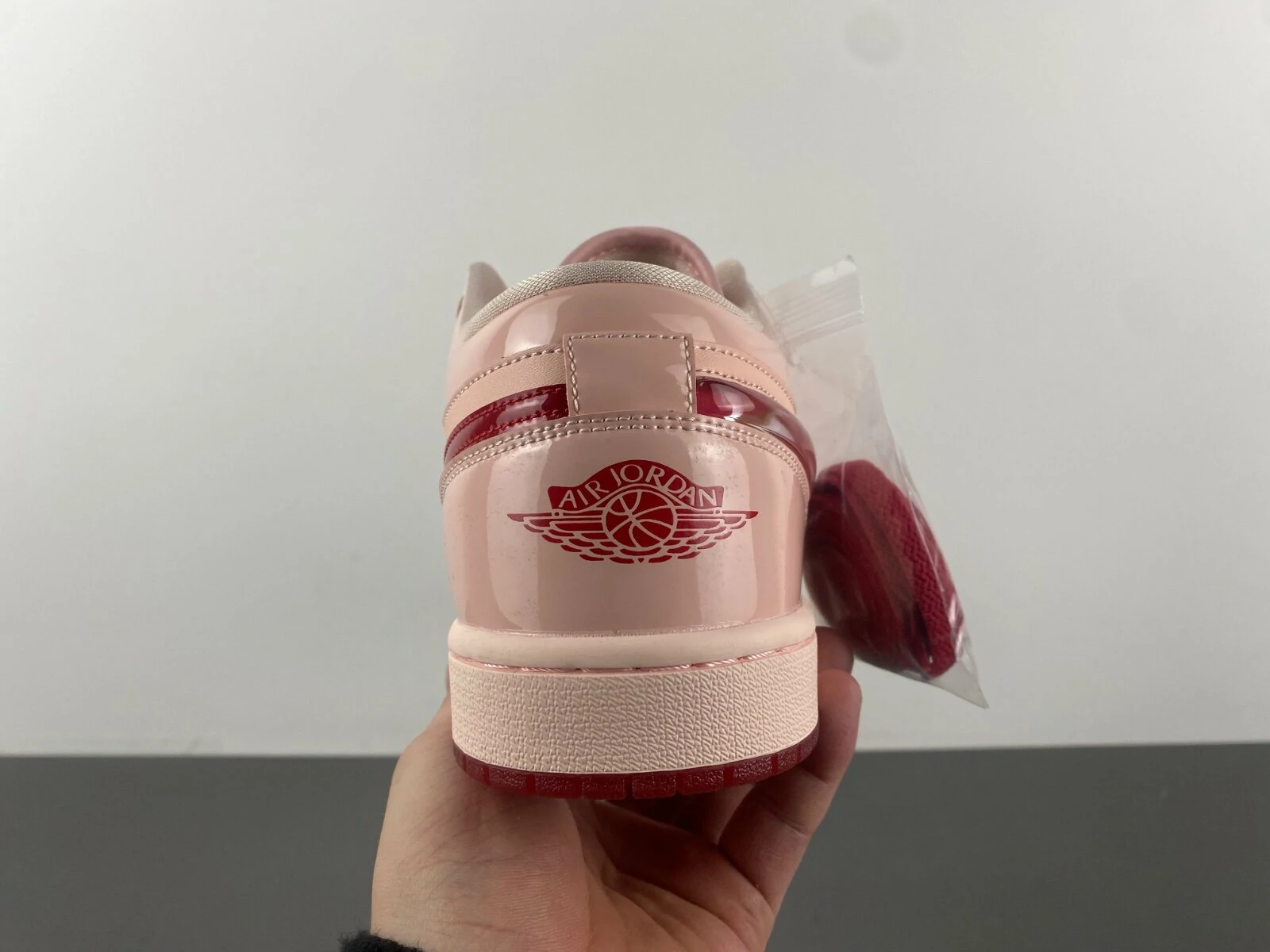
Counterfeiters do produce preschool sizes, because the margin per unit is still there at volume. The checks are the same ones you would run on adult pairs, only smaller and easier to get wrong.
- Compare the box label to the shoe: style code, colorway name, and size must match exactly.
- Read the inner size tag for font weight, spacing, and the country-of-manufacture line.
- Inspect the heel tab logo for crisp edges, correct proportions, and clean embroidery or embossing.
- Check midsole paint lines and the speckle pattern on colorways that use one.
- Look at stitch density around the toe and the wings; uneven spacing is a red flag.
- Weigh the pair. Fakes often feel heavier or unusually stiff through the midsole.
- Confirm your source has a written return policy that covers authentication disputes.
When a batch looks off, send it to a professional authentication service before it reaches the shelf. One bad pair in a small market does more damage to your reputation than the wholesale savings are worth.
Sourcing, MOQ, and Margin Logic
Kids' retro allocation runs thinner than adult pairs on most colorways, so supply favors accounts with a consistent order history. Through authorized distribution, expect to commit to a size run rather than cherry-pick individual sizes. Ask for tiered pricing and a written breakdown of wholesale cost against suggested retail.
Retail on preschool retros typically lands far below the men's price, often somewhere in the $70 to $110 band depending on colorway and region. Treat that as a reference point only, and confirm against the official release sheet before you set shelf price.
On the secondary and liquidation side, preschool Jordan pairs move in mixed lots. Minimum order quantities vary widely by supplier, so get the MOQ in writing before you discuss price. Confirm whether the lot is a full size run or broken, and price a broken run lower because you will sit on the leftovers.
Margin math on kids' sizes works differently from adult. Dollar profit per pair is smaller, so turnover and sell-through matter more than markup percentage. A Jordan 4 Retro OG PS that sells in two weeks at a modest markup beats an adult pair that sits for a season.
Import paperwork and duties deserve a conversation with a customs broker rather than an assumption. Common practice is to classify by upper material and declared value, but rates change and misclassification is expensive. Ask your broker for the HTS guidance in writing before your first shipment clears.
Pre-order checklist for a new colorway
- Verify the official size range and which half sizes are actually produced.
- Set buy quantities per size from last year's sell-through, not from hype.
- Confirm wholesale cost, MOQ, and payment terms in writing.
- Decide your exchange policy for kids' sizing before the first sale.
- Plan shelf space and photography so PS pairs sit next to adult pairs.
FAQ
Does the Jordan 4 Retro OG PS fit true to size?
Most kids fit true to size in length, though the 4's toe box runs narrow. If a child has wide feet or wears thick winter socks, going up half a size is reasonable. Measure the insole and compare it to the official size chart rather than guessing from age.
What age is preschool sizing meant for?
Roughly three to five years old, though foot growth varies a lot between kids. PS covers about US 10.5C to 3Y. Once a child passes 3Y, move the customer into grade school sizing.
Is an OG pair different from a standard retro?
The OG designation refers to original-style details, mainly Nike Air branding on the heel. Standard retro releases may use a Jumpman there instead. For buyers, OG pairs usually hold value better and attract more counterfeit supply.
Can I order preschool pairs in single sizes?
Sometimes, but most wholesale sources push size runs or mixed lots. Ask for the size breakdown in writing and confirm whether substitutions are allowed. Expect better per-pair pricing when you take a full run.
Building a kids' retro program for the coming season? Send us your target size run and colorway list. We will confirm availability, MOQ, and landed cost so you can compare options before you commit to an order.