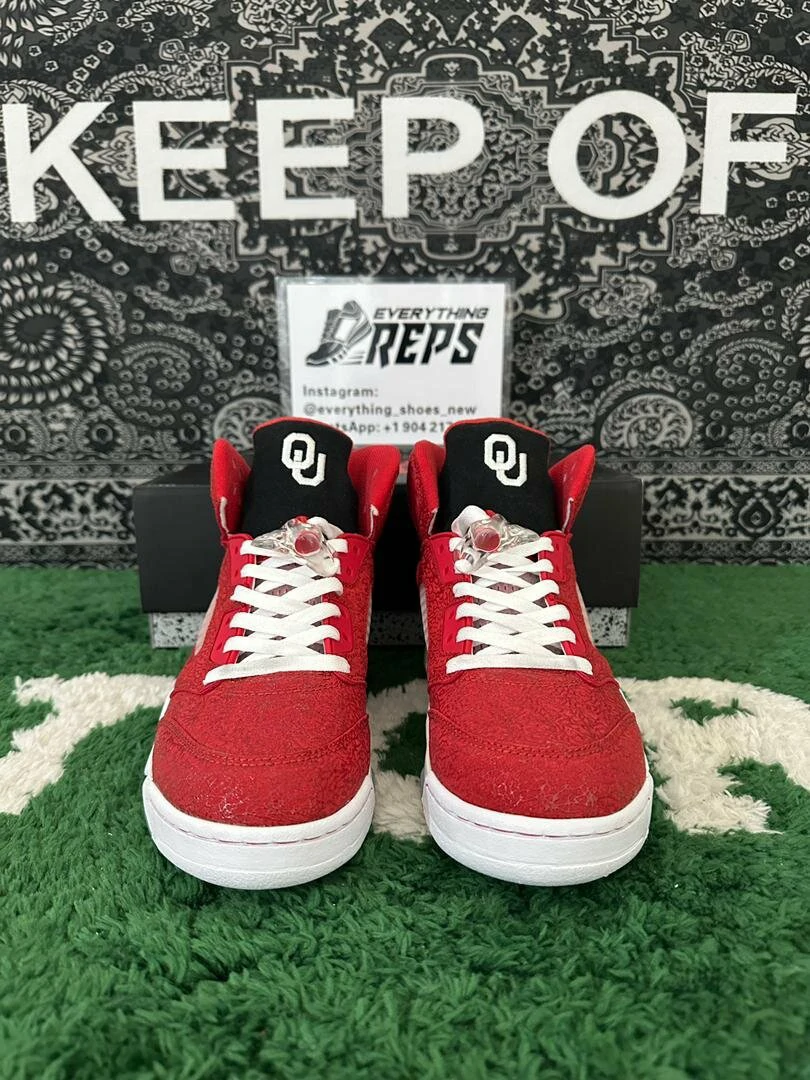
The air Jordan 4 retro mid top basketball sneaker is a mid-cut retro model that many US shoppers recognize by its netted panels, lace wings, and visible heel unit. For an independent shoe store, the question is not whether people know the shoe. It is whether your customer base will buy a full size run at a margin that covers freight, returns, and shelf space. This guide covers fit, Materials, supplier Checks, and a practical way to decide whether to stock it.
What This Retro Model Offers a US Store
On the shelf, the air jordan 4 retro mid top basketball sneaker reads as a lifestyle shoe first and a basketball sneaker second. That matters for merchandising. Your core buyer may be a sneaker collector, a high school player, or a parent replacing a worn pair. Those groups do not respond to the same size run or price point.
The model has a taller collar than a runner, so it pairs well with denim and streetwear displays. It also takes up more box depth than a low-profile canvas shoe. If your stockroom is tight, order shallow on odd sizes and deeper on the middle of the men's run. Confirm the size scale on the supplier's box before you commit.
Store owners often make the mistake of buying only the sizes that sold in a previous Jordan release. Customer demand shifts by colorway, season, and local school schedule. Check your own sell-through by size before you copy a previous buy. A balanced run with a few deep sizes usually beats a wide run with one pair per size.
Fit and Sizing Notes for US Buyers
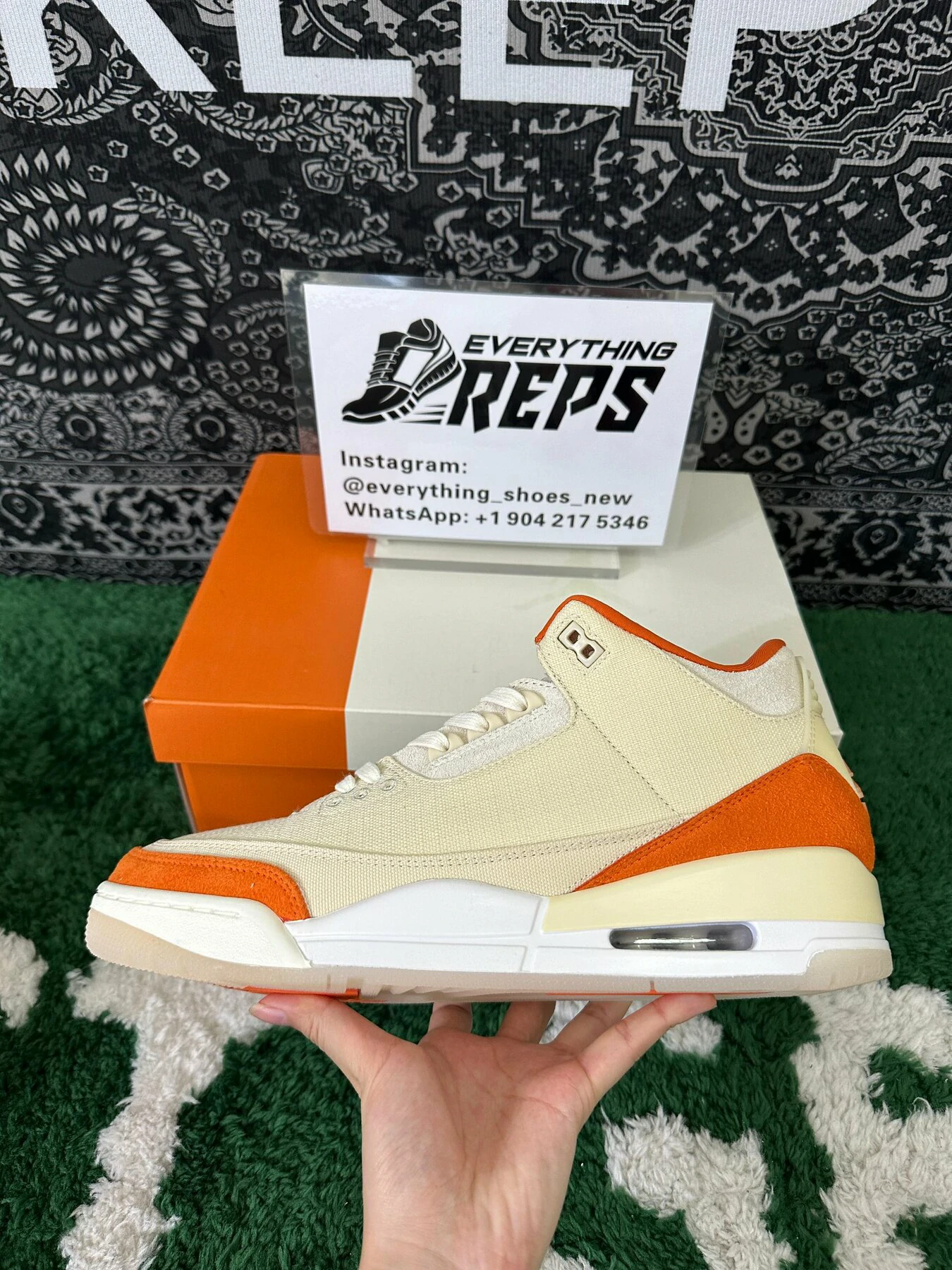
Most customers treat this model as true to size, but fit comments often mention a snug toe box and a firm heel counter. Wide-footed buyers may prefer a half size up, while narrow-footed buyers often stay true. Do not promise a universal fit. Give staff a simple script and point customers to the official size chart.
For a store, the smart move is to record return reasons for every pair. A run that sells well but comes back because of toe pressure is not a clean win. Keep notes by size, width comment, and sock thickness. After two or three reorders, you will see whether your local demand supports half sizes at the top and bottom of the run.
| US size band | Common buyer | Stock note | Return risk |
|---|---|---|---|
| 7 to 8 | Teens and smaller-foot adults | Keep a shallow run unless local schools drive demand | High if you overbuy fashion colors |
| 8.5 to 10 | Core men's and unisex buyers | Deepest coverage in most stores | Lower, but check width feedback |
| 10.5 to 12 | Adult men and tall teens | Order by confirmed sell-through, not by gut feel | Medium; size-specific returns hurt |
| 13 and up | Niche buyers and team athletes | Special order or small depth | High carry cost if slow |
The bands above are planning prompts, not official size guidance. Use your own sales history and the official size chart.
Half sizes matter more on this silhouette than on a low-profile canvas shoe. If your supplier offers only whole sizes, expect some customers to walk away or accept a different fit. Ask whether the run includes US 7.5, 8.5, 9.5, and so on. A broken half-size ladder can leave you with pairs that look complete on paper but fail at the register.
Materials, Construction, and What to Inspect
Material mixes change by colorway. Some pairs lean on nubuck or suede, others use leather panels and mesh netting. When you inspect the air jordan 4 retro mid top basketball sneaker, check the toe panel grain, the netting alignment, and the stitch density around the lace wings. Loose threads and uneven paint at the midsole are reasons to hold a pair, not reasons to negotiate a discount.
Authentication deserves its own step. Compare the tongue label, size tag, box label, and heel logo against a known retail pair or a professional authentication service. Do not rely on one detail, such as a hangtag. Replica makers copy individual features well; they struggle with consistent proportions across the whole shoe.
- Photograph the size tag, box label, and heel logo under neutral light before listing.
- Measure the insole and compare it with the official size chart, not with a competitor's listing.
- Check netting, lace wings, and midsole paint for symmetry and clean edges.
- Ask for a return policy in writing if you buy from a new supplier.
- Set aside suspect pairs for a third-party authentication review.
Storage also affects presentation. Keep suede and nubuck pairs away from direct sun and damp walls. Stuff the toe with paper or a shoe tree so the collar does not fold. If a pair has been tried on, clean the outsole and re-lace it before it goes back on display. Small presentation habits protect the price you can ask.
Sourcing and Margin Checks Before You Buy
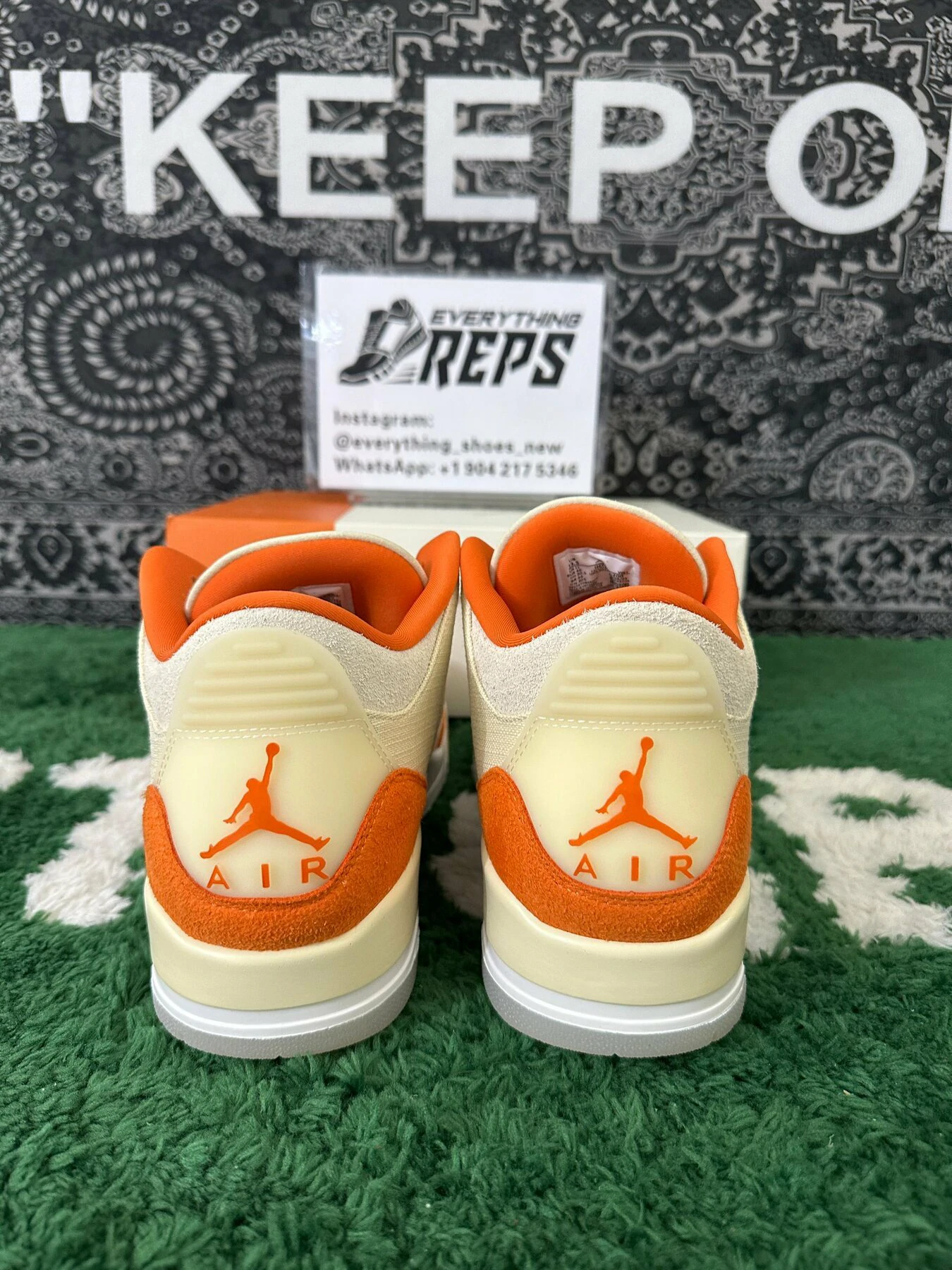
Wholesale availability for retro Jordan models is rarely simple. Ask every supplier whether the air jordan 4 retro mid top basketball sneaker comes as a full size run, a mixed run, or a single-size lot. Get the answer in writing. A low unit price means little if the run is broken and your customers cannot find their size.
Treat MOQ, freight, duties, and returns as part of landed cost. Common wholesale terms vary by supplier, volume, and season; confirm them directly rather than relying on a public price list. For imports, ask a customs broker about classification and duty treatment. Rules change, and a generic blog post is not a ruling.
Ask for a sample before a large order. Photograph the sample from the same angles every time, then compare the next batch against those photos. This is not a full authentication process, but it catches obvious switches in material or labeling. Keep a written record of what you approved.
How to Position It for Independent Shops
Do not treat the air jordan 4 retro mid top basketball sneaker as a pure hype item. Hype fades faster than a good size run. Pair it with basics that share the same customer: crew socks, shoe care kits, and a simple in-store authentication guide. That turns a single shoe sale into a repeat visit.
Online, lead with fit notes and return terms instead of vague claims. Show the box label and size tag where your marketplace allows it. If you sell locally, offer a try-on appointment for high-value pairs. Your advantage over a large marketplace is service, not a race to the lowest price.
Build a simple content plan around the shoe: one fit post, one authentication post, and one care post. That is enough to answer the questions buyers already ask. Avoid claiming that you have official access or guaranteed inventory. Clear limits build more trust than big promises.
Frequently Asked Questions
Is this Jordan 4 true to size?
Most buyers take their normal US size, but the toe box can feel snug for wide feet. A half size up is a common choice for wide-footed customers. Fit also depends on sock thickness. Use the official size chart, and keep a return note so buyers can compare their experience.
What should a store check first on a new supplier?
Start with the size tag, box label, and heel logo photos. Ask for a written return policy and a clear size-run breakdown. A supplier who cannot show consistent labeling across several pairs is a risk. If the deal is large, use a third-party authentication service before listing.
Are retro Jordan 4 materials the same on every colorway?
No. Material mixes change by release. Some pairs use nubuck or suede panels, while others use leather and mesh. Ask for close-up photos of the toe, netting, and lace wings. Compare those photos with a known retail pair. Do not assume that one colorway's feel applies to the next.
How should I price wholesale pairs for my shop?
Build price from landed cost, not from a competitor's sticker. Include freight, duties, payment fees, returns, and slow-moving sizes. Common retail margins vary by store and market; confirm your own numbers with your accountant. A pair that sells fast at a thin margin can still lose money if returns are high.
Do I need a customs broker for small imports?
Not always, but the question is worth asking before you ship. Import rules, duty rates, and documentation depend on value, country of origin, and shipping method. A customs broker can confirm common practice for your shipment. Do not treat a supplier's shipping note as a legal ruling.
Ready to test a buy plan? Request a size-run breakdown, recent photos of the size tag and box label, and a written return policy from each supplier. Compare landed cost before you place a deposit, and start with a depth your store can sell through in one season.