
Jordan 4 retro Release dates are set by the brand, not by your open-to-buy sheet, and that is exactly why they belong in your planning. One calendar shift can push a colorway into a dead week or stack it against three other launches on the same Saturday. What follows covers how the calendar usually breaks down, which drops deserve your cash, and where independent Shops tend to lose money on a Jordan 4 buy.
The short version: treat every release as a four-week sales window rather than a single day. Stores that plan that way keep their size runs intact longer and mark down less.
Why the Calendar Moves Your Cash, Not Just Your Hype
A Jordan 4 launch is still one of the few sneaker events that pulls people into a physical store. Shoppers who come for the drop often leave with socks, laces, or a second pair, so the traffic value is genuine. The catch is that the same drop can swallow a large slice of a small store's seasonal budget in one SKU.
Buyers who work off the calendar spread risk across heritage pairs, collaborations, and general releases instead of betting the month on one Saturday. That spread matters more for a 1,200 square foot shop than for a chain with deep pockets. It also gives you something to sell in week five, when the launch crowd has moved on.
How the Jordan 4 Retro Calendar Usually Breaks Down
Every year looks a little different, but the structure holds. Most Jordan 4 Retro release dates fall into four buckets, and each bucket behaves differently at retail.
OG and Heritage Colorways
White cement, black cement, military blue, and similar classics come back on a loose rotation. These are the safest buys for a store with a broad customer base because demand is predictable across sizes. They also draw the heaviest resale attention, which means your pair count matters more than your colorway pick.
Collaborations and Limited Drops
Designer and boutique partnerships produce the loudest headlines and the thinnest margins for small accounts. Allocation is rarely generous, and the customer who wants them is usually already in an online raffle queue. Buy these for traffic and storytelling, not for volume.
Seasonal General Releases
New colorways in familiar blocking land throughout the year, typically timed around back-to-school, holiday, and spring. They are the workhorse of a Jordan 4 wall: less hype, better size-run sell-through, and easier restock conversations with your supplier.
Restocks and Kids Sizing
Restocks quietly fill demand you already missed, and they are the cheapest way to rebuild a sold-out size run. Kids' and preschool pairs move on a different curve, often to parents who never open a sneaker app. Track that inventory separately from men's stock.
Matching the Drop Type to Your Buy
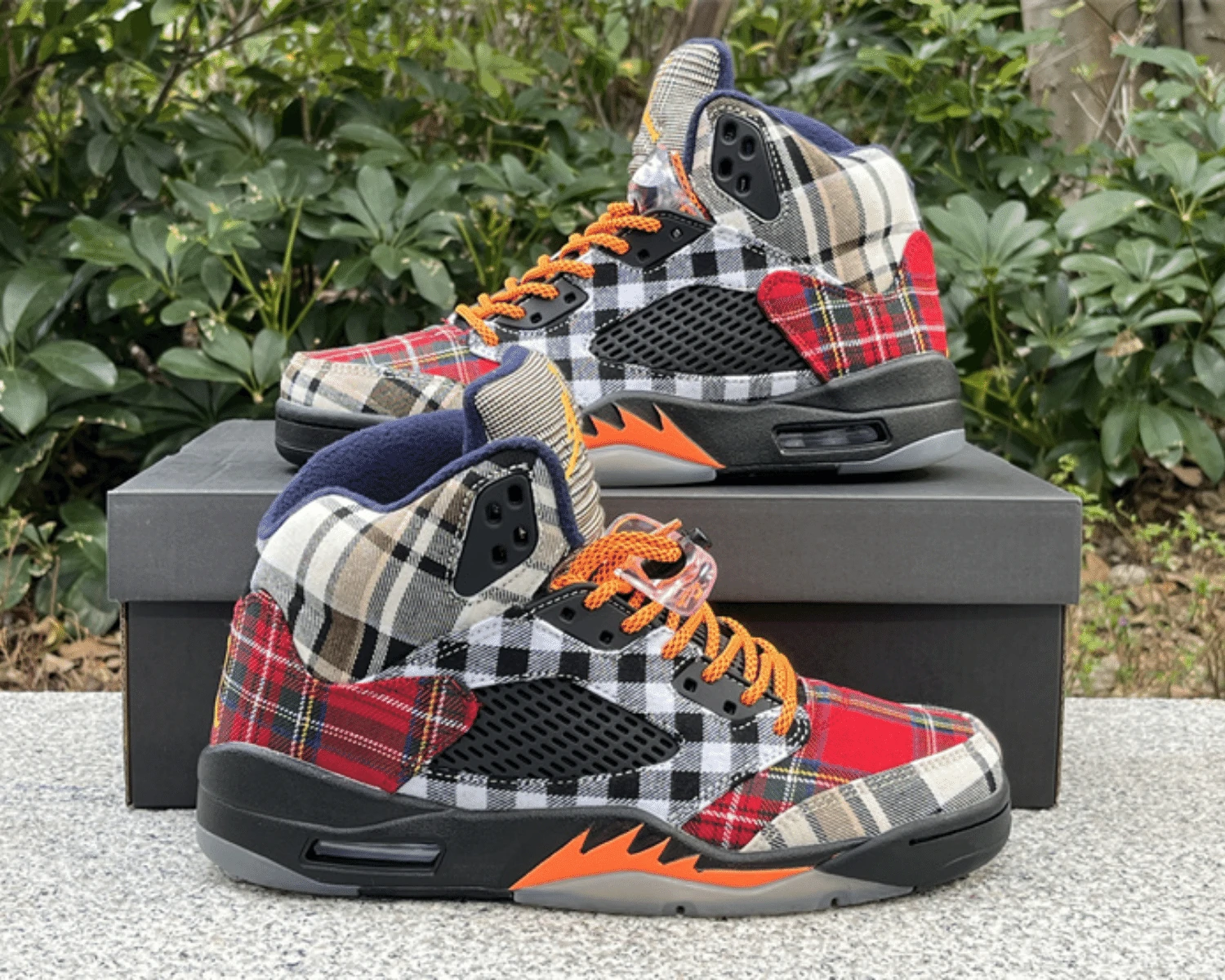
Not every release deserves the same shelf space, and not every shop should chase the same pair. The Jordan 4 Retro release dates you chase should match the customer you already have, not the one a sneaker forum says you should want. Use the table below as a starting point for allocating a seasonal budget.
| Release type | Cash commitment | Typical customer | Buyer action |
|---|---|---|---|
| OG or heritage retro | High, deeper size run | Collectors and everyday wearers | Buy early, hold the full run through week three |
| Collaboration or limited | Medium, small counts | Hype buyers and resellers | Buy for traffic, avoid paying over wholesale |
| Seasonal general release | Medium and steady | Families, students, casual buyers | Reorder best sizes mid-season |
| Restock or kids pairs | Low | Parents and replacement buyers | Use to close gaps, not to build a story |
Two columns do most of the work: how fast the money comes back and how wide the size curve runs. A collaboration that sells out in two days at low margin is worse for cash flow than a general release that trickles for six weeks. Run that comparison before you sign off on any purchase order.
A Pre-Release Checklist for Buyers
- Confirm the date on the brand's own calendar and your account portal, not on an aggregator blog.
- Cross-check the style code and official colorway name before the PO goes out.
- Pull last year's sell-through on comparable Jordan 4 colorways, sorted by size.
- Set a walk-away price before the first wholesale quote lands on your desk.
- Line up authentication before product arrives, not after a customer complains.
- Write your markdown date at week four in case the size run stalls.
Step four is where most losses start. A buyer who decides the ceiling price in the moment tends to pay it, especially when allocation is thin and three other shops want the same run. Write the number down while you are calm, then hold it.
Sizing, Authentication, and the Returns You Eat
Jordan 4 sizing runs close to true for most customers, with a slightly snug midfoot and a roomier toe box. Wide-footed buyers often go up a half size, and anyone wearing an 11.5 in a running shoe should try a 12 first. Keep the official brand size chart at the counter and on every product page, because guessing costs more than a printed chart.
Authentication is the other place margin disappears. Check stitching density around the toe and heel, tongue label alignment, the midsole paint line, and the box label font. When a deal looks too good, pay for a third-party legit check before the pairs reach the floor.
Sourcing through wholesale sneaker suppliers or liquidation channels adds a layer of risk. Ask for style codes up front, request photos of the actual pairs rather than stock images, and get the return policy in writing. Terms vary widely, so confirm everything with your supplier before you commit volume.
FAQ
Where do Jordan 4 Retro release dates get announced first?
The brand's own channels and your authorized account portal are the reliable sources. Sneaker media and calendar sites are useful for early signals, but they update late and occasionally get colorway names wrong. For buying decisions, treat unofficial calendars as tips and confirm against the official listing before committing inventory dollars.
Do Jordan 4 Retros restock after release day?
Sometimes, and unpredictably. Popular heritage colorways often return months later, while collaborations rarely do. Build restock expectations into your plan as an opportunity, not a guarantee, and keep a short reorder list ready so you can act when a supplier confirms available pairs.
Are US and overseas release dates the same?
Often close, but not identical. Regional calendars can differ by days or weeks, and some colorways stay exclusive to one market. If you import, match the style code rather than the date, and confirm with your freight forwarder and customs broker how the shipment will be classified.
Should a small shop pay above retail before launch?
Rarely. Paying a premium before release compresses your margin and puts you in direct competition with resale platforms on price. If you need pairs for a specific customer, buy a small, targeted run and keep the rest of your budget in styles with predictable sell-through.
Planning a buy around the next few drops? Send us your size run, colorway wish list, and target landed cost. We will confirm availability, current wholesale terms, and lead times so you can commit with real numbers in front of you.