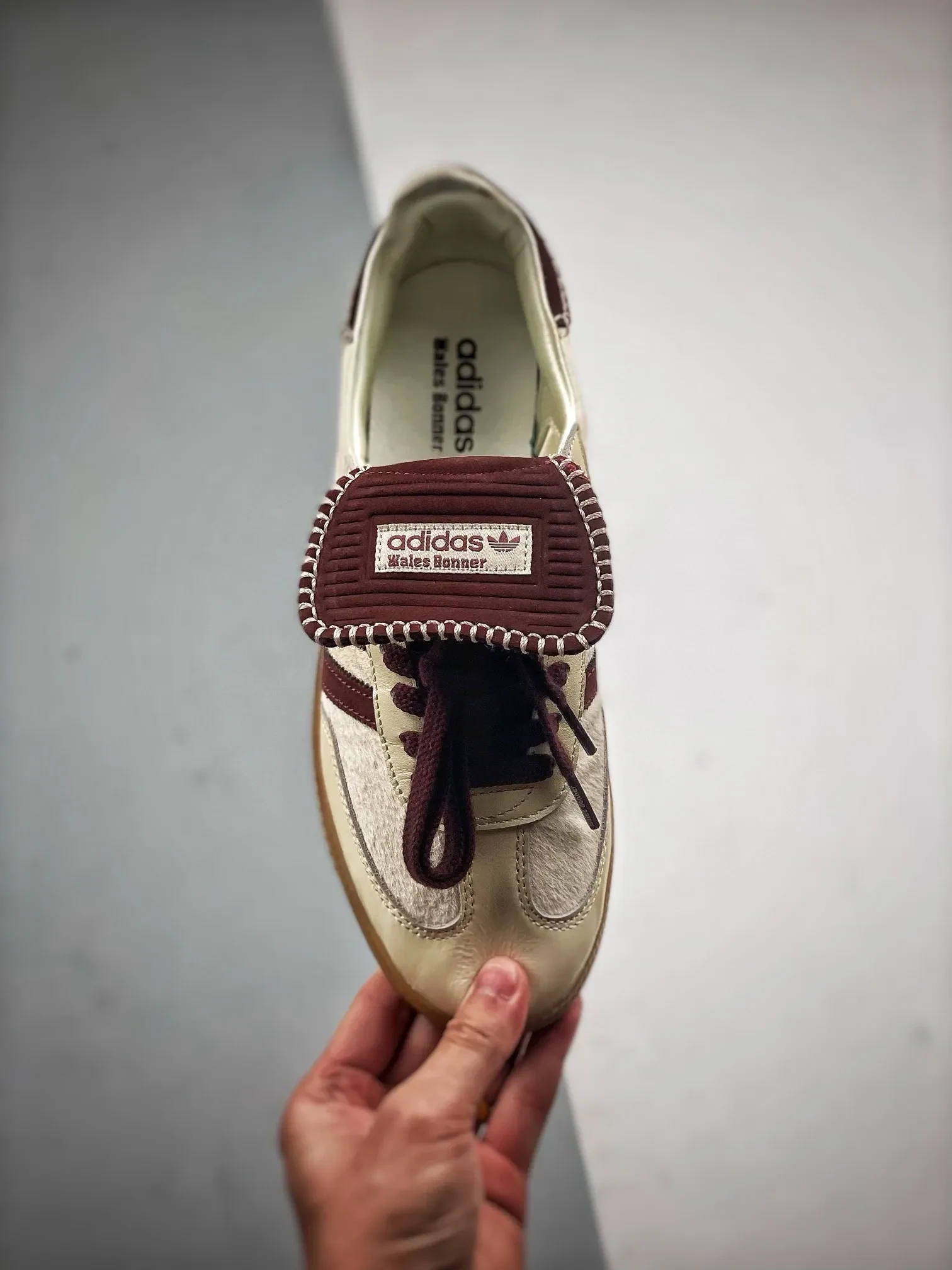
The adidas superstar slip-on fit runs close to true to size for most wearers, but the laceless upper leaves almost no room to adjust once the shoe is on. Narrow-footed buyers often go a half size down; buyers with a wide forefoot usually stay at their normal size and accept a firmer feel across the toes. What follows covers how the shoe actually fits, what to tell customers at the counter, and how to plan a size run that keeps returns down.
Why a Laceless Superstar Fits Differently
The Superstar Slip-On keeps the shell toe and the general footprint of the original Superstar, then swaps the laces for crisscross elastic bands. That one change drives most of the fit feedback. Without laces you cannot tighten the midfoot or loosen the vamp, so the shoe either matches the shape of the foot or it fights it.
Shell toe construction matters just as much. It is a stiff rubber cap that does not soften the way a textile toe box does. Whatever room exists on day one is roughly the room that will exist in month three.
Upper materials change by colorway. Some pairs come in a soft knit or textile, others in a synthetic leather-style finish. Softer uppers feel more forgiving on the first wear, yet none of them will widen the shell. Check the material listed for the specific colorway you are selling rather than assuming it matches the pair on your shelf.
Matching Foot Shape to Size
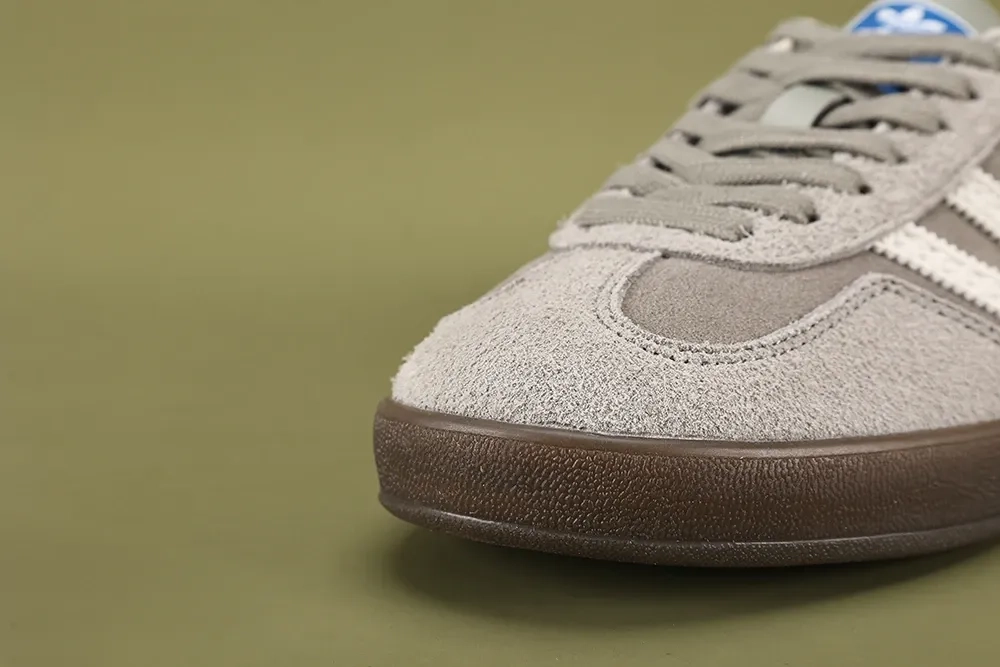
Foot shape matters more than the size conversion charts customers bring in from other brands, and the adidas superstar slip-on fit follows that rule. Use the patterns below as a starting point, then confirm against the official adidas size chart before you advise anyone. These are general tendencies reported by wearers and shop staff, not guarantees.
| Foot profile | Starting size vs. a laced Superstar | What usually happens | Return risk |
|---|---|---|---|
| Narrow, average arch | Same size, or a half size down | Snug across the straps at first, then relaxes after a few wears | Low |
| Between two sizes | Half size down | Heel stays seated, toe box still has room | Medium |
| Wide forefoot | Normal size | Pressure at the shell toe that will not ease much | High |
| High instep | Normal size, or a half size up | Straps feel tight across the top of the foot | Medium to high |
| Narrow heel, wide toe | Try both sizes in store | Either heel slip or toe pressure, rarely both solved | High |
One label detail is worth checking before you compare anything. Many Superstar Slip-On colorways are sold on a women's size scale in the US, which throws off customers who convert from a men's size they know. Verify the scale printed on the box before you recommend a number.
A Try-On Checklist for the Sales Floor
Most adidas superstar slip-on fit complaints start at the try-on rather than at the factory. A two-minute sequence catches the bad fits before the customer walks out with the wrong pair.
- Measure both feet late in the day, standing, since feet swell and one foot is usually longer.
- Compare the longer foot's measurement to the official adidas size chart for that specific model, not to a generic conversion table.
- Pull the insole from a sample pair and measure it heel to toe, then compare it to the customer's measured length with about a thumb's width of clearance at the front.
- Have the customer try the shoe with the socks they actually plan to wear, thin or thick.
- Ask them to walk on a hard floor, not carpet, and watch the heel for lift on each step.
- Note where the straps press across the instep. If the pressure is sharp rather than snug, try the next size up before giving up on the model.
Online sellers can borrow three of these points for the product page. Posting the measured insole length in inches and repeating it in the sizing tab answers most pre-sale questions and cuts down on exchanges.
Stocking and Wholesale Planning
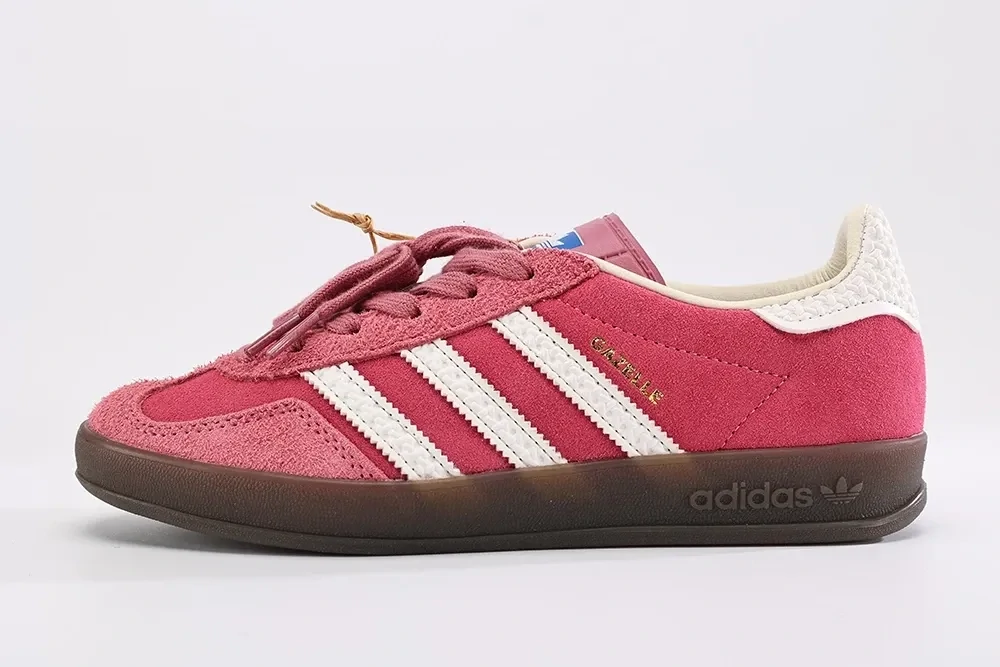
Returns tied to the adidas superstar slip-on fit hurt more than they do on a laced shoe, because the buyer cannot fix the problem with a different lacing pattern. Track returns on this model separately from the rest of your adidas business so the number stays visible.
Depth belongs in the middle of the run. For most stores that means the sizes around the center of the women's scale, with lighter quantities at both ends. Extremes sit longer and end up in markdowns, which eats the margin you made on the fast movers.
When you buy wholesale, ask for a size-run breakdown instead of a flat quantity. Mixed packs weighted toward the middle sizes usually turn faster than an even split, though the right curve depends on your customer base. Sample a pair in your own size first, wear it for a week, and keep notes on how the straps relax before you commit to a deep buy. Typical minimums and pack sizes vary by supplier, so confirm the details in writing rather than assuming.
Fit Mistakes That Cost You Money
Sizing up out of habit is the most common error. Customers who wear a half size up in laced sneakers often do the same here, and the result is a heel that lifts with every step. In a laceless shoe there is nothing to cinch down afterward.
Assuming the upper will stretch is the second. Knit and textile uppers soften and conform slightly, but the shell toe does not move. A pair that pinches at the toes on day one will still pinch in week six.
- Comparing a women's-scale label to a men's size without checking the box.
- Trying the shoe on with thick socks, then wearing it barefoot or with no-shows.
- Judging fit while seated, when the foot spreads under body weight.
- Trusting a brand-to-brand conversion instead of a measured insole length.
Keep a simple log at the register for the first month of a new colorway. Two or three notes about who returned what, and in which size, tell you more than any general sizing chart.
Common Questions From Buyers
Does the adidas superstar slip-on fit run big, small, or true to size?
For most wearers it lands close to true to size in length, with a slightly long feel in some colorways. The bigger variable is width across the forefoot, since the shell toe does not give. If a customer is between sizes and has a narrow foot, a half size down is the usual recommendation.
Should I size down in the Superstar Slip-On?
Only if the foot is narrow or the customer sits between two sizes. Sizing down on a wide forefoot trades heel slip for toe pressure, which is the worse problem in a shoe that cannot be loosened. Measure first, then decide.
Can the elastic straps be adjusted?
No. The crisscross bands are fixed at the factory, so the only fit adjustment available is sock thickness. They do relax slightly with wear, which is why a snug first feel is usually acceptable and a tight one is not.
Will the shell toe stretch out?
The rubber cap holds its shape. Some pairs have a softer lining behind the shell that settles a little, but do not promise a customer that a pinching toe box will open up. If it presses on the toes in the store, it will keep pressing.
How should online sellers handle sizing questions on this model?
Publish the measured insole length, state whether the colorway is on a women's or men's scale, and describe the width as medium to slightly narrow. Add a line telling buyers to size down a half size if they are between sizes with a narrow foot. Clear text lowers exchange rates more than any return policy.
Planning a buy for the next season? Ask for a size-run breakdown, the current colorway list, and a sample pair in your own size before you commit to volume. Send your target sizes and quantities and we will put together options that match how this model actually sells.