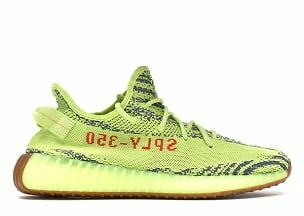
The adidas ultraboost eg8101 is an article number before it is a shoe. That code is what separates one UltraBoost colorway from the other pairs sitting in the same size run, and it is the field that settles most supplier disputes before they start. For a US shop, the number carries more weight than the nickname, because nicknames drift between seasons and article numbers do not.
What follows covers the build details worth confirming, the fit questions your staff will field, authenticity checks that catch most bad lots, and the math to run before a reorder.
What the Article Number Actually Tells You
On the UltraBoost line, an article number points to one specific colorway and build. EG8101 sits inside a family that has been retooled many times since the original 1.0, so two pairs with similar color blocking can still differ in knit pattern, side cage, heel counter shape, and outsole rubber.
That is why a photo of the shoe alone is not enough. Ask for the box label, the size tag inside the shoe, and a straight-on shot of the midsole. If the seller can only show a catalog image, treat the listing as unverified no matter how clean the price looks.
When a listing shows adidas ultraboost eg8101 at a price well under the rest of the market, the gap usually comes from one of three things: a different generation, a B-grade or damaged pair, or a fake. Ask which one applies. A supplier who cannot answer in specifics has answered you anyway.
Fit and Sizing: What to Tell Customers
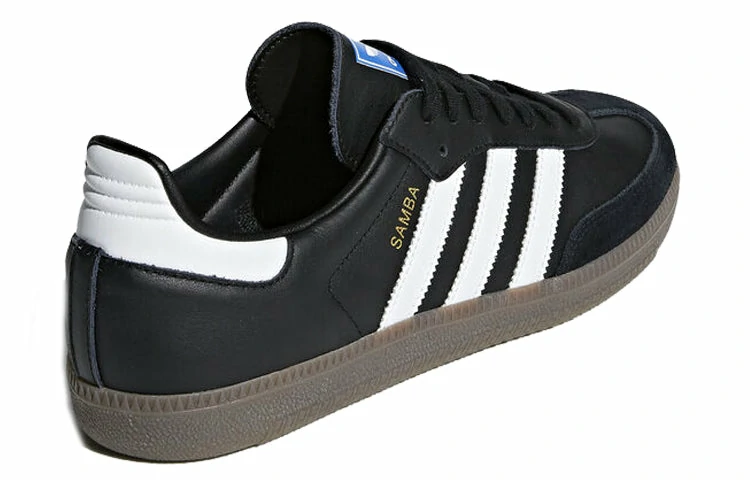
UltraBoost runs close to true to size for most US buyers. The knit upper gives across the forefoot, so a customer who wears a 10 in other running shoes usually takes a 10 here. Wide feet and high insteps are the exception, and a half size up is a fair recommendation for them.
Do not publish a blanket runs small note on your product page. It pushes people into the wrong size and adds returns. Link to the official adidas size chart instead and let shoppers measure their feet in centimeters.
Planning the size run
Middle sizes carry the volume, so weight your first order there. Extremes sell slower, and a size 13 or 14 can sit for months at full price. A shallow run with a fast reorder beats a deep run you end up discounting.
Men's and women's conversions
Many UltraBoost listings are sold in men's sizing, so a woman who wears a women's 8 usually needs a men's 6.5 in the same build. Keep the conversion chart at the register and in your listing template. It is a small fix that removes a predictable share of return requests.
Authenticity Checks That Catch Most Fakes
Boost foam is the hardest part to copy well, so start there. Genuine Boost has a visible pellet texture and springs back when you press it with a thumb. Painted EVA textured to look similar stays firm and wears as chipped paint instead of compressed foam.
Then check the details fakes rush. Heel counter stitching should sit even and tight, the three stripes on the cage should line up with the eyelets, and the Continental outsole mark should be clean rather than smeared. Box labels help as a cross-check, since font weight and spacing stay consistent on genuine labels.
For any lot of adidas ultraboost eg8101, request the interior size tag before you pay. It should match the box label on article number, size, and production window. If a seller stalls on that request, walk away; a legitimate supplier will not mind one more photo.
Sourcing Channels and Margin Reality
Most independent shops end up with a mix of channels rather than one. Brand wholesale accounts bring stable supply but come with seasonal commitments. Distributors and closeout lots fill gaps, and every step away from the brand adds paperwork you need to keep on file.
| Channel | Typical order size | What to request | Authenticity risk | Best use |
|---|---|---|---|---|
| Brand wholesale account | Seasonal, multi-style commitments | Account terms, retailer verification | Low | Building repeatable core stock |
| Authorized distributor | Case packs, mixed sizes | Invoice trail, box label photos | Low to moderate | Filling size gaps quickly |
| Closeout and liquidation lots | Pallets or assorted lots | Manifest, condition notes, return policy | Moderate to high | Testing price points, off-price events |
| Marketplace and social sellers | Single pairs to small bundles | Size tag, box label, dated photos | High | One-off fill-ins, not core stock |
Order sizes vary widely by channel and season, so treat the column above as a starting question, not a benchmark. Whatever the channel, work from landed cost rather than unit price. Add freight, duties, payment fees, and a returns reserve before you compare anything to your shelf price.
UltraBoost keeps resale interest because the Boost midsole is comfortable and shoppers recognize it on sight. Even so, the adidas ultraboost eg8101 will not carry the margin of a limited Jordan drop. Planning for hype-level returns on a general-release running shoe is how overstock starts.
A Reorder Checklist Before You Commit
Run this list every time, even with a supplier you have used for years. The real cost of a bad lot is not the invoice, it is the shelf space plus the customer who bought the fake.
- Confirm the article number matches on the box label, the interior size tag, and the invoice.
- Ask for the production window and which generation of the build it is.
- Request dated photos of at least two sizes, including a close-up of the size tag.
- Check the Boost pellet texture and the flex of the midsole in hand or on video.
- Verify heel counter stitching, cage alignment, and outsole marking.
- Get the return policy in writing, including who pays return freight.
- Compare landed cost against your target margin, not against MSRP.
- Place a small test order before committing to a full size run.
Log the supplier, date, lot details, and anything you found during inspection. Six months later, that record is the fastest way to know whether a repeat order is safe or whether the last batch was a fluke.
FAQ
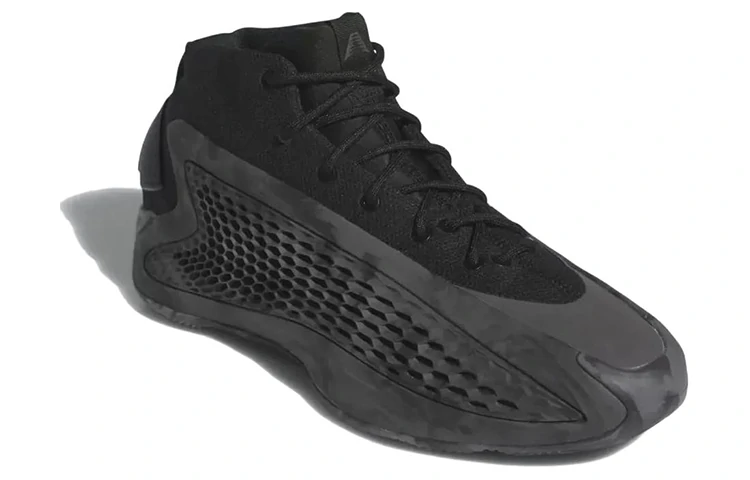
Is the adidas ultraboost eg8101 true to size?
For most US buyers, yes. The knit upper allows some room across the forefoot, so someone who wears a 10 in another running shoe usually takes a 10 here. Wide feet and high insteps are the exception, and a half size up is reasonable for them. Point customers to the official adidas size chart for exact measurements.
How many pairs should a small shop order first?
Start with a test order instead of a full run. Two or three pairs in the middle sizes and one each at the extremes is usually enough to read demand. If sell-through looks healthy after a few weeks, reorder the middle sizes first, since they turn fastest and are hardest to restock later.
What photos should I demand from a new supplier?
Ask for the box label, the interior size tag, the heel counter stitching, and the outsole. Photos should be dated and show the actual pair, not a catalog shot. Once a lot runs past a few dozen pairs, third-party authentication is cheap insurance and worth the fee.
Does the article number change between seasons?
Yes. New colorways and refreshed builds usually get new article numbers, so the same silhouette can carry several codes in a single year. That is why the number, not the model name, belongs on your purchase order and in your inventory notes.
Pricing a first order or comparing two suppliers on this model? Send the article number and your target quantity, and ask for a quote with landed cost broken out by line. A supplier who answers those questions in writing is usually the one worth a test order.