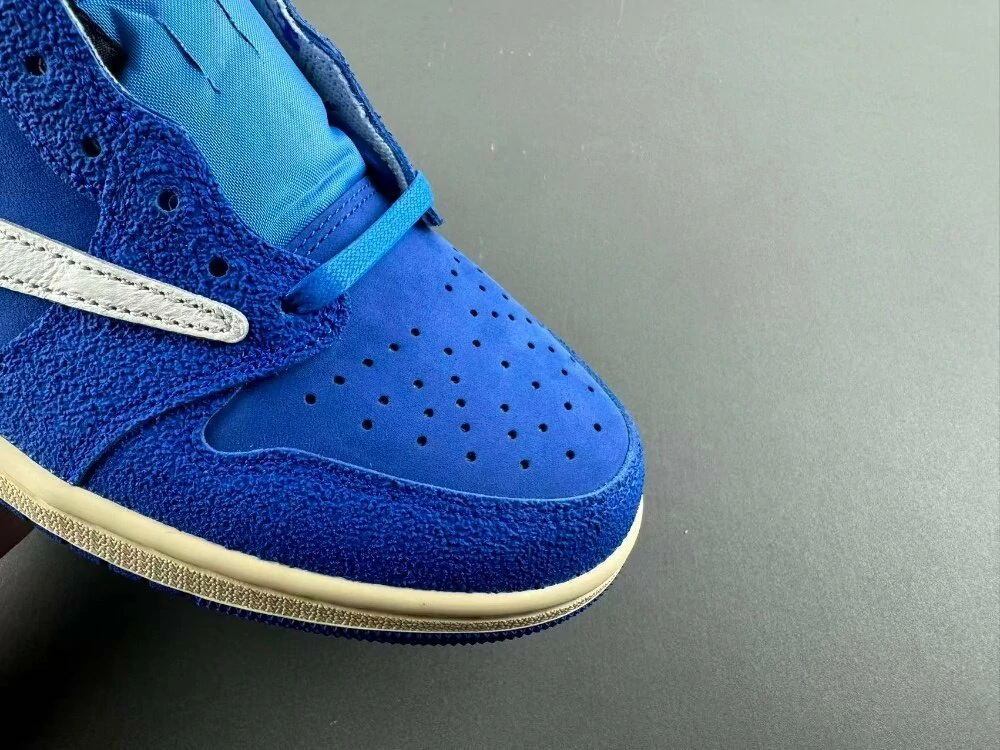
If you run a women's sneaker wall, the Nike Dunk Low Disrupt womens Black is worth a small, disciplined order rather than a deep one. It moves for shoppers who like the Dunk shape but want a thicker sole and a layered upper, and it stalls when it is the only black Dunk you carry across a full size run. Below: what the shoe actually is, how it fits, how it compares with the other black Dunk buys on your shelf, and how to vet a supplier before you wire money.
What the Shoe Is, and Who It Sells To
Nike builds the Disrupt on the Dunk last but gives it a different stance. Layered panels with exposed edges and visible stitching make up the upper, and the midsole sits taller than a standard Dunk Low, with a rubber piece that wraps up the heel. Black versions usually pair black leather or suede overlays with a white or black midsole.
Seasonal naming shifts with each drop, so match on the SKU rather than the nickname. A customer asking for "the all-black Disrupt" may mean three different releases from three different years.
That extra volume is the selling point. Shoppers who find a standard Dunk too flat gravitate to it, and the profile photographs clearly in a thumbnail, which helps online listings convert. It is a lifestyle shoe, not a skate shoe, so keep it off the SB shelf.
The buyer base is narrower than a black-and-white Dunk Low. Expect women in their twenties and thirties buying for outfit building, plus a slice of shoppers who want lift without a full platform shoe. Men buy it too, usually in the small men's sizes that convert out of women's sizing.
Sizing, Fit, and Returns
Most shoppers take their usual women's size in the Nike Dunk Low Disrupt Womens Black, and the forefoot runs slightly roomy, which helps wide-foot customers. Narrow feet often prefer a half size down. Print the official size chart for the counter and link it on every product page, because guessing costs you return shipping.
The midsole drives most complaints. It is stiff out of the box and needs a few wears to soften, so say that at checkout instead of letting a customer discover it on day one. Cushioning is basic, in line with the rest of the Dunk family.
This model is sold in women's sizing only, so publish a conversion note. Women's size minus 1.5 gives the men's equivalent, which is how most male buyers will shop it. Wide feet can usually stay true to size, while high arches may need a half size up for volume.
Comparing the Disrupt Against Other Black Dunk Buys
A black Dunk shelf needs one anchor and one accent, not four versions of the same idea. The table below is a quick read on where the Nike Dunk Low Disrupt Womens Black fits against the alternatives a US shop typically stocks.
| Option | What it adds to the shelf | Fit note | Stock risk |
|---|---|---|---|
| Dunk Low Disrupt (black) | Taller midsole, layered upper, strong profile shot | Roomy forefoot; narrow feet go half down | Medium: narrow buyer base, slow on the largest sizes |
| Dunk Low Retro (black/white) | The default black Dunk; broad appeal | Snug at first, breaks in fast | Low, but heavy online price competition |
| Dunk Low Next Nature | Recycled-content story for eco-minded shoppers | Close to the Retro fit | Low to medium |
| Court Vision Low | Entry price point for value shoppers | Runs slightly narrow | Low risk, thin margin |
Use the table as a starting point, not a rule. A store near a campus will sell the Disrupt faster than a suburban shop that serves mostly parents, and your own sell-through should outweigh any generic ranking.
Vetting Suppliers and Reading an Offer
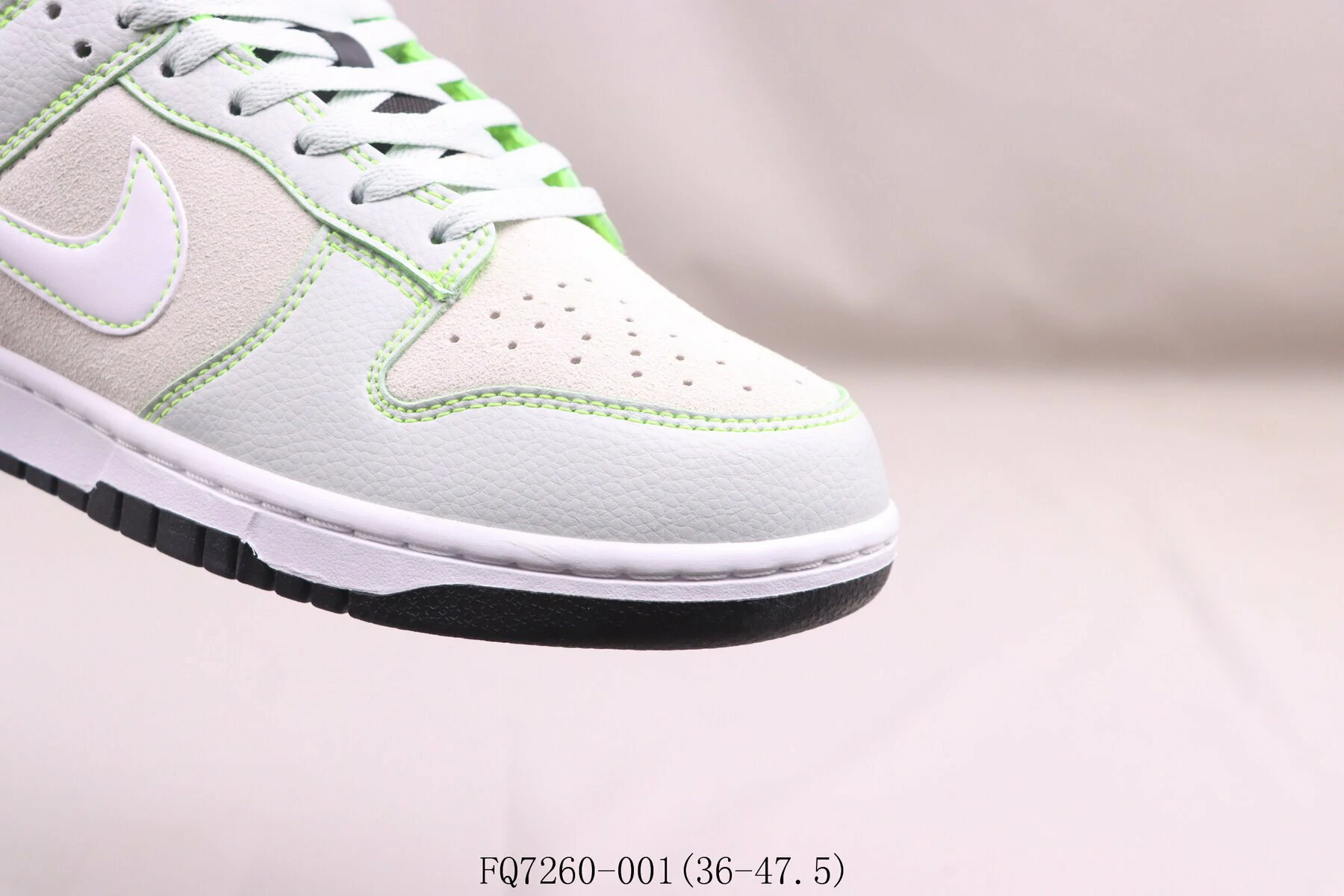
Wholesale offers on the Nike Dunk Low Disrupt Womens Black range from authorized distribution to pallet closeouts, and the paperwork quality drops as you move down that line. Ask for the account name behind the stock, a recent invoice with buyer details redacted, and a straight answer on whether the goods are first-quality or irregular.
Minimum order quantities get quoted in ranges rather than fixed numbers. Small wholesale accounts commonly see something like 12 to 24 pairs per style, sometimes broken by size run, while closeout and pallet deals sell by the lot. Treat every figure as negotiable, confirm it in writing, and verify duties and import fees with a customs broker rather than a sales rep.
Run authentication on the first shipment before you list it. Check the SKU on the box label against the tag inside the shoe, compare stitching density and midsole paint across both shoes, and weigh a pair against a known-good pair. On a large order, pay for a professional authentication service and build that cost into your margin.
Order Checklist Before You Pay
Work through this list on every new supplier, even one recommended by a fellow buyer. It takes about ten minutes and it catches most of the problems that show up later.
- Confirm the SKU, colorway name, and size run in writing.
- Request photos of the actual box labels and both shoes, not catalog images.
- Ask whether the stock is first-quality, irregular, or customer returns.
- Get payment terms and the refund policy on rejected pairs.
- Pin down the ship date and the carrier in the quote.
- Buy a sample pair whenever the order size justifies it.
Margins, Size Curves, and Reorder Triggers
Do not order a flat size run. On women's Dunk models the middle sizes carry sell-through and the extremes sit, so a 1-1-2-2-2-1-1 curve beats six pairs of each. Break the run yourself where you can, and price the slow sizes to move before they age on the shelf.
Watch two numbers: weeks of cover and full-price sell-through. If the colorway clears at full price in under three weeks, reorder. If it needs a discount to move at six weeks, cut the next order and put the money into a different accent.
Cash flow matters more than depth on a shoe with a narrow buyer base. Two small orders a season beat one deep order that ties up capital and leaves you holding the largest size at the end of the run.
Frequently Asked Questions
Does the Nike Dunk Low Disrupt run true to size?
It runs close to true, with a slightly roomy forefoot. Most women stay with their normal size, narrow feet often go a half size down, and high-volume feet sometimes go up. Check the current official size chart, since Nike adjusts lasts between releases.
Is this a women's shoe only?
Nike sells the Disrupt in women's sizing, so the run starts there. Men can wear it by converting: subtract 1.5 from the men's size to find the women's equivalent. Keep the small end of the men's range in stock if your male customers ask for it.
How many pairs should a small shop order first?
Start with a single size curve of 8 to 12 pairs of the Nike Dunk Low Disrupt Womens Black and let sell-through decide the rest. Test the accent before you test depth. A reorder placed at three weeks tells you more than a large first order based on someone else's recommendation.
How do I spot a risky wholesale offer?
Legitimate sellers answer SKU, condition, and payment-term questions in writing without pressure. Red flags include catalog photos instead of box-label photos, refusal to name the source account, wire-only payment with no refund terms, and prices far below market. Slow down on any deal that needs a decision today.
Does the black colorway crease badly?
Leather and suede overlays on Dunk models crease at the toe box with normal wear, and that is expected rather than a defect. Tell customers to use shoe trees and skip machine washing. For resale-grade stock, keep pairs stuffed and boxed.
Building a black Dunk assortment for the next season starts with one good sample and one honest supplier. Request a current availability sheet with SKU-level detail, condition grading, and payment terms in the same email, then compare two or three sources on paper before you commit to a size run.