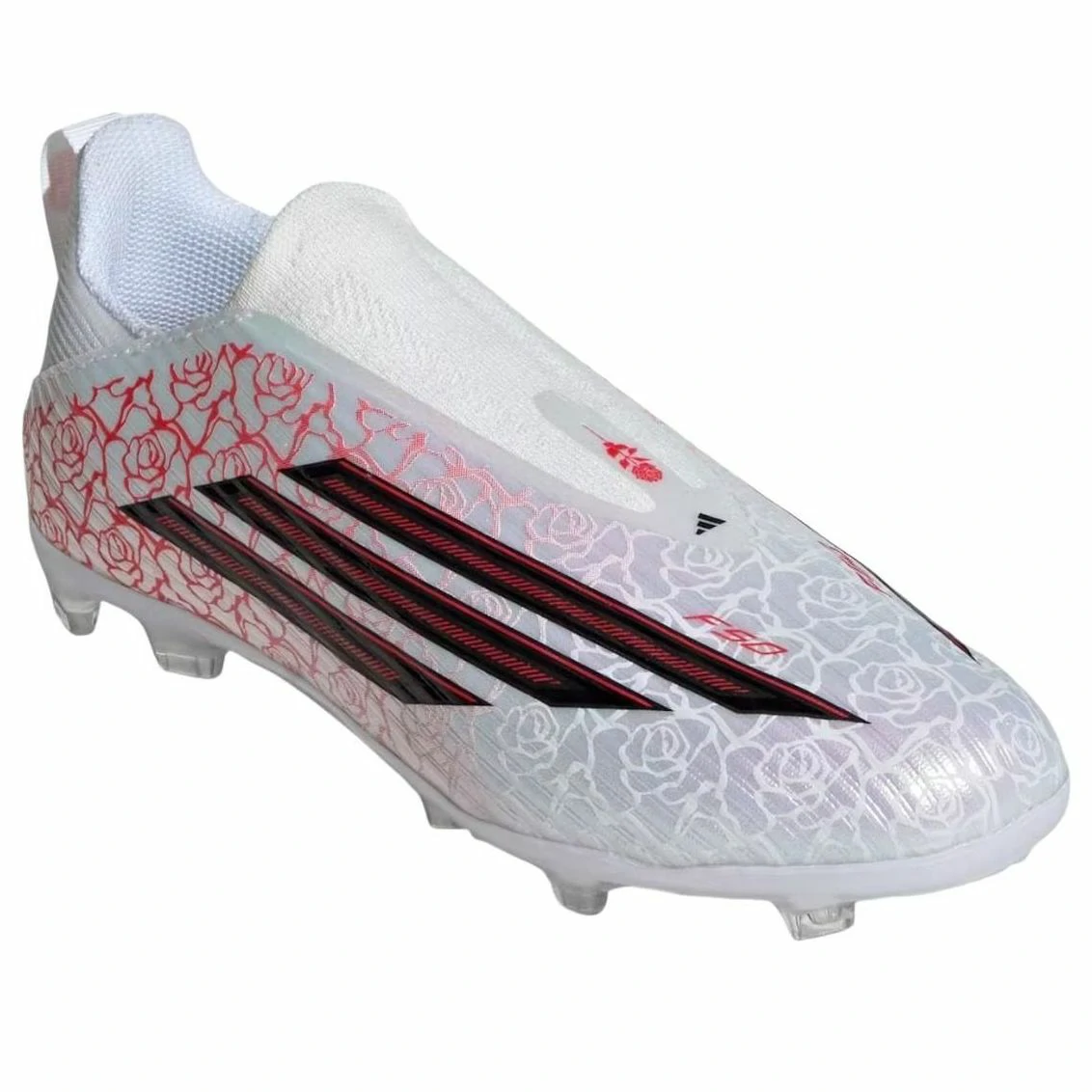
If you need a quick answer on how to tell if adidas soccer Shoes are fake, start with the product code, the label stitching, and the sole unit. Counterfeits often look right in a thumbnail but fail when you compare the SKU, size tag, and box label side by side. This guide is written for US store owners, online sellers, and Wholesale buyers who need a repeatable check Before money changes hands.
Check the Product Code Before Anything Else
The first step in how to tell if adidas soccer shoes are fake is matching the article number on the shoe tag to the box label and the actual model. Authentic pairs use an article number that ties the model, colorway, and upper material together. A seller may show a real photo and ship a different pair, so ask for a photo of the tag inside the shoe and the box label from the same unit.
A mismatched code, blurred label, or sticker pasted over the original is a stop sign. On used or sample pairs, wear can hide details, so compare the code against the official adidas listing for that colorway. If the code does not exist or points to a different shoe, walk away.
Inspect Stitching, Materials, and Sole Details
Counterfeit soccer cleats often fail at the seams. Real adidas soccer shoes usually have even stitch density around the toe box, heel counter, and eyestays, with clean thread tails. Fakes may show loose threads, glue stains, or stitching that wanders off the panel line.
Materials tell a similar story. A synthetic upper should feel consistent across the panel, not stiff in one area and papery in another. Run your thumb along the sole bond and look for excess glue, gaps, or a strong chemical smell that does not fade.
Sole plates and studs are another checkpoint. Check the stud pattern, spacing, and molded markings against a known pair in the same model family. Fake studs often look shorter, uneven, or poorly finished at the base.
Soccer shoes take a beating, so the heel counter and toe cap should feel structured, not flimsy. Press the upper from inside and outside; a real performance cleat will hold its shape without sharp creases or thin spots. Older authentic pairs can yellow or crease, so judge wear and construction separately.
Compare the Box, Tags, and Packaging
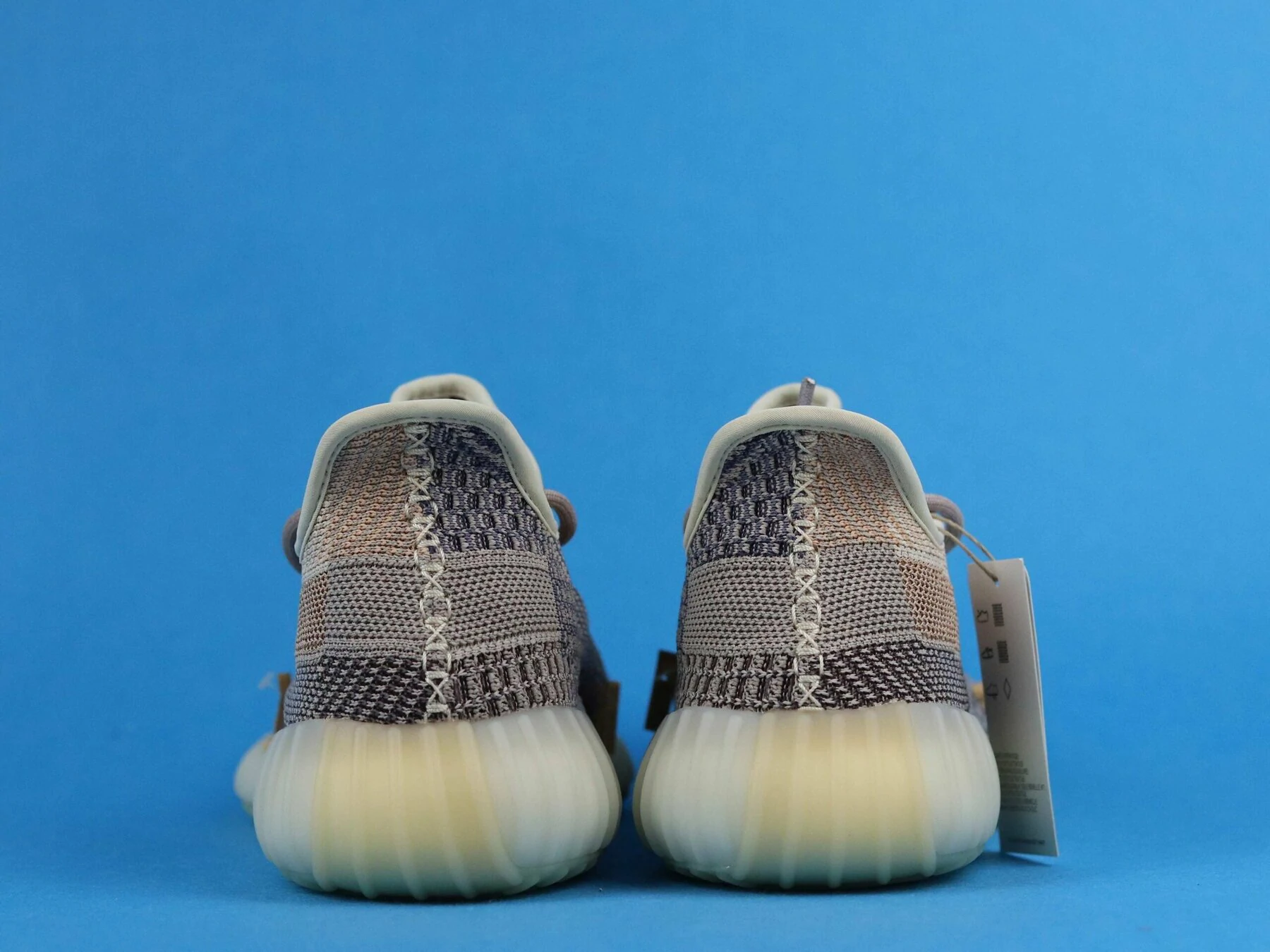
Packaging is not proof on its own, but it is useful when paired with the shoe. The box label should match the article number, US size, colorway, and production details on the shoe tag. Look for sharp printing, consistent fonts, and labels that sit flat without air bubbles.
A common problem in bulk offers is a mixed lot: one real pair in the photos, then several pairs with mismatched boxes. Ask for individual photos of every code you plan to buy. If a seller cannot show the tag and box label for the exact pair, treat the offer as unverified.
Inside the shoe, check that the size tag is stitched or printed cleanly and sits in the expected place for that model. Fonts should be readable, not smudged, and the US size should agree with the box. A tag that peels easily or uses the wrong format deserves a closer look.
Side-by-Side Checkpoints for Wholesale Buyers
Use a simple comparison table when you are checking a sample or reviewing photos from a supplier. The goal is not to certify a pair from one detail, but to see whether several details agree.
| Checkpoint | What a genuine pair usually shows | Common counterfeit issue | Buyer action |
|---|---|---|---|
| Article number | Clear code on shoe tag and box label | Missing code, mismatched code, or sticker over label | Ask for both photos from the same pair |
| Stitching | Even density and clean thread tails | Loose threads, wandering seams, glue stains | Zoom in at toe box and heel |
| Sole and studs | Consistent stud pattern and clean molding | Uneven studs, rough edges, excess glue | Compare to a known model |
| Box label | Sharp print matching size and colorway | Blurred fonts, wrong size, mixed boxes | Request individual photos per pair |
A single odd detail can have an innocent explanation, such as a production variant or a replacement box. Several odd details together are much harder to explain. Record the article number, size, and seller's photos before you approve any order.
This checklist gives you a repeatable process for how to tell if adidas soccer shoes are fake without relying on gut feel alone.
- Match the article number on the shoe tag to the box label and the official colorway.
- Ask for close-ups of the toe box stitching, heel counter, and sole bond from the exact pair.
- Confirm the US size, box label, and shoe tag all agree.
- Compare the stud pattern and sole markings to a known authentic pair.
- Request individual photos for every pair in a bulk lot, not one representative photo.
Red Flags in Wholesale Offers
When you are buying in bulk, how to tell if adidas soccer shoes are fake becomes a supplier-vetting question, not just a product question. A seller who avoids direct questions about the article number, size run, or source is a bigger risk than one who answers slowly but clearly. Ask how the pairs were sourced, whether the lot is mixed, and whether you can approve a sample first.
Be cautious with offers that rely on pressure, such as a price that expires today or a claim that a factory overrun must move immediately. Legitimate suppliers can explain their stock and let you verify details. If the seller cannot provide consistent tag and box photos, do not send a deposit.
For US retail, keep your own records. Photograph incoming pairs, note the article number and US size, and separate any lot that fails your check. That paper trail helps with supplier disputes and protects your online reviews.
Frequently Asked Questions
Can I confirm authenticity from photos alone?
Photos help, but they are not a substitute for a physical check. A seller can photograph a genuine pair and ship another, which is why the process for how to tell if adidas soccer shoes are fake has to include tag and box photos from the exact unit. For high-value lots, use a professional authenticator or a third-party inspection service.
Do fake adidas soccer shoes always have bad stitching?
No. Some counterfeits copy the stitching well enough to pass a quick look. The stronger signals are usually the article number, size tag, box label, and sole molding. Use several checkpoints together rather than judging one seam in isolation.
Should I trust a low price on a bulk lot?
A low price is a question, not an answer. Ask why the price is low, whether the lot is closeout, mixed size, or customer returns, and whether the seller will provide individual photos. If the explanation does not match the stock, or the seller resists verification, pass on the offer.
What should I do if one pair in a lot looks wrong?
Pull that pair from sale and check the rest of the lot using the same steps. Document the article number, box label, and photos, then contact the supplier before you sell or list the stock. If the supplier cannot resolve the issue clearly, treat the whole lot as a risk.
Before you commit to a wholesale order, ask for tag and box photos for the exact pairs you will receive, then compare them against your own reference pair. Contact your supplier with the model, size run, and quantity you need, and keep authentication checks in writing before you approve the invoice.