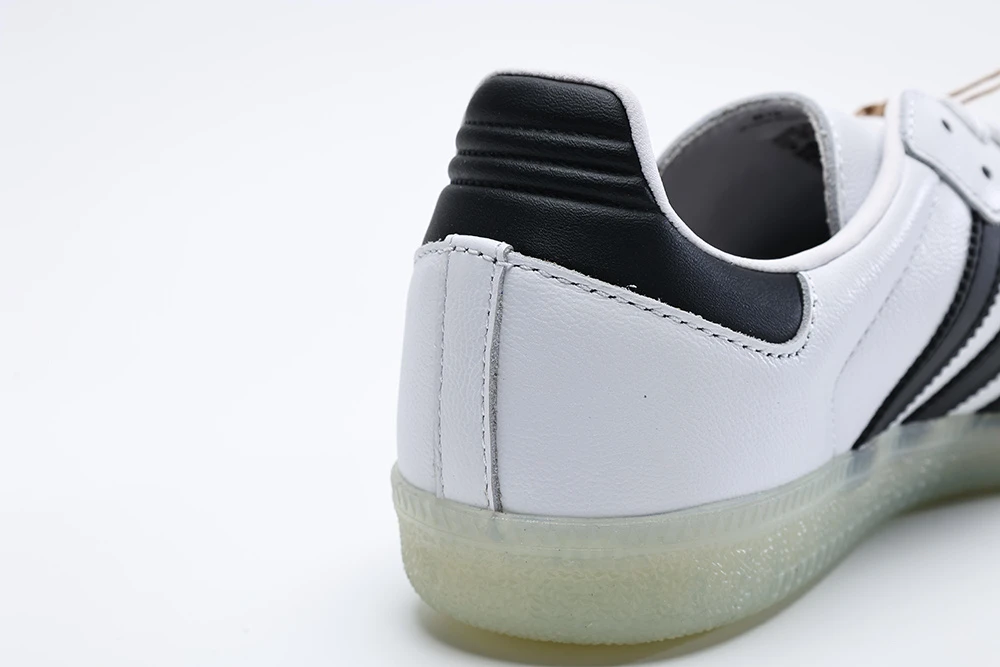
The adidas Shoes size chart big kid conversion is not a single fixed number across every silhouette. It is a youth sizing framework that changes with model, gender, and last. For a store owner, the useful question is not whether a pair says big kid, but whether the size run you bought will fit the feet your customers actually bring in. This guide covers how to read youth labels, check measurements, build a sensible size run, and avoid the returns that come from treating a chart as gospel.
What Big Kid Means in adidas Youth Sizing
In adidas youth sizing, big kid usually refers to the grade-school range, often around US 3.5Y to 7Y. That is not the same as little kid or toddler sizing, and it is not an adult size with a Y printed on the box. Some models blur the edges because a unisex adult shoe and a youth shoe can share similar foot lengths.
For Buyers, the label matters because it signals the target customer, the box configuration, and the reorder pattern. A 6Y in one adidas model can feel snugger than a 6Y in another if the upper or last differs. Treat the letter as a category, then confirm the measured range before you commit to a bulk order.
How to Read the Chart Without Guessing
Start with foot length in centimeters or inches, not with the age of the child. Youth sizes overlap between brands, and a school-age customer may wear a little kid size in one shoe and a big kid size in another. Measure both feet, use the longer one, and leave about a thumb's width of room for growth and sock thickness.
Next, compare that measurement with the official adidas chart for the specific model. The adidas shoes size chart big kid listing should be checked against the product page, because running, basketball, and lifestyle shoes do not always share the same fit profile. If the chart gives only US sizes, ask the supplier for the corresponding foot length before you finalize a purchase order.
Width matters too. A size chart solves length, not volume. If your customers often mention wide feet, high insteps, or thick socks, plan for more try-on support and a slightly broader size run rather than assuming every 5Y will fit the same way.
Big Kid Size Ranges at a Glance
The table below is a buying reference, not a substitute for the current adidas chart. Ranges vary by model and gender, so confirm the exact conversion with your supplier before you publish a fit guide or place a reorder.
| Label | Common US range | Typical customer | Buying note |
|---|---|---|---|
| Toddler | roughly 1K to 10K | Ages 1 to 4, depending on foot growth | Keep shallow depth; do not mix with grade-school boxes. |
| Little Kid | roughly 10.5K to 3Y | Preschool and early grade school | Check whether the model uses K or Y labels at the top end. |
| Big Kid | roughly 3.5Y to 7Y | Grade school and pre-teen | Core size run for many youth programs; confirm 7Y versus adult 7. |
| Adult transition | men's 7.5 and up, with women's conversions | Teens and adults | Do not assume a 7Y equals an adult 7; verify foot length. |
Use the table to build your first size curve, then adjust with sell-through data. A store near a school may sell more 4Y to 6Y, while an online seller shipping nationwide may see steadier demand at the ends of the range. The adidas shoes size chart big kid data should inform the curve, not replace your own sales history.
A Buying Checklist for Store Owners
Before you place a youth order, run the same checks you would use for adult inventory. The goal is to catch label confusion, box mix-ups, and model-specific fit issues before they reach the sales floor.
- Confirm whether the style is toddler, little kid, big kid, or adult sizing on the supplier invoice.
- Ask for the current official size chart and match it to the exact SKU, not just the brand.
- Measure a sample pair in your stock and compare the insole length with the chart.
- Build a size run around your last 90 days of youth sell-through, not a generic 1-2-2-1 pack.
- Keep 3.5Y to 7Y as a starting big kid range only after checking demand for small and large ends.
- Train staff to say "youth" on the floor and to double-check the Y label before fetching a box.
- Set a return policy note for online buyers that asks for foot length and current shoe size.
One more check belongs on every purchase order: confirm the supplier's return window for size-related exchanges. Youth inventory moves quickly, and a mislabeled carton can tie up cash for weeks. A written exchange policy is worth more than a slightly lower unit price.
Common Mistakes That Drive Returns
The most common error is treating a Y size as an adult size with a youth label. A 6Y and a men's 6 are not automatically the same fit, and a 7Y can sit at the top of the youth range while adult sizing starts nearby. That confusion creates returns and bad reviews.
Another mistake is relying on age. Children the same age can wear two or three sizes apart, so age ranges on a product page are only a rough guide. Ask for foot length in inches or centimeters, and give customers a simple measuring step.
Finally, do not publish a generic adidas shoes size chart big kid image without a model note. A chart copied from a running shoe may not match a basketball silhouette, and customers will hold you to the numbers you show. Add a short disclaimer that fit varies by model and ask buyers to confirm against the official chart.
FAQ
Is big kid the same as youth sizing?
Broadly, yes. In adidas and many US brands, big kid is the youth grade-school range, often around 3.5Y to 7Y. Some retailers use youth as an umbrella term that covers little kid and big kid. Check the label and the foot length, because the words are not perfectly standardized across every product line.
Should a 7Y buy an adult 7?
Not automatically. A 7Y sits at the top of many youth ranges, while adult sizing usually begins around men's 7.5 in several adidas models. The safer method is to compare foot length in centimeters and check the specific model's chart. If the customer is between sizes, suggest the larger size only after confirming sock and fit preference.
How much room should I allow for growth?
About a thumb's width at the toe is a practical rule for many youth fittings, but it is not a warranty. Too much room can cause heel slip, and too little causes toe pressure. For online sales, ask for a measured foot length and recommend a size based on the chart rather than guessing from age.
Do all adidas big kid shoes fit the same?
No. Uppers, lasts, and closures change the fit, even within the same size label. A slip-on may feel looser than a laced basketball shoe, and a narrow running model may not suit a wide foot. Use the adidas shoes size chart big kid range as a starting point, then check model reviews and sample pairs before a large order.
Before you commit to a youth order, send your supplier the target SKU, the size curve, and the foot-length range you need. Ask for the current chart in writing and confirm the exchange policy. That one step prevents most big kid sizing disputes.