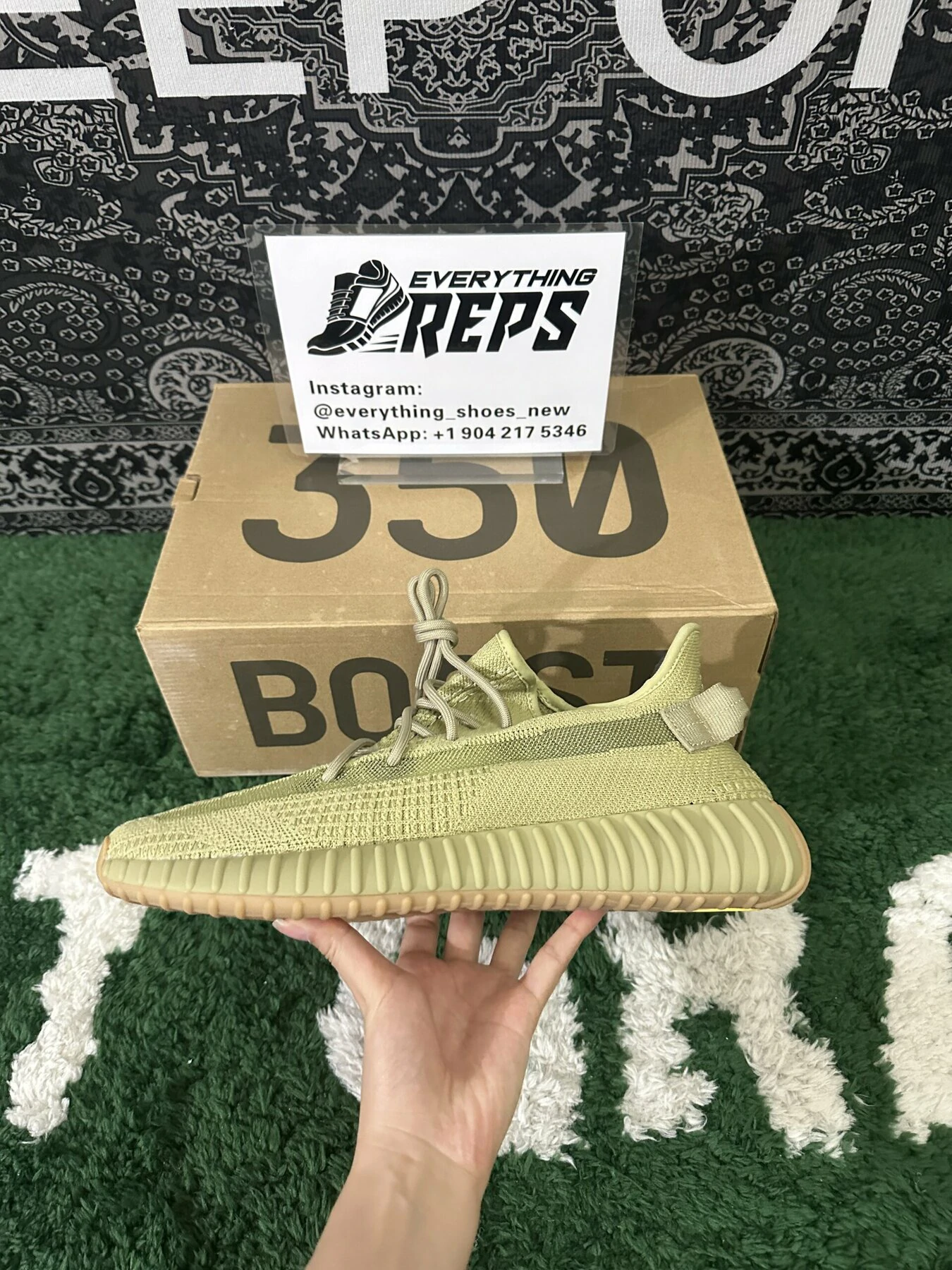
Store owners and online sellers ask what are the best adidas basketball Shoes almost every buying cycle, and no single model wins. The right pick depends on the price tier you sell in, the foot types walking into your shop, and how much return risk you can carry. This comparison breaks the current adidas hoops lineup into tiers, shows where each one earns its shelf space, and closes with the checks to run before you commit to a size run.
The short version: two signature models and two team models will cover most of your wall, plus one cheap takedown option for parents buying a first pair. Depth beats breadth at almost every store size.
Where the adidas Basketball Lineup Actually Splits
There is no single bestseller. adidas basketball splits into three commercial groups: signature models, team models, and entry-level takedowns, and each behaves differently once it is on a shelf.
Signature lines carry the marketing pull. The Harden Vol. 9, the Anthony Edwards AE line, and the D.O.N. Issue series bring in customers who already know the model number and will pay for it. They also age quickly, so depth matters more than breadth here.
Team and entry models do the volume. Shoes in the $70 to $110 band keep a wall looking full and give walk-in customers something to try on. Per-pair margin is thinner, but sell-through is steadier and markdown risk is easier to plan.
A signature line refreshed every year pushes last season's stock down in value fast. Buy close to launch and plan to clear within one season; buy late and only take the discount if you can pass part of it to the customer.
Comparing the Four Tiers You Will Actually Stock
Most shops end up carrying four tiers at once. The table below is a starting point, not a rule. Treat the price column as rough US retail bands and confirm current figures with your supplier.
| Tier | Models to review | Typical US retail band | Buyer it serves | Main risk |
|---|---|---|---|---|
| Signature flagship | Harden Vol. 9, AE line, D.O.N. Issue series | About $130 to $170 | Sneaker-aware players, gift buyers | Deep sizes left over after the launch window |
| Signature carryover | Dame line, previous-season signatures | About $100 to $130 | Repeat team players | Confusing model years on listings |
| Team performance | Adizero Select, Exhibit series | About $85 to $115 | High school and rec leagues | Looks generic on a crowded wall |
| Entry takedown | Cross Em Up, older Pro Bounce stock | About $60 to $85 | Parents buying a first pair | Thin margin per pair |
Buyers working out what are the best adidas basketball shoes for a mixed wall should start with the top two tiers and add one entry model. That mix gives you a flagship for the sneaker crowd and a workhorse for team orders.
Colorway choice then does the rest. Black and white pairs move on a predictable curve; loud colorways spike early and stall late. Order the loud pairs shallow and the neutrals deep.
What Separates a Sell-Through Shoe From a Shelf Warmer
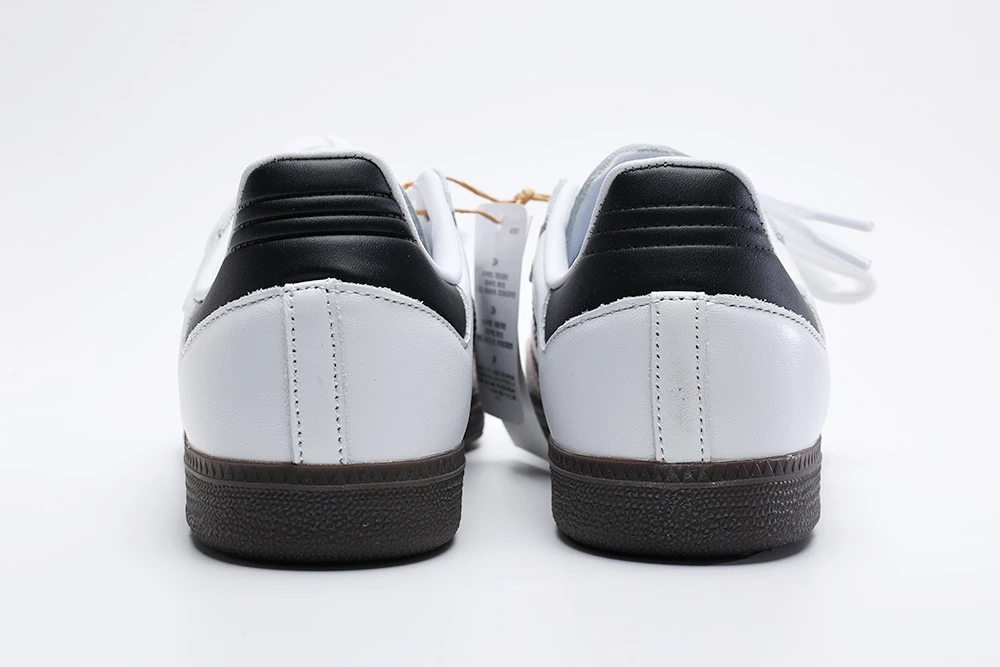
Look at the customer before you look at the colorway. A shoe that matches how local players actually play will beat a more expensive model that does not, even when the expensive one has better marketing behind it.
Run this list on every candidate model before you place an order.
- Fit check: try the pair on in your own size. Heel slip, a pinching midfoot, or a short toe box will come back to you as returns.
- Surface match: most US rec and high school games happen indoors on hardwood or synthetic. Shoes tuned for outdoor courts can feel stiff on a gym floor.
- Size curve: count how many pairs of each size you can realistically sell in 60 days. If a 13 or a 14 will sit, order one pair or skip it.
- Box and labeling: damaged boxes cost you margin on resale and in online listings. Inspect a sample before accepting a pallet.
- Customer feedback: hand two or three regulars a pair and ask for a straight answer after a week. Their complaints cost less than your returns.
A small test buy settles arguments faster than a sell sheet. Working out what are the best adidas basketball shoes for your specific customer base takes a few weeks of real sales data, not a rep's opinion.
Sizing and Fit: Where Return Rates Get Decided
US sizing on adidas basketball shoes is generally consistent inside a line but not always across lines. Signature models sometimes run slightly narrow, and takedowns can run a half size short. Confirm details against the official adidas size chart before you publish fit notes on your site.
When a shopper asks what are the best adidas basketball shoes for a wide foot, the honest answer is to size up or move to a model with a roomier upper. Wide-foot customers stay loyal once you solve their problem, and they come back for the next pair.
Stock half sizes through the middle of the curve, roughly US 9 to 11, and keep full sizes at the ends. Hold one pair of each end size as a try-on pair and discount it later if it stays clean.
Returns pile up when fit notes are vague. Write down what customers tell you after trying a model on, then update the product page. Two or three honest sentences about width and break-in will cut more returns than a longer description.
Supplier and Authenticity Checks
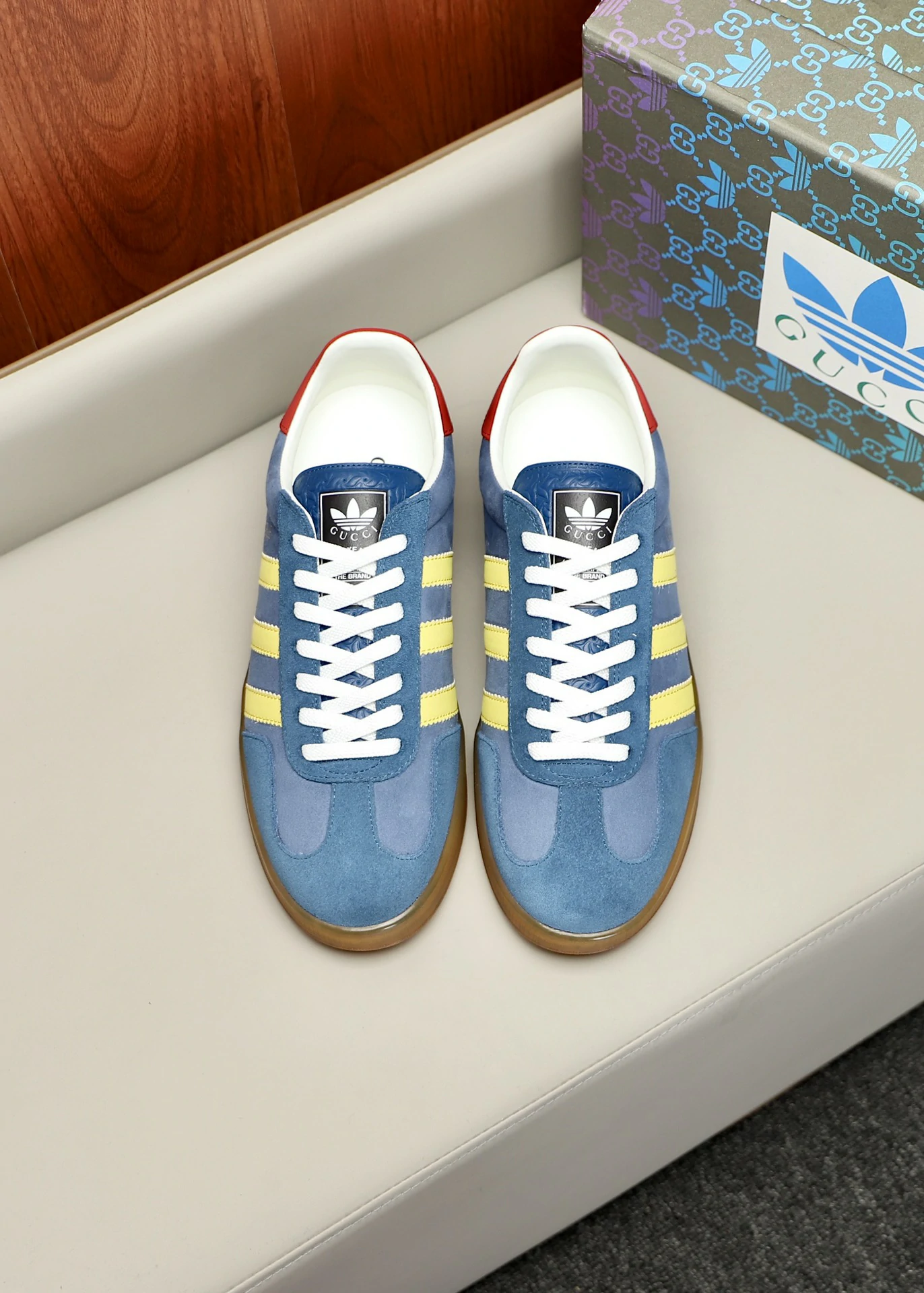
Buyers comparing what are the best adidas basketball shoes often stop at the model name and never look at the invoice. That is where margin and reputation get lost. Ask for the invoice, the size run breakdown, and a photo of the actual box label before you pay a deposit.
Authenticity checking is a habit, not a single test. Stitching density, midsole paint lines, lace tip shape, and the font on the size tag are the usual tells, and none of them proves anything alone. For high-value pairs, pay for professional authentication instead of guessing.
Payment terms and shipping schedules deserve a line-by-line read. Common terms vary widely by supplier, so treat any quote as a starting point, and verify duties and clearance rules with a customs broker rather than relying on a supplier's summary.
Minimum order quantities are usually negotiable and rarely published. Ask for them in writing, along with restock lead times, before you build a season plan around one supplier.
FAQ for Buyers
Which adidas models work best under $100 for a small shop?
The team and entry tier does the work here. The Adizero Select line and the Exhibit series sit in the band most under-$100 shoppers expect, and Cross Em Up models cover the parent buying a first pair. Check current retail pricing with your supplier, since bands shift between seasons.
Do adidas basketball shoes run true to US sizes?
Most models run close to true, with signature shoes trending slightly narrow and some takedowns running a half size short. Ask customers which brand and size they already wear, then point them to the official adidas size chart. Wide feet usually do better going up half a size than switching models blindly.
How deep should I go on each size run?
A practical starting point for a small shop is one to two pairs in the middle sizes and a single pair at each end. Restock from the first 30 days of sell-through instead of preseason guesswork. Deep runs only make sense on a model you have already sold before.
Are signature models worth the shelf space in a small store?
Usually yes, but keep them shallow. One or two flagship pairs bring in sneaker-aware customers and give your wall credibility. Order the sizes you know move, and avoid deep runs on loud colorways that stall once the launch window closes.
If you are building a basketball order for the coming season, send over your size curve and price tier. We will put together a model mix for you to review, quote it by size run or by colorway, and confirm stock and lead times before anything ships.