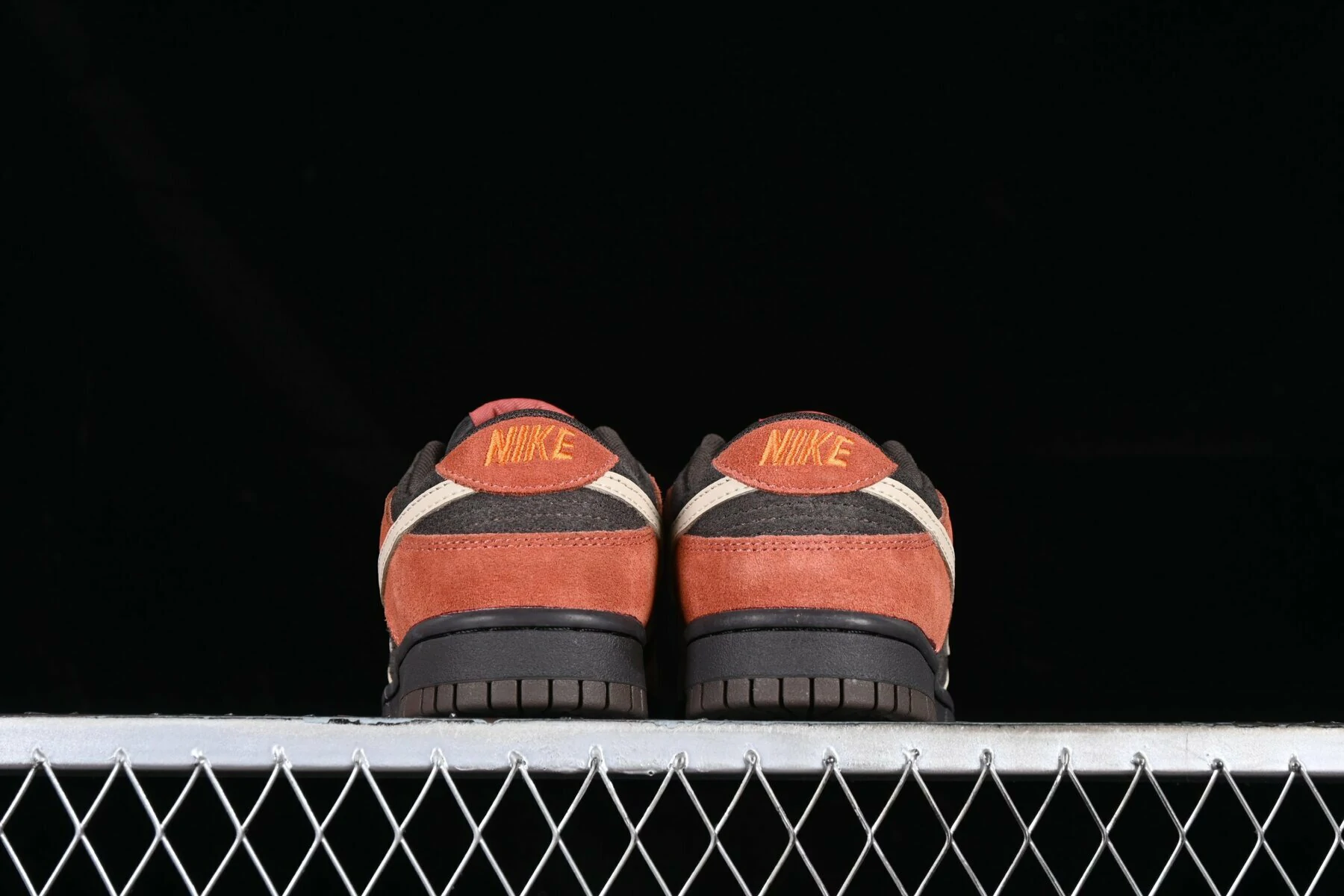
If you have ever typed Where did nike Shoes originated from into a search bar, the short answer is Oregon. The company started in 1964 as Blue Ribbon Sports, a small distributor of Japanese running shoes, and released its first Nike-branded shoe in 1972. Both founders, Phil Knight and Bill Bowerman, worked out of the Eugene and Portland area, and the brand's headquarters still sits in Beaverton, Oregon.
For a store owner, that history is more than trivia. Brand origin tells you who controls design, pricing tiers, and authorized distribution. Factory location tells you lead times, duty exposure, and what your customer reads on the size tag. This article covers both, then turns them into practical checks for buying and authentication.
The Short Answer, With Dates
Blue Ribbon Sports began as a US distributor for Onitsuka Tiger, the Japanese brand that later became ASICS. Knight and Bowerman sold those imported shoes at track meets and through mail order before deciding to build a line of their own.
The Nike name and the Swoosh arrived in 1971, and the first shoes carrying them reached runners in 1972. Bowerman's waffle-iron experiment produced the Waffle Trainer in 1974, which gave the young brand an original product instead of a rebadged imported racing flat.
Note what that timeline already shows. A US brand was selling shoes made in Japan from its first year, and the gap between brand origin and manufacturing origin has been part of the business ever since.
Brand Origin and Factory Origin Are Two Different Facts
Answering where did nike shoes originated from properly means splitting the question in two. One answer is a company history, Oregon from 1964 to 1972. The other is a production map, and that map changes every few years as contractors move capacity between countries.
| Period | What Changed | Where Pairs Were Made | Why It Matters to Buyers |
|---|---|---|---|
| 1964 to 1971 | Blue Ribbon Sports distributes Onitsuka Tiger | Japan | Brand and factory were separate from day one |
| 1972 to 1980s | Nike brand launches, waffle sole, running boom | Japan, then Korea and Taiwan, plus a few US plants | Early moves show how fast sourcing shifts |
| 1990s to 2000s | Contract manufacturing scales up | China, Vietnam, Indonesia | Lead times and duty lines follow the factory, not the brand |
| Today | Design and marketing run from Beaverton | Mostly Vietnam, China, Indonesia | The country-of-origin marking is the document that counts |
Nike does not own most of the factories that build its shoes. It contracts with independent manufacturers, with the largest volumes reported in Vietnam, China, and Indonesia, plus smaller output elsewhere. The brand designs, markets, and controls distribution; the contractor assembles.
That split matters when a supplier tells you a pair is direct from the factory. A contractor running Nike product is not a source of legitimate wholesale stock. It is a source of production, and those goods are committed to the brand's own channels.
Reading Country-of-Origin Labels Like a Buyer
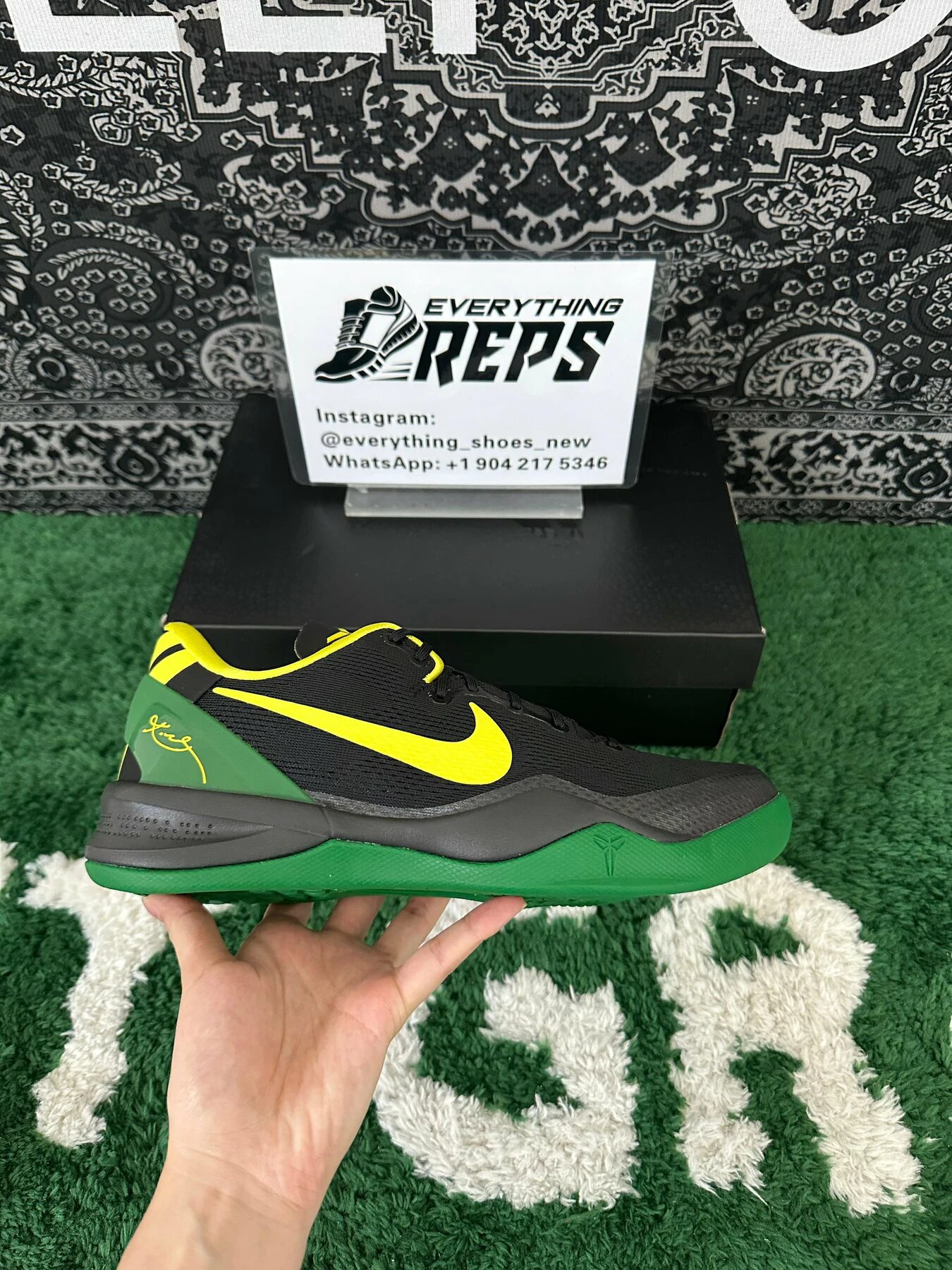
Every legitimate pair carries a country-of-origin marking, usually on the size tag inside the shoe and again on the box label. The tag answers a narrower question than where did nike shoes originated from, and that is exactly why it carries weight. It tells you where that specific pair was assembled.
Match the tag to the box first, then match both to the style and the expected production window. A recent style code paired with a factory code that closed years earlier is a red flag. So is a carton label listing a different country than the shoe tag.
What Origin Means for Your Order
Origin does not set your price, but it shapes the cost structure behind it. Duty rates, freight lanes, and transit times all follow the country of origin, and those are settled at shipment level rather than brand level. Treat any quote that gives a landed cost without naming the origin country as unfinished.
A quick search on where did nike shoes originated from will not tell you who is allowed to sell you stock. Nike distribution runs through approved wholesale accounts with their own application process, and the requirements are not published as a simple MOQ sheet. Plenty of independent stores fill the gaps with closeout, licensed, or secondary-market supply instead.
Pre-Order Checklist
Run this list before you commit to a case pack or a pallet, whether the goods are current season or closeout.
- Confirm the country of origin on the shoe tag and the carton label, and check that they agree.
- Ask for the style code and the production date range, then verify that the colorway exists for that style.
- Request photos of the size tag, box label, and outsole stitching, not just a profile shot.
- Ask how the stock was sourced: authorized wholesale, closeout, or liquidation. Get the answer in writing.
- Clarify who pays duties and brokerage, and confirm the Incoterm on the quote.
- Test one sample pair for fit and materials before scaling the order.
Item four is the one buyers skip. A price sitting well under market usually has a supply story behind it, and that story decides whether you can reorder next season.
Origin and Authentication
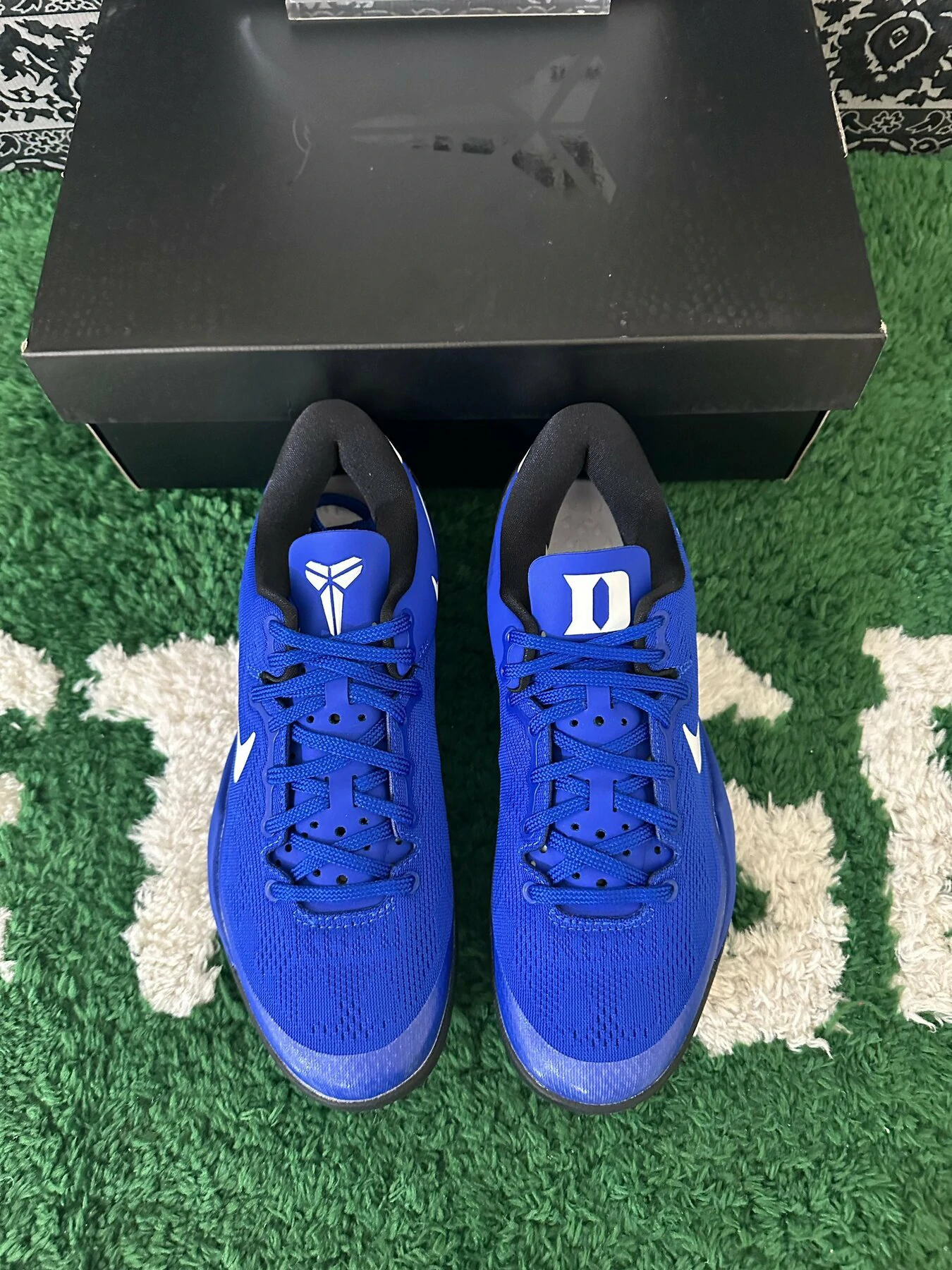
Replicas get origin details wrong more often than they get the logo wrong. Cheap fakes frequently copy box text from one country and the shoe tag from another, or print a factory code that does not match the style's known production period.
No photo settles authenticity on its own. If a bulk lot looks questionable, pay for a professional legit-check or a third-party inspection before funds move. A small per-pair fee is cheap next to a chargeback.
Sellers and buyers return to where did nike shoes originated from for a simple reason. It explains the paperwork and the label, not the shelf price. You are checking a US-designed product against a specific overseas factory's output, so the tag, the box, and the style record have to line up.
Questions Buyers Ask Most
Were Nike shoes ever made in the United States?
Briefly and in limited numbers. Early production in the 1970s ran through a small number of US facilities alongside Asian contractors, and the brand has used domestic plants for specific programs since. For any pair you buy today, read the tag. If a seller claims US manufacturing on a mass-produced modern style, ask for a label photo.
Where are Nike shoes manufactured now?
Mostly in Vietnam, China, and Indonesia, with smaller volumes from a handful of other countries. The mix shifts as contractors open and close lines. For a purchase decision, the country printed on that pair's tag is the only detail that affects duty and paperwork. Ask your customs broker to confirm rates rather than relying on general lists.
Does country of origin affect resale value?
Less than most people assume. Buyers care about the model, colorway, size, and condition. Origin occasionally matters to collectors chasing early or regional runs, where a specific factory code is part of the story. On everyday stock it moves your cost and compliance work more than your shelf price.
Do Nike shoes fit true to size?
Most running and lifestyle models fit close to standard US sizing, but silhouettes vary. Basketball retros often run slightly narrow, and some knit uppers run snug. Order one sample in each size run before a bulk commitment, and check the official size chart for that specific model.
Can independent stores buy Nike wholesale directly?
Only through an approved account, and approval depends on store profile, location, and credit rather than a published minimum. Applications from small shops are commonly declined. Many independents build their Nike assortment from closeout distributors, licensed product, or secondary wholesale, then mix in brands with lower barriers to entry.
If you are sourcing Nike, Jordan, or Adidas stock for a US store and want a straight answer on availability and origin documentation, send over your size run and target quantity. We work with closeout and secondary-market supply, and we will tell you plainly where the pairs were made and what the paperwork will show.