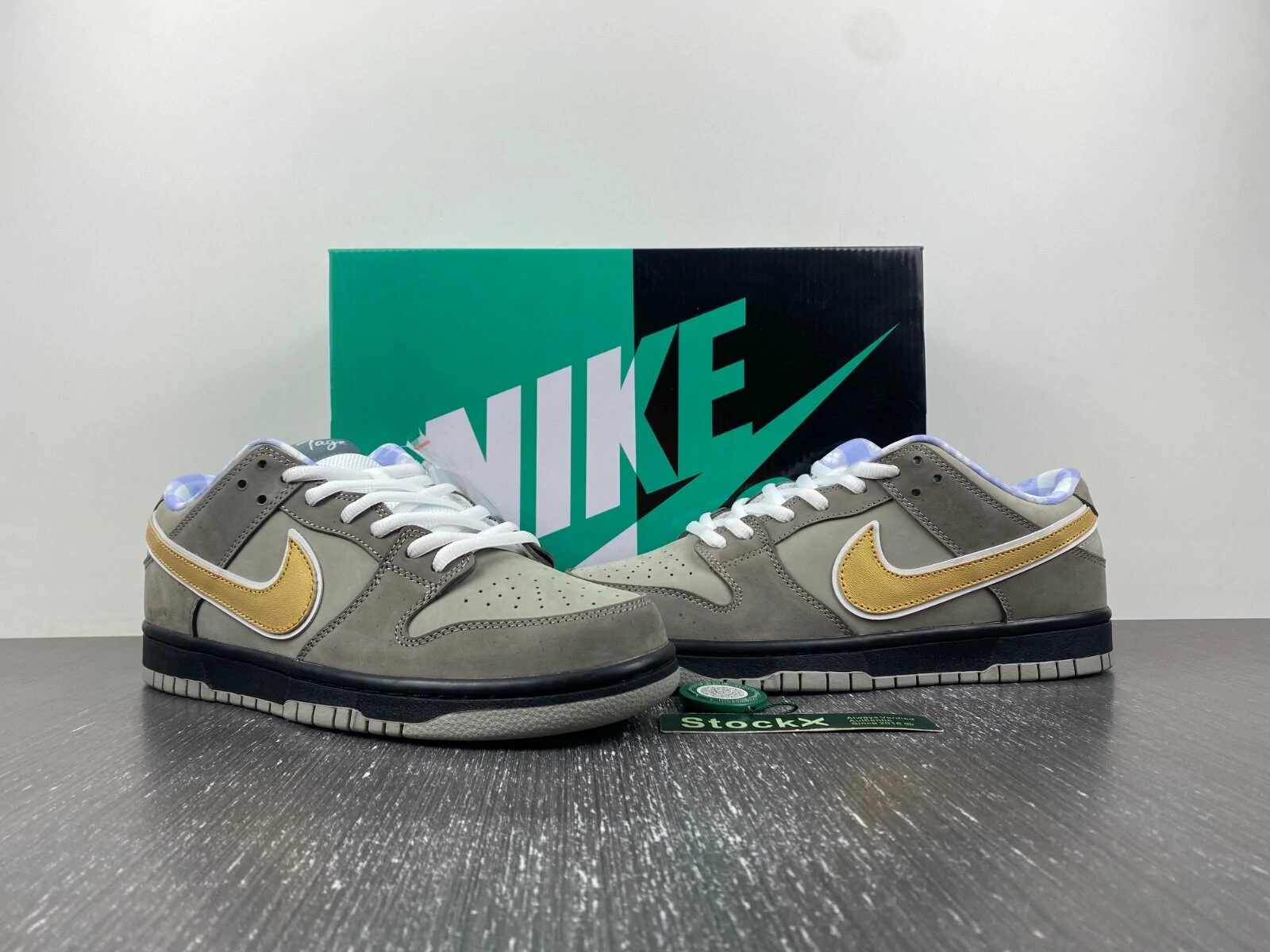
The Nike SB Dunk snake skin is not a single fixed SKU. It is the nickname Buyers use for SB Dunk Lows and Highs that carry embossed, reptile-textured overlays, and Nike has applied that treatment to more than one colorway over the years. Because the name describes a look rather than one product code, two pairs sold under the same search term can differ in Materials, release year, and resale value.
That gap matters when you are stocking shelves or filling customer orders. This guide covers what the shoe actually is, how the overlays hold up, how sizing shakes out for your customers, and the checks to run before you commit to a lot.
What the Name Actually Covers
Most pairs that turn up under this search use a stamped synthetic or embossed leather overlay with a snake-scale pattern, set against a suede or smooth leather base. The scale texture is embossed rather than printed on fabric, so you can usually feel the ridges with a fingernail. Genuine exotic leather is not part of the SB line, and any seller who hints otherwise should be asked for documentation you can verify.
Colorways run from muted earth tones to black and white builds with contrast scales. Quieter makeups tend to sit on shelves longer, while louder ones move quickly in the first few weeks and then flatten out. Which side of that line your customers sit on decides how deep you go on a single colorway.
Materials and Build: What to Check in Hand
A pair of Nike SB Dunk snake skin shoes should feel substantial for its size. The Zoom Air unit in the heel, the padded tongue, and the rubber midsole all add weight. If a pair feels light and hollow compared with a standard SB Dunk you already stock, slow down and check the label, the stitching, and the source.
| Spec Area | What You Should See | How to Verify |
|---|---|---|
| Overlay texture | Raised scales with consistent depth across both shoes | Run a fingernail across the panel and compare left to right |
| Stitching | Even spacing, no loose threads at the toe and heel | Count stitches per inch on both pairs in the lot |
| Tongue and collar | Firm padding that springs back when pressed | Squeeze and release, then compare against a known pair |
| Midsole and outsole | Clean paint lines, no excess glue at the bond | Inspect the whole circumference under direct light |
| Box label | Style code, size, and colorway all match the shoe | Cross-check the code against official product listings |
Uneven scale stamping is the most common cosmetic complaint on these builds, followed by glue seepage along the midsole. Neither issue kills a sale at a skate shop, but both cost you margin on a resale listing where buyers inspect photos closely. Photograph flaws before you list, and price accordingly.
Suede panels need a soft brush and a protectant before they hit the floor. Embossed overlays clean up easily with a damp cloth, which makes this a low-maintenance shoe for rental fleets and demo programs.
Sizing and Fit for Retail and Resale
SB Dunks generally run true to size for average-width feet, but the padded collar and tongue take up volume inside the shoe. Customers who normally wear wide sizes often move up a half size, while skaters who want a locked-in feel usually stay with their standard size. Ask your staff to note which way each customer leans, because repeat buyers will ask again.
When you buy Nike SB Dunk snake skin pairs in bulk, order the size curve your store actually sells rather than a flat spread. Most US skate shops see the strongest movement between men's 8 and 11, with 9 to 10.5 doing the heavy lifting. Sizes below 7 and above 12 tend to sit, so keep those shallow unless a specific customer has asked.
Always pull the insole and measure it if you are selling online. Listed sizes vary slightly between production runs, and a measured insole length plus a link to the official size chart prevents most returns. For women buying men's sizing, the common conversion is one and a half sizes down, but confirm it on the chart rather than quoting from memory.
A Pre-Purchase Checklist for Bulk Orders
Run every lot through the same sequence before money changes hands. It takes about ten minutes per ten pairs and saves far more than that in disputes.
- Confirm the style code on the box label matches the shoe and the colorway.
- Compare the left and right shoe for scale depth, panel alignment, and stitch count.
- Check the insole print and the heel logo for sharpness, not blur.
- Weigh one pair against a known authentic pair of the same size.
- Photograph every flaw and get written confirmation of the grade before payment.
- Ask whether the lot is mixed sizes and mixed colorways, and get that in writing too.
Mixed lots are where most buyers get burned. A pallet that looks uniform in a photo can hide three colorways, two size runs, and a handful of damaged boxes. Ask for a per-pair breakdown with photos before you agree to a price.
If a deal is too far below market, treat that as a signal rather than a bargain. Replica production targets exactly this kind of textured model because the busy pattern hides stitching errors. Send anything questionable to a professional authentication service before it reaches your shelf.
Pricing, Lot Composition, and Red Flags
Authentic pairs from a distributor usually land at a wholesale price that leaves room for roughly a 35 to 55 percent margin at retail, depending on colorway, size, and freight. Treat that spread as a planning reference only and confirm actual numbers with your supplier. Freight, duties, and clearance costs move the math, and classification rules vary by origin country, so check with a customs broker before you build a landed-cost sheet.
Margin also depends on how the lot is put together. Ten pairs of a core size in a quiet colorway will sell steadily at a modest markup. Two pairs of a hyped colorway in size 13 may sit for months, even at a strong price. Balance the lot around what your customers actually buy.
Watch for sellers who cannot explain where the stock came from, who push for payment methods with no recourse, or who refuse close-up photos of the box label. Those three habits predict problems better than any other signal you will see in a wholesale conversation.
Frequently Asked Questions
Is the Nike SB Dunk snake skin true to size?
For most buyers, yes. The padded tongue and collar make the shoe feel snug at first, so wide-footed customers often go up a half size. Skaters who prefer a tight ride usually stay true. Measure the insole if you are selling online and point buyers to the official size chart.
Is the upper real leather?
Expect embossed synthetic or coated leather overlays with a stamped scale pattern rather than exotic skins. That is normal for the SB line and keeps the shoe durable in wet weather. Judge quality by texture depth and stitching consistency, not by a leather claim from a seller.
How do I spot a fake pair?
Start with the box label: style code, size, and colorway should all match the shoe. Then compare stitch density, scale depth, and heel logo sharpness against a known authentic pair. Weight is a useful tiebreaker. Anything uncertain should go to a professional authentication service before you sell it.
Do these hold value for resale?
Some colorways do, and many do not. Hype-driven makeups spike early and then settle, while quieter builds trade close to retail for years. Buy based on your own sell-through data and the size curve your customers request, not on a listing you saw at an inflated asking price.
Next Step for Your Store
Before you place an order, pull your last six months of SB Dunk sales by size and colorway, then match that data against the lot you are being offered. If the numbers line up, request a sample pair and a written grade sheet. Reach out to your supplier with your size curve and target landed cost, and ask for current availability and terms.