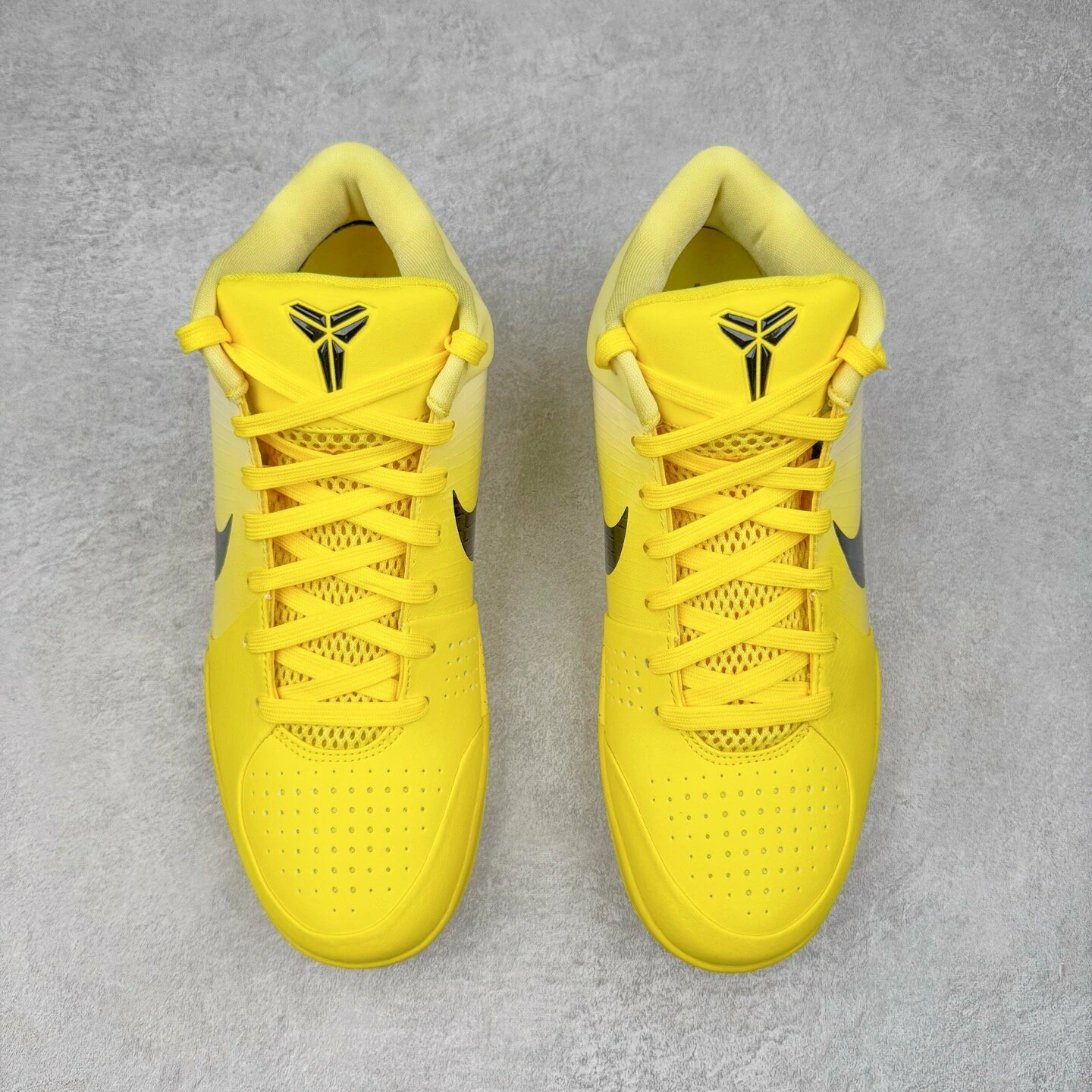
The diamond supply co x nike sb dunk yellow is a limited skate collaboration, not a catalog shoe, and that single fact reshapes how you buy it. There is no open wholesale program, no standing price list, and no reorder button. What exists is a fixed number of pairs from the original drop, a resale and consignment market, and a steady flow of replicas dressed up as bulk opportunities.
This piece covers what the colorway actually is, how it fits, how to screen pairs before money moves, and which supply channels are worth your time as a US retailer. It is written for shop owners and online sellers who need to make a buy decision this week, not a collector's history.
What the Yellow Colorway Is and Why It Never Reaches a Wholesale Catalog
Diamond Supply Co. is Nicky Diamonds' Los Angeles skate brand, and its Nike SB work started with the 2005 Dunk Low that the market still calls the Tiffany. The yellow pair came out of the 2018 follow-up run, which shipped a small family of colorways at once. Collectors often list the yellow version under the Canary Diamond name, though the nickname shifts from seller to seller.
Identify it by construction rather than nickname: a yellow upper, a croc-textured swoosh in the collaboration's signature teal, a white midsole, and diamond graphics worked into the tongue and heel details. Names drift between listings, so confirm the colorway from the style code printed on the box label before you commit to anything.
Here is the part that matters for a store. Nike SB distribution runs through allocated skate accounts, and collaboration quantities are set by Nike, not by buyer demand. Nobody places a reorder on a 2018 collaboration. If a supplier offers open stock in whatever quantity you want, that offer is describing a replica, not an allocation.
Fit, Sizing, and the Questions Customers Ask at the Counter
The SB Dunk Low is a padded shoe. Its tongue and collar carry more bulk than a standard Dunk, so first-time Buyers often read it as tighter than their usual Nike size even when the length is right.
Does it run true to size?
For most customers, yes. Start with their normal Nike men's size. Anyone with a wide fitting or a high instep should try a half size up, and that advice holds double for the diamond supply co x nike sb dunk yellow because the textured overlay panels are far less forgiving than flat leather.
What should I check on deadstock pairs from the original run?
Age is the real risk with stock from that era. Look for midsole yellowing, glue failure at the toe and heel, and any tackiness when the wrapping paper is pulled away. Ask for photos of the sole edges with the shoe flexed slightly. A pair can look flawless in a top-down shot and separate on the first wear.
Keep a printed size chart at the counter and point customers to the official one online instead of guessing. Returns on limited pairs are expensive, and a two-minute fit conversation prevents most of them.
Screening Pairs Before Money Moves
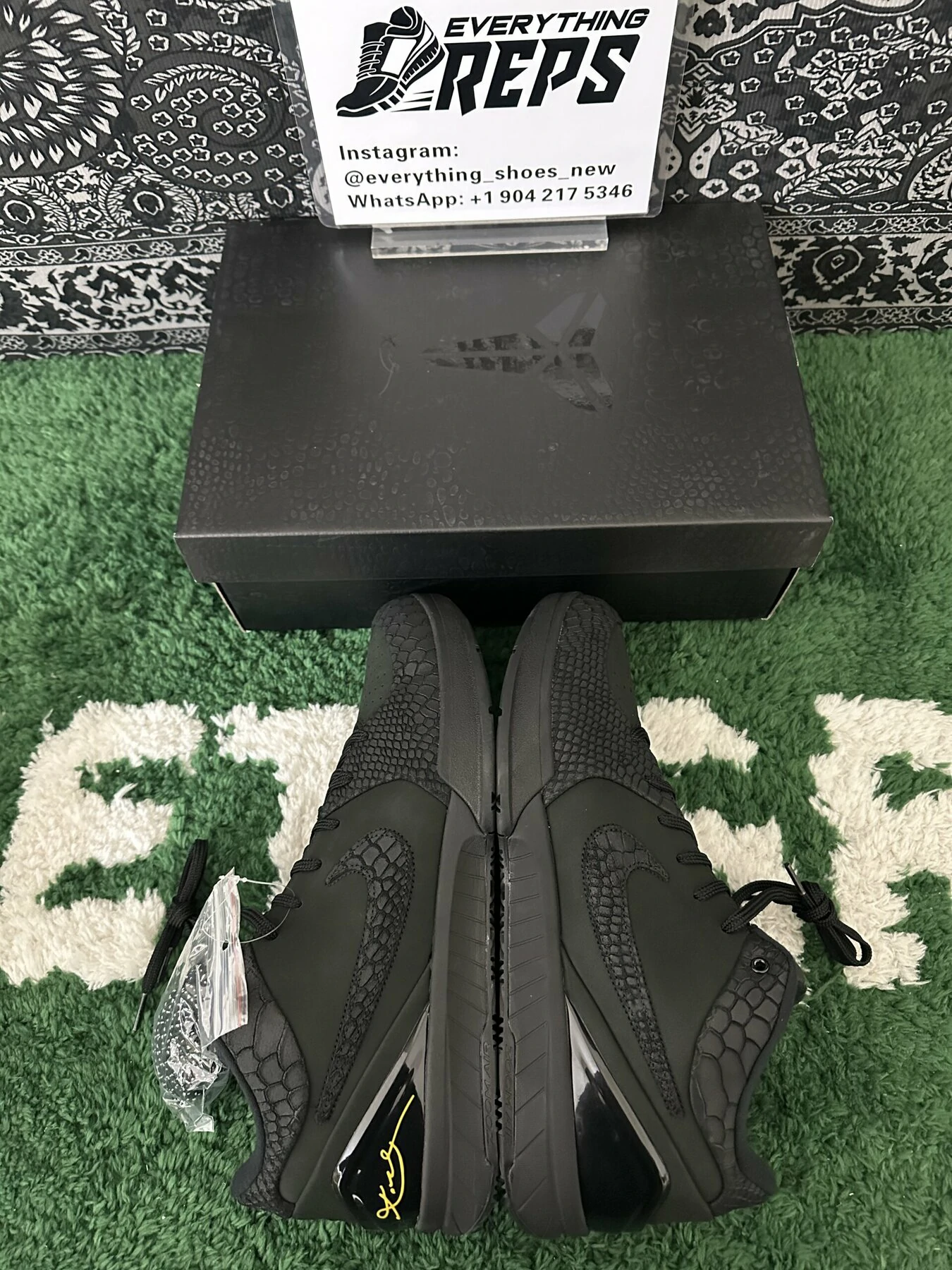
Authentication on the diamond supply co x nike sb dunk yellow comes down to a short list of details that replicas rarely get fully right. Work through them in the same order every time so nothing gets skipped when a seller is pushing for a fast decision.
| Detail | What authentic pairs show | Common replica tell |
|---|---|---|
| Croc-textured swoosh | Distinct scale pattern, even depth, clean edge | Shallow stamped texture, blurry edge, off teal shade |
| Tongue label | Sharp embroidery, even spacing, correct font weight | Thick stitching, crowded letters, off-center placement |
| Heel and tongue branding | Crisp diamond graphic, tidy stitch count | Muddy graphic edges, loose threads |
| Box label and style code | Code matches the colorway and the size on the shoe | Generic label, code that returns a different model |
| Midsole and stitching | Even glue line, consistent stitch density | Glue seepage, uneven spacing, visible excess |
Ask for high-resolution daylight photos, including one of the box label and one of the size tag inside the shoe. Cross-check the style code against a reference you trust, and pay for professional authentication on any pair where the money is meaningful. It is cheap insurance, and it protects you if a customer disputes the sale later.
Log what you receive: photos, seller name, date, and the code. When a buyer questions a pair six months down the road, that file is the difference between a clean conversation and a refund you did not budget for.
Sourcing Channels: Where Real Pairs Actually Come From
Most legitimate supply for a limited collaboration is single pairs and small lots. That changes your buying rhythm. You are not filling a size run in one transaction, you are assembling one over weeks.
| Channel | What you typically get | MOQ reality | Authenticity risk | Best fit |
|---|---|---|---|---|
| Nike SB account allocation | Original wholesale pairs, size run decided by Nike | No minimum, no reorder | Very low | Shops already holding an SB account |
| Resale marketplaces | Deadstock singles | One pair at a time | Medium, depends on the seller | The main channel for most small shops |
| Consignment and trade shows | Pairs you can handle before paying | Whatever you can carry out | Low if you inspect | Building a partial size run |
| Overseas factory offers | Replica or bait-and-switch | Bulk lots with a mandatory upfront minimum | Very high | No one |
| Liquidation pallets | Mixed brands, rarely this model | Whole pallet | High | Not a realistic source |
Notice what is missing from that list: factories, bulk stock, and anything pitched as original inventory at a discount. Replica sellers have learned the vocabulary of wholesale, so the wording alone tells you nothing about the goods.
Ask every supplier the same eight questions before you discuss price:
- Style code and colorway name as printed on the box label
- Whether the pair is deadstock, tried on, or worn
- Photos of the actual pair, not stock images
- Where and when the seller acquired it
- Condition of the box, paper, and extra laces
- Return window and who pays return shipping
- Payment method and whether it is reversible
- Whether the seller ships before or after funds clear
A supplier who answers all eight without hesitation earns a second order. One who deflects on photos or pushes a payment method with no recourse is telling you something useful.
Pricing Logic That Survives a Slow Quarter
Build your number from completed sales, not asking prices. Pull the sold listings for the same size and condition, then subtract platform fees, shipping, authentication, and the cost of holding the pair for two to four months. If the remainder is thin, you are buying a display piece, not inventory.
There is a legitimate use for a thin-margin pair: it pulls people into the store. Put the diamond supply co x nike sb dunk yellow in the front case, let staff talk about the 2005 original, and sell socks, laces, and a general-release Dunk to the same customer. That is a merchandising decision, so make it on purpose instead of pretending it is a margin play.
Disclose condition in writing. Yellowed midsoles, a scuffed box, and missing extra laces all belong in the listing. Buyers forgive age; they do not forgive surprises, and a clear disclosure is your best defense in a chargeback.
Answers to the Questions Buyers Send Most
Is the diamond supply co x nike sb dunk yellow still sold at retail?
No. The collaboration released years ago and sold out through allocated Nike SB accounts. Anything presented as fresh retail stock today comes from resale, consignment, or backstock, and should be priced and inspected on that basis. Confirm the release year from the box label before you quote a customer.
Can a small shop buy this colorway in bulk?
Not through a legitimate channel. Collaboration quantities are fixed and allocated, so no distributor holds open stock. Bulk offers usually mean replicas or a switch on condition. Buy small lots from resale and consignment sellers, inspect every pair, and accept that a full size run may take months to assemble.
Which sizes move fastest?
US men's 8 through 11 turns over fastest in most stores, with 9 and 10 leading. Size 12 and up sit longer, and anything under 7 is slow unless you have a local customer base. If you are buying a single pair for stock, pick a mid size in the run.
How do I verify the colorway name on a listing?
Ignore the nickname and check the style code on the box label against a reference database or an archived product page. Sellers mix up the yellow and teal variants regularly. A code that returns a different colorway is a hard stop, no matter how clean the photos look.
What condition issues should I expect from the original run?
Expect aged midsoles, some yellowing on white foam, and possible glue softening at stress points. Boxes are frequently crushed or water-marked. Factor disclosure or light repair into your offer, and store pairs flat in a climate-controlled room rather than a hot stockroom.
Getting a Straight Answer on Availability
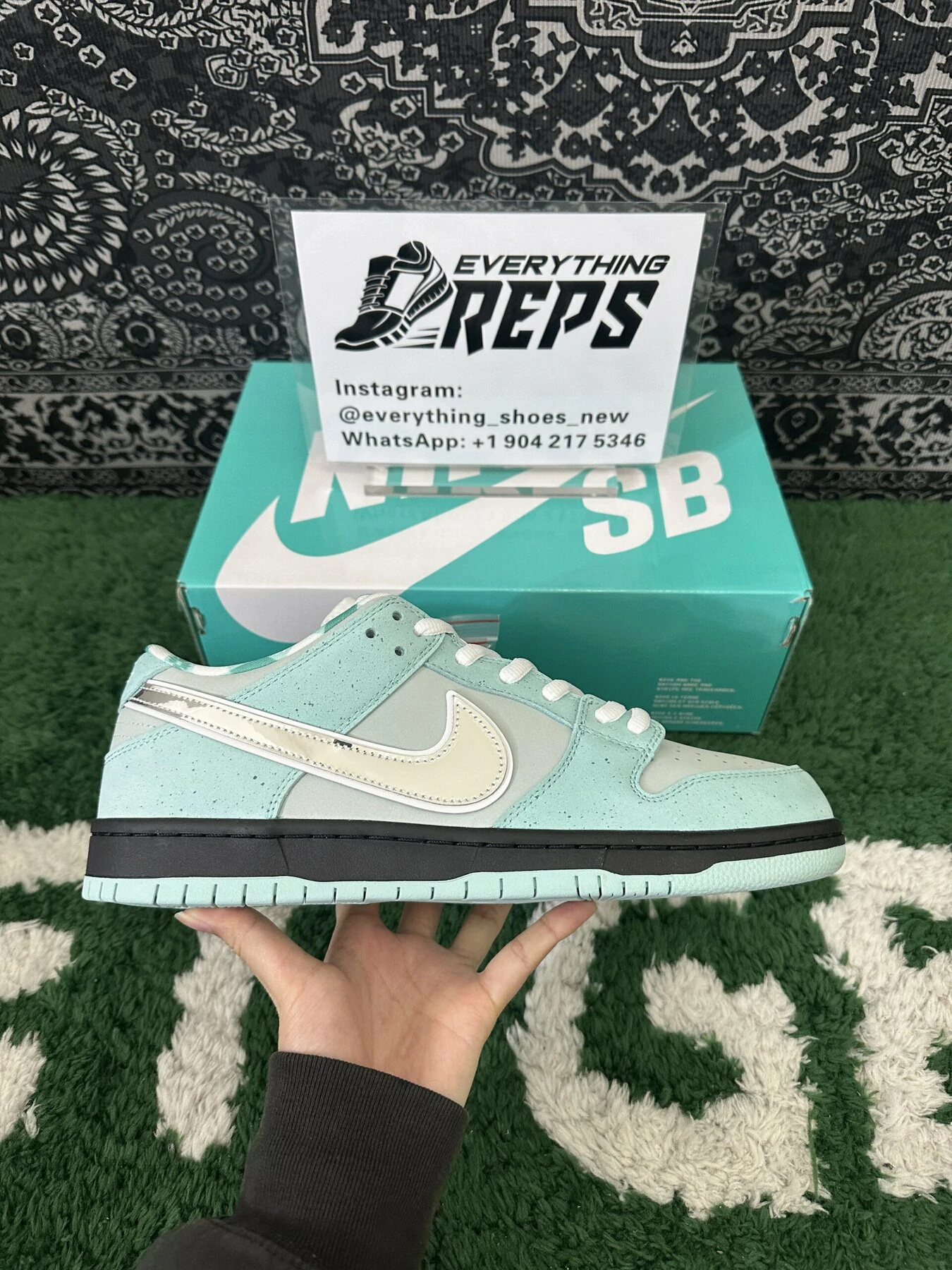
Send the size run you need and the condition you will accept, and we will confirm what is genuinely on hand before you commit to anything. Style code, box condition, and inspection photos come first; payment comes last. Use the contact form and put the colorway and your sizes in the subject line so it reaches the right buyer.