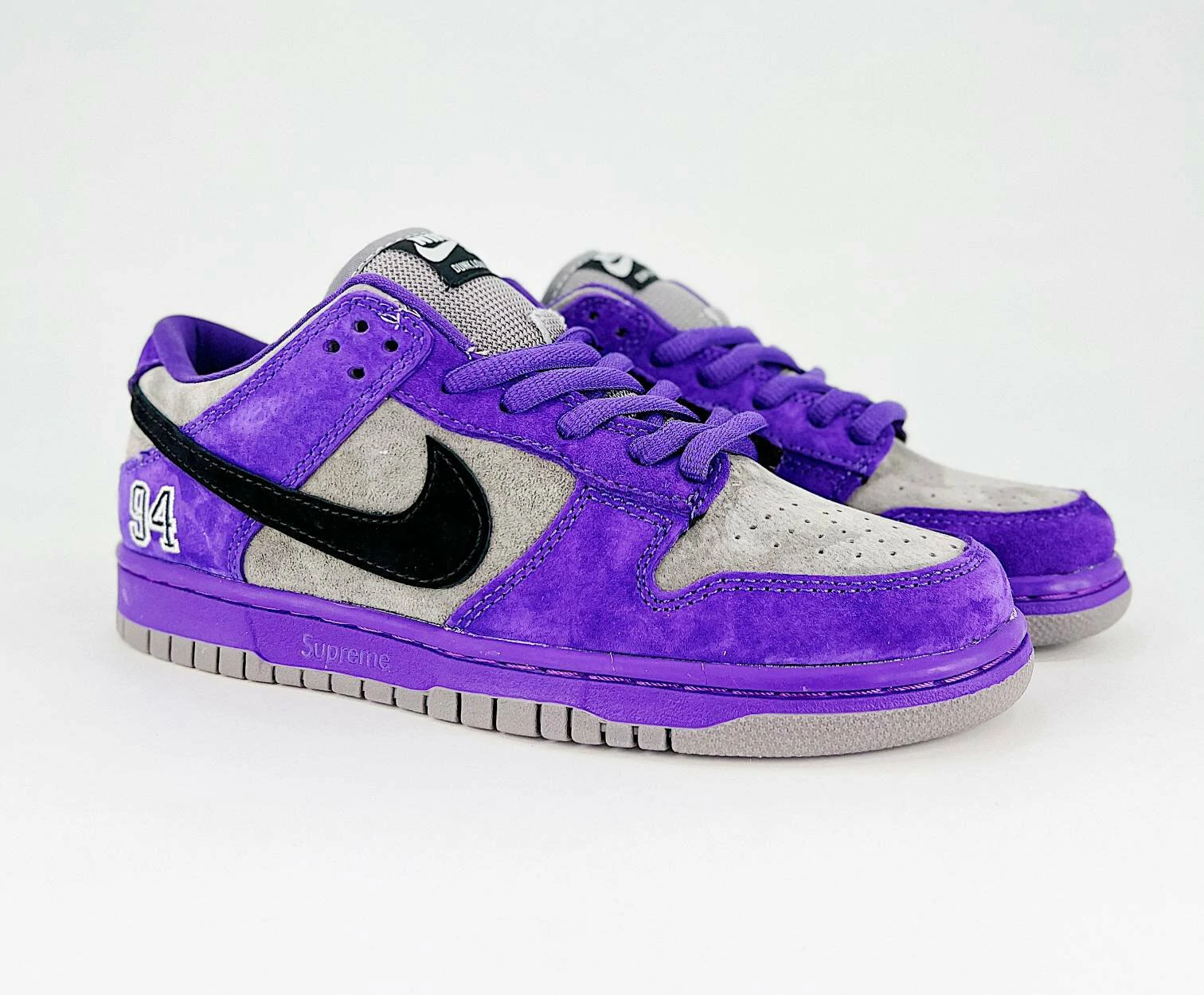
The Nike Dunk Low retro SE fit runs true to size for most wearers, with a narrow toe box and a firm upper that needs a few wears to soften. If you take a US 9 in a standard Dunk Low, order a US 9 here. What follows covers how the SE build differs from the standard Retro, where Sizing complaints actually come from, and how shop owners and resellers should plan a size run before committing to a bulk order.
What True to Size Means on This Shoe
Length is rarely the issue. The complaint that shows up most often is pressure across the ball of the foot and the outside of the pinky toe, which is a width problem rather than a length problem. A wearer sitting between sizes with an average foot can stay with the smaller size. Anyone with a wide forefoot should go up a half size.
Half sizes run through most of the men's range, so the shoe accommodates most feet without much guesswork. Women buying men's sizing should use the standard conversion of roughly 1.5 sizes down, where a men's 8 maps to About a women's 9.5. Confirm that against the current official size chart before you publish a conversion table on your store page.
Most Nike Dunk Low Retro SE fit questions come down to width, not length. That is worth repeating to customers who email asking whether they should size up: if the complaint is heel slip, going up a half size will make it worse, not better.
How Materials and Lining Shift the Fit
The SE tag signals a different upper from the standard Retro, and it usually means canvas, suede, tumbled leather, patchwork panels, or a mix of those. Each material breaks in at a different rate. Tumbled leather softens within a week of regular wear, while canvas and tightly woven textile uppers hold their shape longer and feel snug through the first month.
Lining and padding matter just as much. Some SE releases use a heavier collar lining or a thicker insole cover, and both eat interior volume. A pair with a thick lining will feel roughly half a size smaller than a thin-lined pair in the same labeled size, even when the platform underneath is identical.
Materials explain most of the variation in Nike Dunk Low Retro SE fit from one release to the next. When a customer says an earlier SE pair fit differently, ask which colorway and which upper material, then compare that pair against the one they are considering now.
How It Compares to Other Nike Models
Cross-shopping drives a lot of sizing questions at the counter. Most customers walk in with a size from whatever they already own, and that reference point is often an Air Force 1 or a Jordan 1 rather than another Dunk.
| Model | Length vs. Dunk Low Retro SE | Toe box | Half sizes | Buying note |
|---|---|---|---|---|
| Dunk Low Retro SE | Baseline | Narrow | Yes | Order true to size for average feet |
| Dunk Low Retro (standard) | Effectively the same | Narrow | Yes | Same size as your SE pair |
| Dunk Low SB | Runs slightly shorter | Narrow, more padded | Yes | Padded tongue and insole; many Buyers go up a half size |
| Air Force 1 Low | Runs longer and roomier | Wide | Yes | Many buyers take a half size down |
| Air Jordan 1 Low | Close, a touch more midfoot room | Moderate | Yes | True to size for most wearers |
The SE sits closest to the standard Dunk Low Retro and the Air Jordan 1 Low in length, which makes those the safest reference points when a customer asks. An Air Force 1 size will usually be too big, and an SB Dunk size will sometimes be too small.
Use those comparisons in your product copy and in staff training. A two-line note on the product page cuts down on the back-and-forth emails that eat margin on low-volume orders.
A Pre-Order Checklist for Shops and Resellers
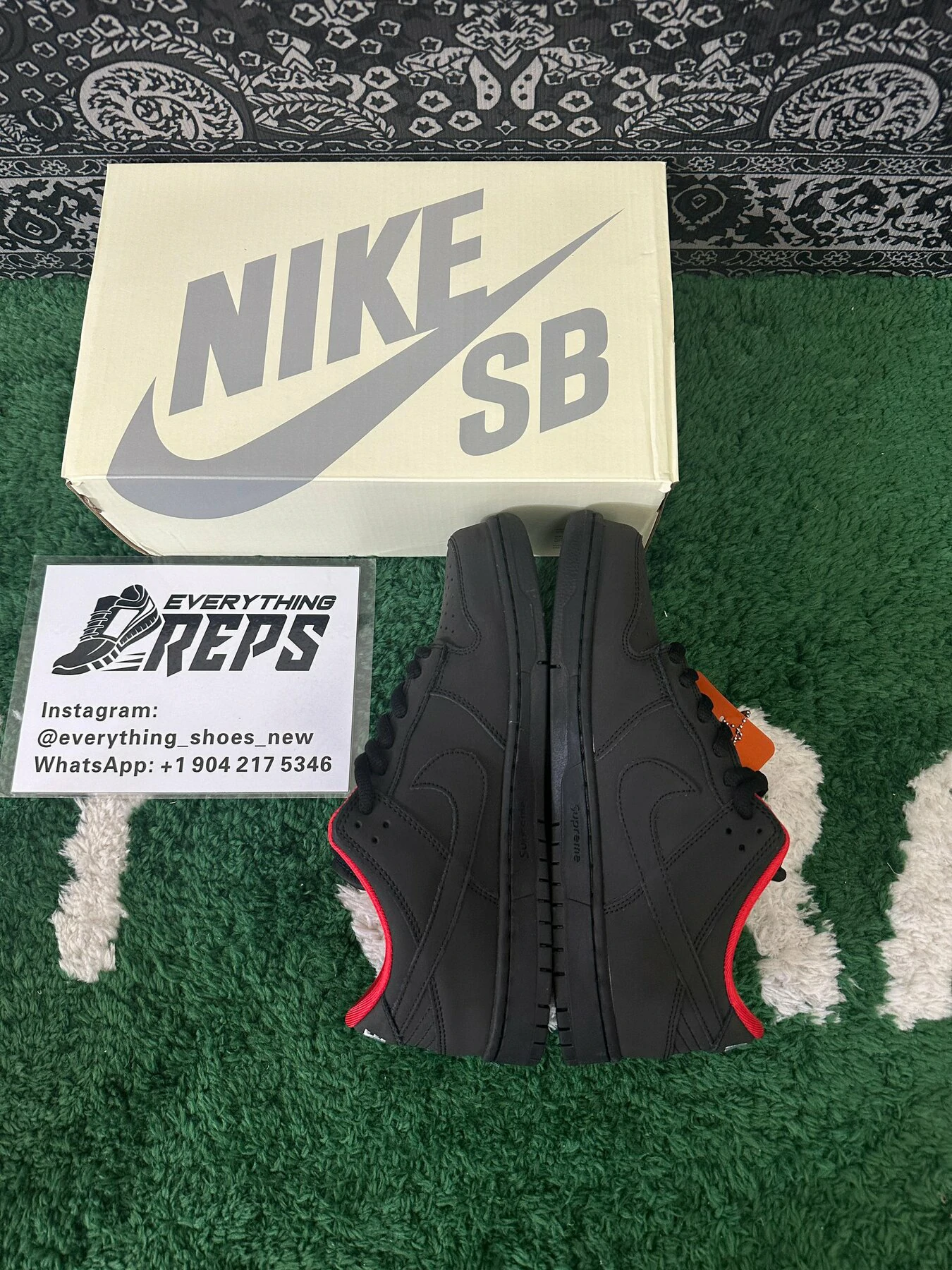
Before you commit to a size run, lock down the details that actually affect sell-through. Most of this takes under an hour per style and pays for itself in avoided exchanges.
- Pull the official size chart for the exact colorway and keep it on file with the purchase order.
- Identify the upper material and note break-in behavior in your product description.
- Compare the lining thickness against a Dunk you already stock, and adjust your size advice if the new pair is heavier.
- Keep one try-on pair per run and measure the insole with a tape, logging the number for future reference.
- Set a clear exchange policy before launch so staff can resolve width complaints without escalation.
For a store, the Nike Dunk Low Retro SE fit profile should shape the size run more than the colorway does. If your local customers skew wide-footed, weight the run toward the upper half of the size range and keep fewer pairs at the extremes.
Wholesale terms, minimum order quantities, and landed cost vary by supplier and season, so treat any quoted range as a starting point only and confirm in writing with your vendor before you finalize a buy.
Mistakes That Lead to Returns
The most expensive mistake is treating every Dunk as identical. An SE release with a canvas upper and a quilted lining can feel noticeably tighter than last season's leather pair, and customers who bought the previous drop will notice immediately.
- Sizing up to solve heel slip, which usually makes the problem worse
- Publishing a women's conversion without checking the current chart
- Assuming an Air Force 1 size transfers to a Dunk
- Skipping the try-on pair and guessing at insole length
Returns on footwear rarely come from the shoe being wrong. They come from a mismatch between what the customer expected and what the product page told them. A short fit note and an accurate conversion table handle most of that risk.
Train staff to ask one question before recommending a size: what Nike model does the customer already own, and how does it fit? That single answer resolves more sizing disputes than any chart.
Frequently Asked Questions
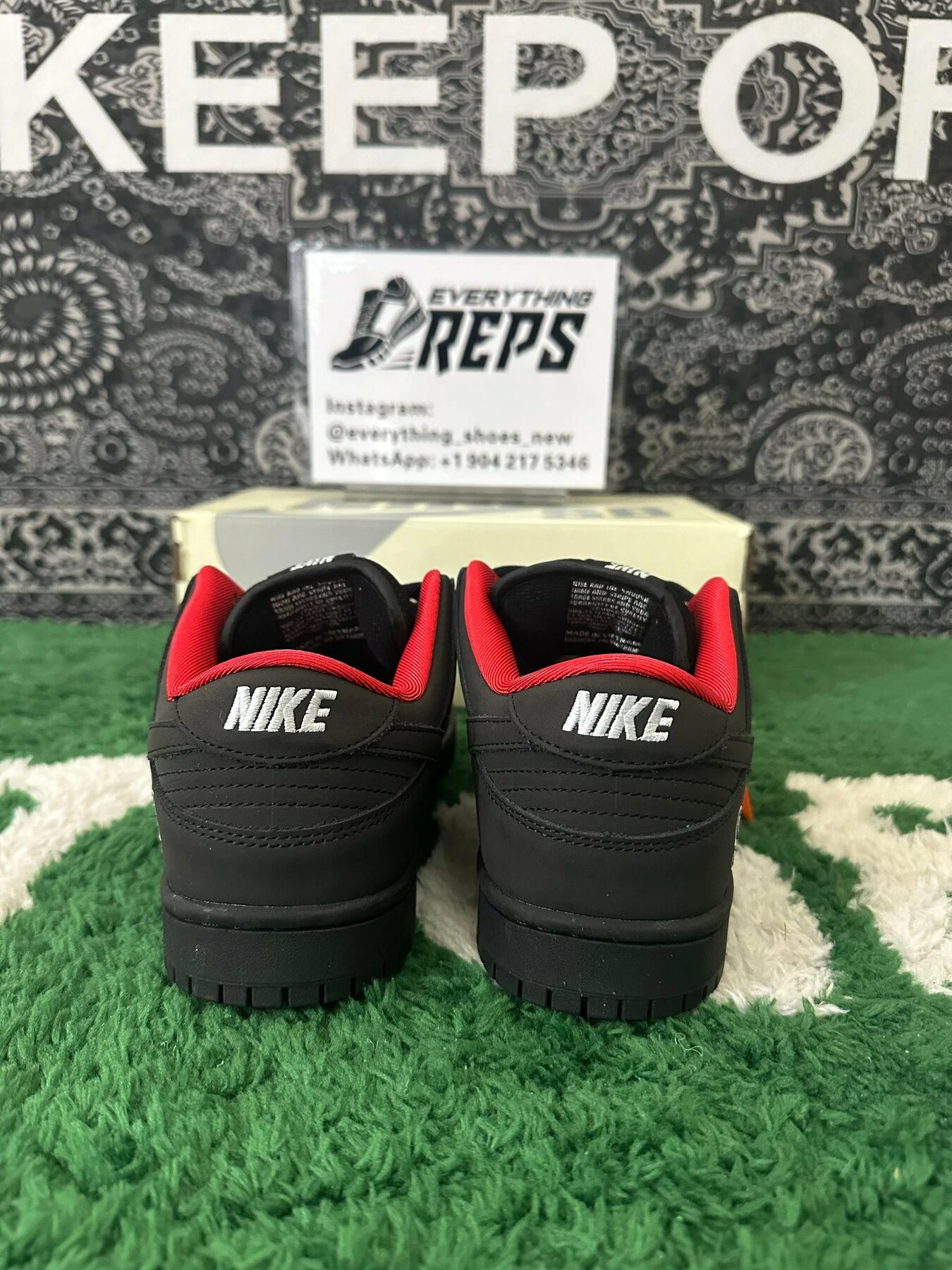
Does the Nike Dunk Low Retro SE run true to size?
Yes, for most wearers. The length matches the standard Dunk Low Retro, which is why buyers who already own a Dunk can order the same size. The caveat is width: the toe box is narrow, so wide-footed customers often need a half size up or a different silhouette entirely.
Should I size up for wide feet?
A half size up is the usual fix, and it works for most people with a wider forefoot. The tradeoff is extra length at the heel, which can cause slip. Customers with very wide feet are often better served by an Air Force 1 Low or another roomier model rather than a half size up in a Dunk.
How does the SE fit compare with the SB Dunk?
The SB Dunk carries a padded tongue and a cushioned insole, so it feels snugger and slightly shorter than the SE. Many buyers take a half size up in SB and true to size in the SE. Do not assume the sizes are interchangeable between the two lines.
Do SE pairs stretch out over time?
Leather and suede uppers loosen modestly over a few weeks of regular wear, mostly across the vamp and at the flex point. Canvas and tightly woven textile uppers give back very little. Advise customers not to buy a too-small pair expecting it to stretch into shape.
What size run should a small shop order?
Start from your own sales history rather than a generic curve, then weight toward the middle sizes that turn fastest in your market. Carry one try-on pair per run so staff can advise accurately. Confirm the available size breakdown with your supplier, since colorway allocation often limits which sizes you can actually get.
Planning Your Next Buy
Sizing accuracy protects margin as much as price does. If you are building a Dunk order for the coming season, send over your target size run and colorway list, and we will map it against current availability and confirm the fit details for each release before you commit.