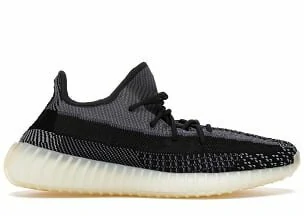
A men's US 14 normally lands at EU 48 to EU 49. Nike and Jordan charts put it at EU 48.5, Adidas lists it around EU 49 1/3, and several other athletic brands sit between the two. That spread looks tiny on paper and feels obvious on a foot, especially in a model that already runs narrow.
For a store owner or an online seller, the practical question is not only which number goes on the listing. It is which chart the box follows, how the last fits, and whether the buyer keeps the pair. This guide covers the size 14 us to eu conversion, the brand gaps worth knowing, and how to stock big sizes without burying cash in dead inventory.
The Conversion, Brand by Brand
Most size 14 inventory in a US shop is men's, so start there. On the charts Retailers use daily, a men's US 14 maps to EU 48.5 at Nike and Jordan, EU 49 1/3 at Adidas, and roughly EU 48 to EU 49 at New Balance and most running brands.
You will also see the size 14 us to eu figure quoted as a flat EU 48 in older conversion tables. Treat those tables as a starting point. One EU number cannot cover brands that grade their sizes on different scales.
| US men's | Nike / Jordan EU | Adidas EU | UK | Foot length (approx.) |
|---|---|---|---|---|
| 13 | 47.5 | 48 | 12.5 | 30.5 cm |
| 14 | 48.5 | 49 1/3 | 13.5 | 31.5 cm |
| 15 | 49.5 | 50 | 14.5 | 32.5 cm |
| 16 | 50.5 | 51 1/3 | 15.5 | 33.5 cm |
Figures above reflect how these brands commonly publish their charts and are close enough for a listing draft. They are not a substitute for the brand's current official size guide, which can shift by model and season. Foot length is approximate and should be confirmed by measuring, not by Converting.
Why the Numbers Never Line Up
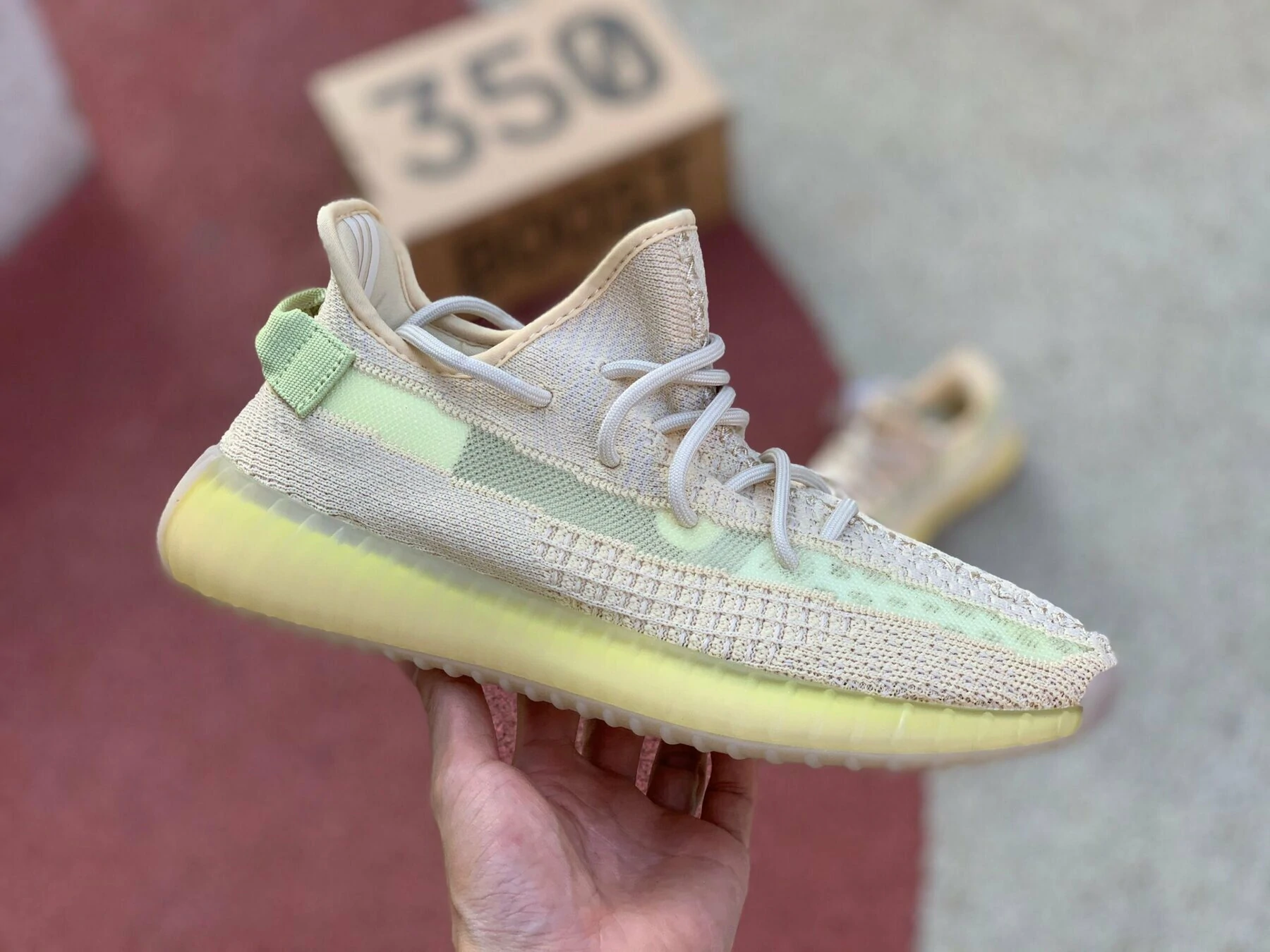
EU sizing runs on Paris points, a scale that does not divide neatly into US increments. Above US 13, brands round in different directions. Nike keeps half steps, Adidas works in thirds, and a few European labels skip a size in the middle of the run.
Last shape matters as much as the printed number. A Jordan 1 in US 14 fits differently from an Adidas Samba in the same marked size, because the toe box, instep, and width come from different lasts. Size charts describe length, not volume.
Big sizes are graded, not simply scaled up. A US 14 is proportionally wider than a US 9 in the same model, and some brands add that width faster than others. A customer who wears 14 in one brand may need 15 in another, and no conversion table will tell you which.
Measure the Foot, Then Convert
Charts answer the size 14 us to eu question. They cannot answer fit. When a buyer is between sizes, a measurement is worth more than any table you paste into a product page.
- Ask for heel-to-toe length in centimeters, taken standing, with the sock they plan to wear.
- Add 0.5 to 1 cm of allowance for toe room, more for thick socks or a work boot.
- Compare that number to the centimeter or Mondopoint column on the brand's own chart.
- Check width separately: 2E and 4E exist at New Balance and some work brands, rarely at Nike or Adidas.
- Cross-check against the label of a pair the customer already wears in the same brand.
Two customers with the same foot length can still need different sizes. High arches, bunions, and wide forefeet all push people up half a size, and that pattern shows up more often in large sizes.
Stocking Big Sizes Without Dead Inventory
A US 14 does not sell like a US 10. It moves slowly in general models and quickly in basketball retros, team shoes, and whatever a local league is wearing this season. Build the size run from what your customers ask for, not from what a supplier wants to clear.
Before you commit to a bulk order, work through the size 14 us to eu question with the supplier and confirm which chart the box label follows. European stock is often printed in EU sizing only, and EU 48 on a carton is not automatically a US 14.
- Get the brand, model, and the exact box label in US, UK, EU, and CM.
- Ask for a photo of the size tag inside the shoe, not just the carton.
- Confirm whether the pair is US-labeled or EU-labeled stock.
- Check width markings (D, 2E, 4E) before you publish a listing.
- Buy a small sample before a full size run; MOQ terms differ by supplier.
- Record which chart you used for each listing so returns stay consistent.
Keep the sample pairs. A physical 14 next to a physical 15 settles more arguments than any chart, and it gives your staff something to hand a customer who insists he is always a 48.
Mistakes That Drive Returns
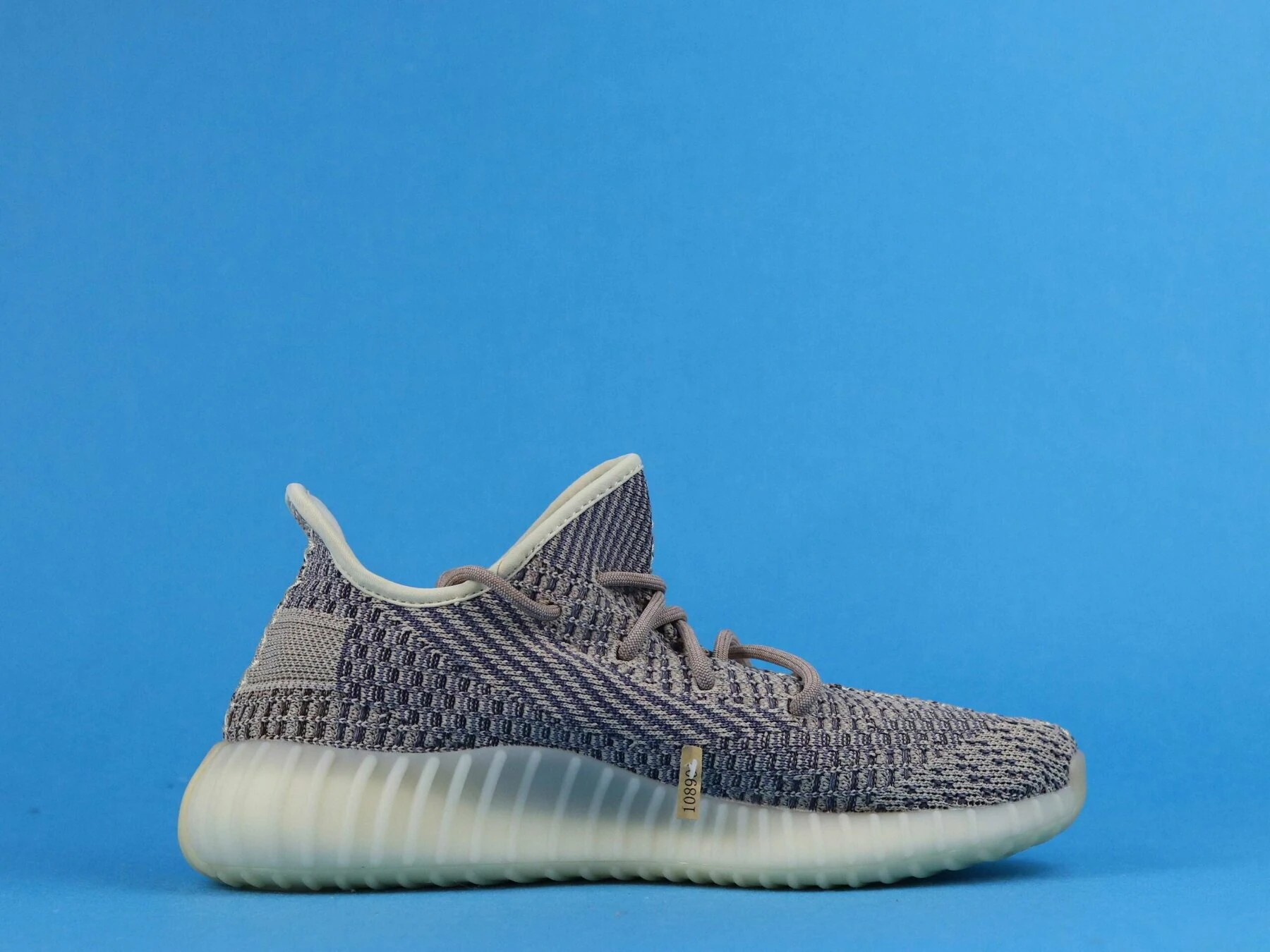
Treating one table as universal is the first error. The second is trusting the box. Counterfeit and mislabeled pairs often carry one size on the carton and a different size on the inner tag, and the mismatch shows up fastest in large sizes because fewer pairs are produced.
A third mistake is quoting EU sizing in a US-facing listing without a conversion note. American buyers search in US sizes and read EU numbers as noise. Show both, and state which one the manufacturer printed on the shoe.
For authentication, use the standard checks: inner tag fonts and placement, box label style, stitching, and the size sequence on the label. When the size data looks wrong, treat the whole pair as suspect and get a professional opinion before listing it.
FAQ
Is a US 14 the same as EU 48?
Not exactly. Men's US 14 is usually EU 48.5 at Nike and closer to EU 49 1/3 at Adidas. EU 48 typically fits a US 13 to 13.5, so a true 14 should look at 48.5 or higher. The size 14 us to eu figure depends on the brand chart, so verify the label before you publish a listing.
What is a US 14 in UK sizing?
Men's US 14 is usually UK 13.5 on Nike and Adidas charts, and UK 13 on some other brands. UK sizes generally run half a size to a full size below US men's sizing. Confirm against the brand's own chart, since the gap widens above US 12.
How many centimeters is a size 14 foot?
Roughly 31 to 32 cm heel to toe, which is about 12.2 to 12.6 inches. A Brannock device gives a more precise reading. Measure standing, with the intended sock, and add toe allowance before converting to EU.
Does a US 14 fit the same in Nike, Jordan, and Adidas?
No. Jordan models often run slightly narrow, Nike runs fairly true in most retros, and Adidas fit varies by silhouette, with some models running long. At size 14 the usual problem is width rather than length, so ask about the last before you promise a fit.
Should I stock EU-labeled pairs for US customers?
Only with clear labeling. EU-printed boxes confuse US shoppers unless the listing shows both sizes. Keep a conversion note on every product page, and confirm the inner tag matches the carton before the pair reaches the shelf.
Next Step
If you are building a big-size run for the season, send us the models, the size breakdown, and the labeling you need on the box. We will confirm which chart each pair follows and quote accordingly. Ask for the current size sheet before you finalize any order.