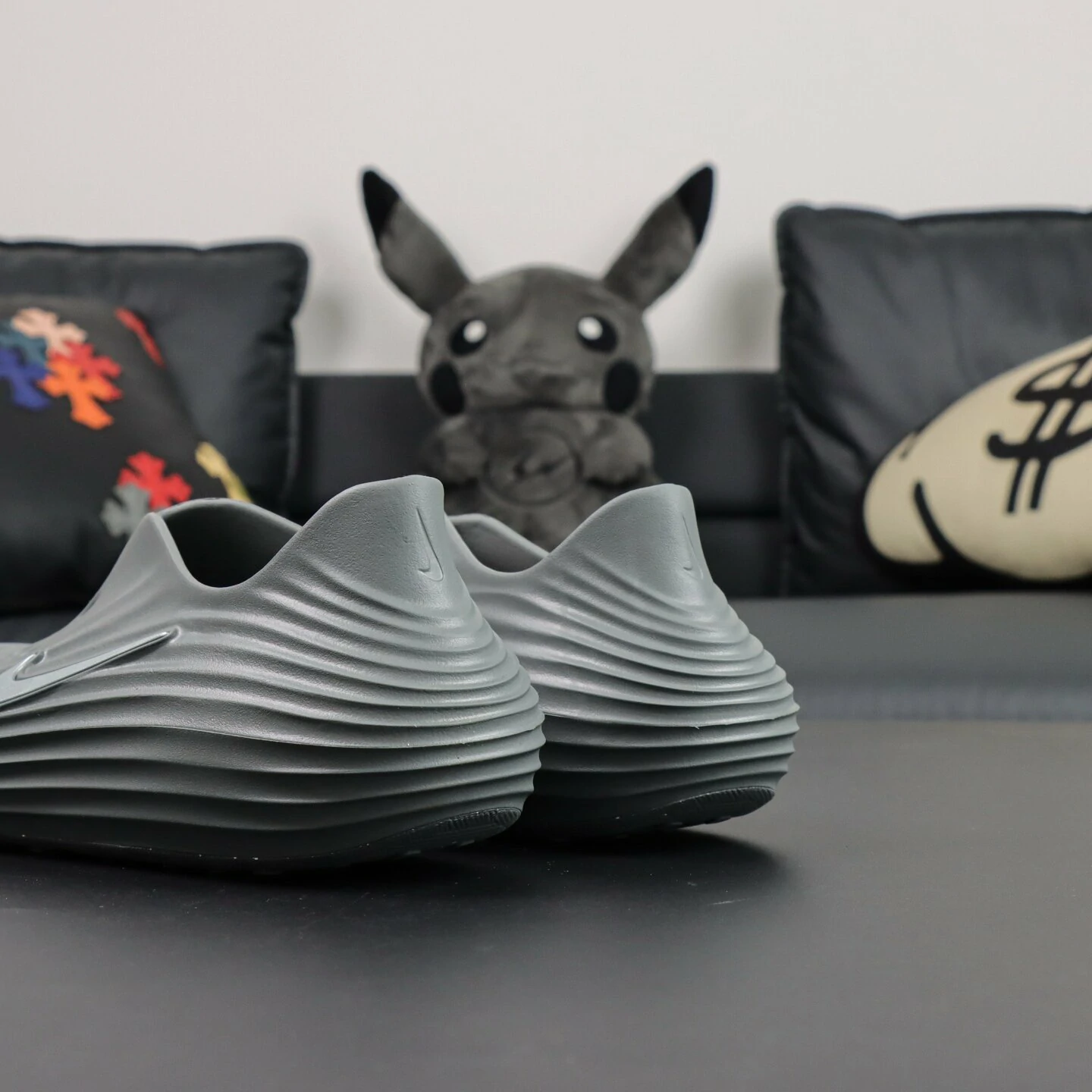
The Nike SB Dunk Low Jarritos is a 2023 collaboration with the Mexican soda brand, and pairs still trade above retail in US shops and on resale platforms. Awareness is not the problem for most buyers. The problem is judging whether the pairs in front of you are authentic, whether the size run fits your customer base, and whether the price still leaves margin after fees and shipping.
This guide walks through the build and Materials, how the shoe fits, the authentication checks worth doing on every lot, price logic across Sourcing channels, and a simple buy plan you can hand to a junior buyer.
What the Shoe Is and Why Shops Still Want It
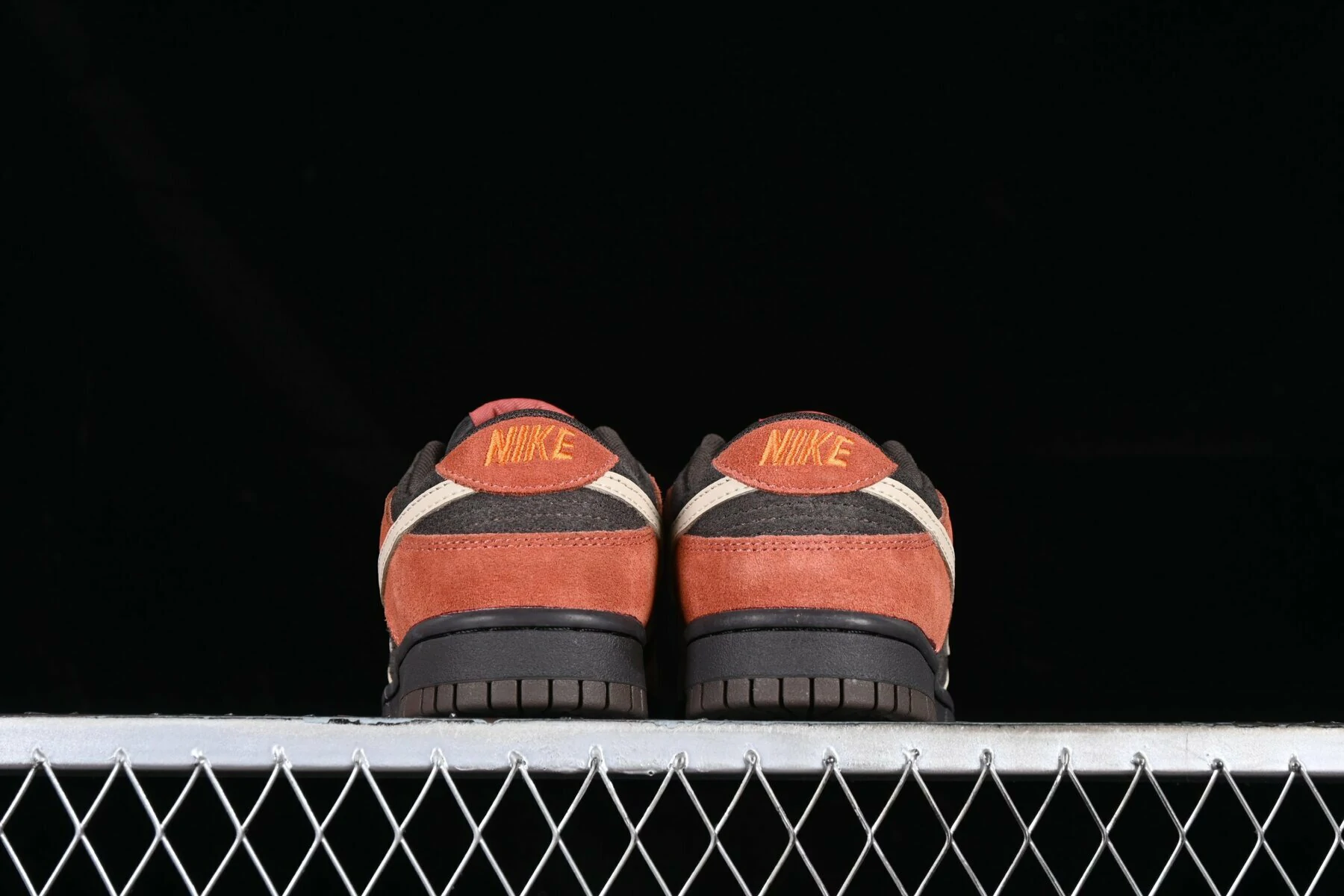
Nike built this pair around the Jarritos bottle: a canvas base under hairy suede overlays, co-branded tongue tags, an embroidered script on the heel, and a two-tone outsole. Even the packaging carries the soda branding, which matters later when you authenticate a lot.
It released in 2023 through skate shops and SNKRS. Most US inventory today sits in resale, consignment, and collection buyouts rather than a fresh manufacturer allocation, and that single fact shapes how you should buy it.
A friends-and-family version exists in a different color scheme. Treat any listing that claims F&F status as unverified until you inspect the actual pair and packaging in person.
Fit and Sizing Questions Your Staff Will Hear
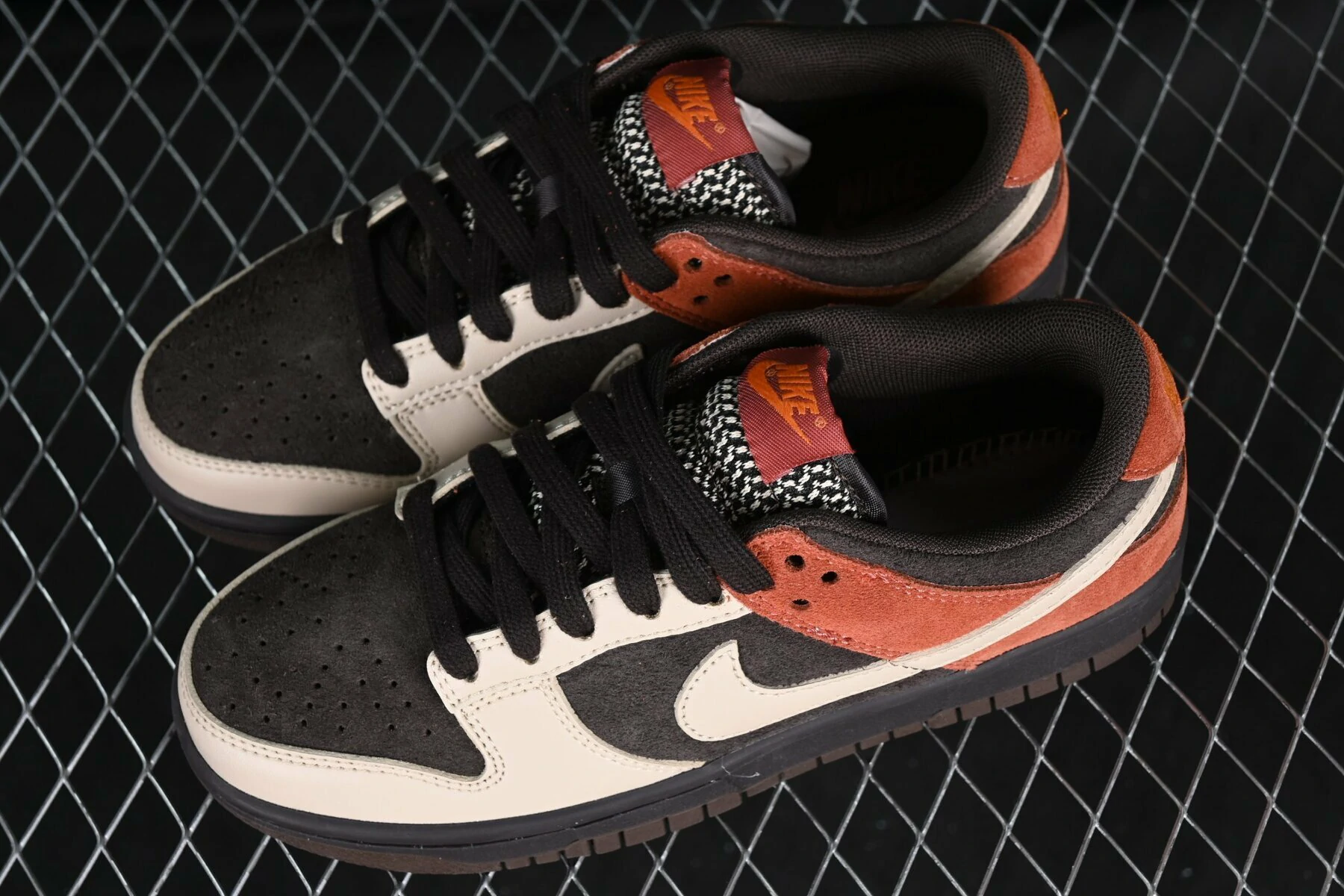
SB Dunk Lows are padded. Thick tongue, padded collar, more interior volume than a standard Dunk Low. Most customers take their normal Nike size, and wide-footed buyers often prefer a half size up.
When a customer asks whether the Nike SB Dunk Low Jarritos runs true to size, the honest answer is usually yes, with a caveat about width. Send them to the official Nike size chart instead of guessing, and back it with an exchange policy that covers fit.
For internal quality control, keep one authenticated reference pair in the back room. Compare insole length, collar padding density, and tongue thickness against incoming stock. Volume differences between real and fake pairs show up fast on a side-by-side.
Authentication Checks That Protect Your Capital
Counterfeits of the Nike SB Dunk Low Jarritos are common because the color blocking is busy and most buyers never handle a legitimate pair. Spend your time on the details that are expensive to copy: embroidery, material texture, and print quality on the packaging.
Embroidery and branding
The heel script should be dense, even, and straight, with clean edges on every letter. Loose threads, uneven spacing, or a logo that looks slightly stretched are enough reason to walk away from the lot.
Materials and silhouette
Hairy suede should feel soft and slightly irregular, never flat or slick. Canvas weave should be tight. Look at the toe box from the side, because fakes often sit taller or boxier than the real mold.
Stitching, midsole, and box label
Run a finger along the stitching lines. Uneven stitch density, wandering rows, or glue stains near the midsole are red flags. Box labels should use consistent fonts, the correct style code, and clean printing rather than smeared ink.
Apply the same sequence to every lot and write the results down. A short written record protects you when a supplier pushes back on a return request.
- Weigh both shoes in a pair; a noticeable mismatch or a pair that feels too light is a warning.
- Compare heel embroidery against your reference pair under direct light.
- Check the insole print and the stitching around the collar.
- Inspect the box label font, style code, and size sticker placement.
- Confirm the extra laces and packaging match what the release shipped with.
- Ask for the original receipt or order screenshot when the seller has one.
- Photograph every accepted pair with the label visible before it goes into stock.
Price Logic Across Sourcing Channels
There is no public wholesale price list for a 2023 collaboration. Anyone quoting you a fixed factory price on a sold-out Nike SB release is either selling fakes or reselling someone else's stock at a markup.
Every offer on the Nike SB Dunk Low Jarritos should be measured against live sold comps in the same size and condition. Subtract platform fees, shipping, and your target margin before you call a price good. The ranges below are descriptive, not quotes, and they move week to week.
| Sourcing channel | Price position | Main risk | Confirm before paying |
|---|---|---|---|
| Leftover skate shop stock | At or near original retail | Very limited sizes | Original box, receipt, and in-store history |
| Consignment and resale platforms | Premium over retail, size dependent | Fees and authentication delays | Payout terms, return window, condition grade |
| Sneaker wholesale distributors | Discount off current market | Mixed authenticity and condition | Written return policy and lot-level photos |
| Collection buyouts and trade shows | Below market, condition varies | Worn or swapped pairs | In-hand inspection and confirmed size counts |
| Overseas factory offers | Far below market | Counterfeit goods and customs seizure | Nothing makes this safe enough, treat it as a pass |
Run the landed cost math before you commit. Add freight, payment fees, and the cost of any pair you will have to discount, then check what is left against your overhead. Many shops aim for a 25 to 35 percent gross margin on hyped collaborations, but that figure is a starting point only, so confirm it against your own numbers and your supplier's terms.
Building a Size Run and Merchandising the Pair
In SB Dunk runs, men's 9 through 11 usually turn fastest. The smallest and largest sizes sit longer unless you have a specific customer base for them, so weight the buy toward the middle and keep the extremes thin.
Condition matters as much as size. Deadstock with a clean box sells to collectors; a worn pair with a replacement box belongs in a used case or an outlet bundle, not on the display wall at full price.
Merchandising is straightforward. Place it next to other SB collaborations, keep one pair visible and the rest boxed, and explain the soda reference on the product page. Customers who recognize the story convert faster and return for the next drop.
Frequently Asked Questions
Is the Nike SB Dunk Low Jarritos still worth stocking?
For most US shops, yes, in small quantities. It has recognizable branding, a strong secondary market, and steady demand from both skaters and collectors. Keep the buy tight, focus on mid sizes, and avoid tying up cash in a deep run of a 2023 release.
What should a shop expect to pay per pair?
There is no official wholesale channel for this shoe, so pricing depends entirely on the seller's cost basis. Compare each offer with current sold comps in the same size and condition, then work backward through fees and freight. Any price that looks dramatically below market deserves extra authentication time.
How fast can I spot a fake pair?
Start with the heel embroidery and the suede texture, since those two are the hardest to copy well. Then check stitching density, midsole glue lines, and box label print quality. If two or more of those look off, stop and get a professional opinion before you pay.
Are mixed liquidation pallets a safe way to buy this shoe?
Rarely. Pallets that advertise popular collaborations usually contain mismatched sizes, worn pairs, or counterfeit stock. Ask for a manifest, request photos of actual labels, and price the lot as if half of it will not sell at full margin.
Which sizes move slowest in the US?
Small sizes below men's 8 and large sizes above 12 tend to sit, though it depends on whether you sell to women, teens, or collectors. Track your own sell-through by size for four to six weeks before repeating a buy.
If you are assembling a buy list for the next drop or clearing slow backstock, send over your target size run, condition requirements, and landed cost ceiling. We will come back with current availability, lot photos, and clear terms so you can decide without guessing.