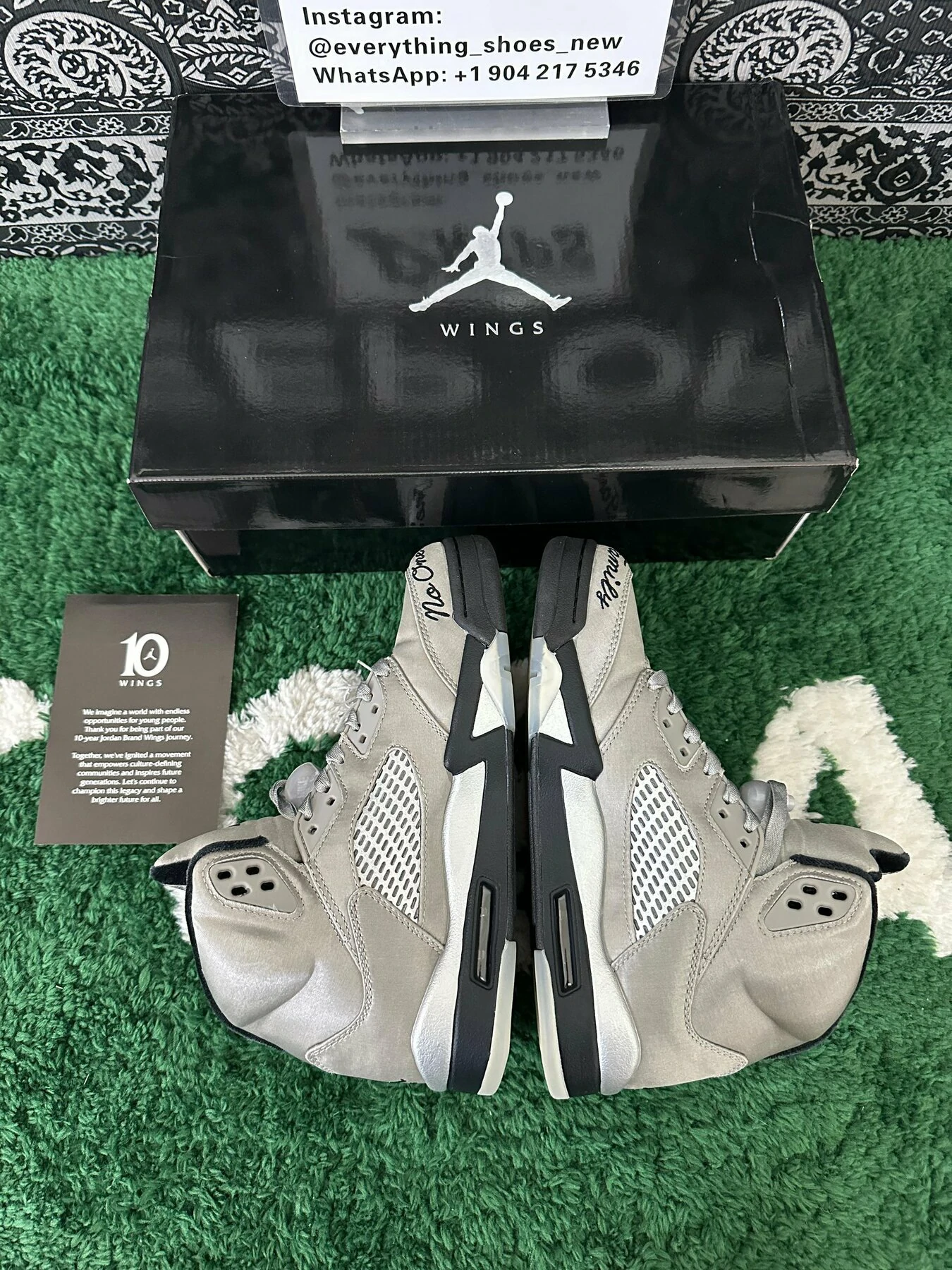
Most US Shops that carry the air Jordan retro 4 woman treat it as a dependable mid-tier seller rather than a hype drop. It moves on colorway and fit, not on loud marketing. What follows covers how the women's build differs from the men's pair, where sizing returns come from, which colorway types turn over, and how to vet a wholesale lot before you commit.
The advice is written for independent store owners, online sellers, and buyers filling a size run rather than a single pair.
Where the Women's Retro 4 Fits in a Store's Lineup
The women's version of the Retro 4 uses the same visible Air unit, mesh side panels, and layered upper as the men's pair, built on a narrower last and offered in a shorter size run. Shoppers recognize the shape immediately. That recognition does a lot of the selling work before anyone touches the shoe.
Because the last is narrower, a chunk of your buyers will be men with smaller feet crossing over. A women's 10 is roughly a men's 8.5, so the top of the run quietly serves a second customer group. The same overlap applies to teenagers moving up from grade-school sizes.
Treat this as a size-run decision rather than a style decision. Depth at the middle of the run, roughly US 7 to 9, usually outsells the extremes, and the 5 to 6 range tends to sit unless you have a steady local customer for it.
Fit and Sizing: Where Most Returns Originate
Across the run, the air jordan retro 4 woman fits close to true to size for most wearers, with a slightly snug midfoot. Narrow feet feel locked in. Wide feet often report pressure at the pinky toe during the first week.
The fix is simple: suggest a half size up for wide feet and thin socks for everyone else. The padded collar and structured heel need a few wears to soften, so a pair that feels stiff on day one is not necessarily the wrong size.
Converting Between Women's, Men's, and Grade-School Sizes
Standard conversion puts a women's size about 1.5 numbers above the men's equivalent, so a women's 9 lands near a men's 7.5. Grade-school pairs follow their own scale and stop before adult sizes begin. Confirm against the brand's official size chart before you print anything on a shelf tag, since charts get revised.
Returns in this model usually trace back to two habits: customers ordering their men's size out of muscle memory, and wide-foot buyers sizing down because the padded collar feels roomy at first. A one-line note on the product page handles most of it.
Reading Colorway Demand Before You Commit
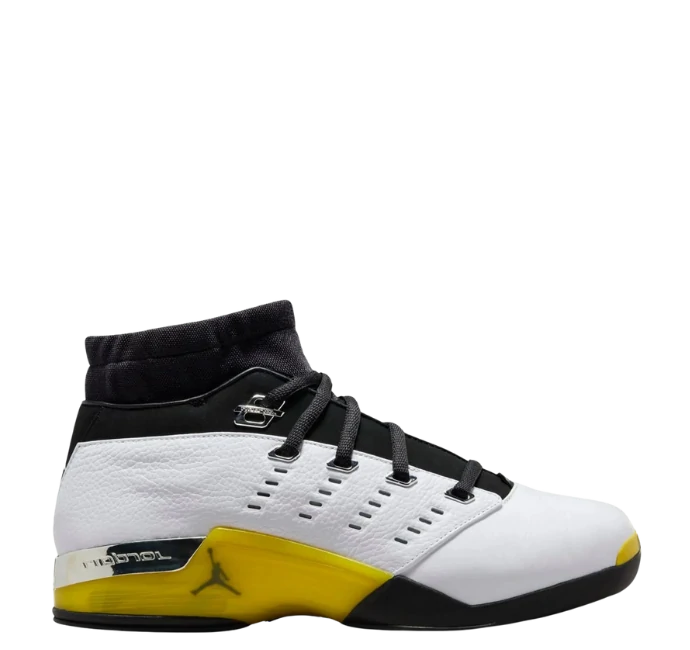
Colorway decides how fast the air jordan retro 4 woman turns over far more than the silhouette does. Original-style white and cement palettes, black-based pairs, and clean tonal builds move at a predictable pace. Bright seasonal colorways can spike and then stall, especially in the larger sizes.
| Colorway type | Core buyer | Typical pace | Suggested depth |
|---|---|---|---|
| Original-style white or black cement palettes | Repeat customers, all ages | Steady | Full run, deeper at US 7 to 9 |
| Tonal and muted seasonal pairs | Women buying for daily wear | Moderate | Full run, lighter at the extremes |
| Bright fashion colorways | Younger buyers, social-driven | Fast, then flat | Shallow, reorder only on proof |
| Collab or limited drops | Collectors | Unpredictable | Buy to a waitlist, not to shelf |
For an independent shop, the safe core is one or two original-style palettes carried deep, plus a shallow test on whatever seasonal color is trending locally. Collectors will ask about limited pairs, but tying up cash in a drop you cannot restock rarely pays for the shelf space it occupies.
Watch local demand signals rather than national ones. If your customers are parents refreshing a rotation and twenty-somethings rebuilding one, muted pairs will outperform the loud ones more often than the other way around.
Supplier and Authenticity Checks Before You Buy a Lot
Counterfeit pairs of the air jordan retro 4 woman show up often enough that any wholesale lot deserves a photo-based or physical inspection. Ask for the size-run breakdown first. A supplier who cannot produce it in writing is not ready to fill a retail order.
- Request the exact size-run split, not a total unit count.
- Ask for tagged photos of the actual pairs, including the size tag inside the collar.
- Compare the tongue label, stitching density, and heel tab shape against a known authentic pair.
- Check the box label SKU and production dates against the style you ordered.
- Order one sample pair before committing to a bulk buy.
- Get the defect and return policy in writing, including who pays return freight.
- Confirm whether the lot is current-season stock, closeout, or mixed.
Photos of one hero pair do not tell you what the rest of the shipment looks like. Ask for images of the least attractive pair in the lot, since that is usually closer to the average customer experience. When a pair looks off, send it to a professional authentication service before you list it.
On the commercial side, confirm the supplier's policy on mixed sizes and whether you can reorder a single size later. Shops that cannot top up a broken run end up discounting the leftover extremes.
Pricing, MOQ, and Restock Timing

Wholesale terms for retro Jordan stock vary widely by supplier, and the numbers shift with season, size, and colorway popularity. As a rough reference only, retailers commonly see landed wholesale cost somewhere around 50 to 65 percent of suggested retail, which leaves a gross margin in the mid-30s to mid-40s once freight is counted. Verify every figure with your supplier before you set a retail price.
MOQs are usually quoted per style and per size run rather than per pair, and small shops often combine several styles to reach a supplier's minimum. If a supplier pushes a single-colorway bulk buy with no size flexibility, read that as a warning sign rather than a bargain.
Restock timing matters more than most buyers expect. Set a reorder point when the US 7 to 9 block drops to about a third of what you started with, and let the extremes sell down before you refill. Waiting for a full sellout usually means a higher unit cost on the next lot, or losing the colorway entirely.
Common Questions From Buyers
Does the air jordan retro 4 woman run true to size?
Most wearers take their usual women's size. With wide feet or a high instep, a half size up is the safer call. Retailers should put the 1.5-size conversion to men's sizing on product pages to cut avoidable returns. Cross-check the current official size chart before publishing any fit guidance.
What is a realistic MOQ for a small shop?
It depends on the supplier and whether you are buying current stock or closeout. Small retailers often start with a few size runs spread across two or three colorways instead of one deep buy. Ask for the minimum in writing and confirm whether mixed styles count toward it, then compare at least three suppliers.
How can I tell a counterfeit pair from an authentic one?
Start with the tongue label, stitching density, heel tab shape, and box label. Fakes usually fail on at least two of those. Photo inspection helps, but a physical check or a professional authentication service is more reliable for a bulk order. Keep the supplier's return policy on file in case a pair fails.
Which colorways should a new stockist start with?
White and black cement palettes in the original style are the safest first buy, since they appeal across age groups and sell at a steady pace. Add one muted seasonal color and one bright pair in shallow depth to test local taste. Skip limited drops until you have a customer list willing to commit before delivery.
How often should I reorder?
Track sell-through by size rather than total units. Reorder when the middle of the run falls to roughly a third of the opening stock, and let the smallest and largest sizes clear on their own. Frequent shallow reorders usually beat one large seasonal buy for independent shops.
If you are sourcing retro Jordan stock for a US store or online shop, start with a written size-run quote and one sample pair. Send your target colorways and size split, and our sourcing team will confirm availability, lead times, and payment terms before anything ships.