For an independent kids' shoe store, adidas girls' originals samba soccer Shoes are a narrow but useful SKU to understand before you commit open-to-buy dollars. They are a youth-focused take on the Samba line, sold mainly as lifestyle and indoor soccer footwear rather than as a modern performance cleat. This Guide covers the product, fit, materials, stock planning, and supplier checks that matter to US retailers and online sellers.
What This Samba Style Actually Is
The shoe borrows the Samba's low profile, lace-up upper, and gum-style outsole, then scales it for girls' sizing. Most versions are built for everyday wear, school outfits, and casual indoor play. If a customer asks for a soccer shoe for outdoor grass, set expectations early: this is not a studded field cleat.
For buyers, the distinction matters. A parent may want one pair for recess, indoor gym, and weekend wear, while a club parent may need a true soccer boot. Keep the product description clear on that point to reduce returns. The Samba name carries recognition, but the girls' line needs accurate categorization in your webstore and on the shelf.
Fit and Sizing Notes Before You Buy
With adidas girls' originals samba soccer shoes, start by confirming the size system on the box and the label. Youth US sizes do not map perfectly to adult US sizes, and EU/UK conversions can vary by model. Ask your supplier for the exact size chart tied to the SKU, not a generic brand chart.
Most kids' Samba styles run close to standard youth sizing, but fit comments vary with sock thickness and foot width. A narrow child may wear the listed size comfortably; a wide-footed child may need to size up or choose another model. Train staff to measure both feet and check toe room while the child stands.
For online sellers, publish a clear conversion table and a short fit note. State whether the shoe is true to size, narrow, or roomy, based on customer feedback and your own samples. Do not promise a perfect fit. Offer a simple exchange path instead.
| Checkpoint | What to verify | Why it matters |
|---|---|---|
| Size label | US girls' or youth size, EU and UK conversion | Prevents wrong-size orders and returns |
| Foot width | Narrow, standard, or wide fit feedback | Helps parents choose between sizes |
| Use case | Indoor court, school, and casual wear | Keeps product claims accurate |
| Sample try-on | Toe room, heel slip, and arch feel | Gives staff real selling language |
Materials and Construction Checks
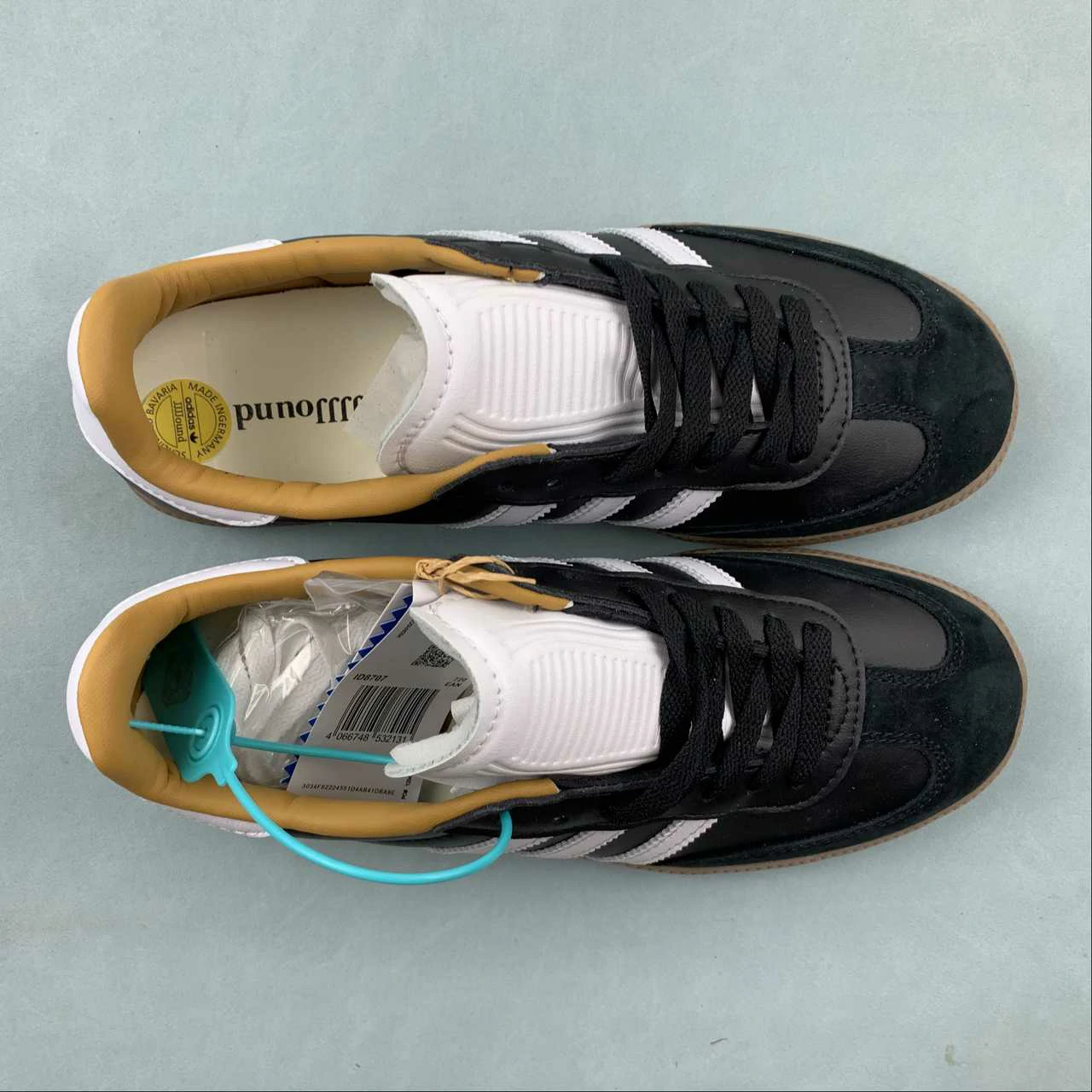
On adidas girls' originals samba soccer shoes, check the upper, toe overlay, stitching, and outsole bonding first. Many Samba-style uppers use suede or synthetic suede panels with a leather-like base. The exact mix changes by colorway, so confirm the material callout on the box and product page.
Look for even stitching, clean edge paint, and a toe bumper that sits flat. The outsole should feel firmly attached, with no visible gaps or excess glue. Inside the shoe, the footbed should lie flat and the lining should not bunch at the heel.
Use a sample pair for a simple flex test. Bend the shoe at the ball of the foot and check for sharp creasing or separation. This will not prove authenticity, but it flags obvious quality issues before you place a larger order.
Stock Planning for US Kids' Retailers
Treat adidas girls' originals samba soccer shoes as a size-run business, not a one-size add-on. The core sizes move first, but broken runs create markdowns. Build your initial order around the sizes your customers actually request, then fill gaps with a smaller reorder.
Seasonality matters. Back-to-school and spring sports create different demand patterns. Black and white colorways usually carry broader appeal; fashion shades can sell well but are riskier for a small shop. Hold back a portion of open-to-buy for reorders once you see sell-through.
For web sales, list each size separately and keep inventory synced. Parents often buy two sizes and return one, so your return policy and shipping terms should be easy to find. Bundle the shoe with socks or a care kit only when it helps the customer, not as a way to hide a weak size run.
Colorway and Pack Ratio Decisions
Color choice is a stocking decision, not just a style call. Core black, white, and gum combinations are easier to reorder and explain to parents. Seasonal colors can create a point of difference, but they also age faster on the shelf.
Ask for the pack ratio before you commit. A supplier may require a mixed run across sizes or colors, and that mix can shape your sell-through. If the ratio does not match your customer base, negotiate or look at another lot. Confirm all terms in writing.
Supplier and Authenticity Checklist
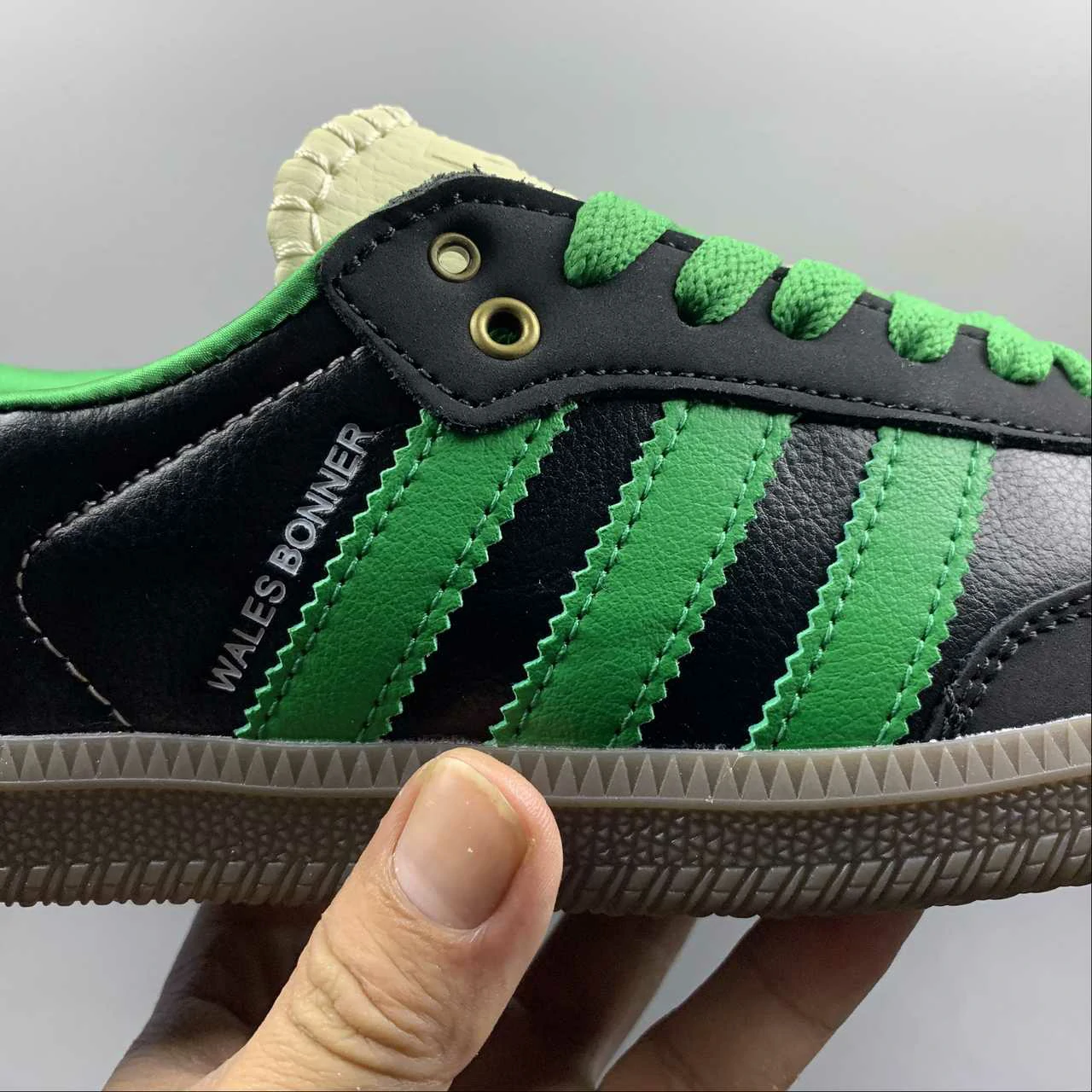
When you source adidas girls' originals samba soccer shoes, ask for clear product photos, size labels, box labels, and a sample before a bulk commitment. A supplier should answer basic questions about model codes, materials, and pack ratios without pressure. Vague answers are a warning sign.
Minimum order quantities, lead times, and shipping terms vary widely. Get them in writing and confirm the final cost after freight, duties, and payment fees. For import rules and duty rates, check with a licensed customs broker; do not rely on a supplier's general statement.
Authenticity checks should include the label print, stitching quality, sole texture, and box details. If you are not trained in authentication, use a professional verification service for high-value buys. Keep records of your supplier, invoices, and samples.
- Request a physical sample and compare it with a known retail pair.
- Confirm the size chart, material callouts, and model code in writing.
- Ask for pack ratios and available size runs before you agree to a quantity.
- Check return, defect, and replacement terms for damaged pairs.
- Verify freight, duties, and delivery windows with your broker and forwarder.
- Photograph incoming cartons and inspect a sample from each size run.
FAQ for Buyers
These questions come up often from shop owners testing a youth Samba style. Use the answers as a starting point, then confirm details with your supplier and the official size chart.
Are these shoes meant for outdoor soccer?
Usually no. This style is closer to indoor court and lifestyle use than to a studded outdoor cleat. If a customer needs grass or turf traction, point them to a true soccer model. Keeping the use case clear lowers returns and protects your store's reputation.
Do they fit true to size?
Many kids' Samba styles fit close to standard youth sizing, but width and sock thickness change the feel. Measure the child's foot and check toe room. Publish a size conversion chart and allow exchanges. For wide feet, suggest sizing up only after a try-on or a clear fit note.
How many sizes should a small shop stock?
Start with the sizes that match your local school and sports groups, then add one size on each end. A narrow initial run is safer than a deep buy in every size. Reorder once you see sell-through. Confirm minimums and pack ratios with your supplier before you plan the buy.
What should I check on a wholesale sample?
Inspect stitching, toe overlay alignment, sole bonding, lining, and label print. Compare the sample with photos and the stated material callouts. Ask about defect terms and replacement windows. For high-value orders, use a professional authentication service and keep the sample on file.
Ready to add a focused youth Samba option to your assortment? Request current product photos, size runs, and wholesale terms from your supplier, then test one sample before you scale. A short inquiry with your target sizes and colorways will get you a more useful answer.