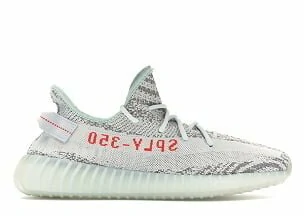
For most US shops, the adidas womens ultraboost 5.0 dna running shoe belongs in a small, deliberate buy rather than a deep stock position. It is a premium women’s neutral trainer with Boost cushioning, a knit-style upper, and enough lifestyle appeal to sell beyond the run specialty floor. That mix matters because your customer base may include daily runners, walkers, nurses, and commuters who want one shoe for both errands and easy miles.
The Buying decision starts with overlap. If your women’s running wall already has two or three plush neutral trainers, this model has to earn its space with fit, color, and brand pull. A store that serves high school runners may see different demand than one near a hospital or a downtown office district. Treat the shoe as a targeted add, not an automatic fill-in.
Fit, Sizing, and the Size Run That Moves
When you compare the adidas womens ultraboost 5.0 dna running shoe with other women’s neutral trainers, the fit and upper matter more than the marketing name. Most shoppers will ask whether it runs true to size, whether the knit feels snug across the forefoot, and whether the heel holds without slipping. Have staff compare it against the customer’s current running shoe and, when possible, against the previous Ultraboost generation on the same foot.
US women’s sizing should be handled with a try-on, not a chart alone. Ask the customer about sock thickness, orthotics, and whether they prefer a close race fit or room for toe splay. A half size up is not a universal fix; it can create heel slip in a shoe with a structured counter. Keep the official adidas size chart at the counter and note any fit comments in your staff log.
For a small shop, a practical size run might be one pair each in the middle sizes and half sizes, with limited depth at the extremes. That approach protects cash while still giving customers a chance to try the fit. If a colorway sells through the middle quickly, reorder before you widen the curve. For reference only, confirm case packs and reorder timing with your supplier.
- Record whether customers size up, stay true, or size down.
- Track returns by size, not just by style.
- Keep one try-on pair separate from sellable stock.
- Note width complaints in the product log.
Wholesale Math and Stock Depth
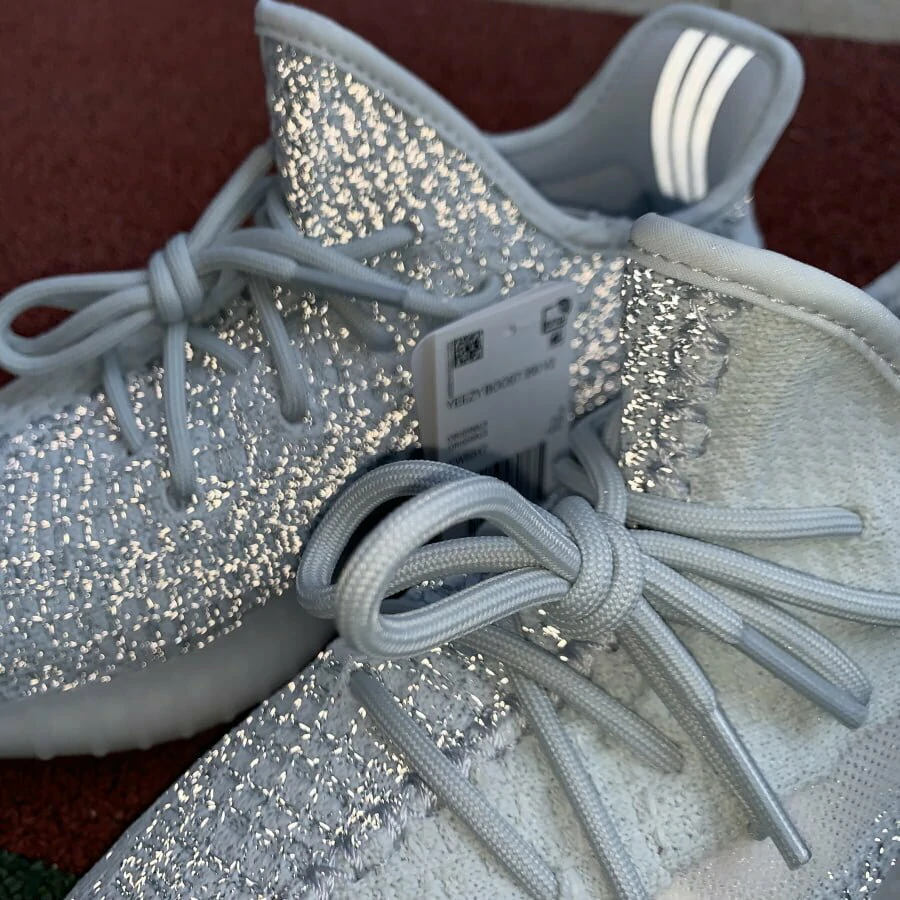
Wholesale math for this model should include landed cost, returns, and markdown risk. The sticker price on a supplier sheet is only one input. Freight, payment fees, and the cost of carrying slow sizes can turn a strong-looking margin into a thin one. Build a simple unit margin sheet before you commit to a colorway.
Use the table below to compare the product against what is already on your wall. It is not a price list. It is a filter for deciding whether the shoe adds a real option for your customer or just duplicates an existing one.
| Decision point | What to verify | Why it matters |
|---|---|---|
| Sizing | Compare try-on feedback with your current women’s neutral trainers | Fewer size-related returns |
| Upper fit | Check forefoot room and heel hold on a sample pair | Reduces fit complaints at the counter |
| Cushioning | Confirm the ride against plush and responsive models you already stock | Avoids duplicate SKUs |
| Outsole | Review rubber coverage and tread pattern | Supports durability conversations |
| Landed cost | Add freight, fees, and expected markdowns to unit cost | Shows the real margin |
Stock depth should follow sell-through, not a supplier’s volume discount. A deep buy can look efficient on paper, but it ties up cash in sizes that may sit for months. Start with a narrow color plan and reorder proven sizes. If you sell online, keep a separate buffer for individual pair orders because web returns are harder to predict.
Do not quote firm retail prices or margins to customers until you have your landed cost in hand. Ask the supplier for the full cost breakdown, including any duties or handling fees that apply to your account. For cross-border shipments, confirm procedures with a customs broker rather than relying on general advice.
Sourcing and Authenticity Checks
Sourcing this model requires the same discipline as any premium branded shoe. Ask for clear photos of the actual pairs, the box label, and the size tag. Confirm whether the supplier sells authorized stock, closeouts, or another category, and get the return policy in writing. A low unit cost is not useful if the pairs cannot be authenticated or returned.
Authentication is not a five-second check. Stitch density, midsole texture, box labels, and font placement all matter, and the methods change by season. If your staff is not trained, use a professional authentication service for high-value buys. Keep purchase records and photos so you can resolve disputes with a supplier.
Run this checklist before you place a purchase order:
- Request a sample or detailed warehouse photos.
- Match the box label, size tag, and style code.
- Ask about the source channel and return terms.
- Confirm the shipping window and who pays for returns.
- Start with a test order before scaling.
Keep supplier conversations specific. "Is this authentic?" is too broad. Ask how the supplier sources the model, what happens if a pair fails inspection, and whether they can hold a size run for your account. Those answers tell you more than a generic authenticity promise.
Merchandising for In-Store and Online
A customer who already runs in a previous Ultraboost generation will usually ask the same questions about the adidas womens ultraboost 5.0 dna running shoe: Is it true to size, does it feel heavier, and will the knit upper hold up? Put a short comparison card next to the shoe. List the fit notes, the intended use, and the sizes you carry. That card does more than a shelf talker with a generic brand message.
Online, use the same fit language in the product page and in the return policy. Shoppers cannot try the shoe, so they need clear guidance on sock thickness, orthotics, and half-size decisions. Add photos of the outsole and the heel counter, not just the side profile. Accurate detail lowers return rates and reduces the time your team spends on fit questions.
If you stock the adidas womens ultraboost 5.0 dna running shoe, keep a simple size curve visible to staff. Mark the best-selling middle sizes and note which sizes trigger special orders. A written curve prevents one associate from over-ordering a favorite size and another from under-ordering the sizes customers actually request.
Train the team to ask about use case before they pitch the shoe. A casual wearer may care more about color and ease of cleaning, while a runner may ask about drop, cushioning, and outsole grip. The same model can serve both, but the conversation should change. Staff who ask two good questions close more full-price sales than staff who recite specs.
FAQ
These are the questions that come up most often at the counter and in online chat. Use them to build a short staff script, then adjust the answers as you collect real fit feedback from your own customers.
Is this Ultraboost true to size?
Most customers should start with their usual US women’s running shoe size, but fit depends on sock thickness and orthotics. The knit upper can feel snug at first. Ask the customer to compare heel hold and toe room against a shoe they already trust. If they are between sizes, test both rather than guessing.
Does it work for wide feet?
It can work for some wide-footed customers, but the fit is not a dedicated wide width. The knit upper may stretch, yet the midsole and heel counter still set the base. Customers who need extra forefoot room should try a half size up only if heel slip stays manageable. Otherwise, point them to a true wide-width model.
Can a small shop special-order it?
Many independent shops use special orders to test demand without carrying full size runs. Confirm the supplier’s minimums, delivery window, and return terms before you promise a date to the customer. Collect a deposit when your policy allows it. Keep the order tied to a specific customer so you do not create dead stock.
What should I ask a supplier before ordering?
Ask for the source channel, available sizes, box condition, and the exact return policy. Request photos of the size tag and box label, not just the shoe. Confirm whether the price includes shipping and who handles duties. For reference only, compare landed cost across two or three suppliers before you commit.
When you request quotes for the adidas womens ultraboost 5.0 dna running shoe, include your size run, color preference, and target landed cost. Ask for a small trial order with clear return terms, then track sell-through before you expand the buy.