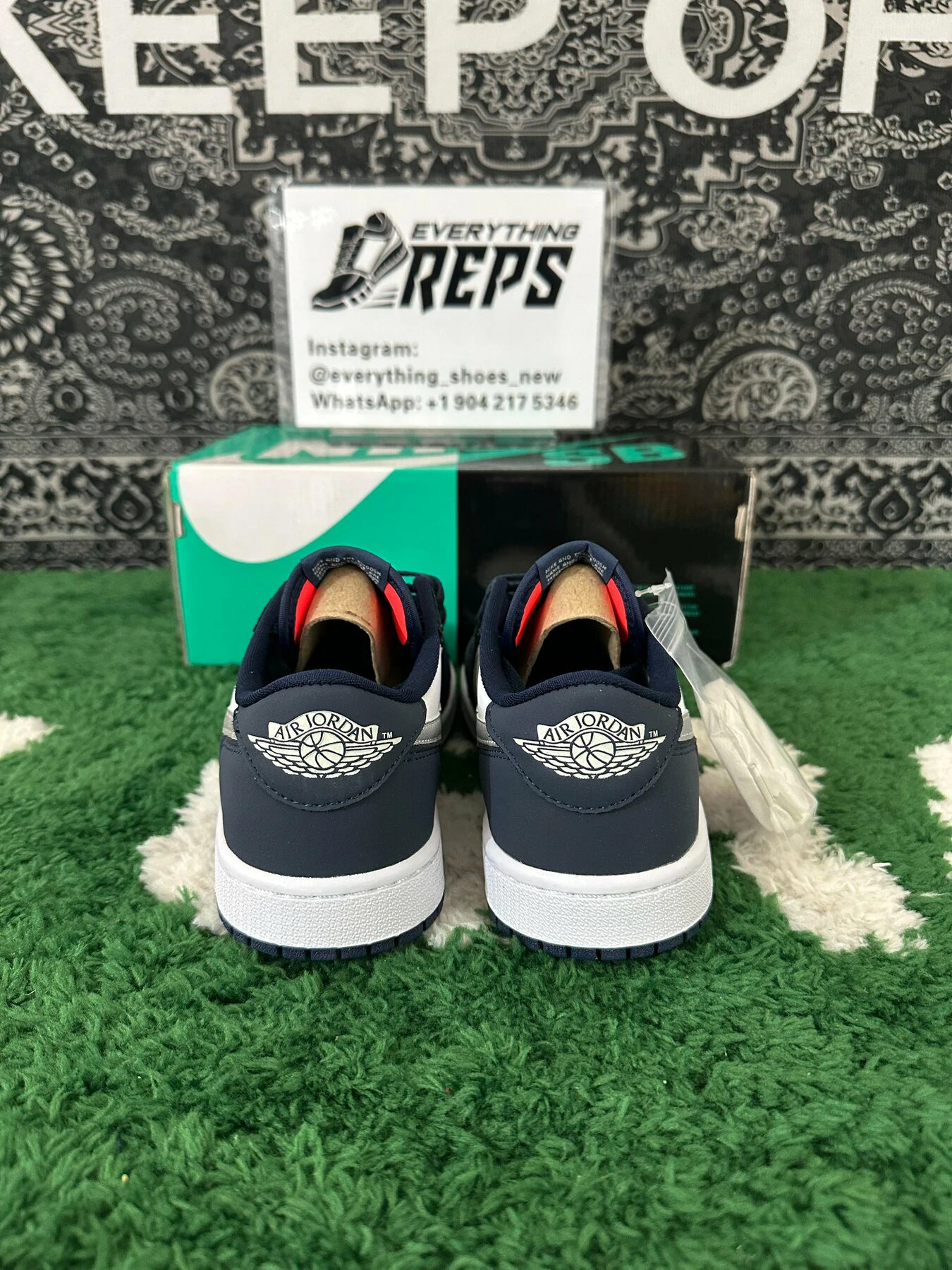
Tying a pair of Air Jordans comes down to two separate jobs. One gets a secure fit for the customer walking out in them. The other is a shelf setup that photographs cleanly and survives a hundred try-ons. The patterns differ, so treat them as two procedures rather than one.
What follows is the method we run on the sales floor: lace prep, the standard tie, display Lacing, and a few model-specific notes. If your staff only learns how to tie Nike Air Jordan pairs one way, resets and fit Returns both get more expensive.
Prep Work Before the First Knot
Lace length is the first thing to confirm. Adult Air Jordan 1 High and Mid pairs usually ship with laces in the 50 to 55 inch range, and lows run shorter. Those numbers shift between models and model years, so measure one pair from your own stock before you commit to a bulk order of replacements.
Loosen every eyelet before re-lacing anything. Factory lacing is pulled tight, and dragging new lace through tight eyelets creases the tongue and flattens the collar padding. A flat tongue never comes back fully, and customers notice it on a pair you are selling as new.
Inspect the aglets as well. Bent or split tips snag on eyelets and slow down every try-on. Keep a small bag of spare laces behind the counter; swapping one is cheap, while a scuffed floor sample can sit for months.
The Standard Tie for Fit and Try-Ons
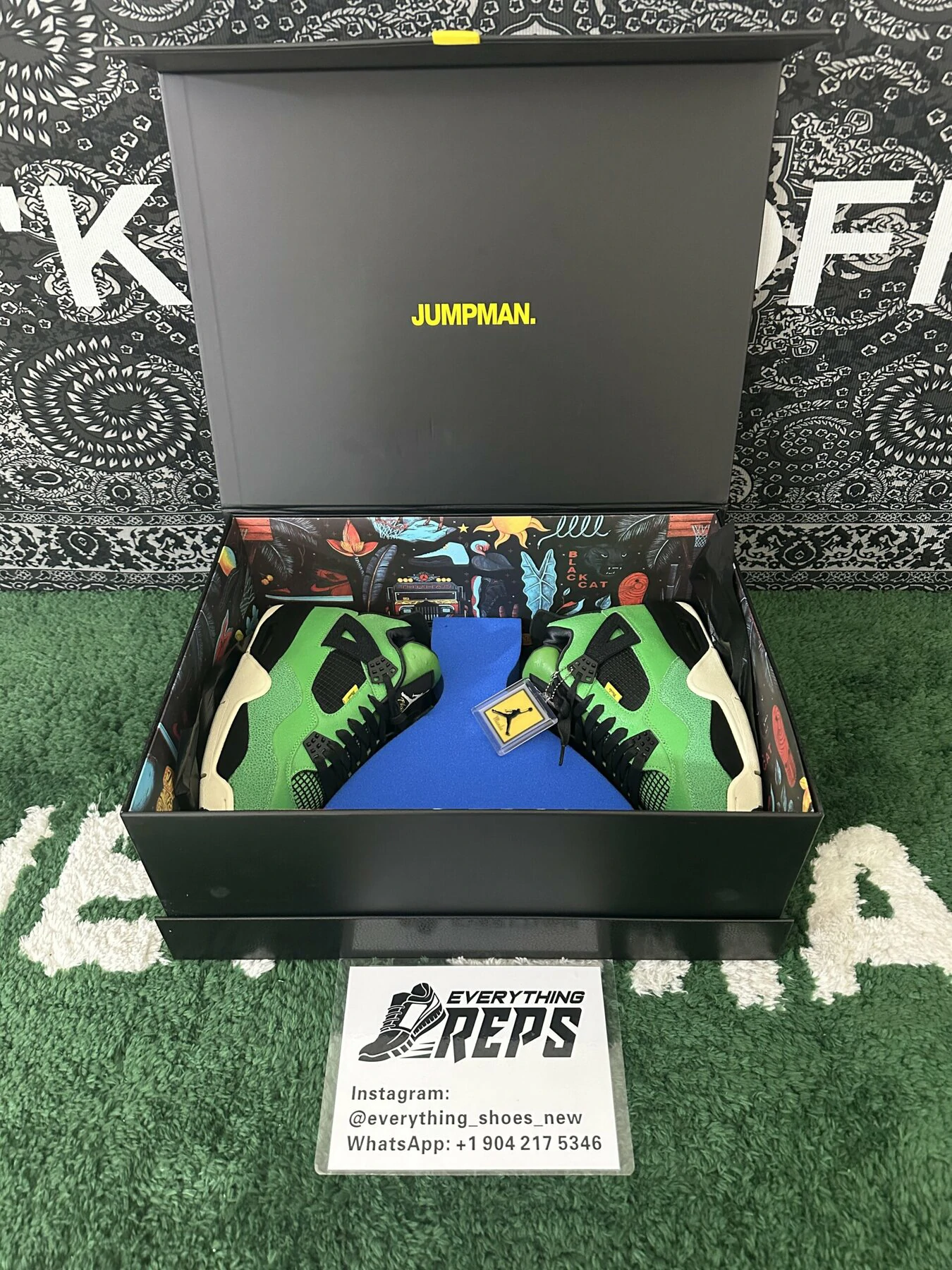
This is the setup for anyone actually wearing the shoes out of the store. It takes about ninety seconds once your staff has done it a dozen times.
- Start at the bottom two eyelets and pull both ends even so the lace sits centered on the tongue.
- Cross the ends over the tongue and feed each one up through the next eyelet from underneath.
- Keep tension even on both sides as you work upward. Uneven pull is what makes a tongue ride sideways.
- At the second eyelet from the top, run each end straight up the same side to form a loop, then cross through the opposite loop. That is a heel lock.
- Tie the bow, then tuck it under the crossed laces, or add a double knot if the customer plans to play in them.
New hires should learn how to tie Nike Air Jordan high-tops with that heel lock as the default. The collar sits high, so a loose top section lets the heel lift, and heel lift is what customers mention first at the register.
Display Lacing for the Shelf
Shelf pairs need a flat tongue, parallel lines, and no bow. Straight bar lacing does the job: run the lace horizontally across the bottom two eyelets, feed each end straight up the inside of the shoe to the eyelet above, cross once, and repeat to the top.
When a store owner asks how to tie Nike Air Jordan pairs for a front table, the honest answer is not to tie them at all. Finish the lacing, tuck both ends behind the tongue or under the insole, and leave the collar open so the shape reads clearly from three feet away.
Presentation carries real weight here. A neat, unbowed lace job signals a pair that has been handled with care, which is the message you want on anything priced as new. It also cuts reset time, since there is no bow to redo after a customer tries the shoe on.
Match the Pattern to the Model
| Model | Setup for wear | Setup for display | What to check |
|---|---|---|---|
| Air Jordan 1 High / Mid | Crisscross with heel lock | Bar lacing, ends tucked | Lace swaps are common, confirm the colorway |
| Air Jordan 1 Low | Standard crisscross, single knot | Bar lacing, short tuck | Ends should clear the floor when worn |
| Air Jordan 3 and 4 | Standard tie, even tension | Bar lacing, flat tongue | Padded tongue folds if one side is tighter |
| Air Jordan 11 | Standard tie through the upper loops | Loose loops, no bow | Do not over-tighten the top loops |
Treat those ranges as typical and confirm against the size run in your own stock, since lace length and eyelet count change between releases. We teach staff to how to tie Nike Air Jordan 3s and 4s with slightly softer tension at the top, because the thicker tongue folds under hard pressure and leaves a visible crease line.
Mistakes That Cost Time on the Floor
- Re-lacing while the old lace is still knotted at the tip, which doubles the work.
- Pulling the top eyelets tight before the bottom of the tongue sits flat.
- Leaving one display pair with a bow and the next one tucked, so the wall looks sloppy.
- Mixing lace lengths across a single size run and guessing which pair takes which.
- Skipping the heel lock on high-tops and handling the fit complaint at the register instead.
- Leaving spare laces loose in the box, where they tangle and slow down a try-on.
None of these are difficult to correct. The cost is repetition. If your team resets ten pairs a day and each sloppy lace job adds three minutes, that is time pulled away from customers who are ready to buy.
Write the two patterns into your opening checklist and train them once at onboarding. After that, lacing stops being a judgment call and becomes a standard your staff can hit without thinking about it.
FAQ
Do high-top and low-top Jordans use the same lace length?
No. Low-tops take shorter laces, generally several inches less than the high-top version of the same model. Measure a pair from your own stock instead of trusting a chart, because length shifts between releases and colorways. Keep one reference lace per size run on hand so replacements stay consistent.
Should new pairs be re-laced before they go on display?
Yes, when the factory lacing is uneven or the bow sits bulky. A quick bar-lace job flattens the tongue and gives you a consistent look across the wall. On premium pairs it is worth the extra two minutes, since presentation is part of what the customer is paying for.
How do you keep the bow hidden on display pairs?
Skip the bow entirely. Finish the lacing at the top eyelet, then run both ends down behind the tongue or under the insole. The collar stays open, the lines stay clean, and a customer trying the shoe on does not have to undo anything before you get to the sale.
Does lacing really change how a shoe fits?
It changes how the fit feels. Tension at the top two eyelets controls heel slip, while tension at the bottom controls pressure across the forefoot. The practical answer to how to tie Nike Air Jordan pairs for a narrow foot is to keep the lower eyelets loose and lock down the top.
What lace length should a store keep in stock?
Stock the lengths that match your best-selling models, measured from actual pairs rather than copied from a listing. Keep a small buffer of white and black in each length, since those two cover most swaps. Confirm current availability and pack sizes with your supplier before ordering.
If you are building a lace program, a floor sample set, or a full size run for the season, send over your model list and quantities. We will confirm lace lengths, pack sizes, and current availability so your order lands right the first time.