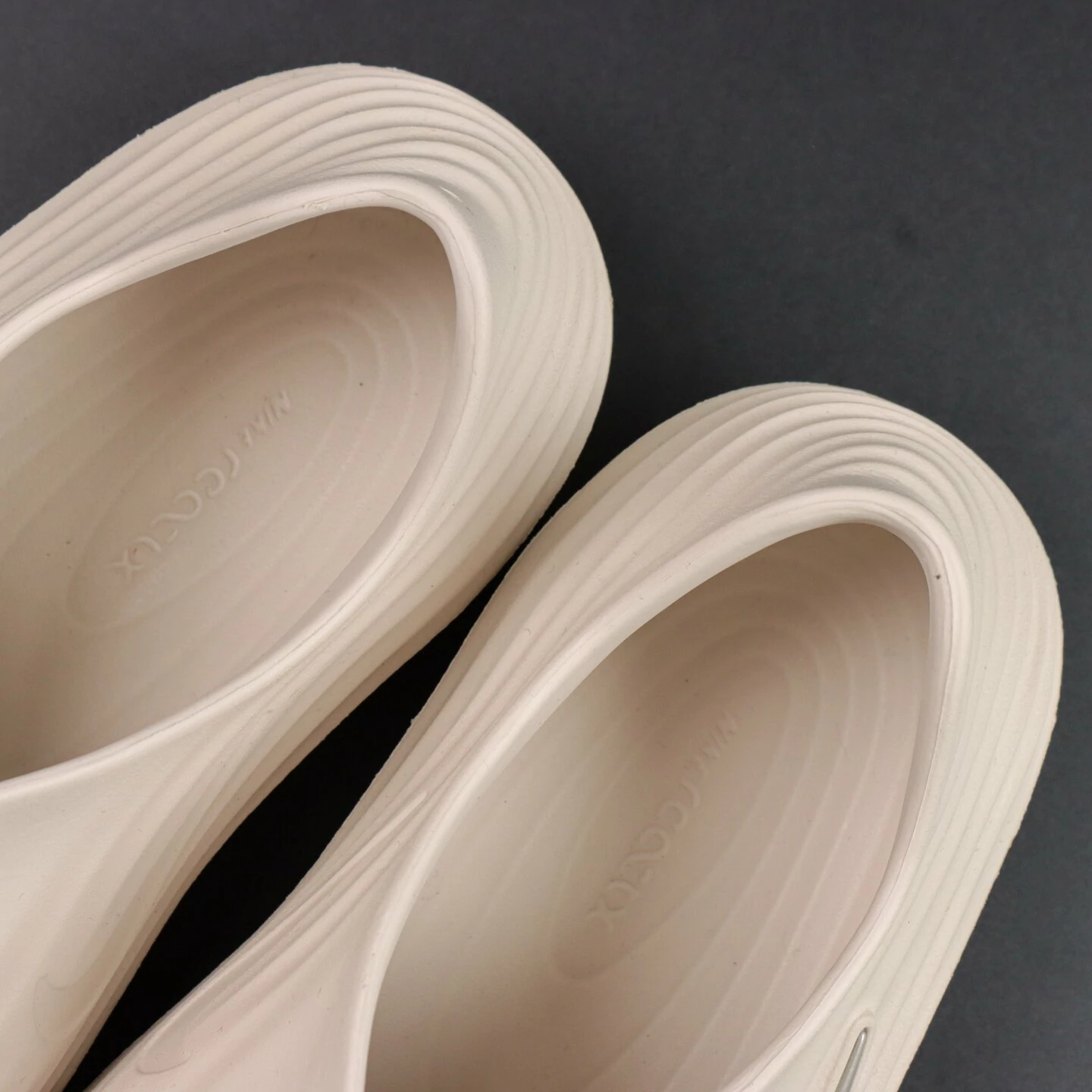
The Nike Dunk Low heel drop is not a single published number across every release, and that surprises some buyers. The shoe is built on a low-profile court sole, so it feels flatter underfoot than a running shoe or a thick retro trainer. For a store owner, the practical question is not just the number. It is how that low ride affects try-on feedback, size breaks, and return risk.
This guide explains what heel drop Means on this model, how to check sample pairs, and how to use the spec when planning stock for US shops. It keeps the focus on buying decisions, not sneaker lore.
What Heel Drop Means on a Low-Profile Sneaker
Heel drop is the difference in stack height between the heel and the forefoot. A 4 mm drop feels closer to flat than a 12 mm drop, but the number alone does not tell you how soft or stable a shoe feels. Foam density, insole thickness, and outsole shape matter just as much.
When buyers ask about the Nike Dunk Low heel drop, they usually want to know whether the shoe feels tipped forward, flat, or high at the back. On this model, the answer is generally flat to low. It behaves more like a court sneaker than a performance runner, which is part of why it works in casual assortments.
How the Nike Dunk Low Heel Drop Affects Fit and Sizing
The Nike Dunk Low heel drop sits in a low, court-shoe range, so most try-on comments focus on the flat stance rather than a forward lean. That feel can suit customers who dislike rocker-bottom running shoes. It can also expose arch-support preferences that a thicker midsole would hide.
Sizing usually follows the brand's chart more than the drop. Many buyers take their normal US size, while wide-footed customers often move up half a size or choose a wider option when available. Do not promise a universal fit. Ask customers to use the official size guide and, where possible, try the exact release.
For retail staff, the key point is to separate heel drop from length. A low drop does not make a shoe run short. A tight toe box, thick sockliner, or stiff leather upper can create that impression. Check the pair on a flat surface and compare left and right before you write fit notes.
| Model | Underfoot feel | Heel drop note | Buying takeaway |
|---|---|---|---|
| Nike Dunk Low | Flat, firm court feel | Low, close to flat; confirm sample pair | Stock normal size curve; flag wide-fit questions |
| Nike SB Dunk Low | More padded, slightly softer | Low, but insole adds bulk | Check insole thickness and toe room |
| Air Force 1 Low | Higher, heavier stance | More drop and stack than Dunk Low | Expect different try-on feedback |
| Jordan 1 Low | Flat court feel with firmer heel | Low, similar casual ride | Compare collar height and toe shape |
Stock Planning for US Retailers
Use the Nike Dunk Low heel drop as one data point in a broader fit profile. Pair it with upper material, collar padding, and insole thickness. A leather pair and a canvas pair can sit differently even when the sole looks the same. That difference matters when customers shop by size online.
Build size runs from real sell-through, not from one release. Dunk Low demand can cluster in common men's and women's sizes, but colorway and region change the curve. Keep a small buffer in half sizes if your customers often ask for a roomier fit.
- Check the product page and sample pair before publishing a heel drop figure.
- Measure both shoes, not just the right foot.
- Note insole thickness because it changes the effective drop.
- Record try-on comments by size, not just by colorway.
- Review returns for toe pressure and heel slip after every drop.
That checklist is simple, but it prevents a common mistake. Sellers copy a spec from one release and apply it to every Dunk Low. The result is confused customers and avoidable returns. Treat each batch as its own fit sample, especially when you buy closeout or mixed lots.
Online listings need a plain fit note, not a vague promise. Say whether the pair feels flat, whether the toe box is snug, and whether the insole is removable. Shoppers cannot test heel drop through a screen, so give them language they can use. A short note beside the size chart often does more than a long paragraph.
How to Measure Heel Drop on a Sample Pair
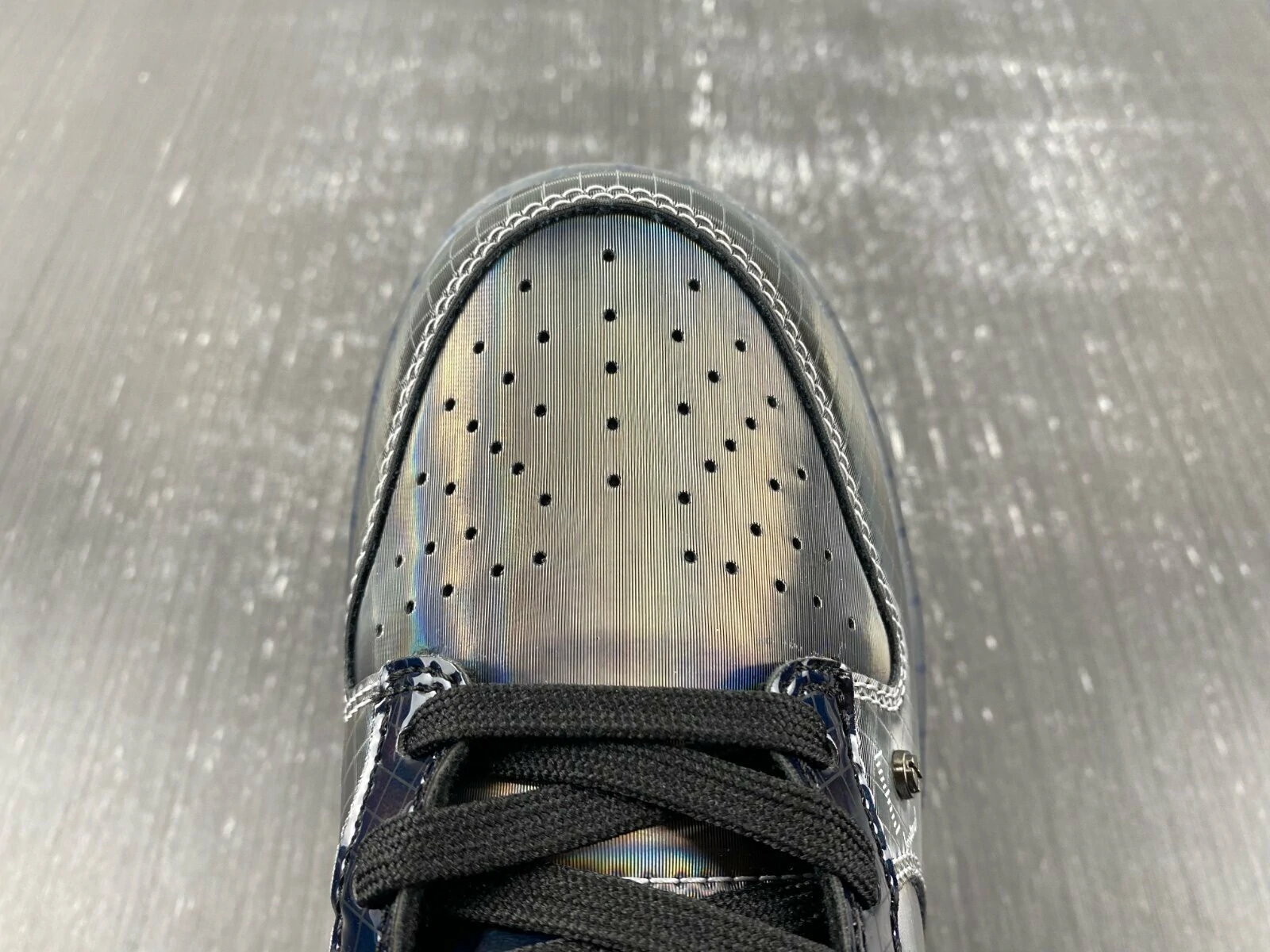
Set the shoe on a hard, flat surface. Use a ruler or caliper to measure stack height at the heel and at the forefoot, ideally at the same point on both shoes. Subtract the forefoot figure from the heel figure. Repeat on the other shoe and average the results if they differ.
Measure with the insole in place if you want the number a customer feels. Measure without it if you are comparing bare midsole construction. State which method you used in your product notes. Manufacturing tolerances exist, so a small difference between pairs is normal.
Do not treat a catalog number as a promise. Nike and third-party listings do not always publish heel drop for every Dunk Low release. When the figure is missing, say so and give a qualitative note such as low, flat, or court-style. That is more honest than inventing precision.
Common Buying Mistakes to Avoid
A common error is treating the Nike Dunk Low heel drop as a cushioning grade. Drop describes geometry, not softness. A low-drop shoe can still feel firm, and a high-drop shoe can feel soft. Explain that difference to customers who ask whether the Dunk is good for all-day standing.
Another mistake is assuming every Dunk Low fits the same. SB versions, leather builds, and collaborative releases can vary in padding and toe shape. Keep fit notes by SKU when possible. If you cannot, use a general note and tell customers to confirm with the official size chart.
Finally, avoid using heel drop to judge authenticity. Fake pairs can copy a sole shape and still fail on stitching, leather texture, label details, and box markings. For authentication, use a trained legit-checker or a documented multi-point process. Do not rely on one measurement.
FAQ
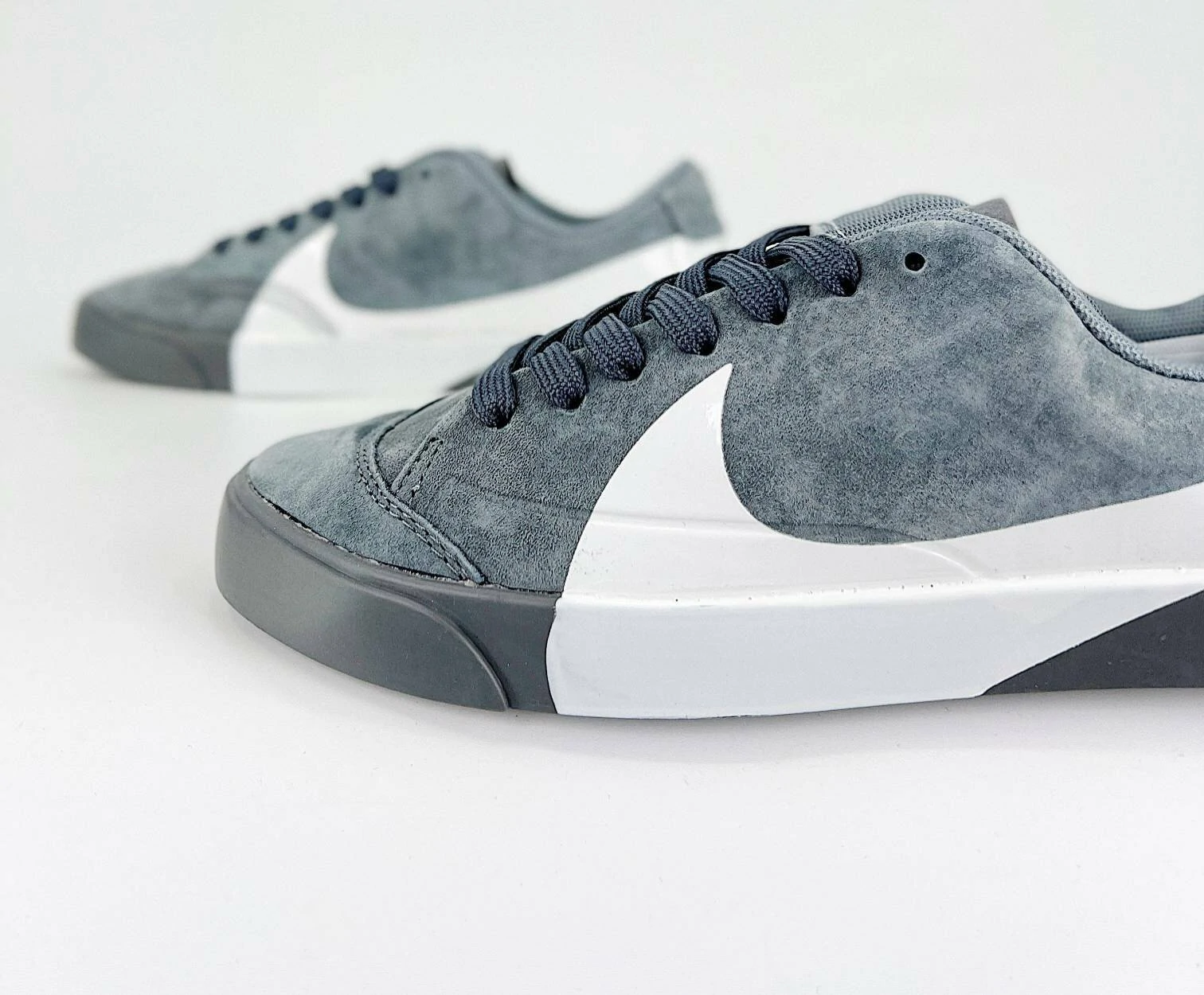
Is the Nike Dunk Low heel drop good for wide feet?
Heel drop is not the main issue for wide feet. Toe box width, upper material, and insole bulk matter more. A low-drop Dunk Low can still feel tight across the forefoot if the leather is stiff. Wide-footed customers should check the official size chart, try the exact release, and consider a half size up only after testing toe room.
Does heel drop change Dunk Low sizing?
No. Heel drop describes the angle between heel and forefoot, not the length. A pair can have a low drop and still fit short because of a tight toe box or thick sockliner. Use US sizing as a starting point, then confirm with the official size chart and try-on notes for that specific SKU.
Is the Dunk Low true to size?
Many buyers take their normal US size, but fit comments vary by release. Wide feet, high insteps, and thick socks can push a customer to a half size up. Retailers should publish a clear note and link shoppers to the official size guide. Do not promise a universal fit across leather, canvas, and SB builds.
How can retailers verify heel drop before a bulk order?
Ask for a sample from the exact batch, then measure heel and forefoot stack height with the same method each time. Request written product specs if the supplier has them. Record whether you measured with the insole in place. Small tolerances are normal, so review a few pairs before you approve a larger purchase.
Should I quote a heel drop number in my product listing?
Only if the figure comes from an official spec or your own measurement. If not, use a qualitative note such as low, flat, or court-style. State the measuring method and remind buyers that tolerances vary. That approach builds trust and reduces returns without pretending every Dunk Low pair is identical.
Planning a Dunk Low buy for a US shop? Send your size curve, target colorways, and fit questions to your supplier, and ask for current sample measurements before you commit. You can request a quote or book a sample review to compare options.