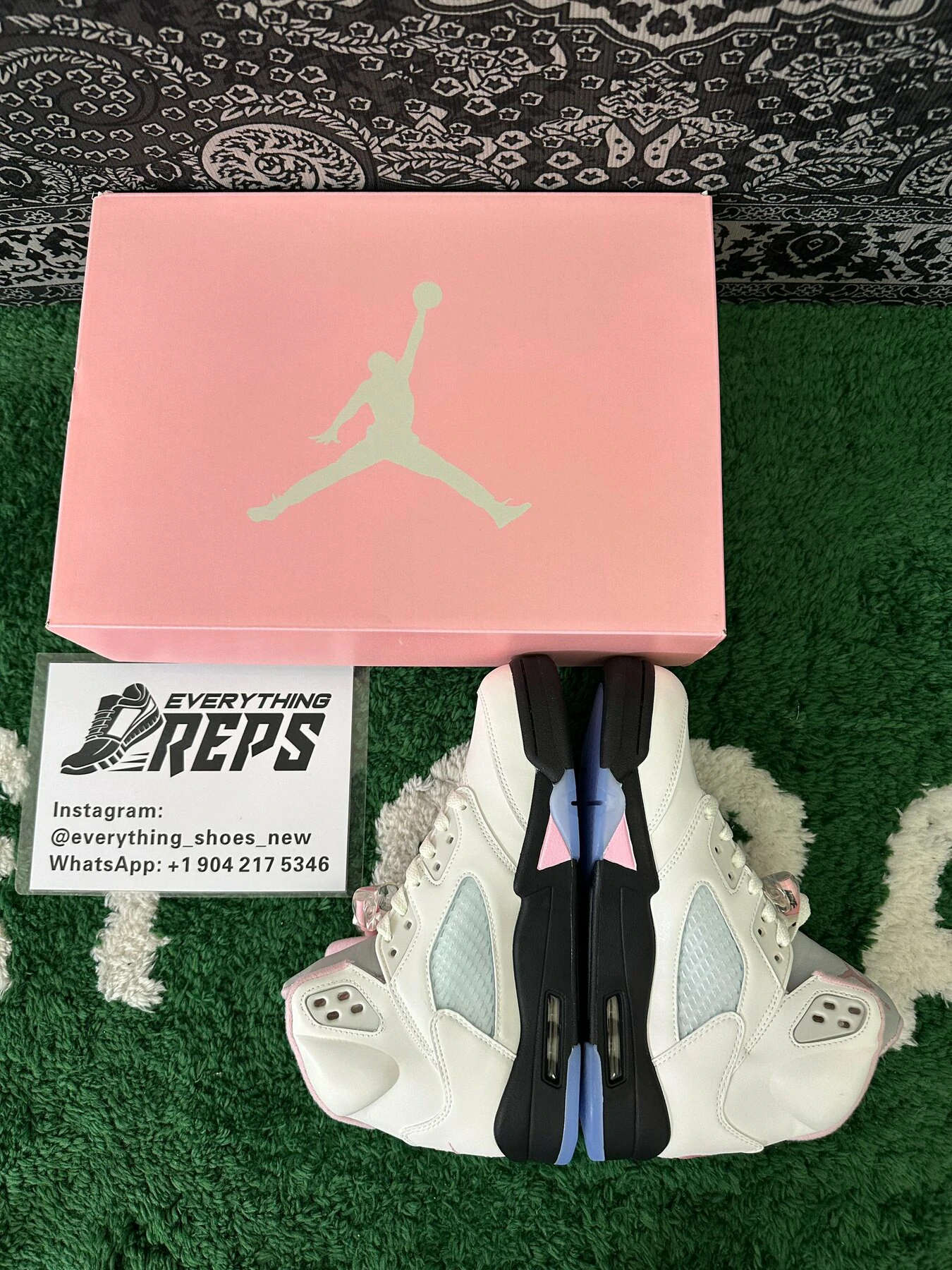
Retail buyers who search this term usually want a short, practical shortlist, not a history lesson. The air Jordan low top 5 models that carry most of the low-top business in US shops are the Air Jordan 1 Low, Air Jordan 1 Low OG, Air Jordan 5 Low, Air Jordan 11 Low, and Air Jordan 13 Low. Each one sells to a slightly different customer, and each carries its own sizing and markdown risk.
What follows covers what each silhouette does for a shop floor, how the size runs behave, what to verify before you wire a deposit, and where low-top programs usually break down. Prices are shown as typical US retail ranges for reference only, so confirm current cost and landed price with your supplier.
Why Low Tops Carry the Volume
Low tops clear two hurdles at once. They read as casual shoes to a walk-in customer who would never wear a mid or a high, and they usually sit at a lower retail than the flagship highs, which keeps them inside impulse range for gift buyers.
Seasonality matters more than most buyers expect. White and patent-heavy pairs spike from March through July, while black, grey, and earth-tone pairs hold through fall and holiday. Stores in cold-weather markets should order the bright whites lighter and keep dark colorways deeper on the shelf.
The Five Models and What Each One Does for Your Shelf
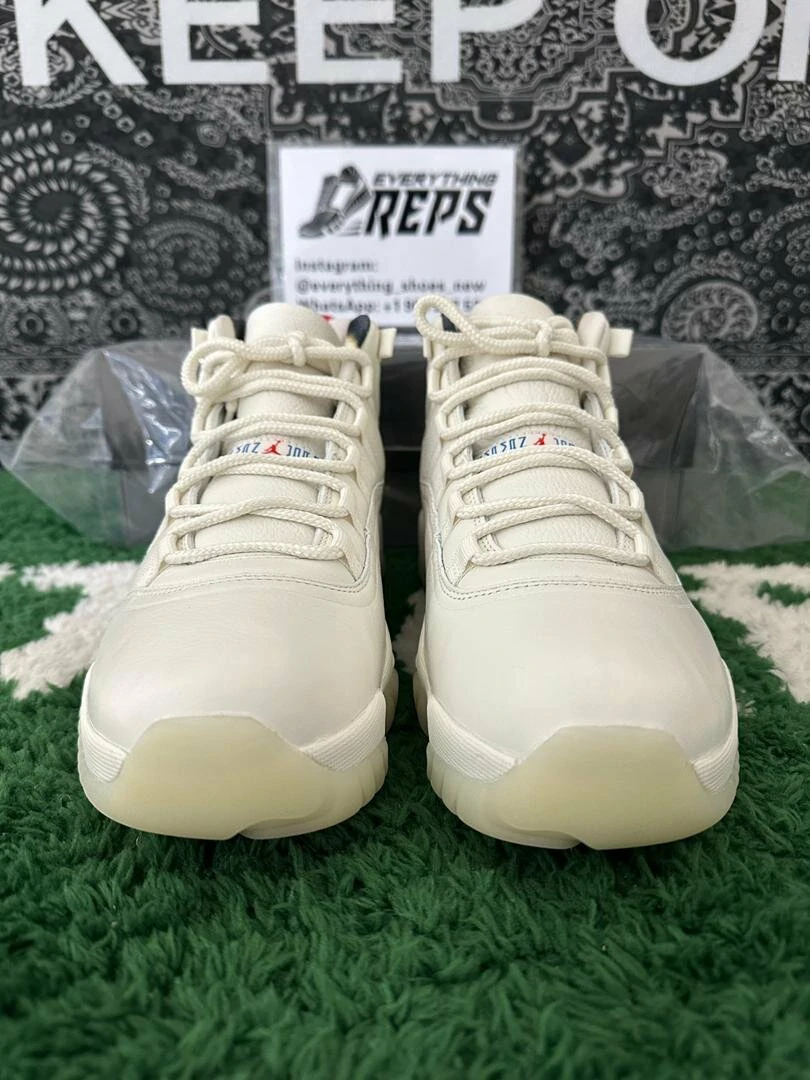
Think in tiers rather than in a single buy. The AJ1 family brings traffic and repeat business, the AJ11 and AJ13 bring higher tickets, and the AJ5 Low fills the spring and summer gap when customers want something with more visual weight than a flat leather low.
| Model | Typical US retail (reference) | Strongest sell window | Fit note | Main buying risk |
|---|---|---|---|---|
| Air Jordan 1 Low | About $115 to $140 | Year-round | True to size, snug toe box | Colorway saturation, easy to overbuy |
| Air Jordan 1 Low OG | About $140 to $165 | Launch weeks | True to size, slightly narrower | Tight allocation, resale bleed on hype pairs |
| Air Jordan 5 Low | About $175 to $205 | March to August | True to size, roomier forefoot | Slower turn outside metro markets |
| Air Jordan 11 Low | About $190 to $230 | April to July | True to size, patent leather creases | High unit cost, deep markdowns if it lands late |
| Air Jordan 13 Low | About $180 to $210 | September to December | True to size, wide-foot friendly | Softer demand than the AJ1 shelf |
Ranges above reflect general-release pairs. Collaborations, regional exclusives, and premium builds sit well outside them and behave like a different product category, so price them separately in your open-to-buy.
Sizing Runs and Size-Run Planning
Across the air jordan low top 5 styles, most customers take their true US size, though both AJ1 builds run narrower through the toe box than the AJ5 and AJ13. Wide-foot customers often ask for a half size up in the AJ1 Low, and a fair number return the shoe if you talk them out of it.
Build the run from your own sell-through, not from a generic curve copied off a forum. A common starting point for men's is a curve weighted toward US 9 to 11, but last season's actual sales should override any rule of thumb you inherit.
Women's and grade-school sizes deserve their own line items. The AJ1 Low and AJ11 Low convert well in women's sizing, and grade-school pairs in white and black AJ1 Lows keep parents coming back without eating much shelf space.
Pre-Order and Intake Checklist
Run every purchase order through the same sequence before money moves. Skipping steps here is how shops end up with a pallet of size 14s and no size 9s.
- Confirm the size run in writing, broken out by US size, not by "assorted".
- Ask for the colorway codes and a photo of the box labels for the exact batch.
- Request a sample pair from the batch, then compare stitching, midsole tooling, and tongue labeling against a known retail pair.
- Get the unit cost, MOQ tiers, and any mixed-style discount in writing, since verbal quotes drift.
- Clarify who pays freight, duties, and clearance, and ask for the shipping terms in plain words.
- Set a delivery window and a late-ship remedy before the deposit, not after.
- Budget markdown room on the AJ11 Low and AJ1 Low OG, which are the two lines most exposed to price drops.
- Log the batch in your inventory system with the supplier name so returns and reorders stay traceable.
Two habits separate good buyers from busy ones. The first is buying narrow and reordering fast rather than buying deep on a guess. The second is keeping one reference pair per silhouette in the back room for future authentication checks.
Payment terms are worth negotiating as hard as price. A supplier who will not accept a small trial order or a staged deposit is telling you something about how they handle problems later.
Red Flags When You Compare Suppliers
A quote far below market on current-season pairs is the oldest warning sign in this trade. Ask what the source is, whether the pairs are first quality, and whether you can inspect before the balance is due. Vague answers on any of those three questions should end the conversation.
Also push back on pressure tactics. Legitimate programs will give you time to verify a sample and will not require a full deposit through an untraceable method. Any of the air jordan low top 5 can sit if you buy too deep into one colorway, so split your open-to-buy across at least three colorways per silhouette and keep runway for a reorder.
Import costs need a second opinion. Duty rates, clearance fees, and labeling rules depend on country of origin and classification, and they change. Ask a licensed customs broker for your specific shipment instead of relying on a supplier's estimate or a forum post.
Frequently Asked Questions
Are Air Jordan low tops true to size?
For most people, yes. The AJ1 Low and AJ1 Low OG fit close through the toe box, so wide-foot customers often go a half size up. The AJ5 Low and AJ13 Low feel roomier. Always check the official size chart for the specific model and let customers try before you advise a size change.
Which of the air jordan low top 5 sells fastest?
The Air Jordan 1 Low turns fastest in most US shops because of price, colorway variety, and everyday wearability. The AJ11 Low sells quickly but in a shorter window, so timing matters more than depth. The AJ5 Low and AJ13 Low are steady rather than fast.
What minimum order should I expect on low-top Jordans?
Minimums vary widely by supplier, by whether you take full size runs or broken runs, and by whether you mix styles in one order. Many programs start in the low dozens of pairs per style, with better pricing at higher tiers. Treat any number you hear as a starting point and confirm it in writing.
How do I verify authenticity on a bulk order?
Start with the box label, then check stitching density, midsole shape, tongue and heel branding, and the insole print. Compare against a retail pair you bought yourself, not a photo online. For large orders, pay a professional authentication service to review a sample before you release the balance.
Do low tops hold value for resale?
General-release low tops behave like normal footwear, so plan around sell-through rather than resale premiums. Only limited and collaborative pairs carry resale upside, and those come with allocation risk. Keep your margin model grounded in regular retail turns.
If you are building a low-top program for the coming season, send us your size run, target landed cost, and delivery window. We will come back with a colorway breakdown, MOQ tiers, and a shipping timeline you can plan a shelf around.