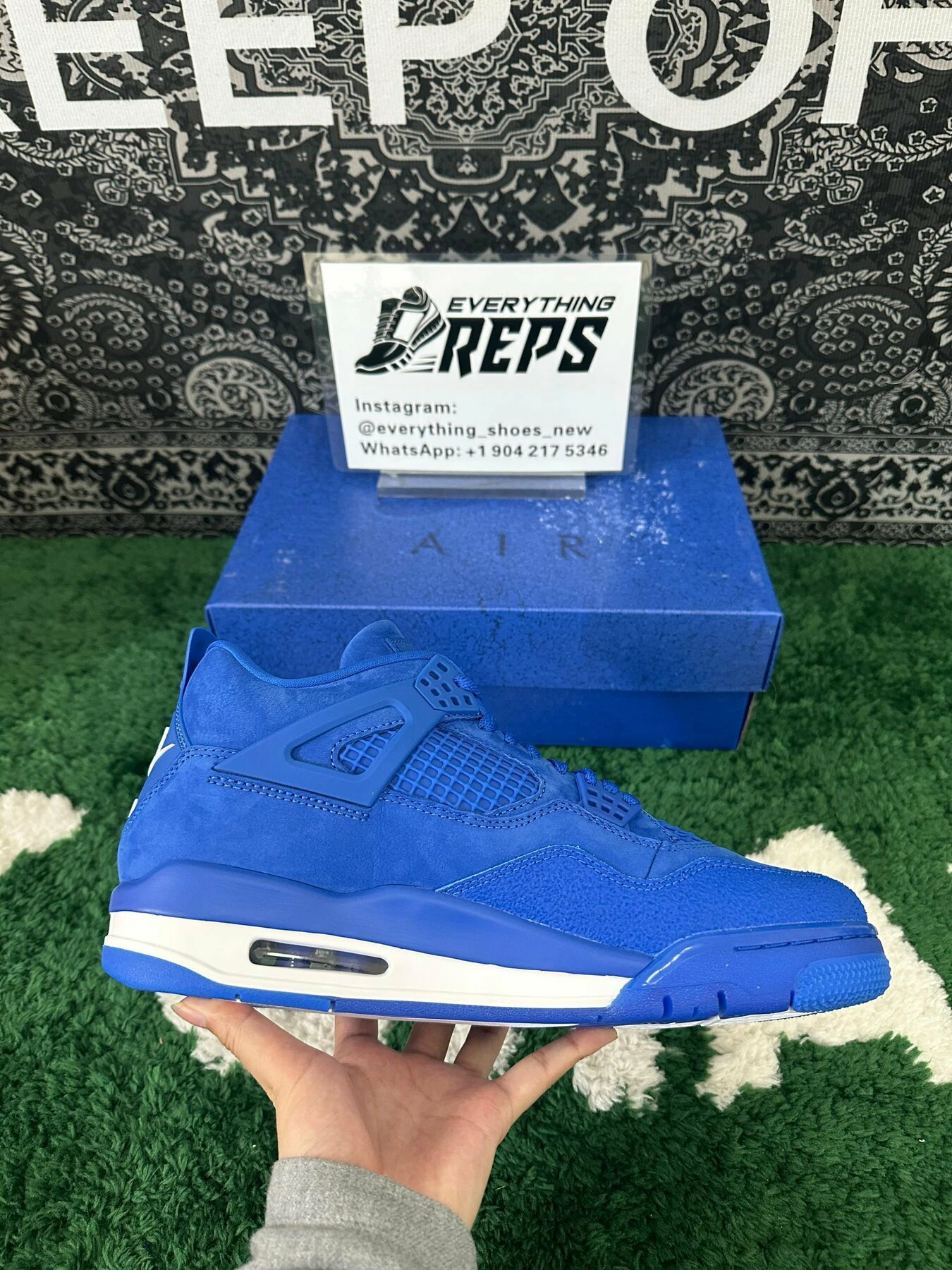
A pair of Jordan 1 low chicago red is a retro low-top with a white leather base, black overlays, and red accents that read as a Chicago-style color block. For a shop, the appeal is simple: recognizable color story, year-round low profile, and a size run that fits both men and women. This guide covers what the shoe is, how it fits, what to inspect Before you buy, and how to place it in a US store without overcommitting inventory.
What the Colorway Actually Is
For retail purposes, the jordan 1 low chicago red is not a new silhouette. It is a low-cut Jordan 1 with a color layout that borrows from the classic Chicago scheme: white quarters, black overlays, and red on the toe, heel, and outsole. That mix is why buyers recognize it from across a sales floor.
Do not confuse the low with the high. The low wears lighter, shows more sock, and tends to suit casual customers who want the color story without a tall collar. Materials vary by release, so judge each batch on the leather hand, toe box shape, and stitch density, not on the name alone.
There is also a practical limit to the name. Chicago describes a color direction, not a guarantee of identical specs across every pair you will see in the market. Ask for clear photos of the actual unit, especially the toe, heel, and tongue tag.
Fit, Sizing, and Returns Risk for Shops
For most shoppers, the jordan 1 low chicago red runs true to size in US men’s sizing. Women often take 1.5 sizes down from their women’s size, which is the common conversion for this silhouette. A narrow foot may find the standard width roomy; a wide foot may feel pressure at the pinky toe until the leather breaks in.
Returns usually come from fit, not from the colorway. Keep a small try-on pair if you can, and train staff to ask about sock thickness and arch support before they recommend a size. If a customer is between sizes, offer the larger size first and explain the break-in.
| Buyer profile | US size approach | Fit note | Return risk |
|---|---|---|---|
| Narrow foot | True to size | May need thicker sock | Low |
| Regular foot | True to size | Snug at first, then relaxes | Low to medium |
| Wide foot | Half size up if available | Check pinky toe and instep | Medium |
| Women buying men’s pairs | 1.5 sizes down from women’s | Confirm with official size chart | Medium |
Use the official size chart as your final reference, not a social media comment. Sizing advice changes with sock choice, foot volume, and personal preference. A clear return policy protects both the customer and your margin.
Materials, Build, and What Buyers Inspect
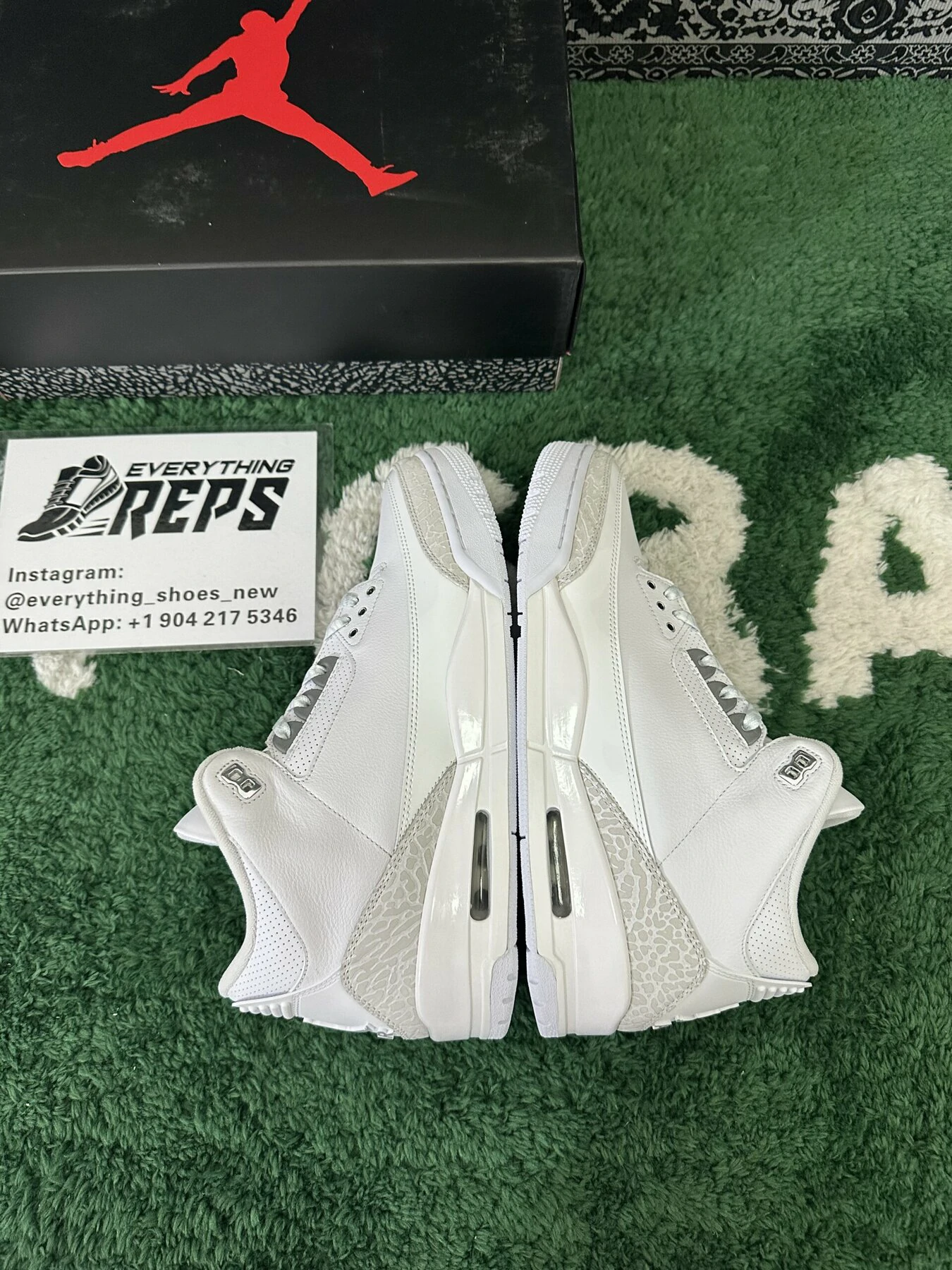
Most pairs use a leather or synthetic-leather upper, a foam midsole, and a rubber outsole. The low profile makes the toe box and heel counter easy to inspect in person. Look for even stitch spacing, clean edge paint, and a tongue that sits straight when laced.
Color placement matters more than most new buyers expect. On this colorway, the black overlays should frame the white quarter panels cleanly, and the red should look consistent across toe, heel, and outsole. If the red shifts from orange to deep crimson between panels, ask for another unit or a better photo set.
Before you approve a batch, run a simple inspection routine. This list works for sample pairs and for a spot check on a full size run.
- Check the toe box shape from the side and from above.
- Confirm the swoosh placement and stitch line on both shoes.
- Compare heel tab height and logo alignment.
- Inspect the midsole stitch for gaps or heavy glue.
- Read the tongue tag and size label against the box label.
- Look for color mismatch under daylight, not just store light.
Authentication is a separate step. Use a trained authenticator or a documented checklist, and keep photos of every pair you accept. No single detail proves a shoe is genuine, so build a pattern of evidence.
Buying Notes for US Retailers and Resellers
When you source jordan 1 low chicago red pairs, start with the size run, not the unit price. A cheap lot with broken sizes can sit longer than a slightly higher lot with 8 to 12 in the core sizes. Ask for the full size breakdown, box condition, and whether the pairs are shelf-ready or need cleaning.
Supplier screening should be boring and repeatable. Request recent photos with a date card, a video of the actual stock, and a sample order before a larger commitment. Treat any claim of official authorization with caution unless the supplier can document it; this article does not imply that any seller is an authorized Nike or Jordan partner.
Shipping, duties, and import fees vary by entry method and product classification. Use a customs broker for current rules, and build landed cost into your margin before you set a retail price. Common wholesale minimums are often described in ranges, but they vary widely by supplier, so confirm every number in writing.
Positioning and Pricing in a Small Shop
The shoe works best as a recognizable color pop near the front of the store or in a low-top retro section. Pair it with neutral socks, black joggers, or denim to show how it wears. Avoid building an entire window around one colorway unless you have the size depth to support walk-in demand.
If you place jordan 1 low chicago red next to other retro lows, price it by landed cost, sell-through, and the local competitive set. Do not copy a big-box price without checking your own return rate and shipping cost. A small test order gives you real data before you commit to a deeper buy.
Track sell-through by size, not just by style. The core sizes usually move first, and the edges tell you whether to reorder or mark down. Keep notes on which customers ask for the colorway, because that tells you how to market the next drop.
Frequently Asked Questions
Is the low-top true to size?
Most buyers take their normal US men’s size, and women usually go 1.5 sizes down from their women’s size. A wide foot may want a half size up if available. Confirm against the official size chart and keep a clear return policy, because fit is personal.
What should a store check before buying a bulk lot?
Ask for the size breakdown, actual photos, box condition, and a sample pair. Check stitching, color placement, tongue tags, and heel alignment. Confirm the return policy and landed cost in writing before you pay. These steps matter more than a low unit price.
Can I treat this colorway as a year-round style?
It is usually easier to sell in spring and back-to-school season, but the white, black, and red palette does not depend on a holiday. In many stores it works as a core retro low. Watch local demand and reorder only after you see sell-through by size.
How should I handle authentication?
Use a trained authenticator or a documented multi-point check. Compare stitching, materials, labels, and packaging, and keep photos of each pair you accept. No single feature proves authenticity. If a deal looks unusually cheap, slow down and verify the source.
What is a safe first order?
There is no universal number. Start with a small test that covers your core sizes, then reorder based on sell-through. Confirm minimums, shipping terms, and return windows with each supplier. Treat any quoted range as a starting point only, not a fixed market rule.
Ready to compare options? Send your target size run, box requirements, and delivery window to a supplier you have vetted, and ask for a written quote with landed cost. A clear brief gets you a faster, more usable answer than a one-line price request.