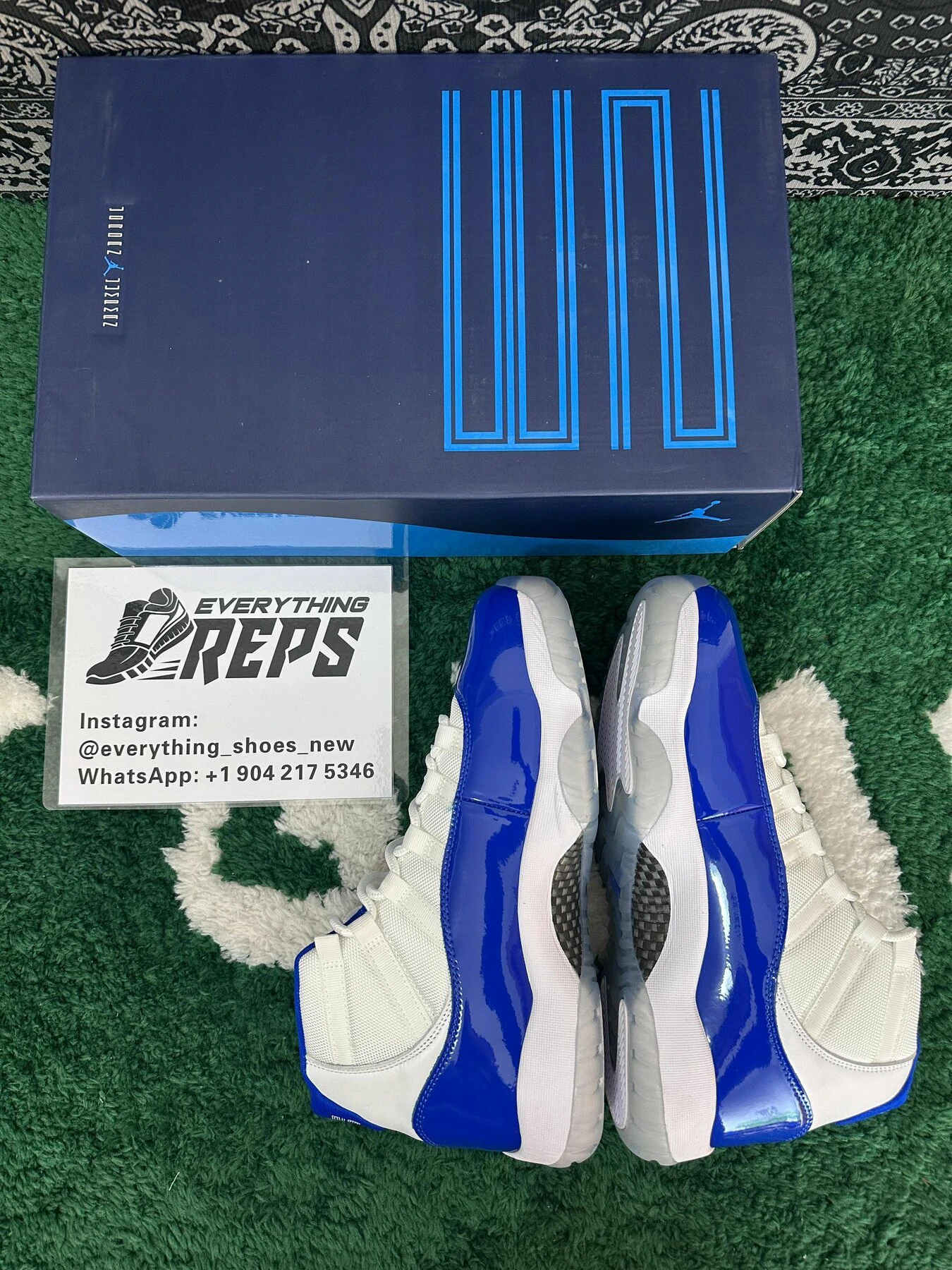
The Jordan 1 Low Halloween Fortune Fly is a seasonal Air Jordan 1 Low colorway built around Halloween styling, not a year-round staple. That one fact shapes every buying decision around it: a short demand window, a sharp peak, and fast markdowns if you miss the window. This guide covers what to verify Before you commit cash, how to build a size run that survives returns, and where margin usually leaks on themed low-tops.
Some of the checks below apply to any seasonal sneaker you bring in for fall. The order, though, is set for this drop specifically.
What the Shoe Is and Who Actually Buys It
Seasonal Air Jordan 1 Low releases tend to follow a familiar pattern: a themed color story, a narrow release window, and a split between men's and grade-school sizing. The Halloween Fortune Fly fits that pattern. Treat it as a holiday capsule pair rather than a core colorway you can reorder in March.
Release timing, regional availability, and even the exact color blocking get blurred quickly once resellers start listing. Pull the official product page and match the style code on the box label before you build a purchase order. If a listing has no verifiable style code, you are not buying this shoe, you are buying a photo.
Two buyer groups matter here. The first is the Halloween shopper who wants a themed pair for a party or an October outfit and buys once. The second is the collector who picks up every seasonal AJ1 Low and pays closer to full margin. The first group is bigger; the second group is more profitable per pair.
Why Fall Demand Is Real but Narrow
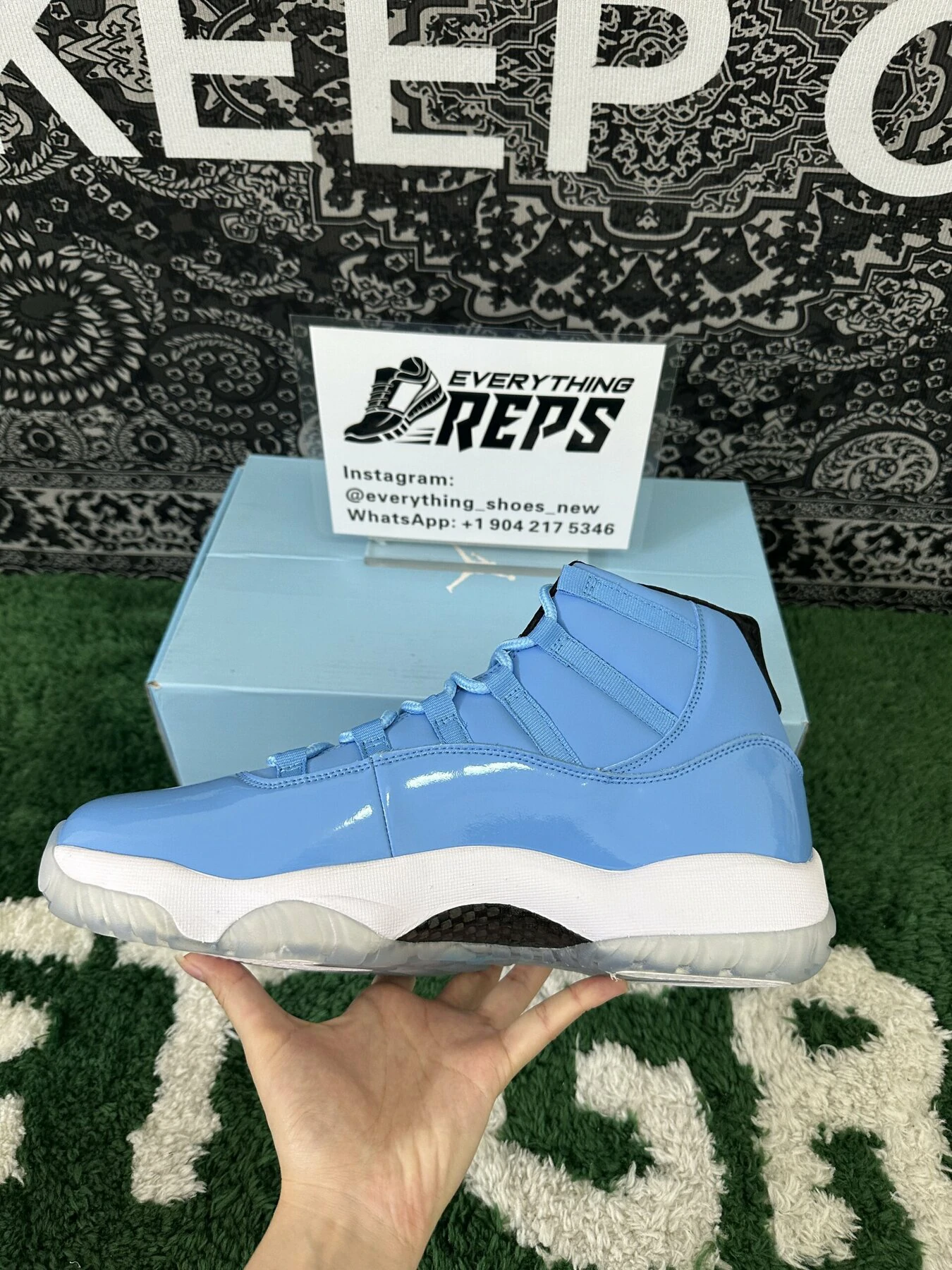
Demand for the Jordan 1 Low Halloween Fortune Fly concentrates between late August and the final week of October. After Halloween, the same pair sits on the shelf while general-release lows keep moving. That is not a prediction about one SKU, it is how holiday-themed footwear behaves across the category.
Plan sell-through against that calendar, not against a full quarter. Taking delivery in July means carrying the inventory for six weeks before the demand curve bends up, and that cash could be sitting in a black-and-white low that sells twelve months a year instead.
Late-season leftovers are the quiet killer. A pair that sells at full price on October 10 becomes a discount conversation on November 5, and the markdown usually eats the entire margin on that unit.
Sizing, Fit, and the Size Run That Protects Margin
For most customers, the Jordan 1 Low Halloween Fortune Fly fits like a standard Nike low-top: close to true to size, with a slightly generous toe box and a firm heel counter. Wide-footed buyers often go up a half size. Narrow feet usually stay put.
Returns on this shoe usually come from two places, sizing confusion between men's and women's conversions, and grade-school pairs sold to adults who expected a full-size box. Sort both before the season starts.
| Size segment | Who buys it | Return risk | Ordering note |
|---|---|---|---|
| Men's 8–10.5 | Core adult buyers, gift purchases | Low | Deepest tier; expect the fastest sell-through |
| Men's 11–13 | Taller customers, repeat buyers | Medium | Keep it lighter; late restocks are hard to find |
| Grade school 3.5Y–7Y | Parents shopping for teens | Medium | Confirm GS box labels and price point messaging |
| Women's sizes via men's conversion | Women buying the low-top silhouette | Low to medium | Post a clear conversion chart on the product page |
Grade-school pairs deserve their own line in your plan. They sell on price and convenience, and parents rarely chase a restock. If your supplier only offers a mixed run, price the GS pairs to move first.
Always confirm fit against the official Nike size chart for the specific style, since seasonal builds sometimes change lining and padding.
Checks That Separate Real Pairs From Reps
Authenticity problems on themed colorways show up fast because demand spikes and photos circulate before stock does. Ask any seller for tagged photos, meaning the shoe photographed next to a handwritten date and their business name. Sellers with real inventory say yes in minutes.
Compare what arrives against official images rather than against other listings. Reps cluster around each other, so a second bad listing is not a reference point.
- Match the style code and colorway text on the box label to the official product page, character by character.
- Check the label font, spacing, and the sizing grid alignment; sloppy print is the most common tell.
- Inspect stitching density on the swoosh and heel tab, and look for loose threads or glue haze at the midsole.
- Verify the insole print and the size stamp inside the collar, both should sit straight and consistent.
- Weigh the pair against a known-authentic low-top; reps often run light on the midsole.
- Send one pair from any new supplier to a paid authentication service before you scale the order.
If a supplier refuses tagged photos or pushes you toward a deposit before inspection, walk. No single colorway is worth that risk to your store's reputation.
Pricing, Quantity, and Where Margin Leaks
Wholesale cost on seasonal AJ1 Low pairs varies widely by quantity, timing, and whether the pair is deadstock with the original box. Typical quotes fall in a broad range that depends on the channel, so treat any number as a starting point for reference only and confirm with your supplier in writing.
Volume discounts are real, but inventory risk is bigger than the discount. Buying 30% deeper to save a few dollars per pair only works if the extra units clear before November. For a small shop, a tighter run that sells out beats a deep run that ends in a clearance bin.
Watch three leaks: freight on boxed pairs, payment fees on international transfers, and the markdown you take on odd sizes. Ask for a landed-cost quote, not an FOB price, so the comparison between suppliers is honest. Duties and clearance rules shift, so confirm the current treatment with a customs broker rather than relying on a supplier's summary.
Finally, keep a small buffer of the core adult sizes. Those are the pairs you can restock cheaply from a different channel if demand runs hotter than expected.
Questions Buyers Ask Most
Is the Jordan 1 Low Halloween Fortune Fly true to size?
Most buyers take their normal Nike size. The low-top build has a slightly roomy toe box, so wide-footed customers sometimes go up a half size, while narrow feet stay put. Publish a conversion chart for women's sizing and grade-school pairs to cut returns.
Does it come in kids sizes?
Seasonal AJ1 Low releases usually include grade-school sizing, and some include preschool and toddler runs. Availability differs by market, so confirm the exact size range with your supplier and check the box label prefix before you list those pairs online.
How many pairs should a small shop order?
Start from last year's October sell-through on comparable themed lows, then cap the buy at what you cleared by the first week of November. Keep the depth in men's 8–10.5 and stay light everywhere else. If you have no history, order small and reorder early.
How do I confirm the style code?
Match the code on the box label and the inner size tag against the official product page. Both should agree exactly. If a seller sends one code on the listing and another on the box, stop and ask for new tagged photos before any payment.
What is a fair wholesale price for seasonal lows?
There is no fixed number. Quotes move with quantity, timing, box condition, and channel. Compare landed cost across at least three suppliers, confirm what the price includes, and treat any figure you see online as a reference point only.
Next Step for Your Fall Buy
If you are planning a Halloween capsule for your store or your online shop, request a current availability sheet with size breakdowns, box condition, and landed cost per pair. Send your target size run and delivery window, and ask for tagged photos of the actual stock before you commit.