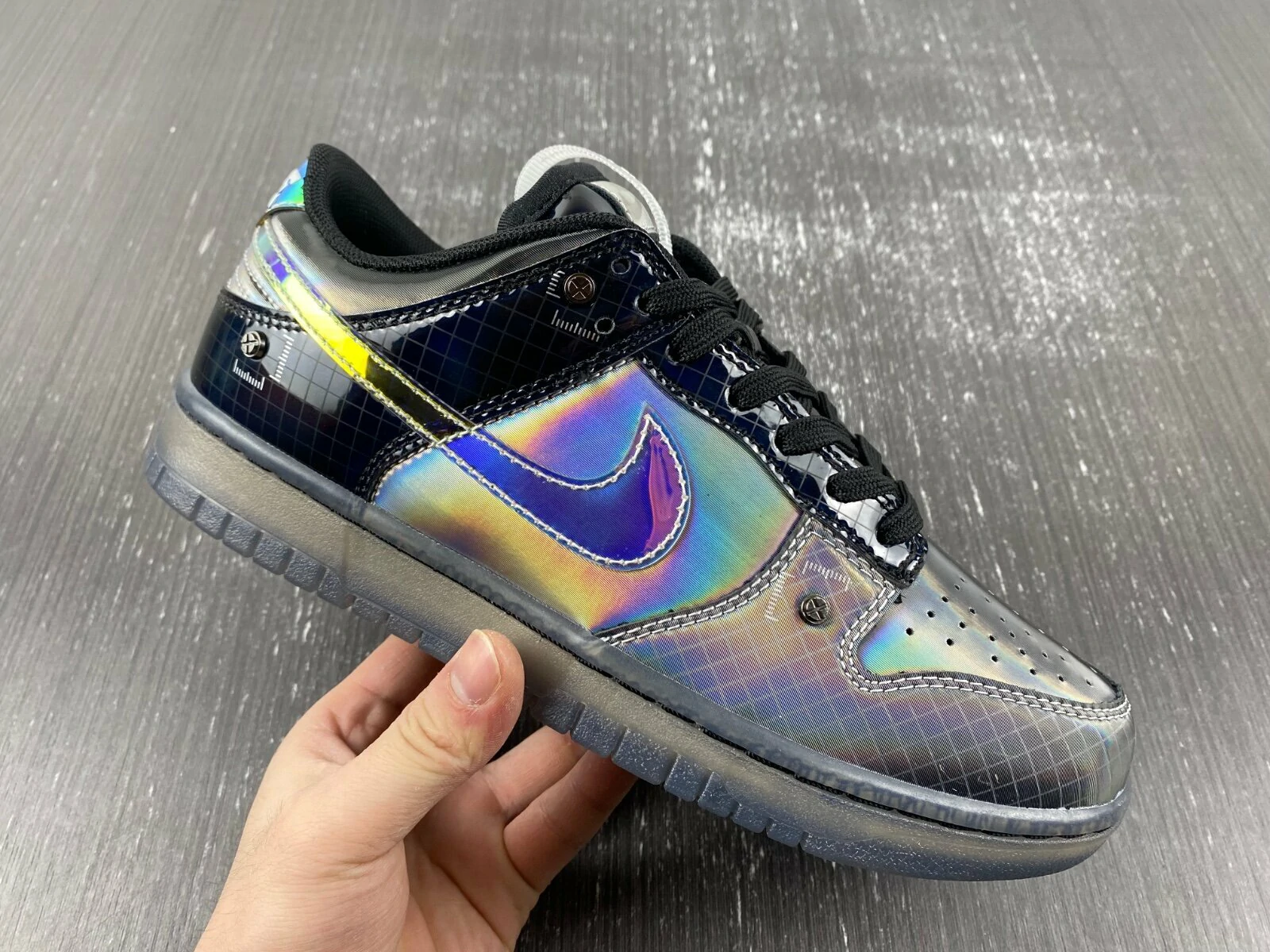
The Nike SB Dunk is Nike's skate-specific build of the Dunk Low, and it has become one of the most requested shoes in US independent shops. It sells to skaters, to sneaker collectors, and to walk-in customers who just want a chunky low-top that does not look like everything else on the wall. Stocking it well is less about hype and more about fit, colorway selection, and knowing what you are actually paying for. This guide covers the product itself, how the sizing runs, which releases carry their own demand, and the Checks to run before you wire money to a Supplier.
What You Are Actually Selling
Originally launched in the early 2000s as a skate-ready version of the Dunk, it came with a thicker tongue, a padded collar, and a Zoom Air unit in the sockliner. Nike has revised the shape more than once since then, so Pairs from different production years can sit differently on the foot. That is worth saying out loud to a customer comparing two pairs on your shelf.
Compared with a standard Dunk Low, the skate version carries more material and a roomier interior. A customer who wears a 10 in a regular Dunk may find the SB build slightly loose in the same size, and skaters usually want that extra room. Feet that swim are a fit problem, not a sizing problem, so let people try both if you have both.
For a store, the practical difference is this: you are not selling a colorway, you are selling a shoe that has to fit a specific kind of buyer. Skaters care about board feel, padding, and how the suede holds up. Collectors care about the shape and the story behind the release. Both groups will ask you which version you have, and a vague answer costs you the sale.
| Feature | SB Dunk Low | Standard Dunk Low | What it means for your shelf |
|---|---|---|---|
| Cushioning | Zoom Air unit in the sockliner | Standard foam midsole | Easier to justify a premium price |
| Upper materials | Heavier suede and leather builds | Usually smoother, lighter leather | Fewer durability complaints from skaters |
| Collar and tongue | Padded and bulky | Slimmer profile | Runs roomier, expect fit questions |
| Typical buyer | Skaters, collectors, resellers | General casual traffic | Narrower but deeper walk-in demand |
Fit and Size Splits
Most buyers find the length true to size and the volume generous. Narrow-footed customers often go down half a size, while wide-footed customers usually stay true. Women ordering online should go down about 1.5 sizes from their women's size to reach the men's equivalent, and putting that note on the product page saves you a stack of return labels.
In store, keep a half size up and a half size down of your best-selling releases so people can compare back to back. When you plan a full run, the middle sizes carry most of the walk-in traffic in most US shops, but check your own sales history first. A college town and a suburban strip mall do not sell the same curve.
One pattern is worth planning around: the Nike SB Dunk tends to clear the middle sizes first when a hyped release lands, then the extremes sit. If your supplier cannot give you a clean run, take the middle and skip the ends rather than the reverse. Broken runs at the edges are where markdowns come from.
Choosing Colorways That Carry Their Own Demand
Not every release needs to be on your wall. General-release colorways sell steadily at or near retail and turn over predictably, which is what keeps a small shop healthy. Collaborations and limited drops can command a premium, but they arrive with higher wholesale costs, tighter supply, and real risk of sitting if the story does not land with your specific customers.
Before you commit to a Nike SB Dunk colorway, look at what people actually ask for at your counter. A shop near a skate park and a shop inside a mall will give you different answers, and the resale price on a pair tells you more about scarcity than about local demand. Scarcity is not the same thing as a customer.
Run every potential buy through the same five questions before the order goes out:
- Does this colorway match what your customers already bought from you this year?
- Is the wholesale cost low enough to leave room after freight, duties, and payment fees?
- Can you get a real size run, or only scattered sizes?
- Does the release date give you enough time to market it in store and online?
- Do you have a markdown or outlet plan for pairs that do not move in 90 days?
Answer those honestly and most bad buys disappear before they happen. The shops that get stuck are usually the ones that bought the story instead of the customer.
Checks Before You Pay a Supplier
Counterfeit pairs are common in this category, and the good ones are close enough that photos alone will not settle it. Ask for tagged photos with the date and your shop name, plus close-ups of the tongue label, the size tag inside the collar, the box label, and the stitching around the heel. A supplier who cannot produce those quickly is telling you something.
Real and fake Nike SB Dunk pairs often differ in small ways: the font weight on the box label, the spacing on the tongue tag, the insole print, and how evenly the midsole is bonded to the upper. Compare against a pair you already own or a verified reference photo. Anything questionable should go to a professional authentication service before it reaches the floor.
Payment terms matter as much as the shoe. Use a method with recourse, keep the invoice and the original listing screenshots, and avoid sending a full balance to a new supplier before you have seen goods or a shipping document. Wire-only payment plus a refusal to send tagged photos is a combination worth walking away from.
MOQ, Landed Cost, and Margin Logic
Minimum order quantities vary widely by supplier and by whether you are buying closeouts, mixed pallets, or current-season stock. Ranges in the market run from a few pairs per style up to full size runs per colorway, and freight plus duties add to the landed cost. Confirm every figure in writing with the supplier, and check duty treatment with a customs broker for your specific shipment.
The math is simple enough. Take the unit cost of each Nike SB Dunk pair, add freight and duties per pair, add payment fees, then compare against what you can realistically sell it for in your market. If the gap is thin, the colorway has to be a sure thing. If the gap is wide, you can afford to carry one slower seller inside the run.
Turnover beats margin percentage on a small floor. Two rotations of a modest-margin pair usually beat one rotation of a high-margin pair that sits for a full season, because the second version ties up cash you could have put into something that moves.
Frequently Asked Questions
Do SB Dunks run true to size?
For most people, yes. The length is standard, but the padded collar and tongue add volume, so narrow feet often go down half a size and wide feet usually stay true. If you sell online, publish that note and offer exchanges. It cuts returns and saves you from answering the same email one customer at a time.
Is the SB version the same as a regular Dunk Low?
That is the most common question at the counter. The outline looks similar, but the skate version has a Zoom Air sockliner, a thicker tongue, more padding, and heavier materials. Same silhouette, different build and a different buyer. Do not let a customer talk you into pricing the two the same.
How many pairs should a small shop order at first?
Start with one size run of a colorway you can sell at or near retail, and skip the extreme sizes if the supplier allows it. Reorder what moves within two weeks. Three colorways at half depth is usually safer than one colorway at full depth, because you learn which story your customers respond to.
How do I check a supplier before paying?
Ask for tagged photos, a business license, and references from other US buyers. Start with a small trial order, pay through a method with recourse, and keep every document. If the price sits far below market or the supplier will not do a video call, treat that as your answer and keep looking.
Are these shoes worth stocking if my shop is not a skate store?
Often yes, but buy shallow. The silhouette sells to casual customers too, and a single well-chosen colorway gives you something to talk about at the register. Keep the depth low, watch the first two weeks of sell-through, and let the data decide whether you go deeper next season.
If you are planning a buy for the next season, send over your size run and the colorways you have in mind. We will come back with availability, per-pair pricing at your volume, and a realistic shipping timeline so you can put it side by side with your current supplier before you commit.