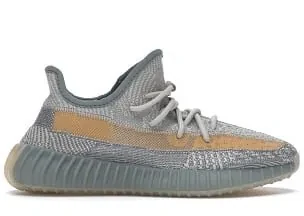
The adidas samba primeknit soccer boot is a knit-upper branch of a silhouette most US shops already stock, and that familiarity is exactly where buying mistakes happen. The name gets attached to firm-ground cleats, indoor court shoes, and lifestyle knit Sambas, and those are three different products with three different customers. What follows covers what the Primeknit build changes, how it fits, and what to confirm with a Supplier before you send a deposit.
What the Primeknit label actually covers
Primeknit first landed on the Samba as a limited firm-ground football boot, replacing the stitched leather upper with a one-piece knitted one. That early release was small and is now a collector item. Knit Samba builds have appeared in indoor, turf, and lifestyle versions since, so a listing that says Primeknit can point to any of them.
The upper is the real difference. Knit wraps the foot, drops weight, and gives a softer touch on the ball than leather. It also takes on water faster, scuffs in a different pattern, and needs different care advice at the counter. A leather Samba holds its shape for years; a knit pair molds to one foot and stays there.
Read adidas samba primeknit soccer listings with the outsole in mind. Ask the seller whether the pair is firm-ground, indoor court, or a street sneaker, then request the article number and a photo of the outsole and heel. A knit upper bolted to the wrong outsole is the most common mismatch in wholesale offers.
| Version | Upper | Best use | Fit note | Stocking note |
|---|---|---|---|---|
| Primeknit firm-ground boot | One-piece knit | Dry natural grass | Snug; half size up for wide feet | Collectible, low depth |
| Primeknit indoor or turf | Knit with court outsole | Futsal, turf training | Similar last, verify outsole | Steady local demand |
| Samba OG leather | Full-grain leather | Street, casual indoor | True to size, breaks in | Volume seller |
| Knit-look lifestyle Samba | Mesh or knit, no studs | Street only | Runs narrow | High return risk if mislabeled |
Who buys it, and who should be steered away
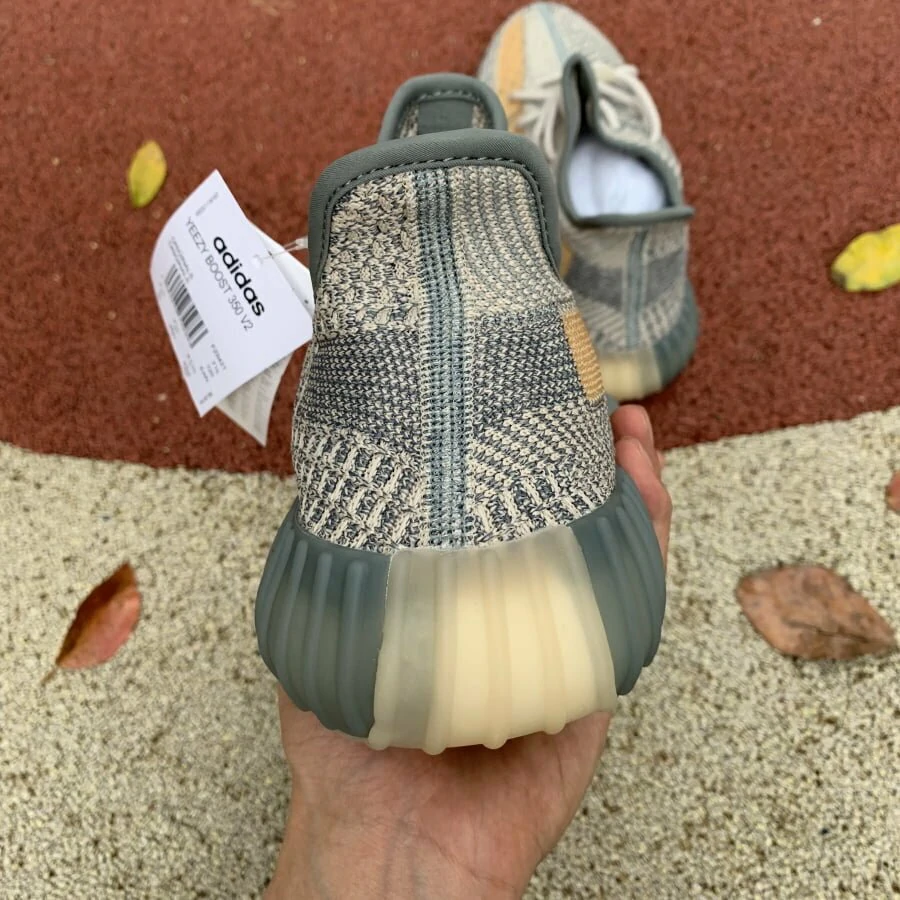
Two groups drive sales. Players on dry natural grass or indoor courts want the soft touch and light feel. Lifestyle buyers want the Samba shape with a sock-like upper and usually buy on look alone. Collectors chasing early pairs are a third, smaller group, and they will ask for the exact year and colorway.
Steer the hard trainers elsewhere. Knit abrades on coarse artificial turf, and a player logging four sessions a week will wear through the upper faster than through a leather or synthetic take-down. Being honest about that at the counter protects your return rate and your reputation.
Sizing, fit, and return risk
The Samba last runs narrow to begin with, and knit hugs tighter than leather. Customers with wide feet often need a half size up, while average-width buyers usually stay at their normal US size. Knit also relaxes slightly after a few wears, which makes the first ten minutes misleading.
When a customer asks whether the adidas samba primeknit soccer shoe runs true to size, the honest answer depends on foot width and sock thickness. Hand them the official adidas size chart instead of guessing, and explain the exchange policy before they pay. Keep a printed conversion chart at the register and photograph the size tag on any return.
Supplier checks before you commit
Most bad orders in this category come from mislabeled uppers and wrong outsoles, not from outright counterfeits. Request in-hand photos of the knit collar, the heel counter, the outsole, and the box label in one set, taken by the seller rather than pulled from a brand site. If the photos and the article number disagree, walk away.
Minimums for niche soccer footwear commonly land somewhere between 12 and 24 pairs per colorway, though that range moves with the supplier and the season. Treat any number as a starting point and get it in writing, along with the size breakdown you actually need. Before you commit to a run of adidas samba primeknit soccer boots, confirm production status, size availability, and the credit policy on damaged pairs.
- Article number and model year confirmed in writing
- Outsole type stated: firm ground, turf, indoor, or lifestyle
- In-hand photos of upper, heel, outsole, and box label
- Size run broken out by US size, not listed as mixed
- Minimum order quantity and price tiers in writing
- Deposit percentage and balance timing spelled out
- Return or credit terms for damaged and mismatched pairs
- Lead time and shipping method with a tracking commitment
Margin, stock depth, and what to hold
Wholesale-to-retail markup on niche soccer footwear often lands between 1.6x and 2.2x, depending on the channel and the volume you commit to. That is a planning range only, not a quote; confirm actual landed cost with your supplier after freight and duties. Small shops do better with two colorways at moderate depth than five colorways at two pairs each.
Build the size curve around US 8 to 11, where most adult demand sits, then add a pair at each end for special orders. Hold the adidas samba primeknit soccer model as a seasonal item rather than a year-round staple, and rotate it out when the next knit release lands.
Importing and paperwork
Footwear duty rates depend on the upper material and construction, so a knit-textile upper and a leather upper can land in different tariff lines. Do not assume your usual Samba classification carries over. Send the spec sheet to a licensed customs broker and get the HTS code and landed cost in writing before you price the shoe.
Ask the supplier for a commercial invoice, packing list, and country-of-origin marking that matches the box. Inconsistent paperwork slows clearance and, in the worst case, gets a shipment held. Rules change, so treat any general guidance here as a starting point and verify current requirements with your broker.
Common buyer questions
Is the knit Samba still in production?
Availability comes in waves rather than as a permanent catalog line. Ask your supplier for current production status and lead times, and expect the secondary market to be the main source for early firm-ground pairs. Confirm the model year before you promise a customer anything specific.
Does the knit upper stretch out?
Mildly, yes. Primeknit relaxes where the foot presses, usually within the first few wears, and it does not recover fully. Customers between sizes should size up if they plan to wear thick socks. Tell them at the counter so the fit complaint does not come back as a return.
Can players wear it on artificial turf?
Only if the outsole is built for it. A firm-ground stud plate on artificial turf is a stud-pressure and injury risk, and knit uppers abrade quickly on coarse surfaces. Check the outsole marking, match it to the playing surface, and pass that guidance to the customer.
How many pairs should a small shop start with?
Two colorways, one size run each, with depth concentrated in US 8 to 11. That covers walk-in demand without locking cash in a niche silhouette. Reorder once you see sell-through on the first run, and confirm minimums with the supplier before planning the second order.
What is the quickest authenticity check?
Start with the article number on the box label and inside the shoe, then compare knit texture, heel counter shape, and outsole tooling against official photos. Ask a professional authenticator for anything high-value. No single detail proves a pair is genuine, so check several together.
Building a soccer assortment for the coming season? Send your target size run, colorway preferences, and landed cost to our sourcing desk. We will reply with available stock, realistic minimums, and a lead time you can plan shelf space around.