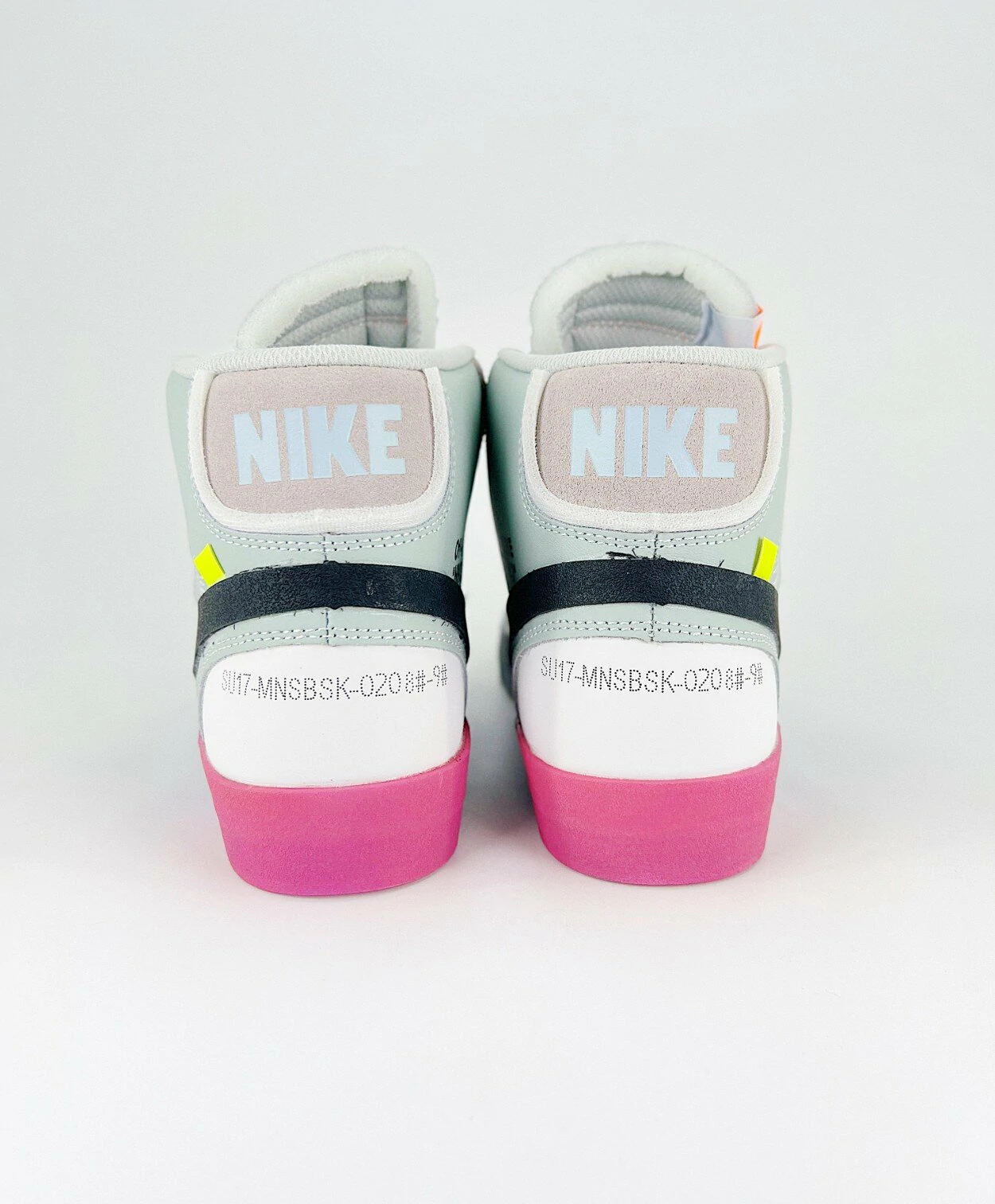
These are not a shoe you build a size run around. The Nike Mosquito SB Dunks date to the early-2000s stretch of SB Dunk Lows, which means nearly every pair circulating today is used, and the clean ones carry a premium. What follows covers what the colorway is, who actually buys it, how the fit compares to a current SB Dunk, and how to grade and price a pair before you send money.
If you already know the shoe, jump to the grading section. If you are pricing one for the first time, read the whole thing. Condition risk on a two-decade-old Dunk is where small accounts lose money.
What the Shoe Actually Is
The Mosquito sits inside Nike's skate line, not the general-release Dunk catalog. It came from a period when SB Dunk runs were short and distribution ran through skate accounts rather than mall doors. That combination, not a marketing push, is why the name still gets typed into search bars.
Original pairs are now old enough that age drives condition more than wear does. Yellowed midsoles, dried adhesive at the toe, hardened suede, and flattened collar foam show up on pairs that were barely worn. Assume every listing is rougher in hand than it looks on a phone screen.
Who Buys It and Who Walks Past It
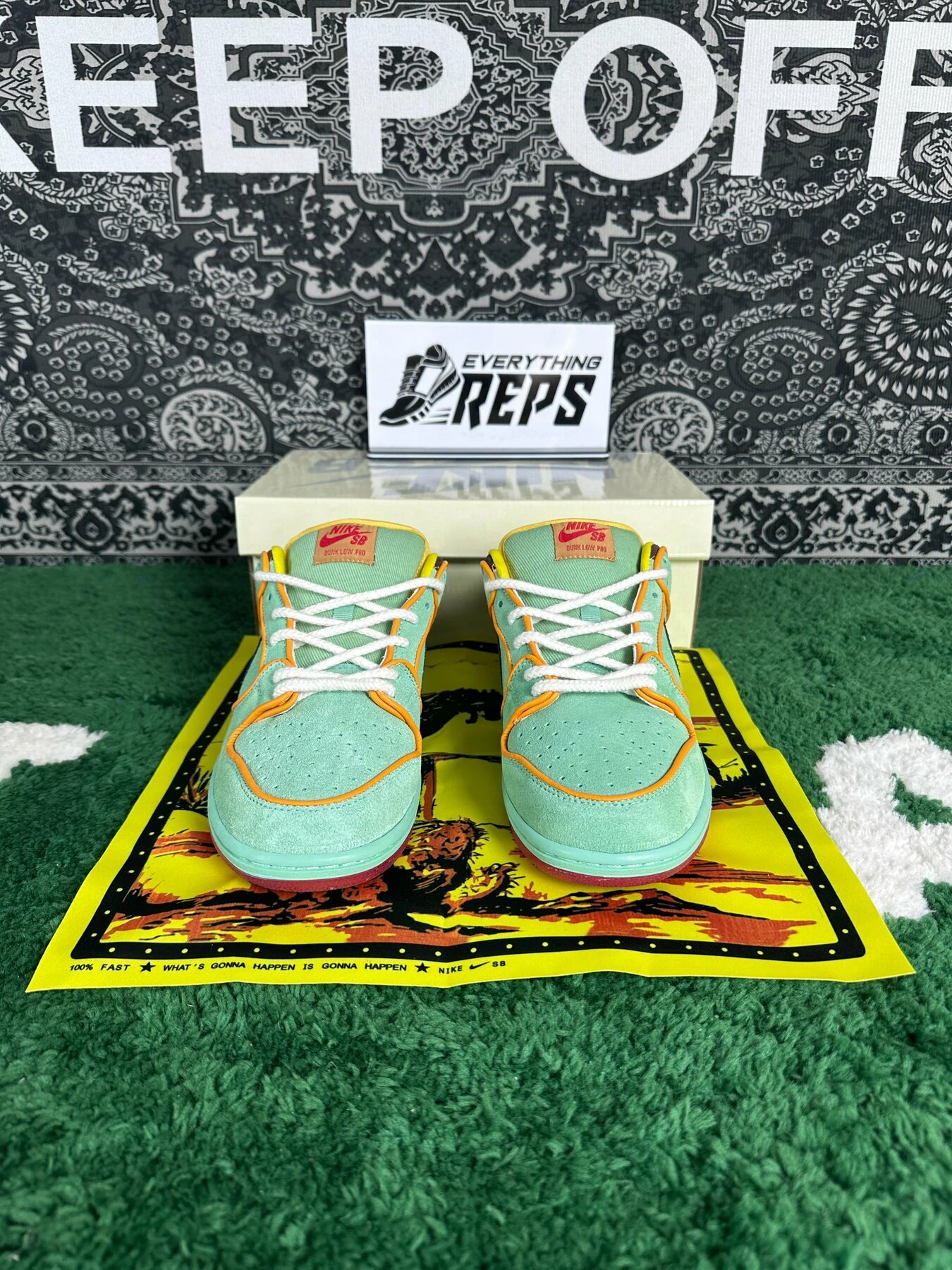
Two buyers matter here. The first is the SB completionist filling a gap in an early-2000s lineup, and that customer pays for the right size and the right condition. The second is the casual Dunk buyer who likes the color story but balks at the price of a used pair.
Mid-range men's sizes, roughly US 9 to 11, generally move faster than the extremes on older SB product. Check your own sell-through before committing, because a shop with a strong size 8 or size 13 clientele can justify a different mix.
One pair per size is usually the right depth for a small shop. This is a display-case anchor, not a volume item, and tying up cash in three pairs of the same size rarely pays back.
Fit and Sizing Against a Current SB Dunk
| Feature | Early-2000s SB Dunk Low | Current SB Dunk Low | What it means for a buyer |
|---|---|---|---|
| Collar and tongue foam | Thick, compresses with age | Thick, fresh foam | A used pair wears looser than the tag suggests |
| Midsole and outsole | Older foam, often yellowed | Newer foam, cleaner finish | Inspect for hairline cracks at the flex point |
| Upper materials | Suede and leather panels | Suede, leather, nubuck mixes | Suede hardens and shines with bad storage |
| Sizing convention | US sizing as tagged | US sizing as tagged | Measure the insole instead of guessing |
Padding is the part buyers underestimate. Collar and tongue foam was generous on that era of SB Dunk Low, and it collapses over twenty years, so a worn pair often feels a half size bigger than the label. Ask the seller for an insole measurement in centimeters when a customer sits between sizes.
For the Nike Mosquito SB Dunks in particular, quote that measured insole length rather than a "fits like" opinion. This one habit removes most fit complaints on older product, and it gives you something concrete to put in a listing.
Grading and Authentication Before You Pay
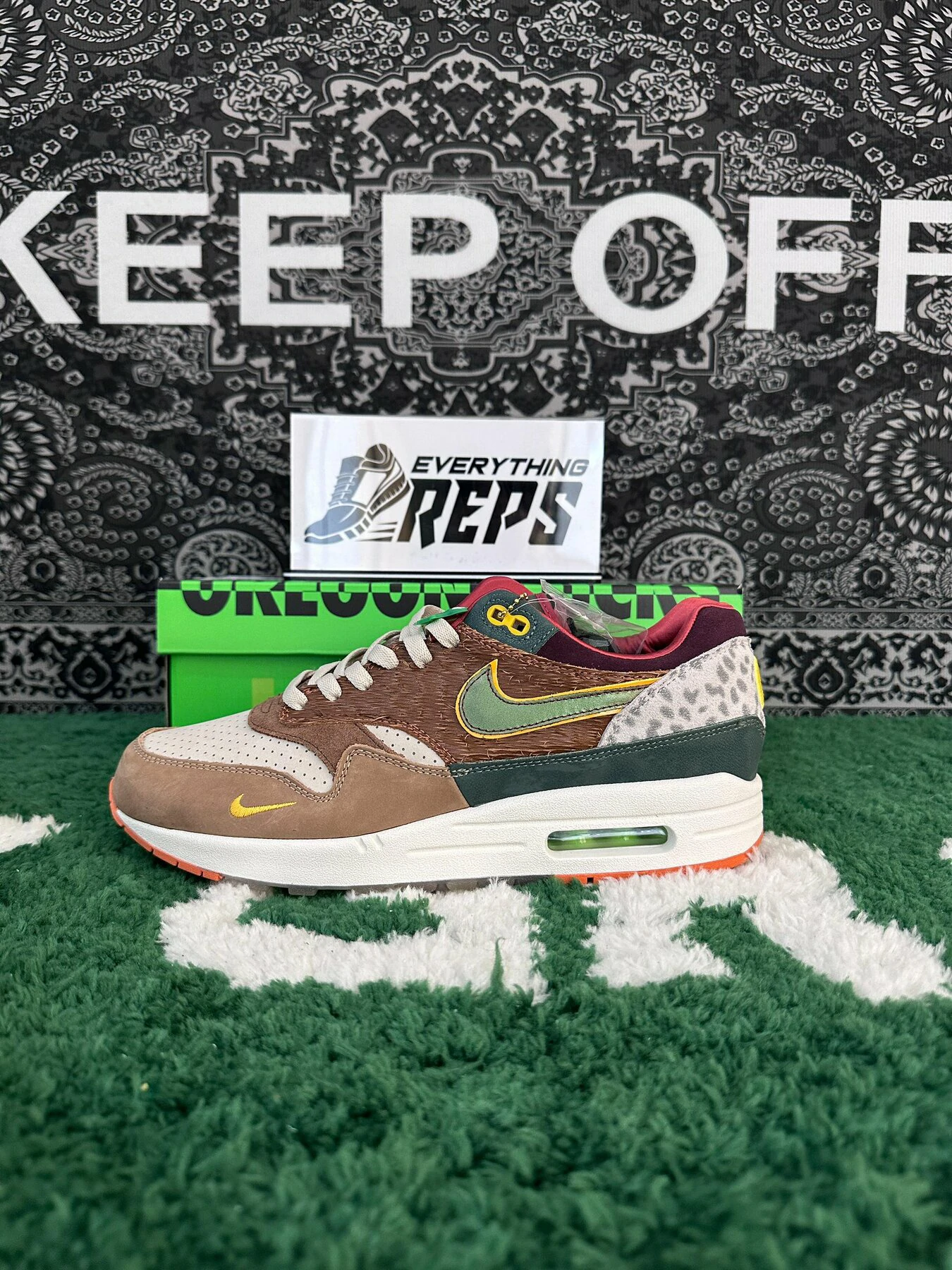
Most of the risk with Nike Mosquito SB Dunks is condition, not counterfeits, but both exist. Run the same checklist on every pair so a good photo set does not talk you out of your own process.
- Confirm the size tag: style code, size, and factory code should line up with the box label.
- Photograph heel branding and compare stitch density against a pair you trust.
- Press the midsole at the flex point under the toe and look for cracking or separation.
- Check the insole print and the glue line at the toe; sloppy finishing is a warning sign.
- Request dated, tagged photos of the actual pair, never a reused image set.
Suede that has gone hard or shiny usually cannot be brought back. Tell a customer that before they buy, or plan on a return and a relist at a lower grade.
On the replica side, the usual tells are soft heel stitching, a size tag in the wrong font, and a box label that does not match the shoe inside. If the pair is expensive and the seller is new to you, pay a legit-check service or a local consignment shop for an opinion. It costs far less than a bad buy.
Pricing, Margins, and Supplier Questions
There is no clean price list for a two-decade-old SB Dunk. Asking prices commonly run from a few hundred dollars into four figures depending on size, condition, and whether the original box survived, and those figures are a starting point only. Confirm current sold comps yourself before you commit to a cost basis.
Build that cost basis around the worst realistic outcome: a pair that needs a midsole clean, fresh laces, and careful photography before it moves. If the margin still works after that work, the deal is probably sound.
When you are buying Nike Mosquito SB Dunks in bulk or inside a mixed lot, ask for per-pair photos and a written condition grade. Suppliers who send only size-run shots with no close-ups are usually hiding something at the toe or the collar, and you will find it after the box lands.
Common Questions From Buyers
Are these still in production?
No. The original colorway comes from the early 2000s and Nike has not kept it in rotation. Everything available today moves through the secondary market or through suppliers holding old stock. If a listing calls a pair both brand new and a current general release, treat that claim as a question rather than a fact.
Do they run true to size?
Tagged US sizing is standard, but age changes how the shoe feels. Foam in the collar and tongue compresses, so a worn pair typically wears looser than a fresh one. For a customer between sizes, get the insole length in centimeters and match it against a shoe they already own.
How do I spot a replica?
Start with the size tag and box label, then move to stitch density at the heel and the glue line at the toe. Replicas of older SB Dunk colorways are less common than modern ones, but they are out there. On any pair above a few hundred dollars, get a second opinion from a legit-check service before paying.
Is this worth stocking in a small shop?
Only if you have collector customers who buy early-2000s SB product. It is a slow-turning display piece with a wide price spread. One or two pairs in mid-range sizes is reasonable, while a full size run is not, unless you already have a buyer waiting.
What should I ask a supplier first?
Ask for dated photos of each pair, a written condition grade, whether the original box and laces are included, and the return terms on condition disputes. Get the answers in writing. Vague photo sets and no return policy are where small accounts get stuck with pairs they cannot sell.
If Nike Mosquito SB Dunks are on your buy list and you want pairs with honest condition notes, send over your size list and target grade. We will reply with what is genuinely available, priced per pair, with photos before anything ships.