If you are wondering how to lace nike react presto, start with a relaxed crisscross and tune tension from the bottom up. The sock-like upper means the laces fine-tune midfoot hold rather than carry the whole fit. A clean lace job also makes a display pair look sharper and a try-on pair feel closer to the shoe the customer gets at home.
This guide covers lace length, step-by-step lacing, fit fixes, and how shops should set up display versus try-on pairs. Keep original laces when possible and check the official size chart before advising on fit.
Start With Lace Length and Tension
Use flat laces that match the original width and length. A thick replacement can bind in the eyestays, while an extra-long lace leaves a bulky bow that hides the upper's shape. Compare any replacement with the original lace end to end before relacing a floor sample.
Tension matters more than pattern on this model. Pulling the bottom rows tight can press the cage into the instep and collapse the toe box. Set light tension at the bottom, then add hold at the row closest to the ankle only if the heel feels loose.
Step-by-Step Lacing for a Secure, Comfortable Fit
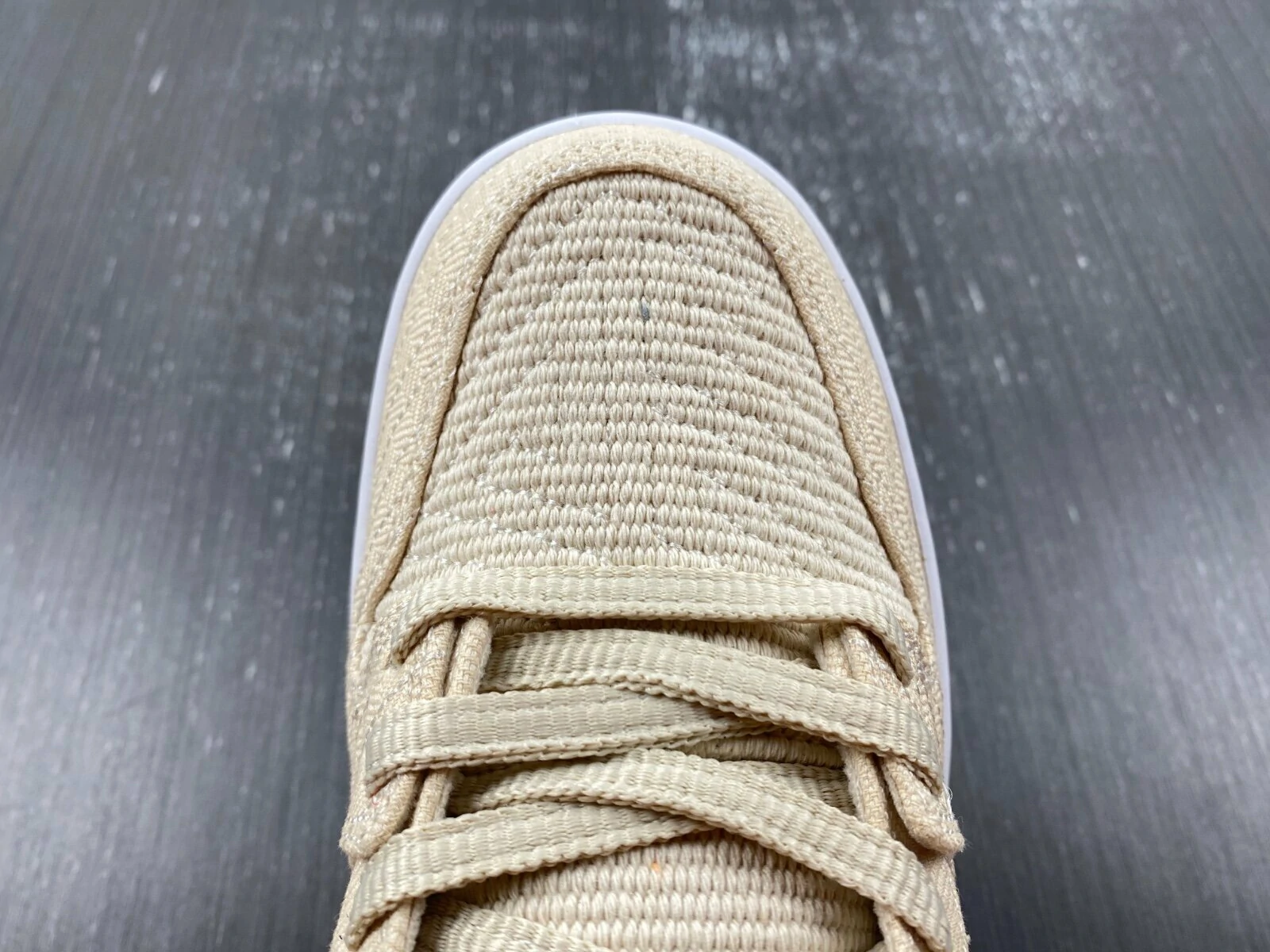
The steps below cover how to lace nike react presto for daily wear, not just a shelf display. Work on a flat surface and keep the bootie panel centered as you go.
- Remove the old lace and relax the upper. Open each row so the eyestays are not pinched.
- Feed the lace from the bottom and keep both ends even. Follow the original start if the pair came laced.
- Crisscross upward and lay each section flat. A twisted lace creates a pressure point once tied.
- Stop before the top row and slide your foot in. Loosen the lower rows first if the midfoot feels tight.
- Snug the top row, tie a simple bow, and tuck the ends under the top crossing. Do not force a heel-lock pattern if the eyestay does not support it.
For a narrow foot, a full crisscross with even tension gives the most secure hold. For a wide forefoot, keep the lower two rows flatter and looser, then use the top rows to lock the ankle. Test the pair while standing, since sitting can hide a tight instep.
Twisted laces and uneven ends are the usual mistakes; both look sloppy and can create pressure.
Fit Adjustments for Different Feet
Most fit complaints with the React Presto come from lacing too tight at the bottom. The upper is soft, so small changes in tension show up quickly. Ask where the shoe feels tight before you touch the laces.
| Lacing setup | Best for | Adjustment | Retail note |
|---|---|---|---|
| Standard crisscross | Most feet | Even tension | Default display |
| Straight lower rows | Wide forefoot | Keep lower rows relaxed | Good for try-ons |
| Snug top rows | Narrow heel | Tighten last row | Check collar pressure |
| Loose display lace | Shelf display | Small bow, ends tucked | Not for try-ons |
For a high instep, start with the top row unlaced and let the customer stand in the shoe. Add the top row after the midfoot settles. For a wide foot, avoid pulling the lower crossovers down toward the sole.
When staff ask how to lace nike react presto for a customer who wants a tighter feel, remind them the upper already fits close. More tension is not always better. A small increase at the top row is easier to adjust than a fully tight lace job.
Display Pairs vs Try-On Pairs
A display pair needs shape, not maximum tension. Lace the shoe with a small, flat bow and tuck the ends under the top crossing. Keep the original lace style if the pair is sold as new, because buyers notice changed lacing.
Try-on pairs should be looser at the bottom and snug at the top. That lets a customer slide in without crushing the heel counter while still showing the shoe's hold. After each try-on, check that the lace rows are flat and the bow is centered.
If your team rotates stock between display and try-on, photograph the original lacing first. The fastest way to teach a new employee how to lace nike react presto is to keep one correctly laced sample behind the counter. A photo and a sample pair prevent small inconsistencies across a size run.
FAQ
Do React Presto laces run long?
Length varies by size and lace style, so compare a replacement with the original end to end before relacing a display pair. For bulk replacements, confirm length and width with your supplier before ordering, and request a sample lace if the width is unclear.
Can I lace them for wide feet?
Yes. Keep the lower rows flat and loose, then use the top row for ankle hold. For a high instep, leave the top row loose at first and let the customer try the pair with the intended sock thickness. Check the official size chart before giving fit advice.
How should a display pair be laced?
Use a standard crisscross with light tension, a small bow, and tucked ends. Keep the original lace and avoid stretching the upper over a display form. A relaxed lace job shows the shoe's shape better than a tight one and helps the pair look new.
If you are sourcing React Presto for a US shop, send your size run, color needs, and lace or box requirements to your supplier for a quote. Ask for a sample pair before a larger order, and confirm lacing, packaging, and condition in writing.