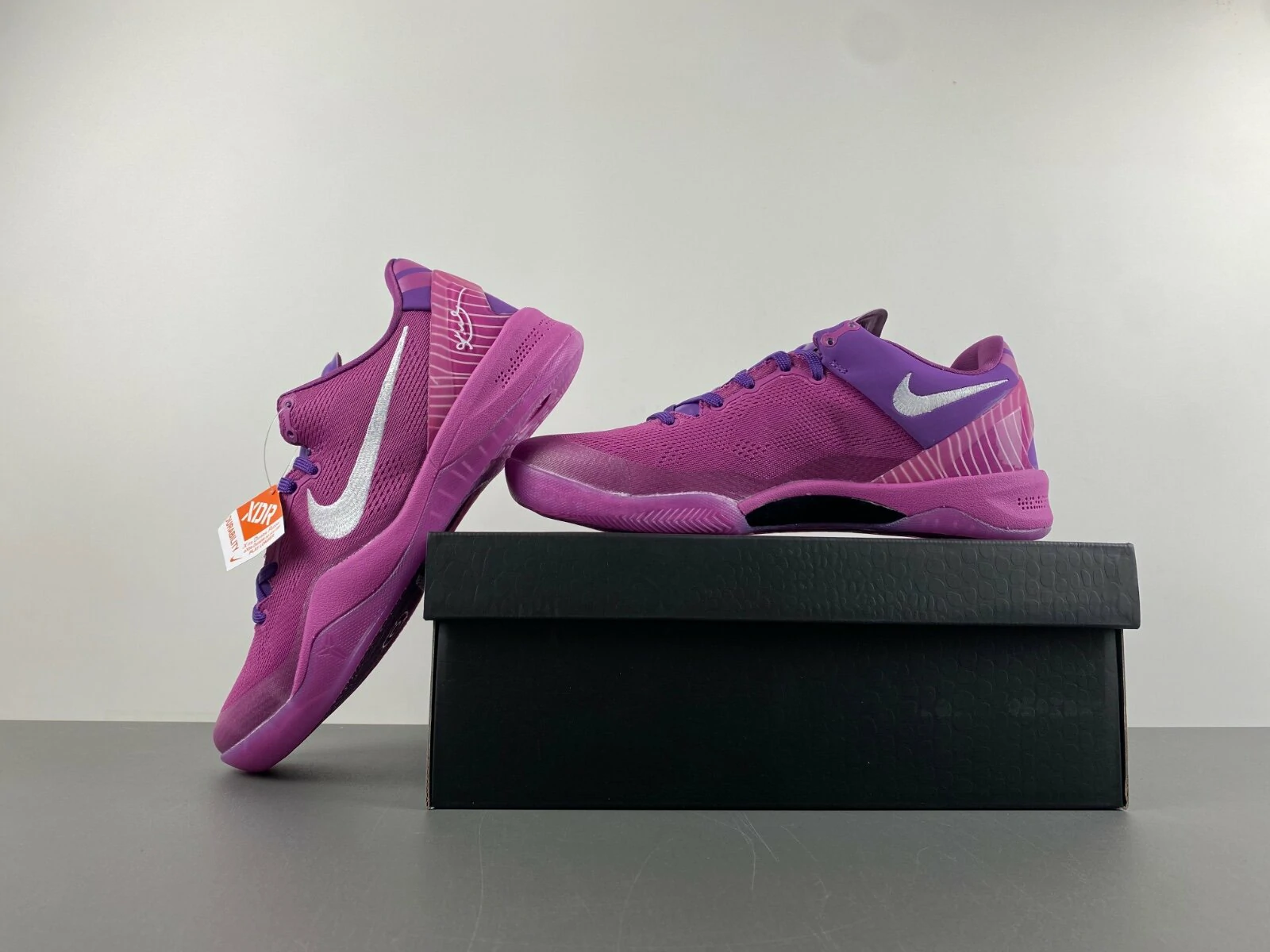
Most pairs that trigger the question "are my Nike Air Max 95 fake" show two or three specific problems, not a hundred. Check the stitching on the layered upper, the clarity and shape of the Air unit, and whether the size tag matches the box label, and you will usually have an answer in under five minutes.
What follows is the same sequence an experienced buyer runs when a sample pair lands on the counter: the in-hand inspection, a side-by-side comparison of authentic and counterfeit details, the listing red flags that appear Before delivery, and the steps to take when a wholesale lot fails the test.
Why the Air Max 95 Attracts Counterfeiters
Sergio Lozano's 1995 design stacks wavy panels in a way that hides construction shortcuts well. A workshop can copy the silhouette from photos and get the proportions close, then lose the details a buyer actually handles: thread tension, panel edge finishing, the depth of the forefoot Air unit.
Retail pairs are not perfect, either. Normal QC lets small glue marks and slight stitching drift through, so a Store owner hunting for one blemish will misjudge real shoes as fake. The stronger signal is consistency. When four or five details are all slightly wrong in the same direction, the pair is almost certainly counterfeit.
The In-Hand Inspection, Step by Step
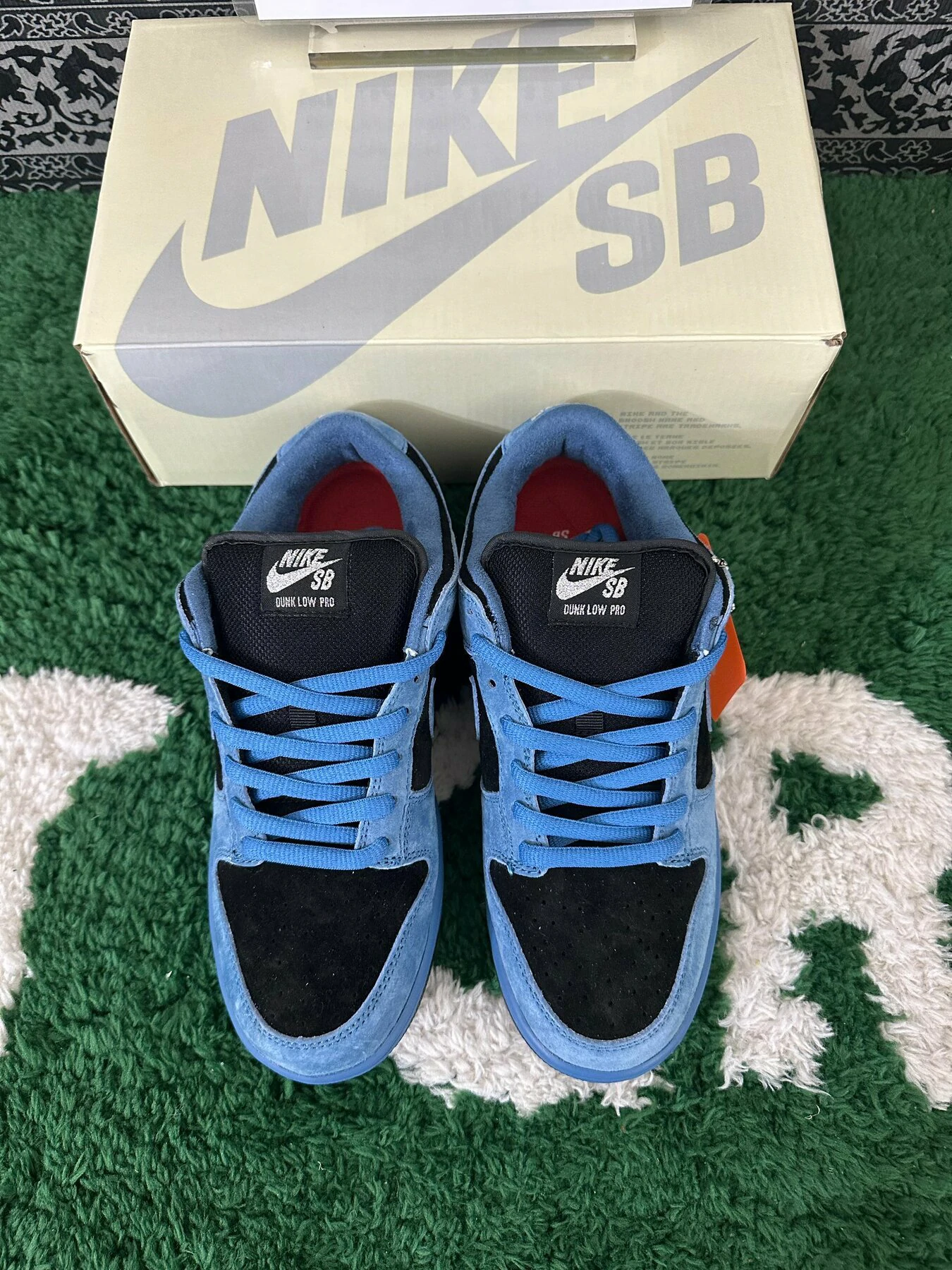
Buyers who ask, "are my Nike Air Max 95 fake," tend to start on the outside of the shoe. Work from the inside out instead. The order below takes about five minutes per pair and applies to used and new stock alike.
- Compare the style number on the size tag with the box label and the seller's listing. All three should match exactly.
- Run a thumb along the layered panels. Stitching should be tight, evenly spaced, and matched to the panel color.
- Press the heel and forefoot Air units with a fingertip. The window should be clear, firm, and free of haze or moisture.
- Check the lace loops, eyelets, and panel edges for loose threads, glue residue, and uneven cutting.
- Look at the tongue label and heel branding. Lettering should be sharp, centered, and correctly weighted.
- Pull the insole and check print quality, then confirm the sizing printed there matches the size tag.
- Compare left and right shoes for shape, height, and weight. Noticeable differences inside one box are a flag.
- Photograph every checkpoint before handling the pair further, keeping the box label in frame.
Those photos matter later. If the pair came from a supplier with a return window, clear images are the difference between a clean refund and a long argument.
Authentic vs. Counterfeit: Where the Differences Show
Side-by-side comparison gets easier once you know which details carry weight. The table below ranks each checkpoint by how reliably it separates a real pair from a fake one.
| Checkpoint | Authentic pair | Common counterfeit | Weight |
|---|---|---|---|
| Panel stitching | Even spacing, thread matched to panel, clean edges | Uneven spacing, off-tone thread, loose ends at lace loops | High |
| Air units | Clear window, firm to the touch, even shape | Cloudy or painted window, shallow unit, wavy edges | High |
| Size tag and box label | Style number matches across tag, box, and listing | Mismatched codes, wrong label font, generic box | High |
| Tongue and heel branding | Sharp lettering, correct weight, centered | Thick or blurry lettering, off-center placement | Medium |
| Price and seller terms | Price inside normal resale range, returns accepted | Deep discount, no returns, thin selling history | Medium |
Stitching and the Air units do most of the work. Branding gets copied well enough that lettering alone rarely settles a case, and price tells you more about the seller than the shoe. When two high-weight checks fail, stop looking for a third and walk away.
Red Flags That Show Up Before Delivery
Most bad pairs are visible in the listing photos and the seller's terms before money changes hands. Images shot from one angle only, or a listing padded with stock photos instead of the actual pair, deserve a closer look.
On price, treat anything far below the going resale range as a question rather than a deal. Some sellers do move genuine overstock at a discount, but they usually explain why: an older colorway, a broken size run, a damaged box. Silence plus a deep discount is a pattern.
For bulk orders, insist on a sample before committing, and ask "are my Nike Air Max 95 fake" about that sample rather than trusting photos of the lot. A supplier who ships one pair on request is usually a supplier who knows the pair will pass.
Read the return policy last, since it tells you how the seller expects the deal to end. Anyone who refuses returns on authenticity disputes has already answered the question.
When a Lot Fails the Check
The honest answer to "are my Nike Air Max 95 fake" sometimes arrives after you have already paid. At that point the job shifts from detection to documentation and recovery.
Pull the batch from sale immediately. Selling counterfeit goods carries real legal risk in the US, and that exposure sits with the retailer who listed the pair, not with the overseas supplier who shipped it. Photograph the failing details, save the invoice, the listing, and every message, then request a refund in writing.
If payment went through a card or a platform with buyer protection, open a dispute inside the stated window rather than negotiating past it. For imports, ask a customs broker how detained shipments are handled in your port, since the process varies by entry type. Do not assume the supplier's paperwork covers you.
Suppliers who stand behind their stock will replace or credit a failed batch without much friction. If yours goes quiet after the first complaint, you have your answer about the next order too.
Common Questions From Buyers and Store Owners
Can a fake Air Max 95 pass a photo check?
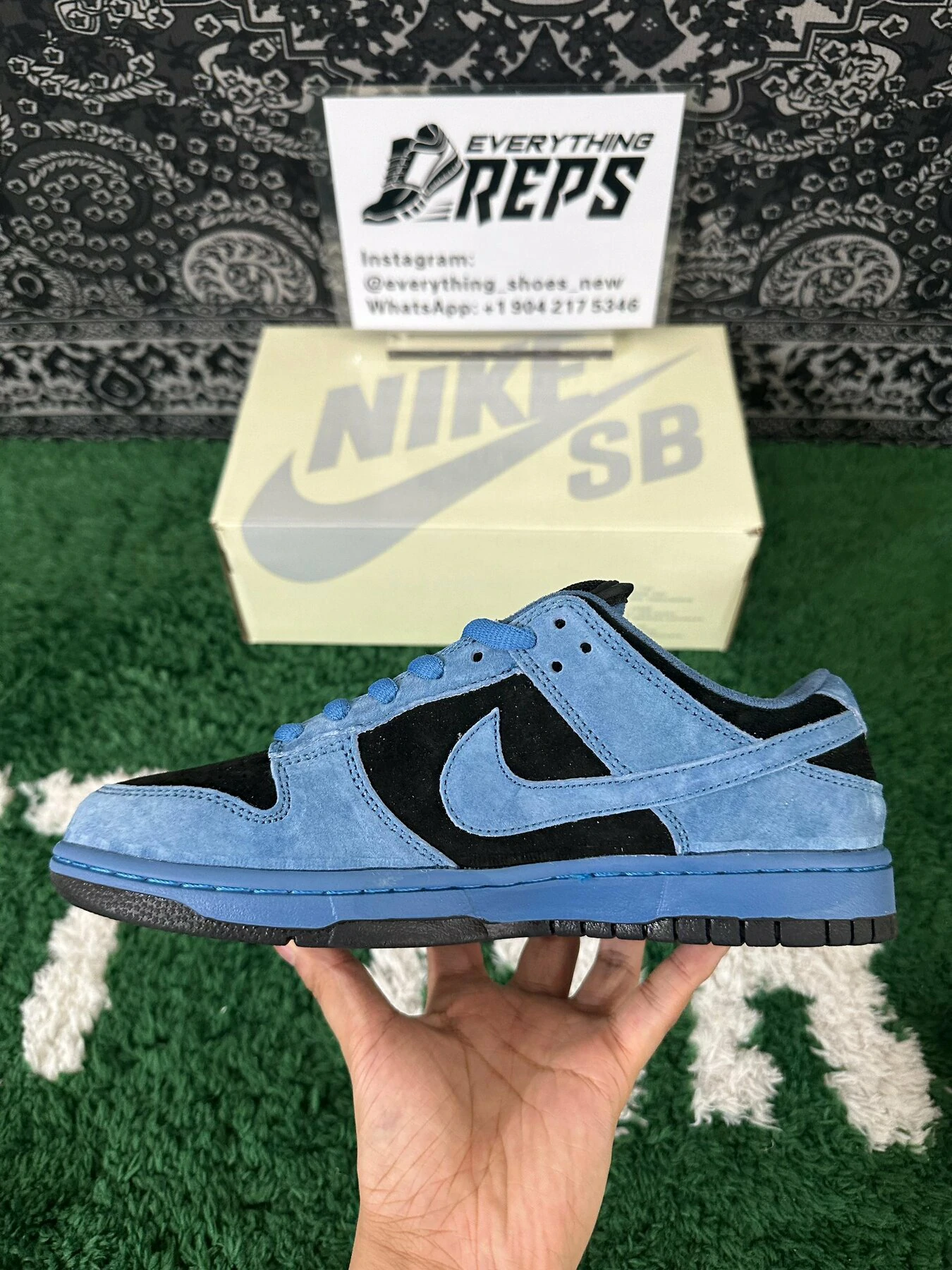
The question "are my Nike Air Max 95 fake" rarely gets settled from one image. Good counterfeits photograph well because the silhouette and color blocking are easy to copy, and lighting hides stitching quality. Ask for close-ups of the size tag, the heel Air unit, and the tongue label in natural light. If the seller refuses, treat the pair as unverified.
Do counterfeit pairs come with a box and a receipt?
Often, yes. Boxes and paper receipts are cheap to reproduce, so neither proves anything by itself. Compare the style number on the box label with the one on the shoe's size tag, and check the label's font and alignment. A mismatched box is a stronger signal than a missing one.
Is it legal to resell a pair I suspect is counterfeit?
Treat it as a stop sign. Counterfeit goods cannot be sold lawfully in the US, and the liability follows the seller. If authentication is uncertain, do not list the pair. Have it checked by a professional authenticator, and speak with an attorney if you have already sold from that batch.
How much should I trust a supplier's authenticity guarantee?
Only as far as the written terms behind it. A useful guarantee names the remedy, covers return shipping, and states a response window. Website badges and verbal promises mean little. Ask for the policy in writing before you pay a deposit, and confirm who pays freight on a return.
If you are sourcing Air Max 95s or other Nike, Jordan, and Adidas stock for a shop, start with a sample pair and a written authenticity policy before you discuss volume. Send your size run and target price range, and we will tell you what is realistic for the season, what documentation we can provide, and how returns work when a pair does not pass your inspection.