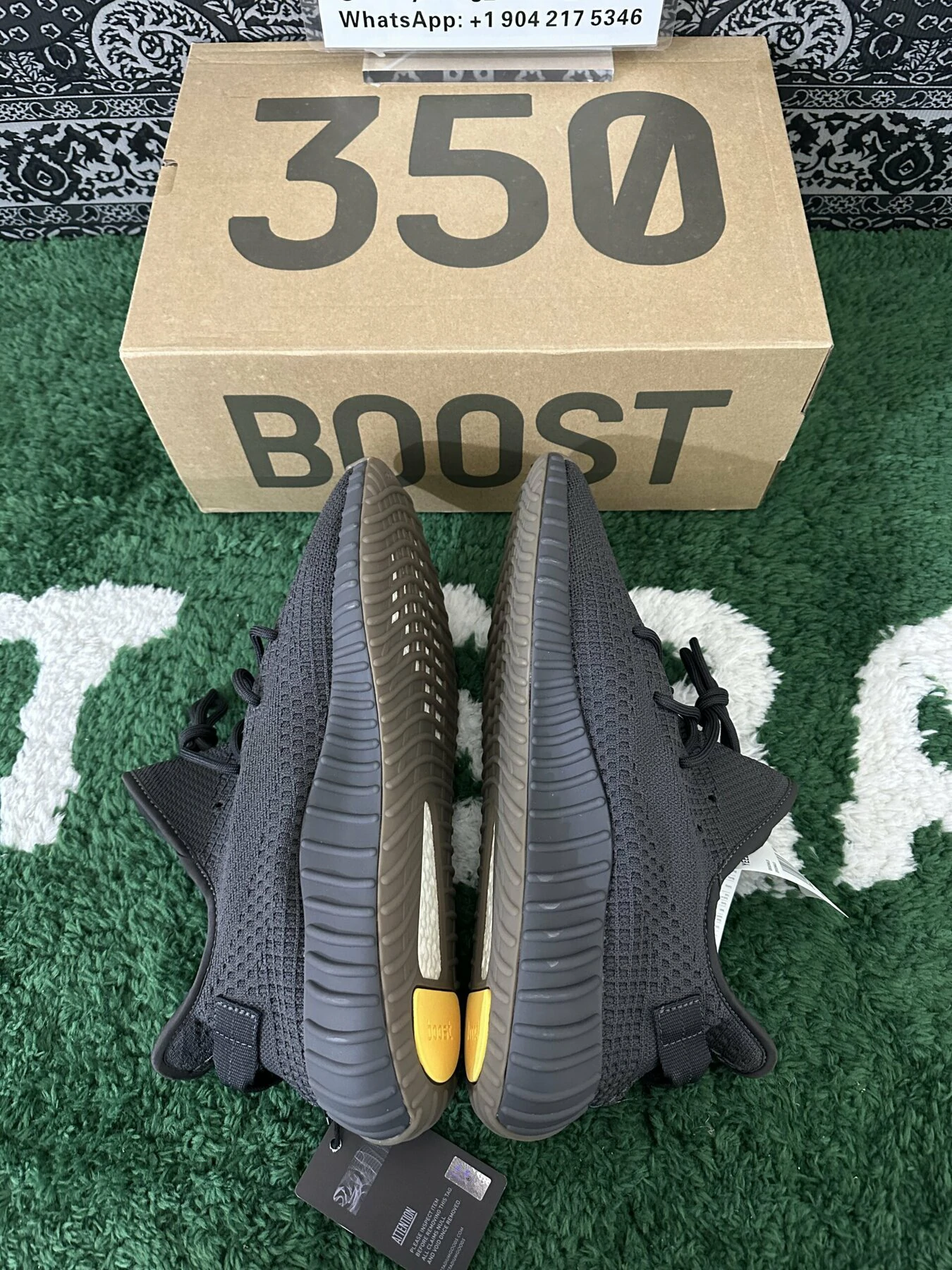
adidas superstar rasta colors occupy a narrow but dependable slot on the shelf: the shell-toe silhouette finished with green, yellow, and red accents instead of the usual black or navy stripes. They move quickly in the right Store and sit for months in the Wrong one. What follows covers what the colorway actually is, how the pairs fit, how to inspect a bulk lot, and how to place a first order you can justify to yourself later.
What the Rasta Treatment Actually Looks Like
There is no single style code behind this name. adidas has applied green, yellow, and red to the Superstar in several different ways over the years, and the placement changes the look more than most buyers expect. The palette stays consistent; the location of the color does not.
Most versions keep a white or black leather base and put the color on the three stripes, the heel tab, and the tongue label. Some releases push it further into the sockliner, the outsole, or a stitched detail near the collar. Two pairs sold under the adidas superstar rasta colors label can photograph completely differently, so ask for images of the actual production pair rather than a catalog render.
Silhouette matters as much as color. The standard Superstar II, the 80s-style build, and the newer oversized versions differ in toe shape, leather quality, and wholesale cost. Confirm which build is being quoted before you compare offers, otherwise you are pricing three different shoes against each other.
Where the Colorway Sells and Where It Sits
Demand clusters geographically. Shops near college campuses, in cities with large Caribbean communities, and anywhere with a strong summer festival trade turn these pairs faster than a suburban strip-mall store does. The common thread is a customer who wants a statement shoe, not a replacement for a beat-up white pair.
That profile shapes your size curve. Statement buyers concentrate in the middle of the run, and they rarely come back for a second pair in the same colorway. Plan a shallow, wide order instead of deep quantities in two or three sizes.
The table below compares the treatments most often offered by suppliers. Use it as a starting point, then let your own sell-through history overrule it.
| Base | Color placement | Customer it attracts | Main risk |
|---|---|---|---|
| White leather | Stripes, heel tab, tongue label | Summer and festival buyers | Shows scuffs quickly on display |
| Black leather | Stripes and heel tab, sometimes outsole | Year-round wear, older buyers | Color reads flat under warm store lighting |
| Off-white or cream | Stripes and collar trim | Fashion-leaning, younger buyers | Narrow size demand, harder to reorder |
Sizing and Fit Notes That Affect Returns
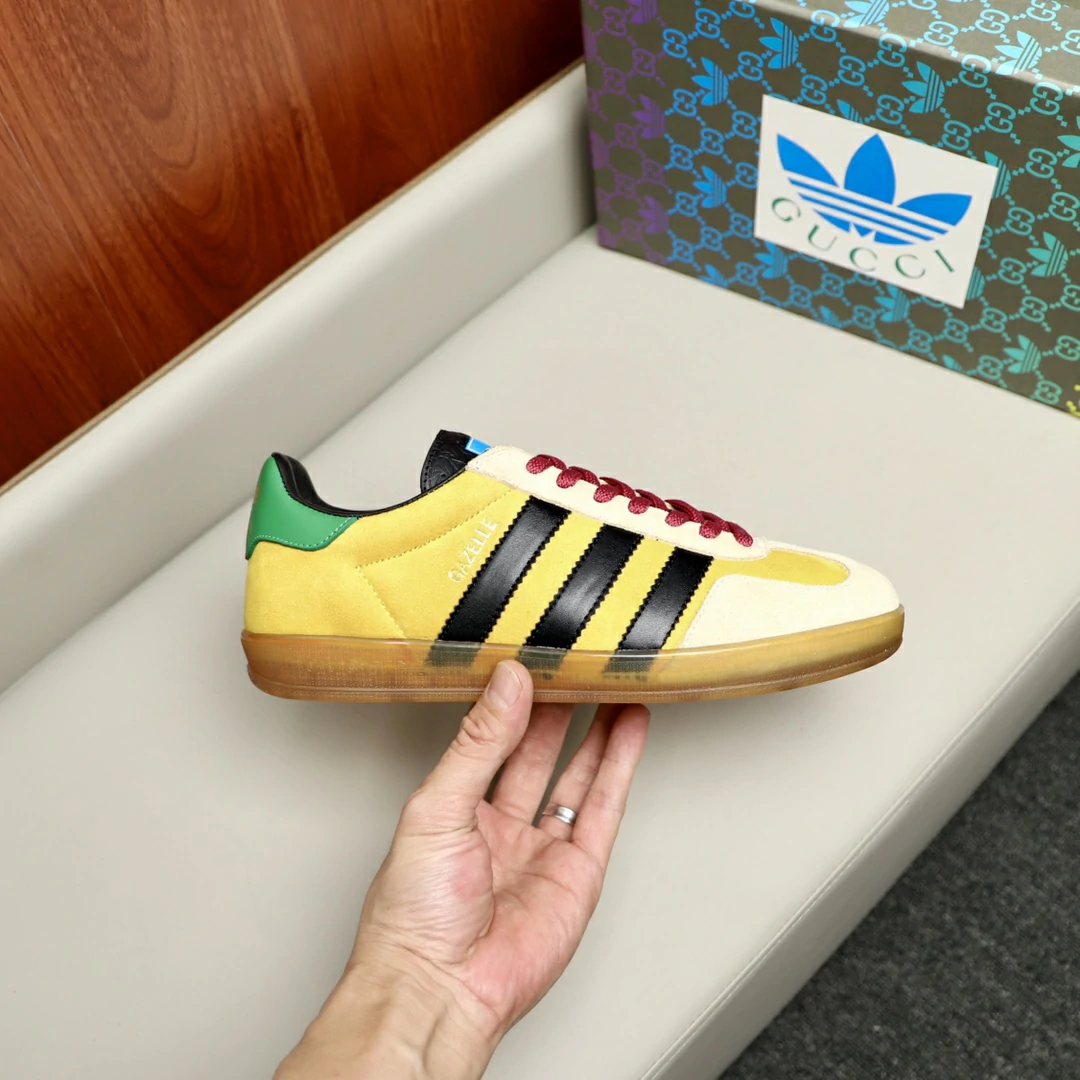
Fit follows the standard Superstar pattern: true to length, slightly narrow through the midfoot, and stiff at the shell toe until broken in. Leather uppers soften over a few weeks but will not rescue a half size that was wrong from day one.
For wide-footed customers, half a size up is the usual recommendation. Women buying from a men's size run typically drop about 1.5 sizes, and that conversion should be checked against the official adidas size chart, not a table copied from a marketplace listing.
Most adidas superstar rasta colors share the same upper pattern, so fit notes carry across releases as long as the silhouette is the same. Returns in this category usually trace back to two causes: customers expecting the shell toe to break in like mesh, and stores stocking too narrow a size band.
Carry the full men's run from US 7 to US 13 when you can, and let the middle sizes carry the volume. A missing size costs you a sale; a size you cannot move costs you margin.
Checking a Bulk Lot Before Money Moves
On a wholesale lot, color placement is your fastest authenticity signal. Request a straight-on photo of the toe: the three stripes should sit at even spacing, with clean edges where the color meets the leather and no bleed into the stitching.
Then walk the rest of the pair. Stitch density should stay consistent along the heel counter, the tongue label print should be sharp rather than fuzzy, and the shell toe should be symmetrical with a clean rubber edge. Inside the shoe, the sockliner should sit flat with no lifting glue at the heel.
Match the box label to the shoe itself: style code, size, and color description need to agree. For any lot above a few hundred dollars, pay a third-party authentication service rather than trusting a photo set. One bad pair in a mixed lot usually says something about the rest of it.
Placing a First Order You Can Defend
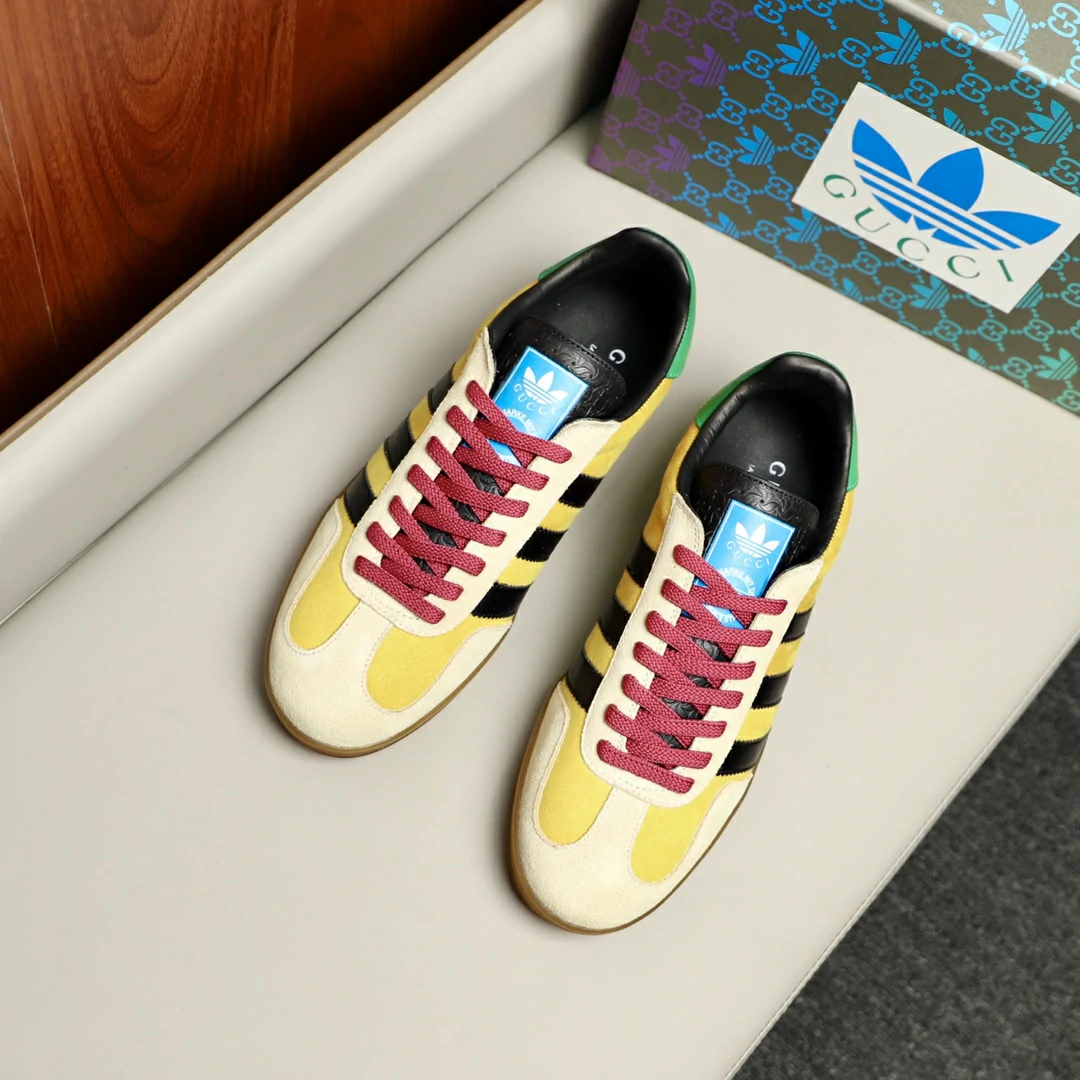
Treat the opening buy as a test rather than a bet. A small, varied order teaches you more in six weeks than a large one teaches you in six months, and it keeps capital free for the core colorways that pay the rent.
- Start with one base color, white or black, not both.
- Order 6 to 12 pairs total, enough for a shelf display without tying up cash.
- Weight the size run toward US 8 through US 11, where most volume sits.
- Request the style code and a photo of the production pair before confirming.
- Get the MOQ, lead time, and return policy in writing.
- Track sell-through weekly for the first month, then decide on a reorder.
Reference ranges only: a core Superstar usually retails somewhere between $85 and $100 at US independents, and statement colorways often land higher. Wholesale cost, minimums, and freight shift by supplier and season, so verify every figure directly before building a margin model.
Timing is the other lever. Pairs that land in March and April sell through before summer, while the same stock arriving in September tends to sit until the following spring. Before you commit to adidas superstar rasta colors in any quantity, ask the supplier when the goods actually ship.
Common Questions From Buyers
Are these usually limited releases?
It depends on the season and the region. Some rasta-themed drops are produced in small numbers and never restocked, while others run as part of the general line for a full cycle. Ask the supplier for production status and expected availability rather than assuming scarcity, and keep a backup source for reorders.
Do they fit the same as a standard Superstar?
In most cases yes, because the upper pattern is shared across the line. The exception is when the build itself differs, such as an 80s-style version with a slimmer last. Confirm the silhouette, then advise wide-footed customers to take a half size up.
How many pairs should a small shop order first?
Six to twelve pairs is a sensible opening order for a single-store test. That covers a display and a few back-stock sizes without locking up cash in a colorway you have not proven yet. Reorder only after you see two weeks of steady movement.
Can I mix sizes within one minimum order?
Many suppliers allow mixed size runs inside a stated minimum, but the terms vary widely. Ask for the breakdown in writing, including whether broken size runs cost more per pair. Do not assume the quoted minimum applies per color rather than per order.
What should I check on the box label?
Style code, size, and color description should match the shoe and each other. Look for clean printing, consistent fonts, and a label that sits flat. Mismatched codes between box and shoe are the most common red flag in mixed wholesale lots.
If you are pricing a first order or comparing two suppliers, send over the style codes, size run, and target retail price you have in mind. A specific request gets you a faster and more accurate quote than a general inquiry, and it makes the margin math obvious before anything ships.