The air Jordan 1 low Black and white patent leather is a low-top AJ1 with a glossy black-and-white coated upper, and it sells on looks first and comfort second. The patent finish reads dressier than the standard leather Low, which is why it moves fast in some stores and sits in others. This guide covers what your counter staff needs to say about fit, how to handle patent care and returns, what to inspect before you pay a supplier, and how to plan an order without tying up cash.
Where the Demand Comes From, and Where It Stalls
Black and white sells to two groups at once. One is the customer who wants a clean sneaker that works with jeans and a jacket. The other is the collector chasing a glossy finish that photographs well, and both tend to prefer the low-top because it wears easier in warm weather and pairs with more outfits than a high.
The shoe stalls in conservative suburban markets, where a shiny upper reads as too dressy for a casual buyer. If your core customer is a dad replacing one pair a year, order shallow and keep a matte leather Low beside it. If your traffic skews 16 to 30, flip that logic.
Sizing and Fit: What to Tell Customers
Jordan 1 Lows run true to size for most people, and that should be the first answer at the register. Patent leather changes the math slightly because the coating has almost no stretch, so a customer between sizes should take the half size up instead of hoping the shoe gives.
Wide-foot buyers often need a full size up in any AJ1 Low, and this version leaves them less room to compromise. When someone asks how the air jordan 1 low black and white patent leather fits compared with a canvas sneaker, tell them it feels narrower and stiffer out of the box. Ask about sock thickness too, since thick crews change fit more than most people expect.
| Attribute | Patent black/white Low | Standard leather AJ1 Low | What It Means at the Counter |
|---|---|---|---|
| Fit | True to size, almost no stretch | True to size, breaks in | Half size up for wide feet |
| Break-in | Stiff collar for 3 to 5 wears | Softens within a week or two | Set expectations before the sale |
| Creasing | Sharp creases at the toe box | Softer, more gradual creases | Never promise a crease-free pair |
| Care | Damp cloth only, no solvents | Standard leather cleaner is fine | Different care card per material |
| Best use | Dressier outfits, photos, nights out | Everyday wear, school, work | Stock both when floor space allows |
Care, Creasing, and the Return Conversation
Patent leather is a coated surface, so treat it like one. A soft damp cloth lifts most marks, and a dry microfiber takes off dust after each wear. Skip solvents, acetone, and abrasive pads, because they dull the coating and there is no way to buff it back.
Storage matters more than owners expect. Keep pairs out of hot cars and away from radiators, stuff the toe with paper or a shoe tree, and avoid stacking heavy boxes on the uppers. Heat softens the coating and pulls it away from the base leather at the flex point.
Creasing is where returns come from. Anyone buying the air jordan 1 low black and white patent leather should hear the creasing talk before they pay, because sharp toe-box folds show up after a handful of wears and count as normal wear, not a defect. Say it out loud at checkout and your complaint rate drops.
- Photograph every pair before it hits the floor, including the toe box and heel.
- Log the size tag and box label in your inventory system at intake.
- Hand over a care card that names patent leather specifically.
- State the creasing policy at the register, not after the complaint arrives.
- Keep one display pair and sell the rest from the stockroom.
Authenticity Checks Before You Pay a Supplier
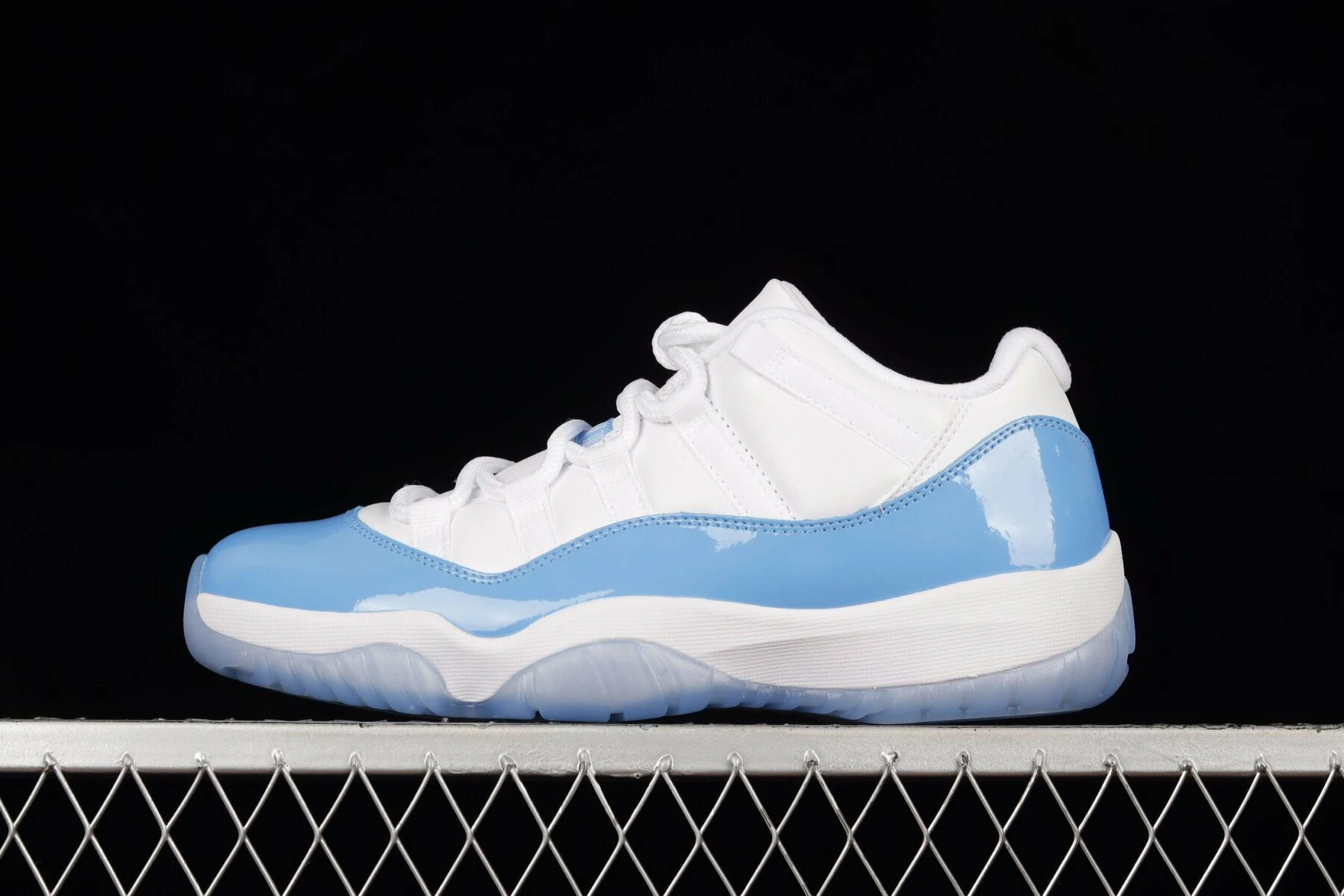
Patent finishes are easier to fake badly than matte leather, because a cheap coating looks either mirror-flat or cloudy under a lamp. Tilt the pair under neutral light and confirm the sheen is even across both shoes, with no wavy patches near the collar or heel counter.
Then run the standard checks: stitch density along the swoosh and heel, the shape of the Wings logo, midsole paint lines, the font weight on the tongue tag, and the size tag inside the collar. Box labels should match the size tag exactly in font, spacing, and size format.
On any bulk order of the air jordan 1 low black and white patent leather, ask for dated photos of the actual pairs rather than catalog shots, and pay through a method that gives you recourse. A lot priced well below the prevailing wholesale range is a question, not a bargain. Professional authentication costs little against a bad pallet.
Planning the Order: Size Curve and Cash
Sizes 9 to 11 carry most of the volume in AJ1 Lows, and 10 is usually the fastest single size. A small independent can open with a run from 7 to 12 and double up only on 9, 10, and 10.5. Women's crossover buyers matter here too, so keep a men's 7 and 7.5 on hand.
Get the supplier's price list and minimums in writing, and confirm whether freight and duties are quoted separately. Footwear minimums commonly land in the low dozens per style, though terms vary widely and are worth verifying before you commit. Many independents target roughly 1.8x to 2.2x on landed cost, then test that number against rent and payroll. These are reference ranges only, so confirm with each supplier.
A first order of the air jordan 1 low black and white patent leather should stay narrow, since it is a traffic driver rather than a foundation style. Let it sit beside your steady leather Lows instead of pulling budget away from them.
Buyer Questions
Does patent leather make the AJ1 Low fit smaller?
Not smaller, stiffer. The last is the same as a standard Low, but the coated upper gives less than leather, so the shoe feels snug for the first week. Customers between sizes should take the half size up, and wide-foot buyers usually need a full size up. Suggest thin socks during break-in.
Will the glossy finish crack or peel?
Quality patent flexes with the shoe and mostly creases rather than cracks. Peeling usually follows heat exposure or harsh cleaners, which is why hot trunks and solvent wipes are the two things to warn customers about. Store pairs at room temperature and clean with a damp cloth only.
How deep should a small shop go on the first order?
Start with one pair per size across your core run and a second pair on the fastest three sizes. That keeps cash free while you learn the local response. Reorder within two weeks of sell-through rather than guessing big on the first pass.
What should I verify on the box label?
Check that the size, style descriptor, and color code match the tag inside the collar, and look at print quality. Fakes often show uneven spacing or a mismatched size between box and shoe. When anything looks off, hold the pair and get it authenticated before it reaches the floor.
Planning a buy for the season? Send your size run and quantity targets, and we will confirm current availability, wholesale tiers, and shipping windows so you can price the drop before you commit.