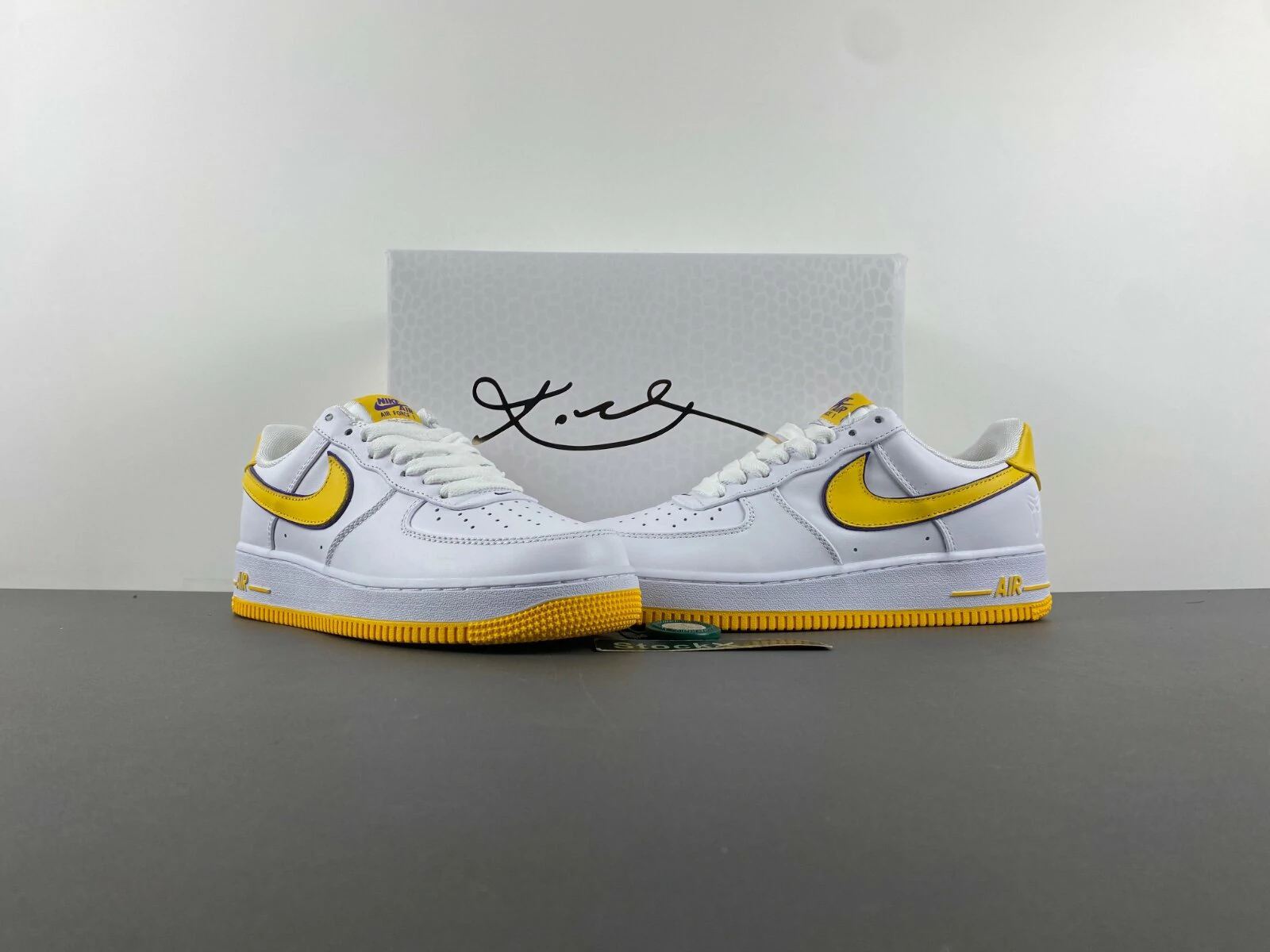
Most people typing nike dunk low Scratch into a search bar want one of two things: a Dunk Low with a coated upper that shows a second layer once it gets rubbed, or plain answers about how badly a standard pair scuffs. Both matter to a shop, for different reasons. One is a shelf-tag selling point. The other is a return risk you price into the margin.
What follows is a buyer's view. It covers how these finishes actually age, how to inspect a lot before you accept it, and the questions worth asking a supplier before money moves.
Two Things Shoppers Mean by Scratch
Nike has released Dunk Lows with coated uppers that wear away to a second color as the top layer breaks down. Listings often shorten that to scratch, and that is where most of the confusion starts. The effect is intentional and gradual, and it appeals to buyers who want a pair that changes with wear.
The other meaning is older than any trend: actual scratches. Smooth leather Dunk Lows Scuff at the toe box, heel counter, and outer midfoot faster than casual buyers expect. On a white or light colorway, one scuff can end a sale.
Coated and rub-away uppers
On a Nike Dunk Low Scratch pair with a coated upper, the color you see first is a top layer. Rub it and the layer underneath shows through. That is the design working as intended, not damage.
The retail problem is handling. Every customer who tries the pair on can start that wear early, and once the coating breaks, it does not reset. Keep coated pairs behind glass or hand them over with a short note about the finish.
Ask the supplier whether the pair has been tried on, and whether photos were taken before or after any rubbing. A pair that already shows two colors is not automatically bad stock, but it should be described and priced as a worn finish.
Ordinary scuffs on standard leather
Standard Dunk Lows mix smooth leather with tumbled panels. Creasing at the toe box shows up after a few wears and is normal. Scuffs at the heel are the bigger resale issue, because they are hard to hide in a listing and easy for a buyer to spot on arrival.
Nubuck and suede uppers mark differently. A scuff lifts the nap and reads as a lighter patch, and water damage is close to permanent. Grade those pairs conservatively and say so in the description.
Finish Types and How They Age
Finish drives both the scratch risk and the care advice you pass on to customers. The summary below is a working reference for sorting a mixed lot.
| Upper finish | Scratch visibility | Handling Notes | Buying consideration |
|---|---|---|---|
| Smooth or tumbled leather | High on dark and bright colorways | Wipe with a soft damp cloth; expect toe-box creasing | Most common; assume light creasing on tried-on pairs |
| Nubuck or suede | Medium; marks show as lighter patches | Brush dry only; water spots are hard to reverse | Photograph carefully, buyers often expect smooth leather |
| Coated rub-away | By design; contact reveals the second layer | Keep away from shelf edges and abrasive surfaces | Disclose the wear stage; some buyers want the coating untouched |
| Patent or glossy synthetic | High; fine lines show clearly | Store apart so panels do not press together | Hard to refinish, so grade one step lower |
Smooth leather is the easiest to clean and the hardest to keep flawless. A damp cloth lifts surface dirt, but it will not fix a scuff that has taken pigment off, and touch-up work rarely matches on white panels.
Coated uppers need the opposite treatment. Do not polish them, and do not use conditioner, since both can lift the top layer unevenly on a Nike Dunk Low Scratch finish. Store those pairs flat and separated so box edges do not do the scratching for you.
Inspecting an Incoming Lot
Open every box on arrival, even on a repeat order from a supplier you trust. Color drift between production runs happens, and panels that look identical in a warehouse photo can differ in daylight.
Work through the same sequence each time so nothing gets skipped:
- Check the box label and style code against the invoice line.
- Compare both shoes side by side for panel shape and stitching.
- Look at the toe box and heel counter under neutral light.
- Feel the coating on any wear-away pair to confirm it is intact.
- Check the size tag, insole print, and midsole paint lines.
- Confirm the size run is complete and matches what you ordered.
- Photograph anything questionable before repacking.
- Set aside seconds and mismatches in a separate bin the same day.
Anything that fails step three or four should be photographed before the pair moves again. Time-stamped photos in neutral light are worth more than a written complaint two weeks later.
Grading and Listing Language
A Nike Dunk Low Scratch or coated pair is hard to grade with standard deadstock, worn once, or used labels, because the finish changes on contact. Add a short note in the description instead, along the lines of coating intact or coating worn at the toe.
Grading standards vary, and buyers read them differently. The safest habit is to describe what you can see, name exactly where you see it, and let clear photos carry the rest.
Consistency also protects margin. If two pairs from the same lot are graded differently on your own site, returns climb and repeat buyers go quiet.
Questions for a Supplier
Wholesale programs for Dunk Lows vary widely on size runs, minimums, and paperwork, and many quote by style or by size run rather than by single pair. Treat any number you hear as a starting point, and confirm the details in writing. Guidelines here are general, so verify terms with the supplier and, for imports, with a customs broker.
Ask about the Nike Dunk Low Scratch finish directly when that is what the sample photo shows. A supplier who cannot confirm whether the coating is intact, or who only sends stock images, is a risk on a first order.
Then ask the boring questions:
- Are these factory firsts, or seconds and closeouts?
- Is the size run complete, and how is it packed?
- Can you send photos of the actual units, not catalog shots?
- What is the policy on mismatched pairs and damaged boxes?
- Who handles duties and brokerage on the shipment?
- How long does a repeat order usually take?
Start small: one box, one size run, one style. Scale after you have seen how the pairs arrive, how the boxes survive transit, and how closely listing photos match what landed.
FAQ
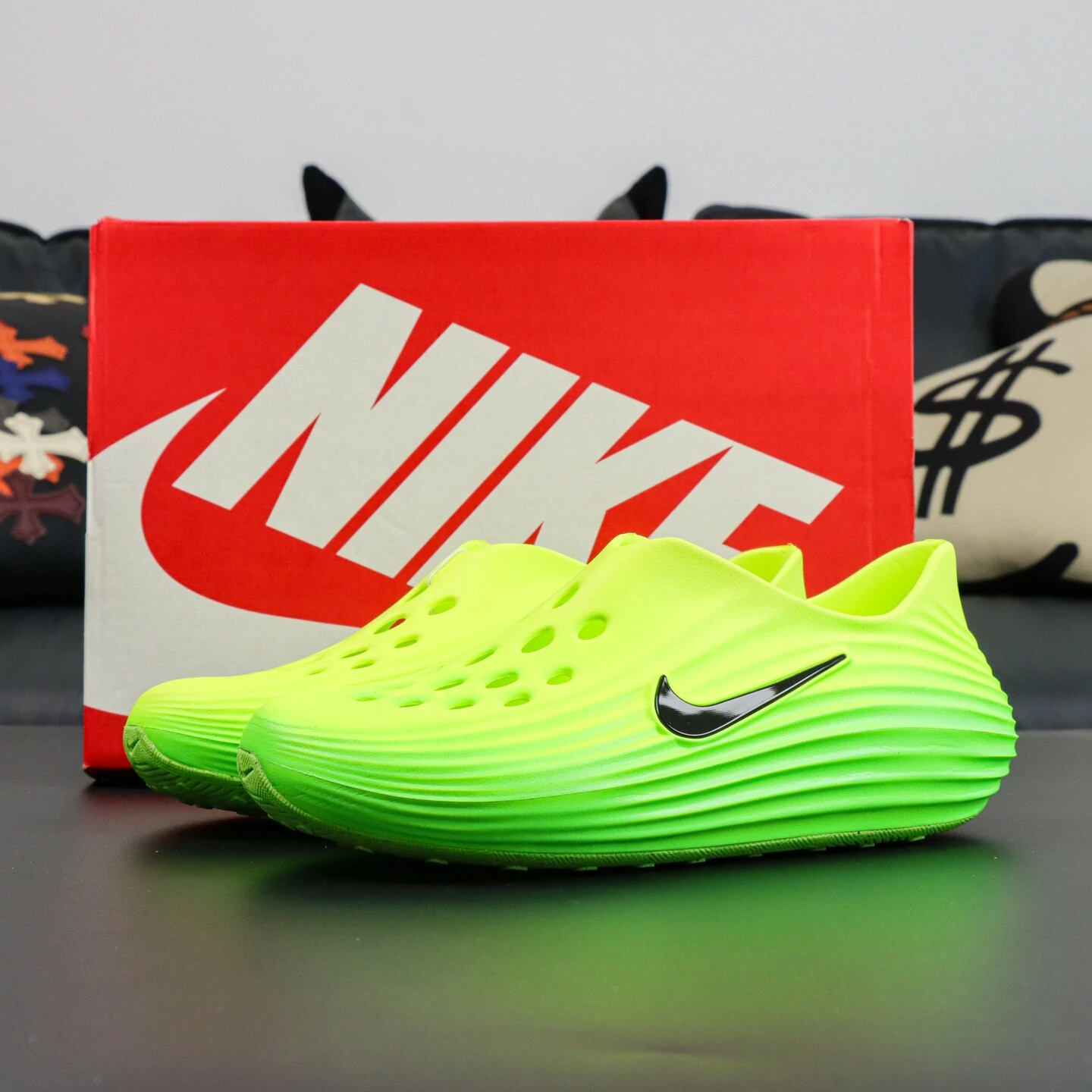
Does the Nike Dunk Low scratch easily?
Smooth leather versions scuff at the toe and heel with normal wear, and light colorways show it fastest. Coated wear-away uppers mark on purpose, since contact reveals the layer underneath. Neither is a defect. The practical point is that both need accurate description before a pair leaves your shelf.
What does scratch mean in a Dunk Low listing?
Usually one of two things. It can describe a coated upper that reveals a second color when rubbed, or it can be shorthand for visible scuffs on a used pair. Ask the seller which one applies and request a close photo of the toe box and heel. Photos settle it faster than wording.
Can I still sell a pair with visible scratches?
Yes, when the price and description match the condition. Retail buyers accept wear that is disclosed and fairly discounted. Photograph the scuffed area in daylight, name the location in the listing, and avoid vague terms like minor wear that every buyer interprets differently.
How should I store coated and suede Dunk Lows?
Keep them boxed, flat, and out of direct sun. Coated uppers should not press against other shoes or shelf edges, since contact starts the wear-away process. Suede and nubuck need dry air and no plastic wrap, which traps moisture. Rotate stock so older pairs move first.
If you are assembling a Dunk Low order for a US shop or online store, send over the styles and size runs you need and ask for current availability, finish details, and inspection photos before you commit. A short written confirmation on condition and grade is worth more than a fast reply.