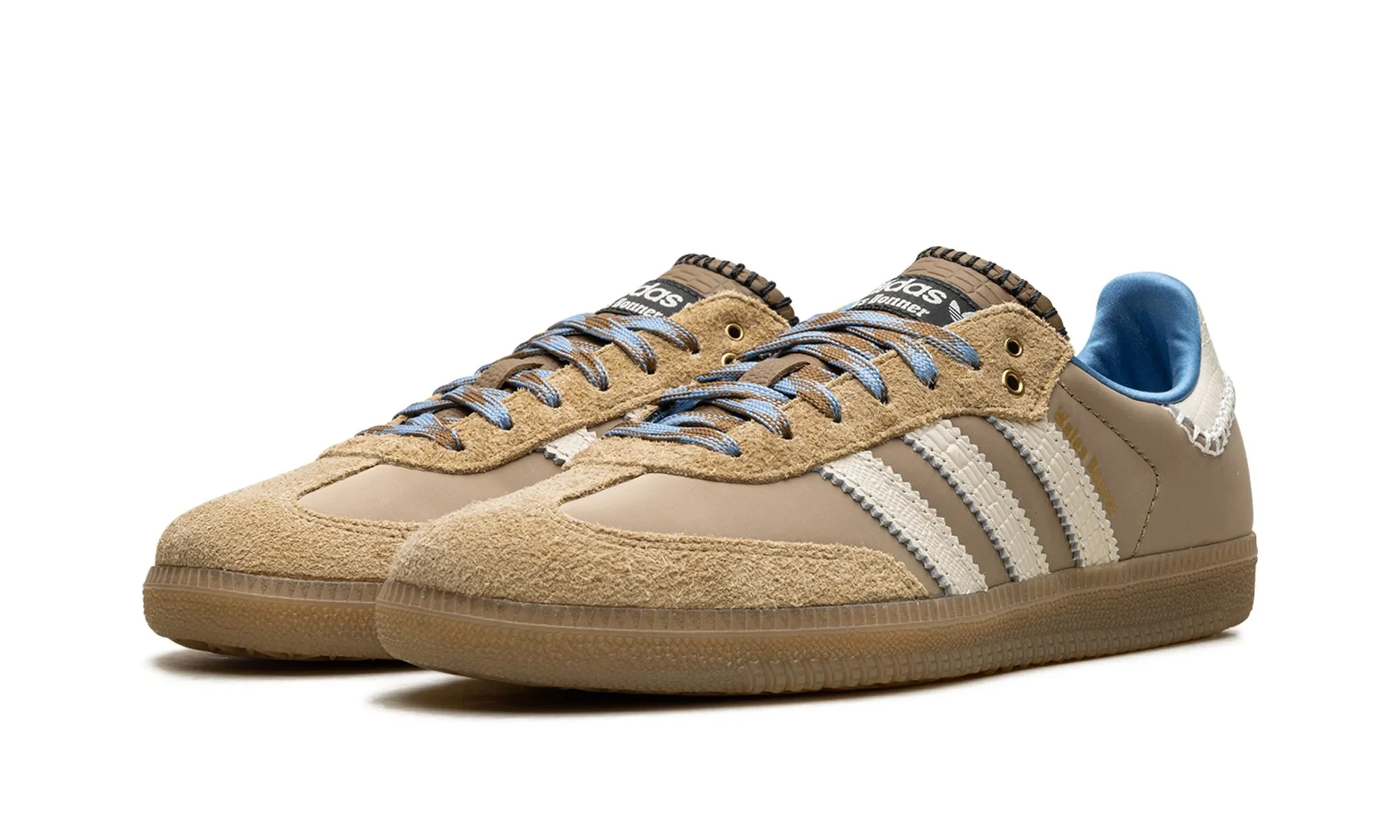
The Black on black gazelle adidas is an all-black take on a low-profile terrace classic. For a US shoe store, it is less a hype item than a steady turnover SKU: easy to style, familiar to customers, and simple to pair with denim or workwear. This guide covers what the colorway actually is, how it fits, what to check before ordering, and how to protect Margin without overbuying.
What the All-Black Gazelle Actually Is
The Gazelle began as an indoor training shoe and became a casual staple. Its core cues are a suede upper, a T-shaped toe overlay, serrated three stripes, and a low rubber sole. The all-black version keeps those shapes but removes most color contrast.
A true black on black gazelle adidas usually reads as one color at arm's length, with differences coming from texture rather than contrast. Suede stripes may look flatter than the upper. Leather stripes or heel tabs can catch light differently. That matters in a store because the same colorway can look gray, brown, or deep black under different lighting.
Release details change. Some pairs use suede, some use leather or synthetic panels, and outsole color varies by season. Confirm the exact material and style code before you list the shoe. Do not describe every black Gazelle as identical.
Fit, Sizing, and Size-Curve Planning
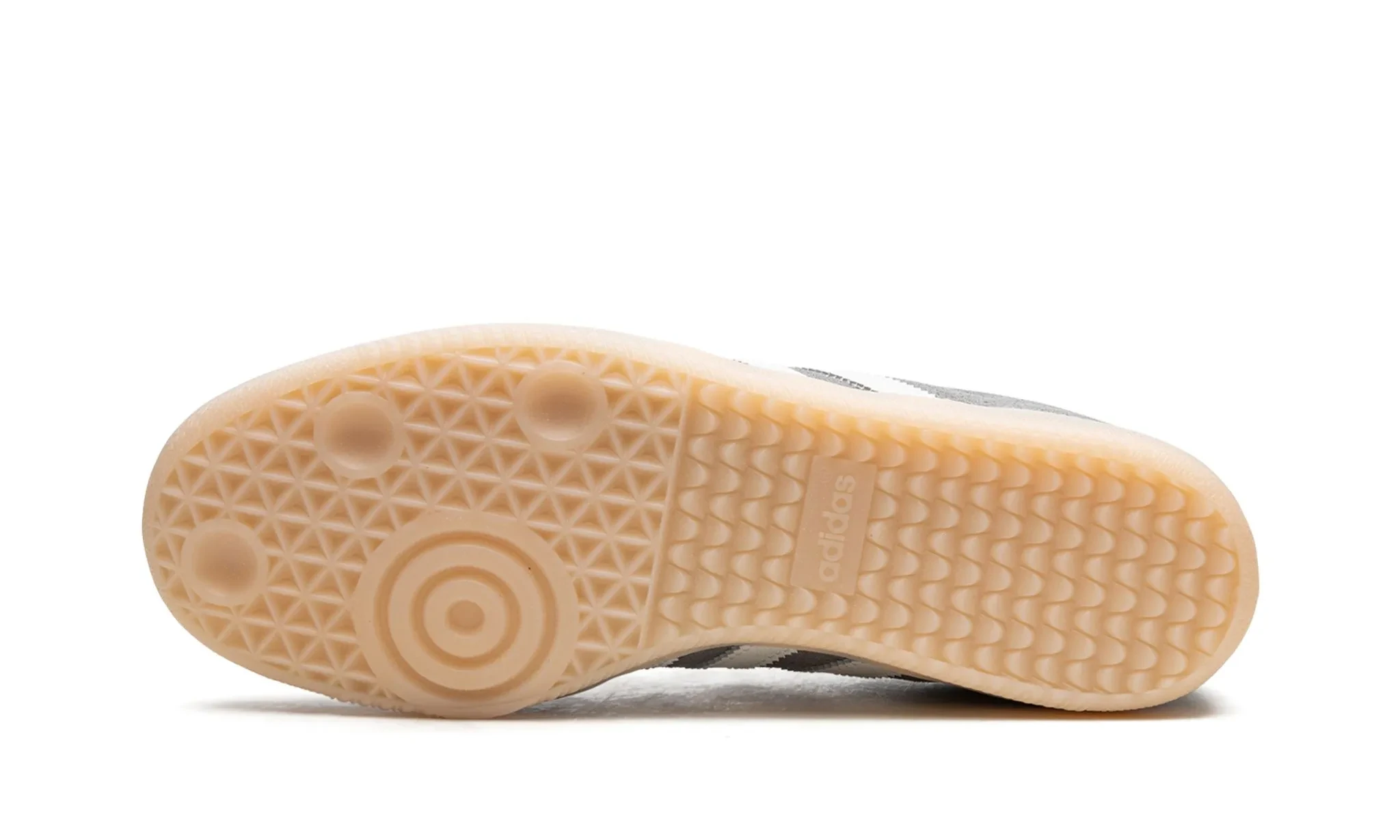
Most Gazelle models sit close to standard Adidas sizing, but the fit is not universal across versions. The low profile and narrow-ish toe box can feel snug for wide feet. Customers who wear thick socks or orthotics may need to size up or choose a different silhouette.
Treat the black on black gazelle adidas as a unisex low-profile shoe when you plan your size run. In many stores, the middle sizes move fastest, while very small and very large sizes sit longer. That is a general pattern, not a rule for every market. Pull your own sales history before you commit.
Ask your supplier for a size-run breakdown, not just a total unit count. A cheap total with a weak size curve can turn into markdowns. If you cannot get a useful curve, order a smaller test run and reorder proven sizes.
Fit notes belong on the product page and on the shelf tag. Say whether the pair runs narrow, whether the upper softens, and whether the sole is flexible. Fewer returns come from clear expectations than from vague claims.
Materials, Finishing, and Authenticity Checks
Tonal shoes are harder to authenticate from photos because the usual contrast points are muted. On a black on black gazelle adidas, look at stitch density, stripe edges, tongue branding, heel tab shape, and the size tag inside the collar. Crooked stitching and fuzzy stripe cuts are warning signs.
Ask for close-ups under neutral light. A phone photo with heavy flash can hide suede damage or make a synthetic upper look like suede. Compare the supplier's photos with a known pair or a professional authentication service. For high-value stock, pay for authentication before the goods ship.
Check the sole tooling and outsole texture as well. Copy pairs often miss small mold details. Packaging matters less than the shoe, but mismatched labels and sloppy tissue can signal a mixed lot. Keep invoices and supplier records so you can trace any problem batch.
Comparing Black Gazelle Options for a Store Buy
Not every customer who asks for a black Gazelle wants the same finish. A tonal suede pair suits a casual wardrobe. A black-and-white pair gives a sharper retro look. Leather and platform versions pull different shoppers, and they should be planned as separate SKUs.
| Version | Visual read | Likely buyer | Planning note |
|---|---|---|---|
| All-black suede Gazelle | Muted, tonal, casual | Denim and workwear customer | Check dye-lot consistency across pairs |
| Black/white Gazelle | Sharper contrast, retro | First-time Gazelle buyer | Safer for mixed size runs |
| Black leather Gazelle | Dressier, lower maintenance | City commuter | Confirm upper material before listing |
| Gazelle Bold platform | Chunkier silhouette | Younger fashion customer | Use separate fit notes and photos |
Availability varies by season and market, so use the table as a buying framework, not a fixed catalog. Confirm the exact upper and style code with your supplier. A tonal shoe that photographs well online may still disappoint if the suede has uneven dye.
Order Planning for US Shops
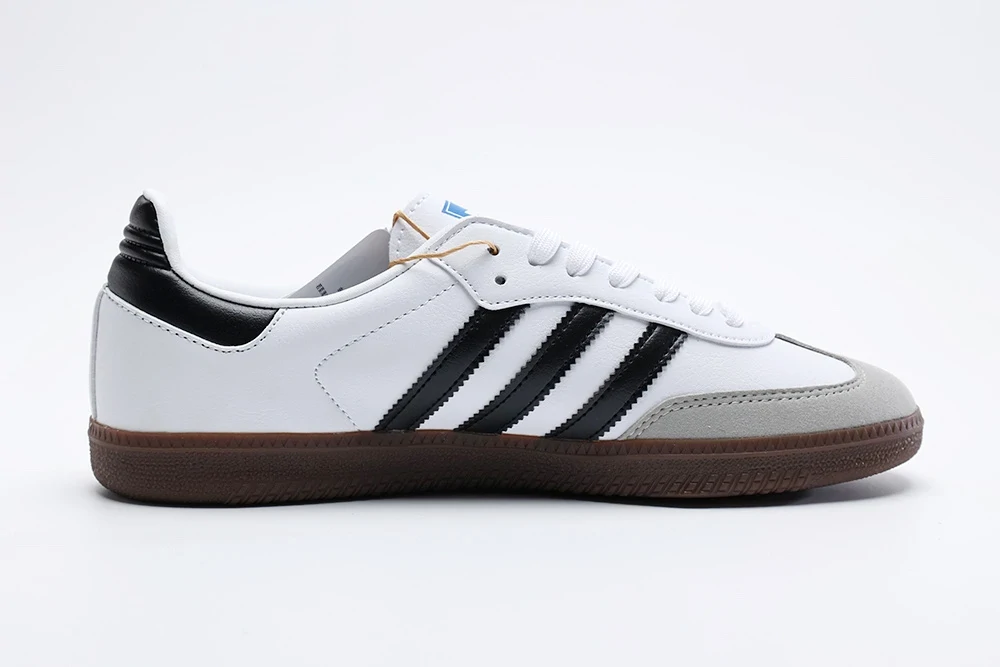
For a US shop, the black on black gazelle adidas belongs in a core assortment, not a hype drop. It should sit near other terrace and low-profile styles, with clear shelf space and a simple size run. If your customers mostly buy online, keep a smaller physical depth and advertise fast restocks instead.
Build a landed-cost sheet before you set retail. Include freight, duties, payment fees, and a returns allowance. Rules and rates change, so confirm with a customs broker rather than treating any estimate as final. A pair that looks profitable at unit cost can lose money after returns and shipping.
Do not claim official status. Independent stores should describe the product accurately and avoid language that implies an Adidas partnership or exclusive account. Clear product facts and honest sourcing build more trust than badge-like claims.
Before You Commit to a Purchase Order
Use this checklist to separate a clean buy from a risky one. It works for a first test order and for a repeat order on a proven colorway.
- Request current, in-hand photos under neutral light, including the stripe, toe, heel, and size tag.
- Confirm upper material, outsole type, and style code in writing.
- Ask for a size-run breakdown with the total unit count.
- Compare landed cost, not just unit price, before you set retail.
- Check the supplier's return policy for defects, sizing errors, and mixed lots.
- Review references or past transactions, and avoid suppliers who cannot explain their stock source.
- Plan the product page copy and fit notes before the stock arrives.
Keep the first order small enough to learn from. If the colorway sells through in core sizes, reorder those sizes first. A disciplined reorder is safer than a large opening buy based on a single sample.
FAQ
Is the black on black Gazelle true to size?
In general, Gazelle models run close to standard Adidas sizing, but fit depends on the upper and version. Most buyers stay with their usual US size. Wide feet may need to size up or choose a different last. Compare against the official size chart for that release and offer a clear exchange policy.
Does the all-black colorway hide creasing?
Dark suede masks fine creases better than light colors, but it does not prevent them. Use shoe trees, avoid heat, and brush suede when dry. Leather versions show sharper creases. Tell customers that no treatment makes a low-profile shoe crease-free.
How can a store check authenticity?
Check supplier paperwork, consistent stitching, correct tongue branding, size tag format, and sole tooling. All-black pairs are harder because contrast is low. Compare against a known pair, use a professional authenticator for high-value stock, and avoid suppliers who cannot provide clear photos or traceable invoices.
Should a small shop stock multiple black Gazelle versions?
Usually no. Start with one tonal black suede option and one higher-contrast alternative, then test sell-through by size. Too many near-identical black shoes split demand and tie up cash. Review weekly sales, reorder proven sizes, and special-order platform or leather versions only when customers ask.
Is this colorway good for online listings?
Yes, if photography is strong. Black-on-black details disappear under flat lighting, so use angled light, close-ups of the stripe and heel, and a true-to-color note. List upper material, fit, and sizing caveats. Clear returns terms matter because tonal shoes are harder to judge on a screen.
If you are building a black Gazelle buy for a US store or online shop, request a size-run quote, current photos, and a landed-cost breakdown from your supplier before you commit. Ask for the exact release and upper material in writing.