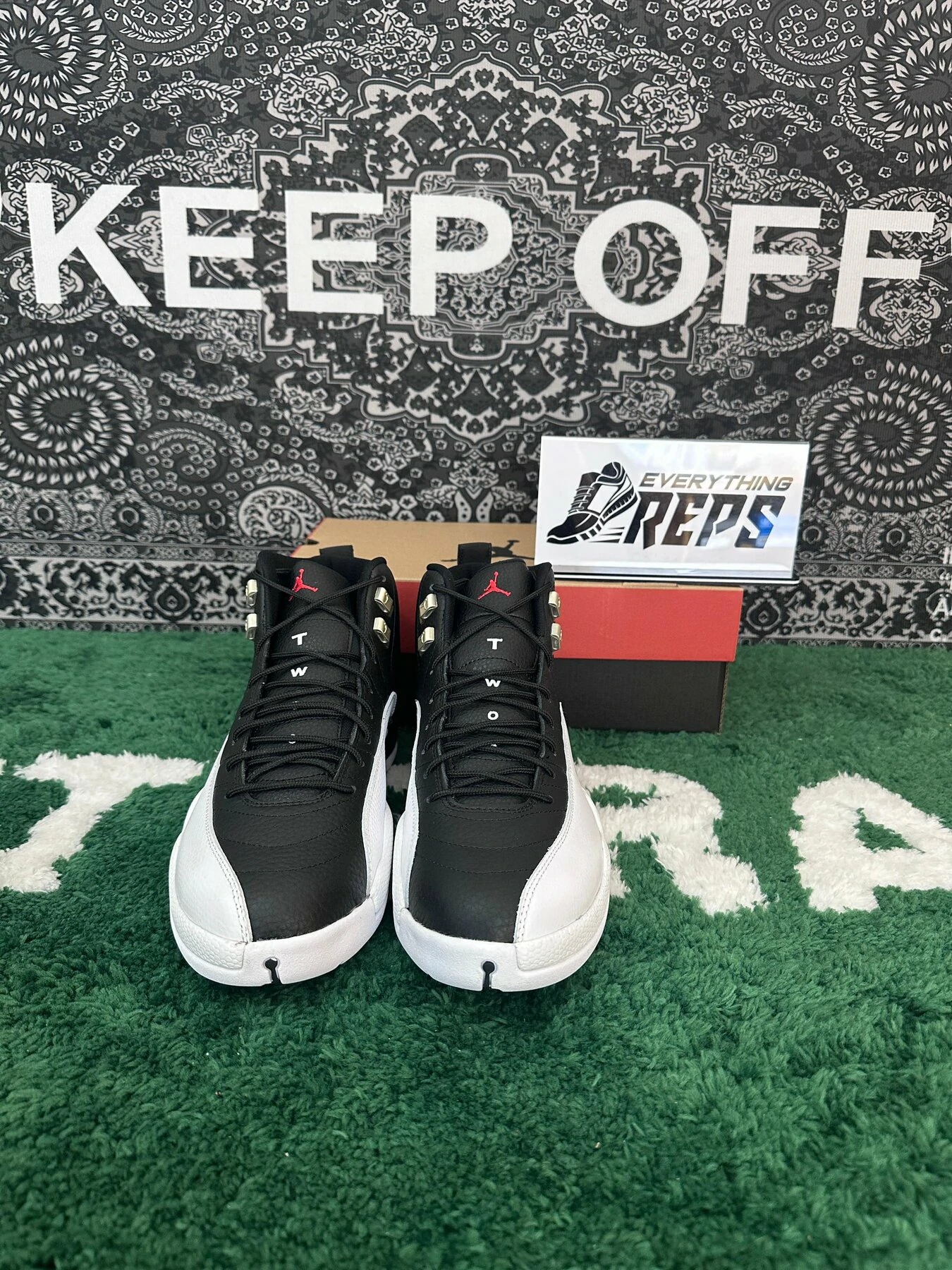
Buyers searching for retro se Jordan 4 pairs usually want one thing settled fast: is this a standard Jordan 4 with a different upper, or a separate buying decision? The short answer is that the SE tag signals a special-edition build, often with premium or unusual Materials, while the core Jordan 4 shape and fit remain familiar. For a shop, that changes how you plan size runs, display the shoe, and vet suppliers. This guide covers the model differences, fit Checks, material risks, and intake steps that matter to US retailers.
What the SE Tag Changes on a Jordan 4
The SE label does not mean the shoe is a different silhouette. It usually points to a special build of the Jordan 4 with altered panels, materials, or details. A retro se jordan 4 release can look close to the standard model at first glance, then feel different in hand because canvas, suede, or textured leather may replace the usual mesh and synthetic panels. That material swap is the main reason two pairs with the same size can feel different on foot.
Retail buyers should treat the SE build as a separate SKU in planning, not as a colorway substitute. Photos can hide sheen, nap, and panel thickness. Ask for close-ups under neutral light, plus a shot of the stitching at the toe and heel. Those details affect how the shoe looks on shelf and how quickly customers trust the listing.
Sizing and Fit Checks for a US Size Run
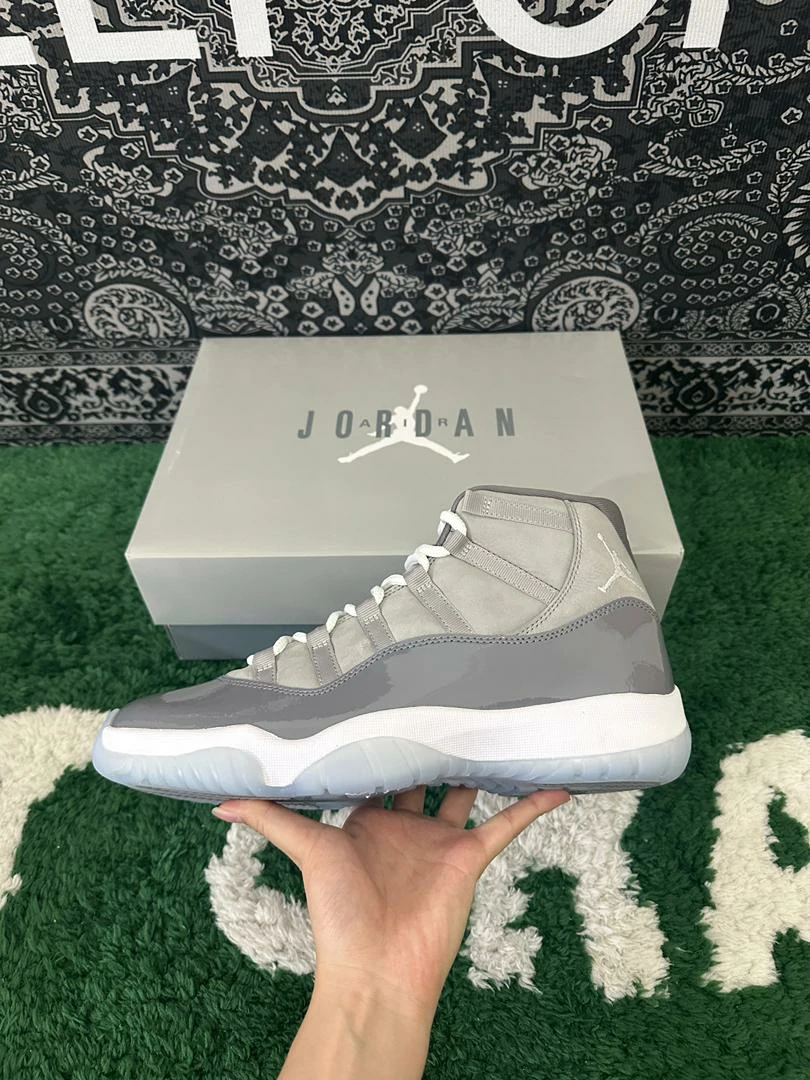
Most Jordan 4s fit true to US size for many wearers, but the SE build can shift the feel. A padded collar, layered upper, or stiffer toe box may make the shoe feel snug at first. Do not promise a universal fit. Tell customers to use their normal Jordan 4 size as a starting point and check the official size chart or try a pair when possible.
For a store, order a size run that matches your local demand rather than a flat spread. If your customers skew toward men's 9 to 11, protect those sizes first. Women's conversions matter too, since many buyers cross-shop men's sizing. Keep a conversion chart at the counter and online, and note that half sizes can be the first to sell out in popular builds.
Materials, Colorways, and Shelf Appeal
The SE label often brings a more fashion-forward look, which can help a display but also narrow the audience. Neutral suede and canvas pairs move well in stores with workwear or streetwear customers. Bright or heavily textured pairs need a clearer story, because the customer cannot feel the material through a screen. When you price retro se jordan 4 inventory, compare sold listings for the exact colorway, size, and condition instead of using a generic Jordan 4 average.
Condition language should be precise. DS means deadstock, but box damage, missing inserts, and yellowed soles still affect value. For used pairs, describe creasing, heel drag, midsole paint, and any odor. Clear condition notes reduce returns and protect your store's reputation.
Care instructions also belong in your listing. Suede and nubuck need a brush and protectant, while canvas can be spot cleaned with mild soap. Do not promise that a certain cleaner will remove every mark. Set expectations before the sale, and recommend a test on a small area.
| Buying factor | Standard Jordan 4 | SE build check | Retailer action |
|---|---|---|---|
| Upper materials | Durabuck and mesh mix is common | Canvas, suede, leather, or textured panels may appear | Inspect nap, sheen, and stitching |
| Fit feel | Familiar Jordan 4 fit for many wearers | Padding or stiffness may change the feel | Offer clear size guidance and an exchange policy |
| Shelf appeal | Broad recognition | Strong look with a narrower audience | Display with a material close-up |
| Sourcing risk | Widely compared across colorways | Material and colorway vary by release | Match the exact style code and photos |
Wholesale and Intake Checklist for Independent Shops
Treat retro se jordan 4 sourcing as a verification task, not a price hunt. A low quote often means a missing box, a mixed size run, or unclear provenance. Ask for the style code, size labels, and dated photos before you pay a deposit. Confirm the supplier's return policy in writing, especially for box damage and material flaws.
Use a simple intake process so staff do not rely on memory. The checklist below is a practical starting point for pairs received from any supplier.
Supplier communication matters as much as the shoe itself. Ask one contact to confirm size, price, and delivery in writing, then keep that thread. If the story changes between messages, slow down or walk away.
- Verify the style code on the box label, shoe tag, and listing.
- Check both shoes for matching size, stitching, and panel alignment.
- Inspect material nap, glue marks, and midsole paint under neutral light.
- Confirm box condition, inserts, and any accessories.
- Photograph flaws before listing and note them on the product page.
- Test the return process with a small order before scaling.
- Keep a written record of supplier claims and delivery dates.
Common Buying Mistakes and How to Avoid Them
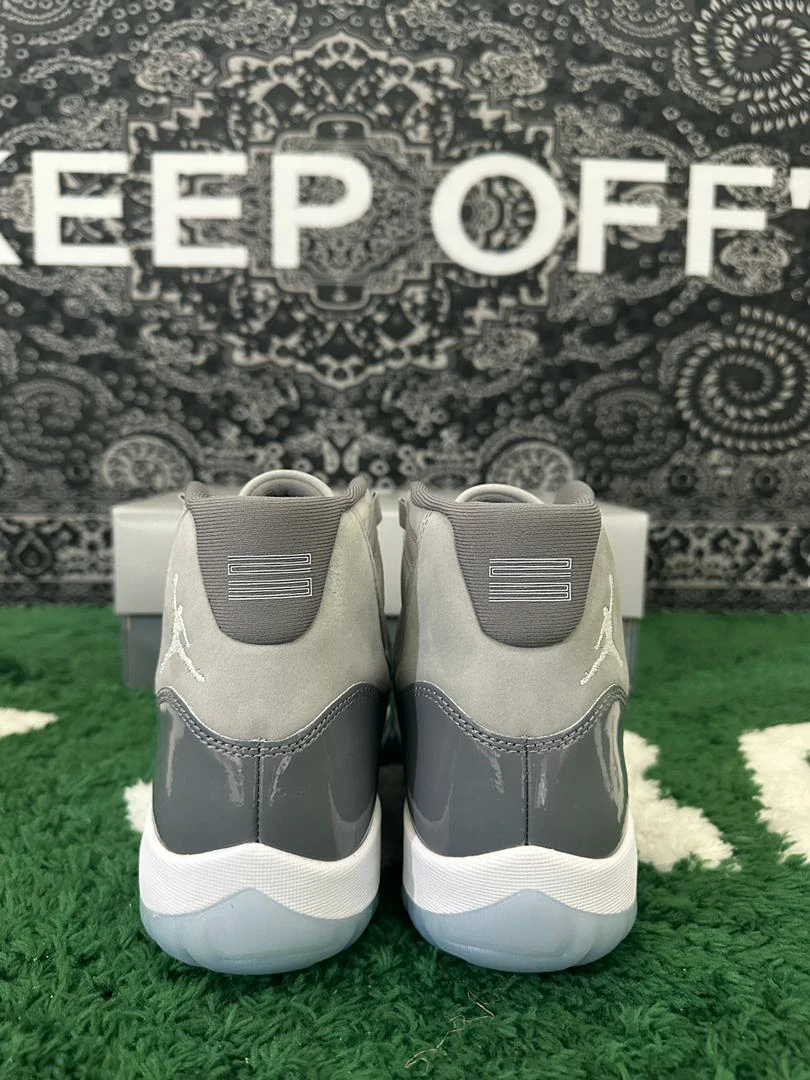
One common mistake is buying an SE pair as if it were a standard Jordan 4 colorway. The materials can age differently, and customers may expect a softer or more premium feel. Another mistake is ignoring box condition, which matters to collectors and resale buyers. If you sell online, weak photos will cost you more than a slightly higher purchase price.
Do not use authentication shortcuts based on one detail. Stitching, smell, box labels, and midsole texture all need to be checked together. When a pair is outside your team's expertise, use a professional authentication service or pass on the deal. A questionable pair is not a bargain, even at a low cost.
Local demand should shape your assortment. A pair that sells fast in one market may sit in another, especially when the material is bold. Review sell-through by size and colorway before you reorder, and keep the next buy tied to actual customer requests.
FAQ
Is the retro se jordan 4 true to size?
For many wearers, retro se jordan 4 pairs fit close to standard Jordan 4 sizing. SE materials and padding can make some pairs feel snug, so use the standard size as a starting point. If you sell online, publish a clear size guide, mention any known fit notes for the colorway, and offer an exchange path.
What does SE mean on a Jordan 4?
SE generally means special edition. On a Jordan 4, it usually points to a revised build with different materials or details rather than a new silhouette. The changes can affect weight, stiffness, and care. Check the official product page and style code for the exact release instead of assuming every SE pair is the same.
Are SE pairs harder to source in full size runs?
Special-edition builds often arrive in smaller quantities and uneven size runs, but availability changes by colorway and season. Ask suppliers for a size breakdown before committing. If a full run is not available, fill the sizes your customers actually buy and avoid forcing a mixed lot that leaves slow sizes on the shelf.
How should a shop price SE inventory?
Price from current sold comps for the exact colorway, size, and condition, then add your margin and platform fees. Do not rely on a single asking price or a generic Jordan 4 average. For slower-moving sizes, plan markdown room early. Keep records so you can tell a true margin from a one-off sale.
Ready to review current retro se jordan 4 options for your store? Send your size run, target colorways, and condition requirements to our team for a quote. We will confirm availability, box condition, and shipping details before you commit.