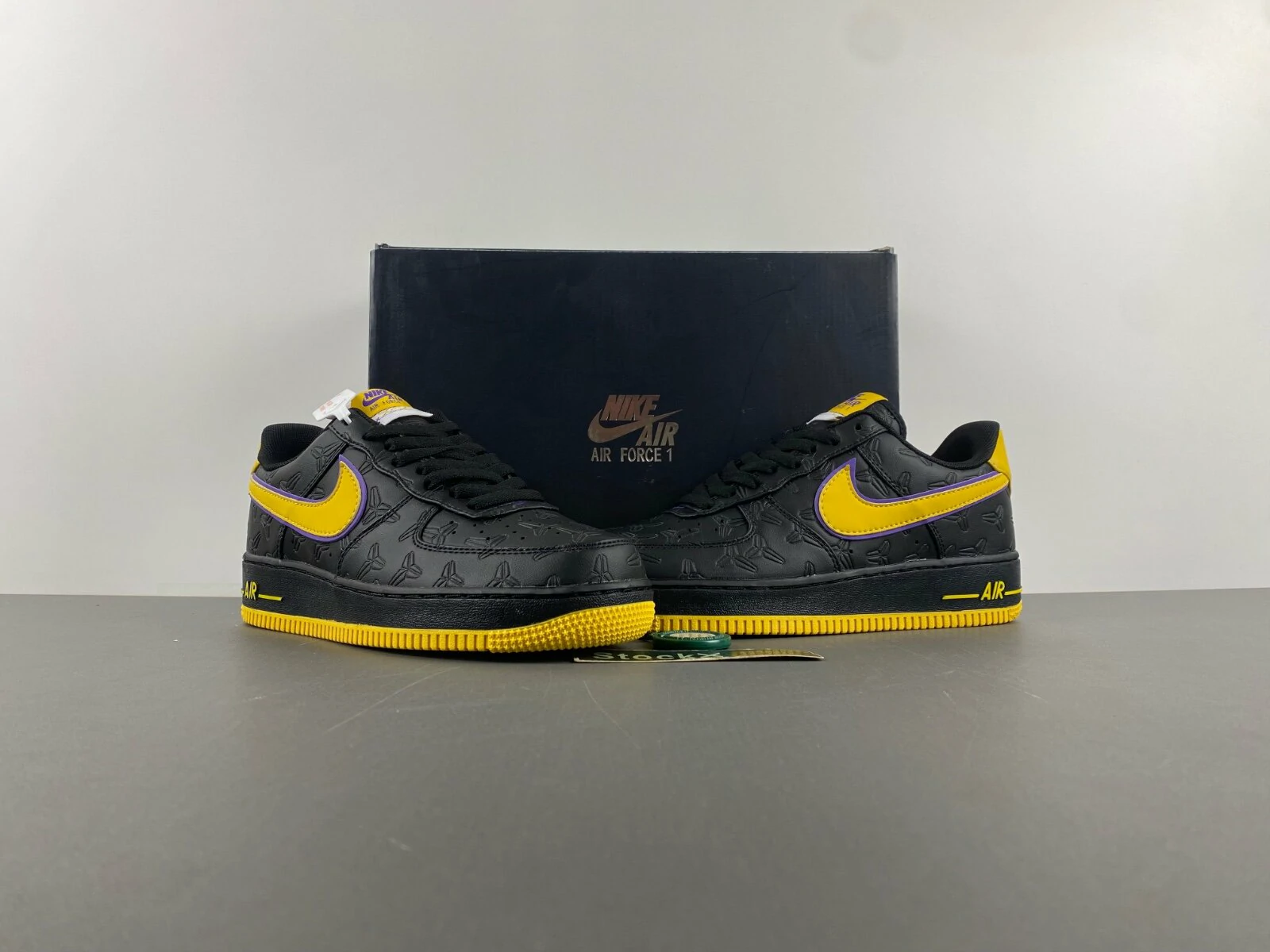
No. Nike has never released an official sneaker called the 666, and that name does not appear in Nike's catalogs, on SNKRS, or on any SB line sheet. The story keeps circulating because three unrelated products get blended together: custom-painted pairs, counterfeit listings, and the discontinued Nike 6.0 line. The query did nike make 666 shoes still pulls steady traffic every month, so it is worth sorting out what each version actually is Before you spend money on stock.
For a shop, the practical answer beats the trivia. A customer who believes a rare 666 Dunk exists will ask you to find one, and a buyer who cannot explain the difference is easy to walk into a bad purchase. The rest of this page covers what the number refers to, how to Check a pair, and where the real risk sits for US retailers.
What People Mean When They Say 666 Shoes
Most listings carrying that number fall into a handful of buckets, and none of them come from Nike's own design team. The label is usually applied by a reseller to make a plain pair sound rare, or by a customizer who painted the number on the heel. When a customer messages asking "did nike make 666 shoes," the honest response is to describe which bucket their pair belongs to.
The three sources below cover the vast majority of what shows up in feeds, at flea markets, and in liquidation lots.
- Custom pairs. Independent artists paint, dye, or airbrush the number onto an existing Nike base shoe. Nike did not make them, and the custom work usually voids any manufacturer defect claim.
- Counterfeit or unbranded listings. Marketplace sellers use an edgy number to catch search traffic. The shoes are often close copies of a Dunk, Air Force 1, or Jordan 1 with mismatched labels.
- Nike 6.0 deadstock. Nike 6.0 was a real action-sports label sold from the mid-2000s until it was wound down in the early 2010s. Misread the logo or the box print, and 6.0 can look like 666.
There is a smaller fourth category: genuine pairs where a six-digit style code happens to contain a run of sixes. Nike style codes follow a six-character, three-digit pattern such as DD1391-100, so a code with several sixes in a row is entirely possible. That is a coincidence in the SKU, not a model name.
Why You Won't Find an Official Nike 666 Release
Nike names products after athletes, cities, technologies, and design themes. Numerals carrying heavy religious or occult associations do not clear a mass-market brand review, and no such model shows up in Nike's own archives or SB catalogs. If a pair had been made, you would see a product page, a style code, and a retail launch date.
Scarcity claims deserve extra scrutiny. A seller who says the model was "too controversial to release" is describing a story, not a product. Ask for the box label, the size tag, and a clear photo of the style code, then search that code against Nike's own product pages or a reputable authentication database. If the code returns nothing, the pair is custom, counterfeit, or mislabeled.
Comparing the 666 Listings You'll Run Into
Before you answer did nike make 666 shoes for a customer, sort the listing into a category. The table below shows where each type comes from, how to check it, and what it means for your margin.
| What you're looking at | Where it comes from | How to verify | Wholesale risk |
|---|---|---|---|
| Official Nike release | Does not exist under this number | No style code will resolve on a Nike product page | None, because there is nothing to buy |
| Custom-painted pair | Independent customizer working on a base Nike shoe | Ask for the base style code and photos of the original box | Medium: no warranty, narrow resale pool |
| Counterfeit or unbranded listing | Marketplace dropshippers and grey-market factories | Mismatched fonts, glue stains, code that fails a lookup | High: seizure exposure and chargebacks |
| Nike 6.0 deadstock | Old action-sports inventory, often sourced from Asia | Check era-correct tags, midsole condition, box print | Medium: aged glue and yellowed soles |
Aged deadstock is the sneaky one. Foam midsoles and glue break down in storage, so a pair that looks clean in photos can separate after two wears. If you buy 6.0 stock, budget for returns and inspect every pair before you list it.
How to Verify a Pair Before You Pay
Verification is mostly paperwork plus one close look at materials. Run these steps in order and stop as soon as something fails, because a seller holding a legitimate pair will not mind the questions.
- Request a dated photo showing the size tag inside the shoe and the box label side by side.
- Read the style code off the tag, then search it. A genuine code returns a product page, a colorway name, and a release window.
- Compare the font on the box label. Spacing, weight, and the position of the size run are the fastest tells on a counterfeit.
- Check stitching density on the toe box and heel, plus the symmetry of the swoosh or logo placement.
- Ask for the original receipt or order confirmation if the seller claims a retail origin.
- Pay with a method that allows a dispute, and avoid wire transfers with first-time suppliers.
Anyone who refuses step one has told you something useful. Authentication services are worth the fee on any pair priced in the high hundreds, and they will flag custom work that is being listed as a retail release.
Wholesale Risk for Store Owners
Counterfeit inventory is the real exposure here. Importing or reselling counterfeit goods carries civil and criminal risk in the US, and shipments can be seized at the border. A supplier offering "Nike 666" pairs at a fraction of normal Dunk pricing is selling you a problem, not a deal. Confirm the details with a customs broker before you import anything with an unusual brand story attached.
The custom side is a different business. A customizer can legally sell altered genuine shoes, but the buyer inherits the downsides: no Nike warranty, limited resale demand, and a small pool of collectors who care. Margins look attractive because the base shoe is cheap. In practice, slow turns and one-star reviews from buyers who expected a real release eat that difference.
This is also where the search question keeps coming back. When a customer asks did nike make 666 shoes and you are holding a custom pair, say so plainly, price it as a custom, and name the base model. Buyers respect a straight answer far more than a rare-release story, and it protects you from returns and chargebacks later.
Frequently Asked Questions
Did Nike ever make a 666 shoe for an athlete or team?
No official release has ever been documented, and no such model appears in Nike's product archives or SB catalogs. Claims about a scrapped sample or a player-exclusive pair should be treated as unverified until someone produces a style code that resolves on a Nike product page. Without that code, assume custom or fake.
Is the Nike 666 listing I saw online real?
Most likely not. Marketplace listings using that number are usually counterfeits, unbranded copies, or mislabeled Nike 6.0 shoes from the early 2010s. Ask for the style code and box label, then search the code. If the lookup returns nothing, or the fonts look off, walk away.
Are 666 customs worth buying for resale?
Only if you know the collector. Custom work sells to a narrow audience, and the pool shrinks further when the design leans on shock value. Buy one pair to test demand before committing to a size run, and price it as art rather than as a Nike release.
What is Nike 6.0, and why do people confuse it with 666?
Nike 6.0 was an action-sports line covering skate, surf, snow, and BMX, sold from the mid-2000s until it was wound down in the early 2010s. The numeral sits beside a period in the logo and box print, so a blurry photo or worn label can read as 666. Check the tag era before buying.
If you are building a buy list around SB Dunks, older 6.0 stock, or custom work, send over your size run and target landed cost. We will confirm what is genuinely available, quote on real inventory, and flag anything that looks like a counterfeit before it reaches your shelf. Keep the question did nike make 666 shoes as your first screening step, not a sales pitch.