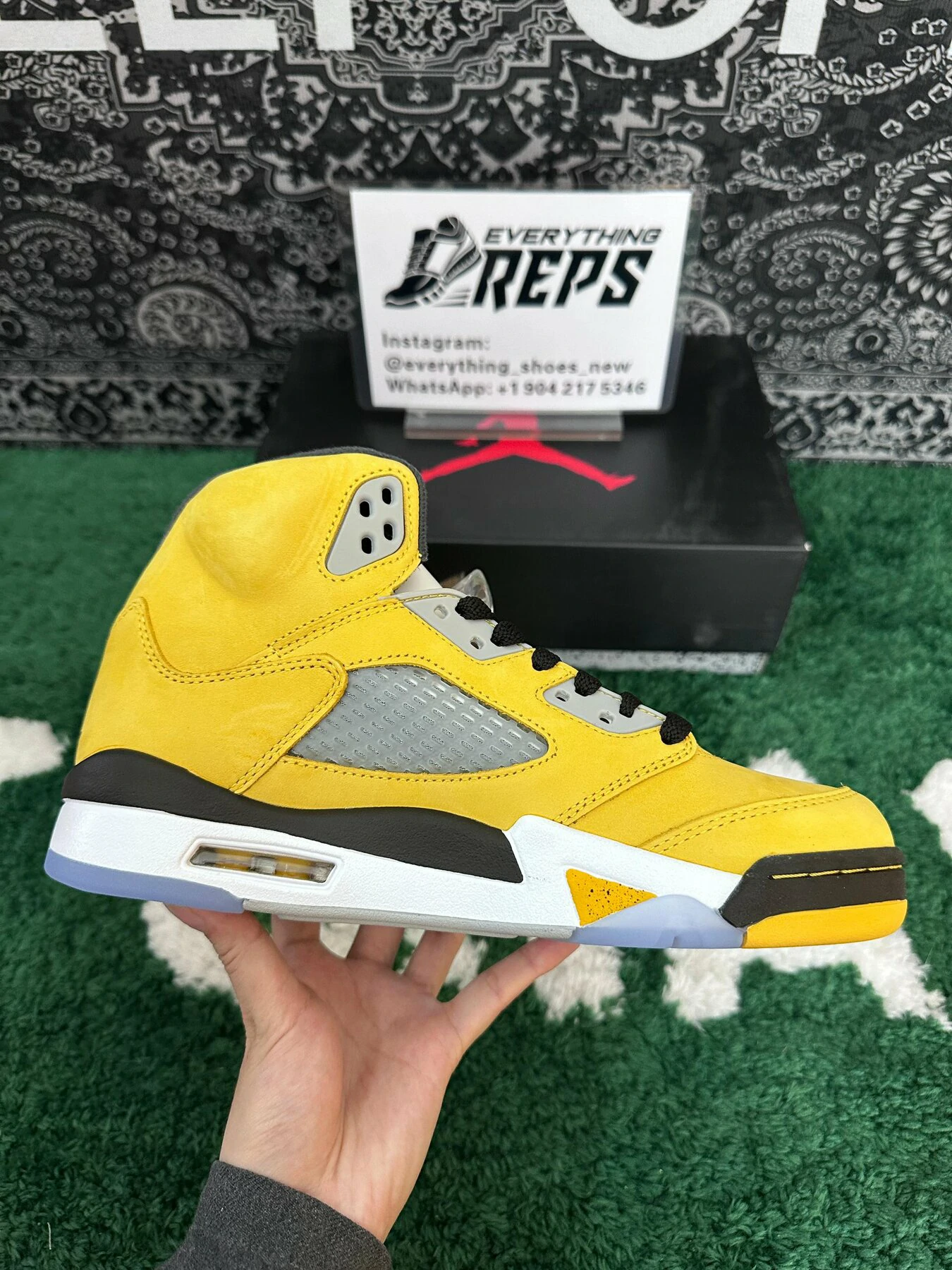
The Jordan retro 4 Green Glow Toddler is a small-foot pair with its own build, not a shrunken men's shoe. It runs in toddler sizing, typically 2C through 10C, and it uses a softer, simpler sole package than the adult version. Parents buy it as a first real Jordan. Shops stock it because the colorway photographs well and clears in the middle of the size run.
The notes below cover what changes in the toddler build, the fit questions you will hear at the counter, and the stock decisions that keep a toddler run from turning into dead stock.
What the toddler build actually changes
The silhouette reads correctly as a Jordan 4. You get the plastic wings at the eyestay, the mesh quarter panels, the heel tab, and the layered toe. Up close, the materials are softer and the tolerances are looser, which is normal for the category.
Toddler pairs drop the visible Air unit and use a foam midsole instead. That is why the shoe feels lighter in hand than a grade school pair of the same colorway. The outsole rubber is thinner too, and the flex point sits further forward to match how young kids walk.
Green Glow usually appears as accent trim rather than a full green upper, sitting against black or grey nubuck and synthetic leather. If a seller shows you a fully green toddler pair and calls it Green Glow, ask for the style code and the box label before you send money.
Sizing: the boundary that costs shops returns
Toddler Jordan 4s generally run close to true to size, with a slightly roomier toe box than a canvas sneaker. Most parents who size up are reacting to stiffness, not length. Tell them to measure the foot in inches and check the official brand size chart rather than guessing from the age printed on the box.
The useful part of the conversation is the boundary. When a customer asks for a Jordan Retro 4 Green Glow Toddler in 11C, they are actually shopping preschool sizing, because toddler typically stops at 10C. Catching that at the counter prevents a return and shows you know the line.
| Version | Typical US size range | Midsole setup | Main buyer | Stock note |
|---|---|---|---|---|
| Toddler (TD) | 2C to 10C | Foam, no visible Air unit | Parents of 1 to 3 year olds | Moves in 4C to 8C; the smallest and largest sizes sit |
| Preschool (PS) | 10.5C to 3Y | Foam with simplified tooling | Parents of 4 to 6 year olds | Strongest repeat demand from 11C to 1Y |
| Grade school (GS) | 3.5Y to 7Y | Closer to adult tooling | Kids 7 to 10, some small-foot adults | Steady year round, less seasonal swing |
| Men's and women's | 7 to 15 men's | Full tooling with visible Air | Adults and collectors | Different margin structure entirely |
Materials, cleaning, and resale condition
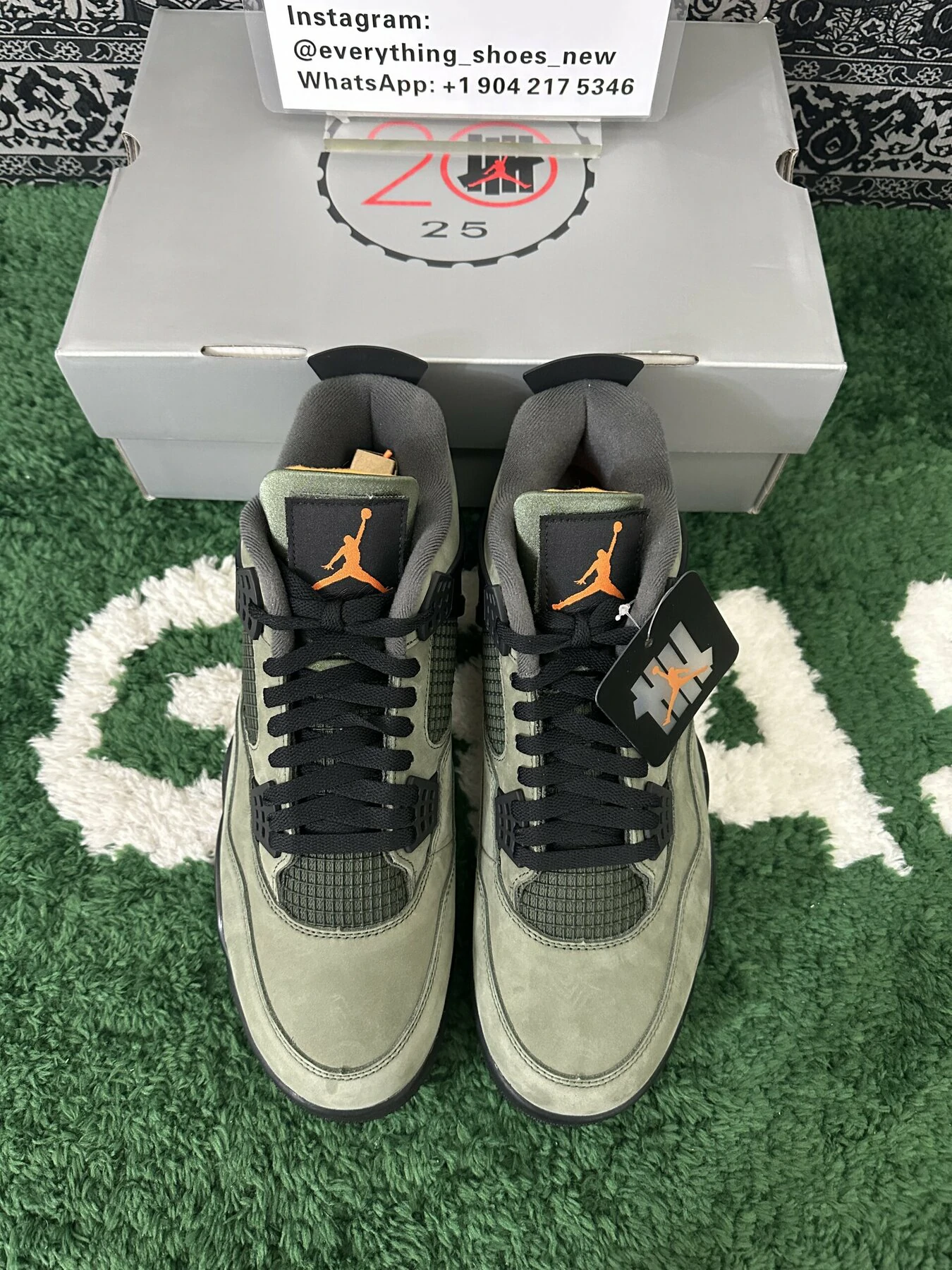
Nubuck and mesh are the two surfaces that decide whether a used pair still holds value. Green Glow accents are usually a smooth synthetic, so they wipe clean with a damp cloth. Black nubuck is what stains, and it is also what most household cleaning kits ruin.
For the Jordan Retro 4 Green Glow Toddler, the safe routine is a soft brush on dry nubuck, lukewarm water with mild soap on the mesh only, and air drying away from direct heat. Never machine wash a pair like this, and never soak the foam midsole.
Condition matters more in toddler sizes than most buyers expect. Creasing is minimal because the wearer weighs so little, so a used pair can look close to new. Scuffed toe caps and faded mesh are the real grade killers, and both show clearly in listing photos.
Sourcing and margin logic
Toddler pairs are a low-ticket item with a wide spread between wholesale and retail. Case packs are usually small, often a mixed run rather than a single size, and terms shift with season and supplier. Treat any quote as a starting point and get the full breakdown in writing, including case pack composition.
Ask three questions before you commit. Can the supplier name the factory or the distribution channel? Do they provide the style code and box label photos? And what happens on a short or damaged case? A supplier who cannot answer all three is a reseller with a spreadsheet, not a sourcing partner.
If a supplier cannot tell you where a Jordan Retro 4 Green Glow Toddler case originated, walk away. Grey-market toddler stock moves through several hands, and the pairs often arrive with mismatched boxes or missing hangtags, which kills your listing quality.
On landed cost, expect freight, import duties, and brokerage fees to change the math, especially on small parcels. Common practice is to price landed cost at 15 to 30 percent above the goods cost for planning, but that figure is a rough planning range only and should be confirmed with your customs broker. Duty treatment varies by country of origin and by classification, so do not quote a customer a final number until you have cleared it.
Before you commit to a size run
- Confirm the size range on the actual case pack, not on the product page.
- Check whether the run is 2C to 10C full, or a broken run with gaps.
- Request box label and style code photos for at least two pairs per case.
- Ask for the manufacturer's suggested retail so your margin math is honest.
- Plan the size curve around 4C to 8C and keep deep sizes thin.
- Set a return or credit policy in writing before the first shipment.
Authenticity checks that work on small sizes
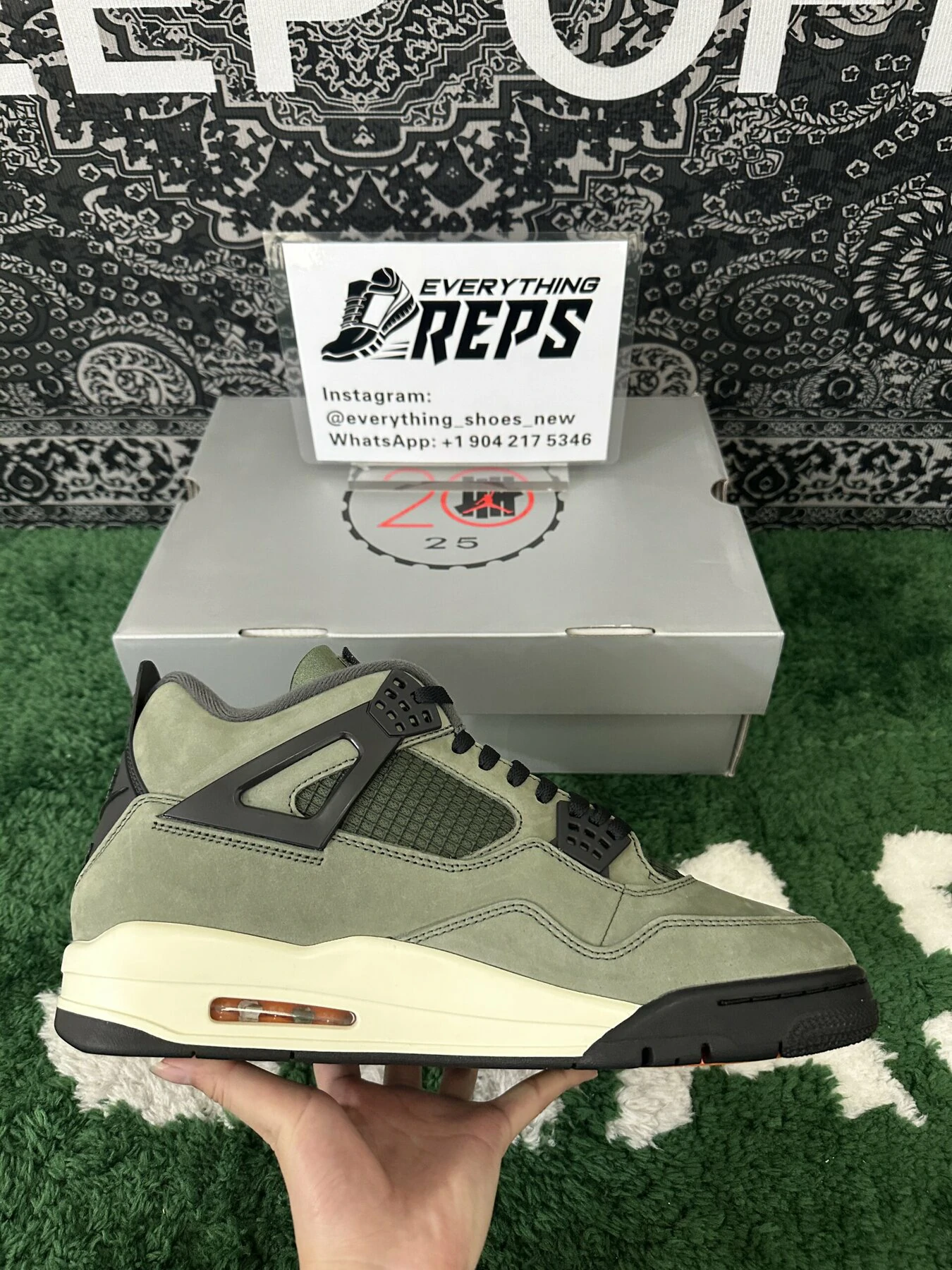
Toddler pairs are counterfeited less often than adult sizes, but they are not immune, and the small scale makes flaws harder to spot in photos. Start with the box label, then the style code inside the tongue or on the size tag, then the stitching density around the toe panel.
Stitching on a legitimate pair is even and tight, with consistent spacing around the wings and heel tab. Glue stains along the midsole edge are common on fakes and rare on retail pairs. When a case is worth several hundred dollars, pay for a professional legit check rather than judging from a phone screen.
Frequently asked questions
Do toddler Jordan 4s run true to size?
Most buyers find them close to true to size, with a slightly roomier toe box than a canvas shoe. Toddler feet grow fast, so many parents buy a half size up for wear time rather than fit. Measure the foot in inches and compare against the official brand size chart before ordering.
How many toddler pairs should a small shop order first?
Start with a single case pack or a shallow size run and track sell-through for four to six weeks. Toddler demand is local, so a store near young families will clear 4C to 8C faster than a store near a college campus. Reorder the middle sizes before you widen the range.
Is the Green Glow colorway a year-round seller?
Black and grey uppers with a green accent read well across seasons, which helps outside the back-to-school window. Spring and late summer are still the strongest periods for toddler footwear generally. Judge it against your own sell-through data rather than category averages.
Can I mix toddler and preschool sizes in one order?
Many suppliers will build a mixed case, but the terms differ by vendor and it usually raises the minimum. Mixed cases reduce your risk on the smallest sizes, which move slowly. Confirm the split in writing so you are not shipped a preschool-heavy case at toddler pricing.
What is the safest way to verify a supplier?
Ask for a sample pair, a business license, and references from two US buyers. Pay a deposit by a traceable method and never by wire to a personal account. A short trial order tells you more about packing quality and communication than any price list.
If you are building a toddler run for the coming season, send us your size curve and target landed cost. We will come back with available case packs, current terms, and a straightforward answer on what we can and cannot source.